Pulp Fiction or Bodyguard Kiba? Pete Hegseth recites movie script instead of Bible verses

&imwidth=600&imheight=450&format=webp&quality=medium "Pulp Fiction or Bodyguard Kiba? Pete Hegseth recites movie script instead of Bible verses")
Pulp Fiction or Bodyguard Kiba? Pete Hegseth recites movie script instead of Bible verse Photograph: (Credit: AFP/X)
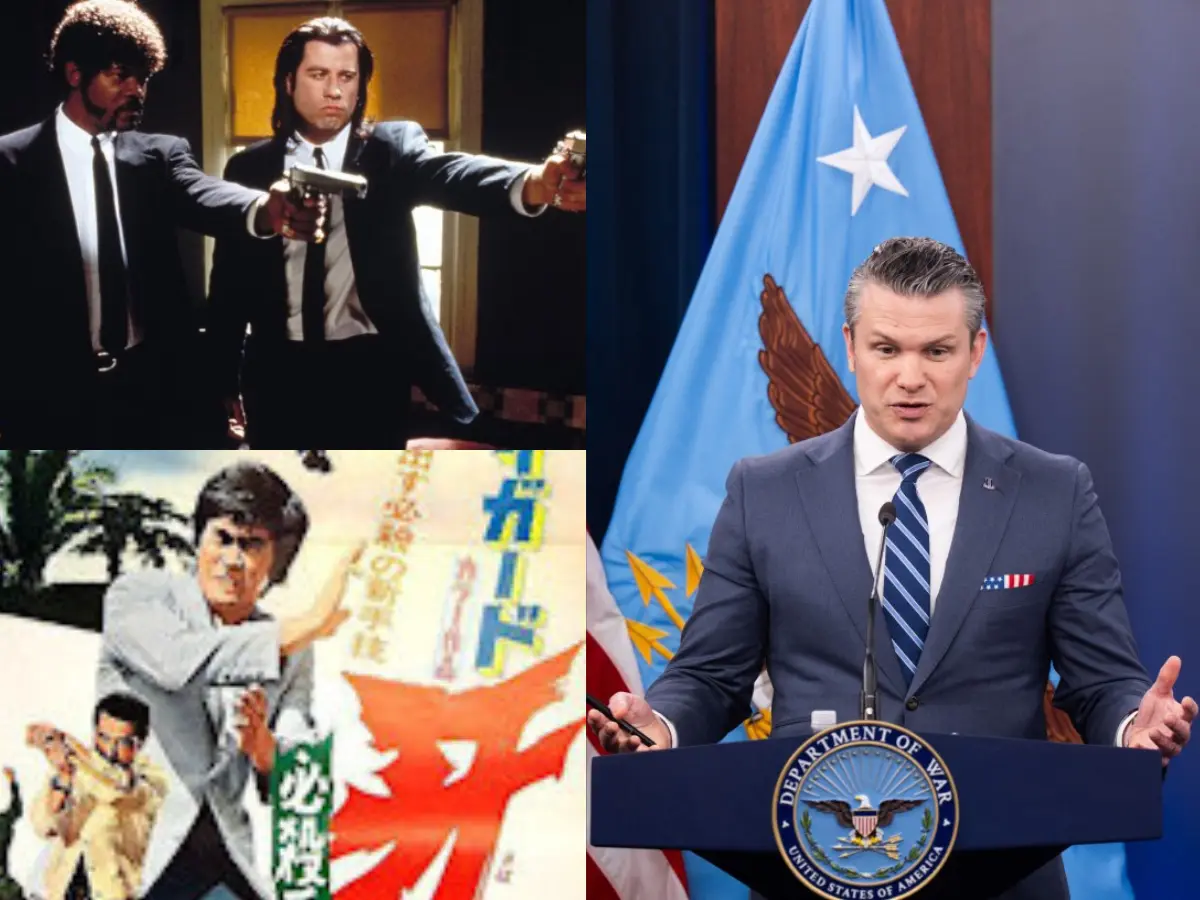
Pete Hegseth sparks controversy after reciting a "fake" Bible verse at a Pentagon service. The monologue, famously used in Quentin Tarantino's Pulp Fiction, originates from the 1973 film Bodyguard Kiba.
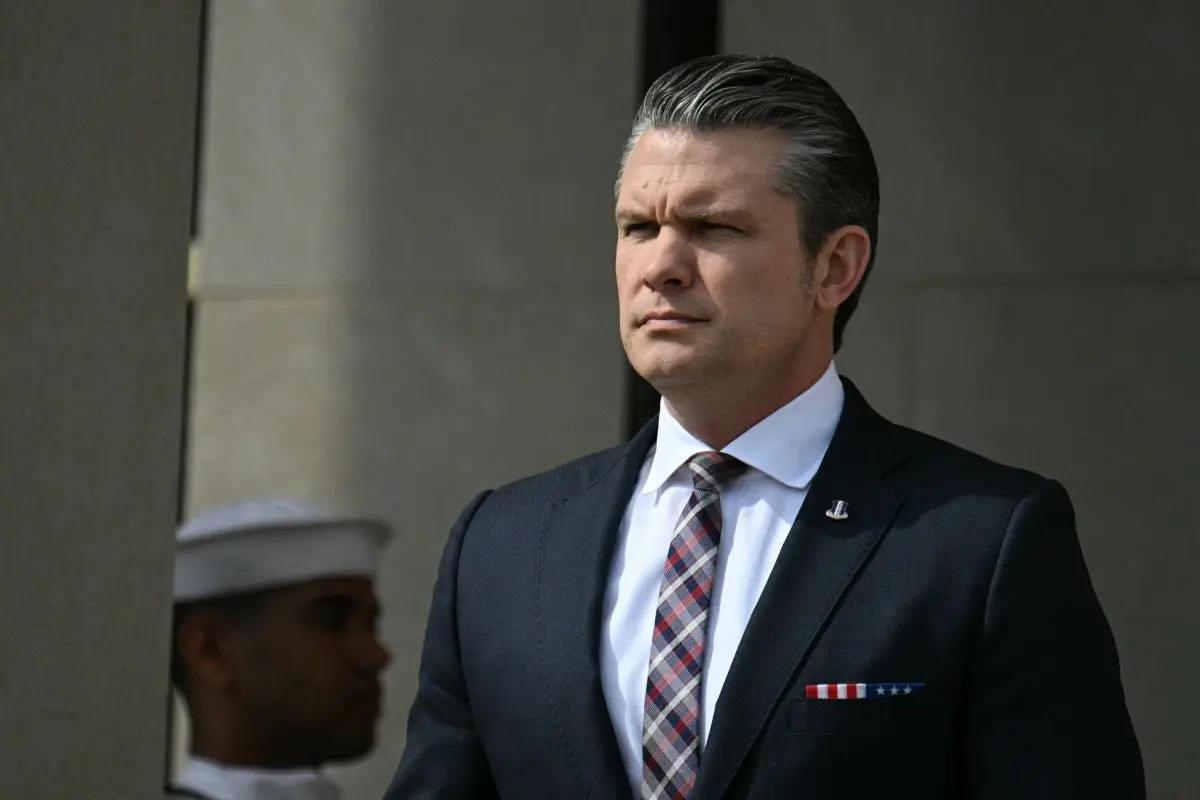
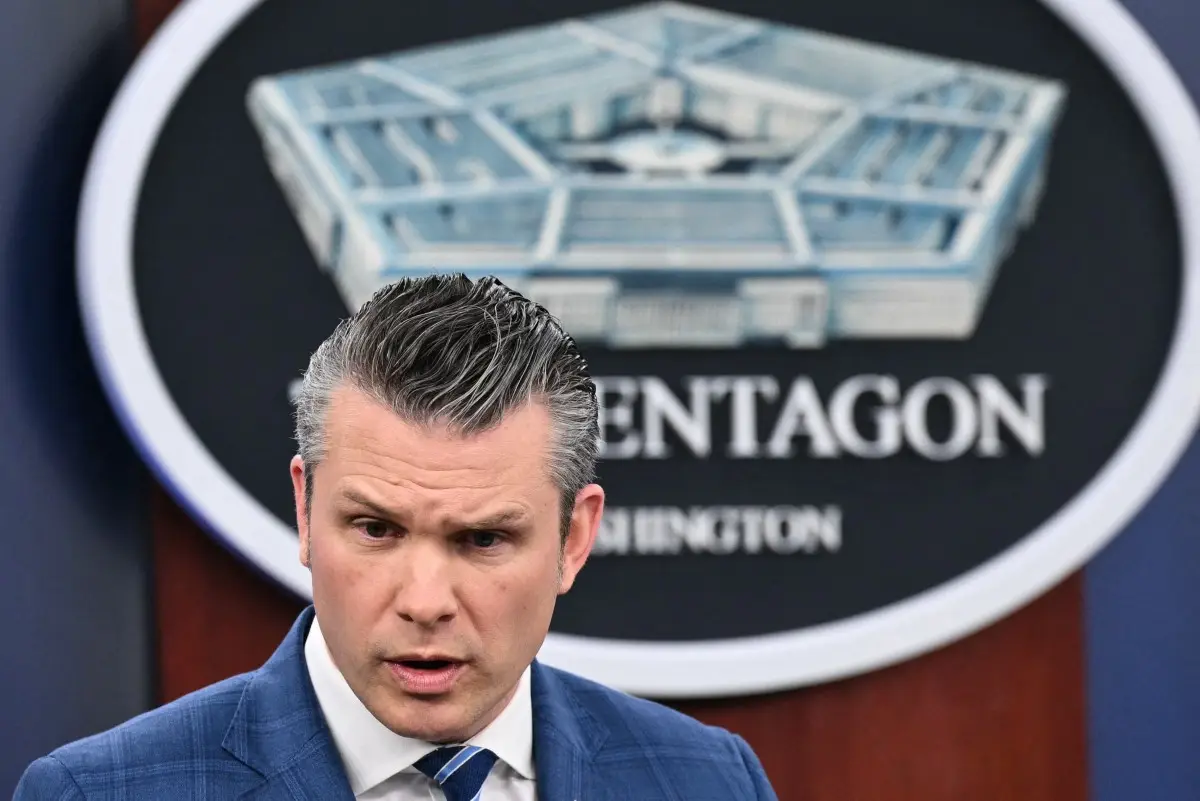
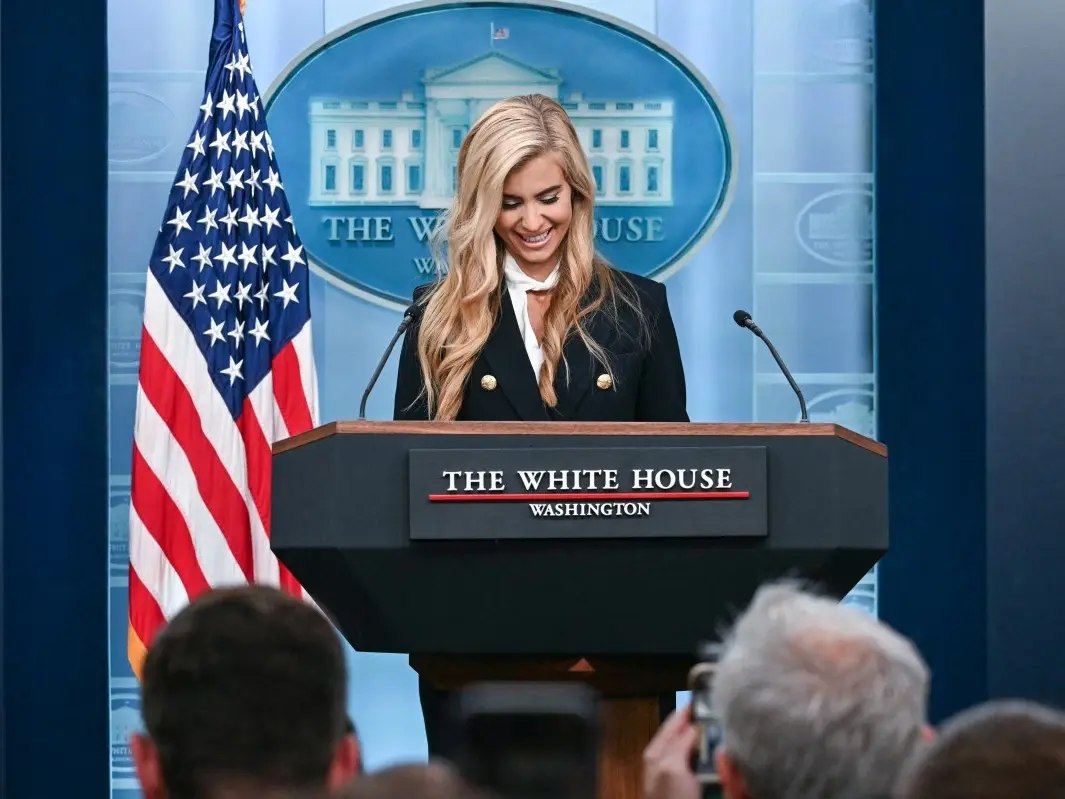
US Secretary of War Pete Hegseth is facing a wave of digital scrutiny and political fire after reciting a "fake" Bible verse popularised by Quentin Tarantino’s 1994 cult classic Pulp Fiction during a monthly worship service at the Pentagon on Wednesday (Apr 16). The 1973 film Bodyguard Kiba first featured this version of the verse. The incident occurred during an event where Hegseth, who has recently made a habit of holding regular religious services within the Department of War, introduced a prayer he called "CSAR 2517." The title ostensibly refers to "Combat Search and Rescue" and the biblical verse Ezekiel 25:17. However, the text Hegseth delivered bore a striking resemblance to the cinematic monologue performed by actor Samuel L Jackson in the film, rather than the actual scripture.
Movie vs. The Scripture
In the footage circulating online, Hegseth began: "The path of the downed aviator is beset on all sides by the iniquities of the selfish and the tyranny of evil men.Blessed is he who, in the name of camaraderie and duty, shepherd the lost through the valley of darkness..."
WATCH VIDEO HERE
Trending Stories
&imwidth=280&imheight=210&format=webp&quality=medium)
&imwidth=280&imheight=210&format=webp&quality=medium)
&imwidth=280&imheight=210&format=webp&quality=medium)
&imwidth=280&imheight=210&format=webp&quality=medium)
&imwidth=280&imheight=210&format=webp&quality=medium)
&imwidth=280&imheight=210&format=webp&quality=medium)
&imwidth=280&imheight=210&format=webp&quality=medium)
&imwidth=280&imheight=210&format=webp&quality=medium)
&imwidth=280&imheight=210&format=webp&quality=medium)

&imwidth=280&imheight=210&format=webp&quality=medium)
&imwidth=280&imheight=210&format=webp&quality=medium)
&imwidth=280&imheight=210&format=webp&quality=medium)
&imwidth=280&imheight=210&format=webp&quality=medium)
&imwidth=280&imheight=210&format=webp&quality=medium)
&imwidth=280&imheight=210&format=webp&quality=medium)
&imwidth=280&imheight=210&format=webp&quality=medium)
&im=FitAndFill=(700,400)&imwidth=280&imheight=210&format=webp&quality=medium)
&imwidth=280&imheight=210&format=webp&quality=medium)
&imwidth=280&imheight=210&format=webp&quality=medium)
&imwidth=280&imheight=210&format=webp&quality=medium)
&imwidth=280&imheight=210&format=webp&quality=medium)
&imwidth=280&imheight=210&format=webp&quality=medium)
&imwidth=280&imheight=210&format=webp&quality=medium)
&imwidth=280&imheight=210&format=webp&quality=medium)
&im=FitAndFill=(700,400)&imwidth=280&imheight=210&format=webp&quality=medium)
&imwidth=280&imheight=210&format=webp&quality=medium)
&im=FitAndFill=(700,400)&imwidth=280&imheight=210&format=webp&quality=medium)
&imwidth=280&imheight=210&format=webp&quality=medium)

&im=FitAndFill=(700,400)&imwidth=280&imheight=210&format=webp&quality=medium)
&imwidth=280&imheight=210&format=webp&quality=medium)
&imwidth=280&imheight=210&format=webp&quality=medium)
&imwidth=280&imheight=210&format=webp&quality=medium)
The monologue continued with a vow of vengeance, mirroring Jackson's character, Jules Winnfield, but with a military twist.While the film version ends with "you will know my name is the Lord," Hegseth’s version concluded with, "you will know my call sign is Sandy 1 when I lay my vengeance upon thee."
The Pulp Fiction or Bodyguard Kiba dialogue only drew its final sentence from the actual Bible.Supporters of Hegseth argue the prayer was a deliberate "warrior’s adaptation" provided by a mission planner to boost morale following a recent rescue operation. However, a few in the audience were seen smiling.
So, was it deliberate or a mix-up?