Pentagon says US blockade has cost Iran $4.8 billion in oil losses

&imwidth=600&imheight=450&format=webp&quality=medium "Pentagon says US blockade has cost Iran $4.8 billion in oil losses")
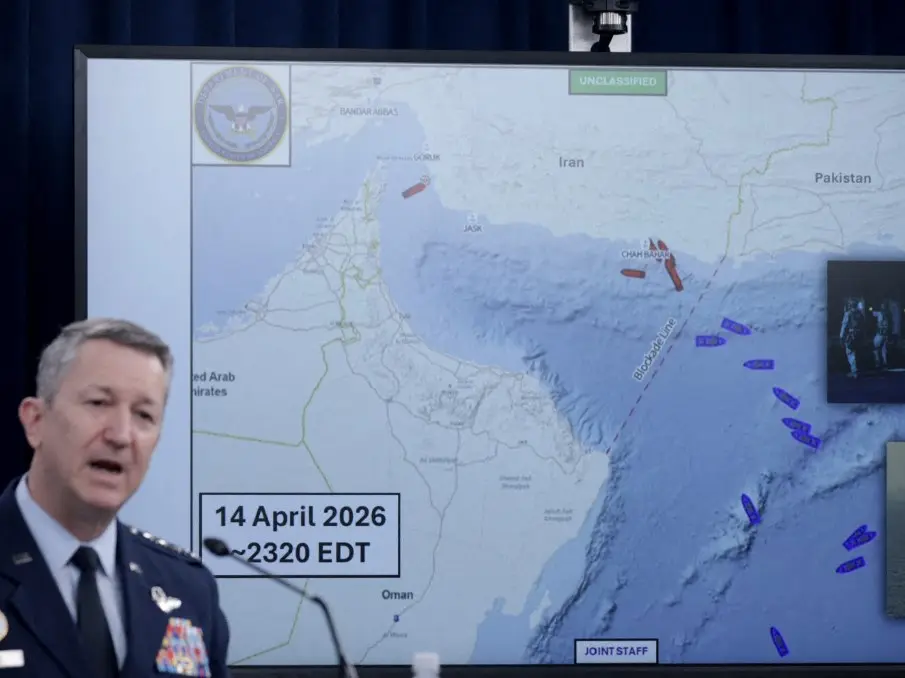
Pentagon says US blockade has cost Iran $4.8 billion in oil losses Photograph: (AFP)
The US blockade in the Gulf of Oman blocks Iran's oil exports, trapping billions in cargo and intensifying economic pressure during the ongoing conflict
The US Defense Department estimates that Iran has lost nearly $5 billion in oil revenue due to a US blockade in the Gulf of Oman, intensifying economic pressure on Tehran. Officials say the blockade is President Donald Trump’s most powerful tool to push negotiations aimed at ending the war with Iran, even as diplomatic talks continue to stall and restart. Since the operation started on April 13, the US military has redirected more than 40 vessels attempting to move oil and other contraband through the region, according to Pentagon officials.
In total, 31 tankers carrying approximately 53 million barrels of Iranian crude are now ‘stuck in the Gulf’, valued at around $4.8 billion. Two vessels have already been seized by US forces. With storage capacity on land reaching its limits, Iran has reportedly started using older tankers as floating storage units. Some shipments are now taking longer, more expensive routes to reach buyers in China, partly to avoid US interception. Shipping analysts note that Iranian tankers have adapted by hugging coastlines near Pakistan and India, using safer maritime corridors toward the Strait of Malacca, where oil is often transferred between vessels bound for China.
Samir Madani, co-founder of TankerTrackers.com, said one Iranian tanker, nicknamed “HUGE,” demonstrated how ships attempt to evade interception. He said vessels are increasingly relying on stealth routing through regional waters. Madani also warned that Iran may eventually attempt a large-scale breakout. “I think the Iranians will wait for an opportunity to launch an overnight 'Great Escape' once they have built up even further storage near the border with Pakistan,” he told Axios.
The situation reflects a broader economic confrontation, with both Iran and the United States using maritime pressure tactics. Iran has previously restricted movement through the Strait of Hormuz, while the US has increased pressure at the Gulf of Oman entry point. Analysts say the strategy is aimed at forcing Iran’s storage capacity to collapse, potentially shutting down oil production. Gregory Brew of Eurasia Group said, “They're probably several weeks, or perhaps as much as a month, away from running out of storage,” he told Axios.
Trending Stories
&im=FitAndFill=(700,400)&imwidth=280&imheight=210&format=webp&quality=medium)
&imwidth=280&imheight=210&format=webp&quality=medium)
&imwidth=280&imheight=210&format=webp&quality=medium)
&imwidth=280&imheight=210&format=webp&quality=medium)
&im=FitAndFill=(700,400)&imwidth=280&imheight=210&format=webp&quality=medium)
&imwidth=280&imheight=210&format=webp&quality=medium)
&imwidth=280&imheight=210&format=webp&quality=medium)
&imwidth=280&imheight=210&format=webp&quality=medium)
&imwidth=280&imheight=210&format=webp&quality=medium)
&imwidth=280&imheight=210&format=webp&quality=medium)
&imwidth=280&imheight=210&format=webp&quality=medium)
&imwidth=280&imheight=210&format=webp&quality=medium)
&imwidth=280&imheight=210&format=webp&quality=medium)
&imwidth=280&imheight=210&format=webp&quality=medium)
&imwidth=280&imheight=210&format=webp&quality=medium)
&imwidth=280&imheight=210&format=webp&quality=medium)
&imwidth=280&imheight=210&format=webp&quality=medium)
&imwidth=280&imheight=210&format=webp&quality=medium)
&imwidth=280&imheight=210&format=webp&quality=medium)
&imwidth=280&imheight=210&format=webp&quality=medium)
&imwidth=280&imheight=210&format=webp&quality=medium)
&imwidth=280&imheight=210&format=webp&quality=medium)
&imwidth=280&imheight=210&format=webp&quality=medium)
&imwidth=280&imheight=210&format=webp&quality=medium)
&imwidth=280&imheight=210&format=webp&quality=medium)
&imwidth=280&imheight=210&format=webp&quality=medium)
&imwidth=280&imheight=210&format=webp&quality=medium)
&imwidth=280&imheight=210&format=webp&quality=medium)
&imwidth=280&imheight=210&format=webp&quality=medium)
&imwidth=280&imheight=210&format=webp&quality=medium)
&imwidth=280&imheight=210&format=webp&quality=medium)
&imwidth=280&imheight=210&format=webp&quality=medium)
&imwidth=280&imheight=210&format=webp&quality=medium)
&imwidth=280&imheight=210&format=webp&quality=medium)
&imwidth=280&imheight=210&format=webp&quality=medium)
&imwidth=280&imheight=210&format=webp&quality=medium)
Pentagon spokesperson Joel Valdez said the blockade is fully active. “We are inflicting a devastating blow to the Iranian regime's ability to fund terrorism and regional destabilization,” he said. “Our armed forces in the region will continue to maintain this unrelenting pressure.”
Disclaimer: WION takes utmost care to accurately and responsibly report ongoing conflicts in West Asia involving Israel, Iran, the US, Gulf nations, and non-state actors like Hezbollah, Hamas, Houthis, Islamic State, and others. Claims and counterclaims, disinformation and misinformation are being made online and offline. Given this context, WION cannot independently verify the authenticity of all statements, social media posts, photos, and videos.

