Over 17 million barrels of oil crossed Hormuz on Monday? US claims record flows

&imwidth=600&imheight=450&format=webp&quality=medium "Over 17 million barrels of oil crossed Hormuz on Monday? US claims record flows")
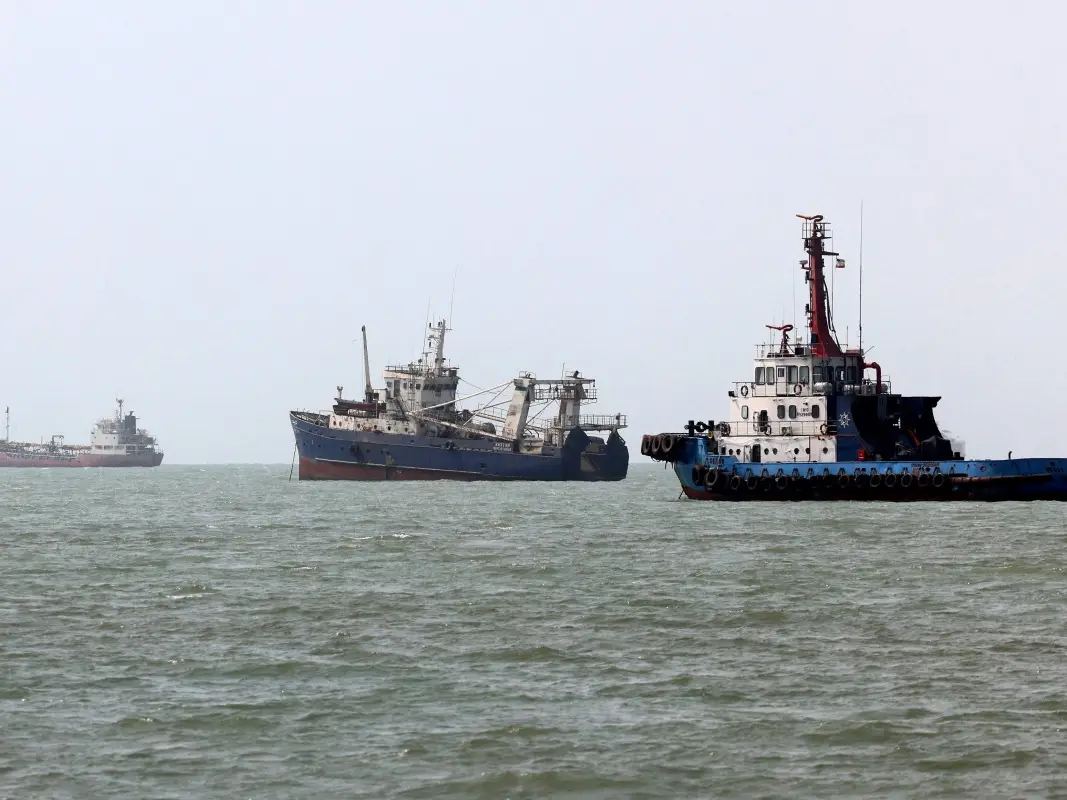
Vessels transit the Strait of Hormuz off Bandar Abbas in southern Iran on August 10, 2026. Photograph: (AFP)
US Energy Secretary Chris Wright claims more than 17 million barrels of oil crossed the Strait of Hormuz on Monday, despite Iran’s attacks and efforts to disrupt tanker traffic.
More than 17 million barrels of oil passed through the Strait of Hormuz by ship on Monday (Aug 31), marking the highest wartime flow since the conflict between the US and Iran began on February 28, US Energy Secretary Chris Wright said Wednesday (Sep 2).
Speaking to CNBC, Wright claimed that when Saudi Arabia’s and the United Arab Emirates’ pipelines that bypass the strait are included, regional oil exports on Monday exceeded levels seen before the war. Before the conflict, about 20 million barrels per day of crude and petroleum products moved through Hormuz.
Iran’s losing leverage over global oil trade?
Wright said Tehran was gradually losing its ability to use the strait as a pressure point on the global economy as the US military helps commercial tankers navigate the waterway.
Iran is “causing some disruption but they are losing that card,” Wright told CNBC, arguing that US-backed shipping operations were reducing Tehran’s ability to restrict energy supplies.
“With or without Iran, oil and gas will flow out of the Arabian Gulf region and it’s happening,” Wright said.
Trending Stories
&imwidth=280&imheight=210&format=webp&quality=medium)
&imwidth=280&imheight=210&format=webp&quality=medium)
&imwidth=280&imheight=210&format=webp&quality=medium)
&im=FitAndFill=(700,400)&imwidth=280&imheight=210&format=webp&quality=medium)
&imwidth=280&imheight=210&format=webp&quality=medium)
&imwidth=280&imheight=210&format=webp&quality=medium)
&imwidth=280&imheight=210&format=webp&quality=medium)
&imwidth=280&imheight=210&format=webp&quality=medium)
&imwidth=280&imheight=210&format=webp&quality=medium)
&imwidth=280&imheight=210&format=webp&quality=medium)
&imwidth=280&imheight=210&format=webp&quality=medium)
&imwidth=280&imheight=210&format=webp&quality=medium)
&imwidth=280&imheight=210&format=webp&quality=medium)
&imwidth=280&imheight=210&format=webp&quality=medium)
&imwidth=280&imheight=210&format=webp&quality=medium)
&imwidth=280&imheight=210&format=webp&quality=medium)
&imwidth=280&imheight=210&format=webp&quality=medium)
&imwidth=280&imheight=210&format=webp&quality=medium)
&imwidth=280&imheight=210&format=webp&quality=medium)
&imwidth=280&imheight=210&format=webp&quality=medium)
&imwidth=280&imheight=210&format=webp&quality=medium)
&imwidth=280&imheight=210&format=webp&quality=medium)
&imwidth=280&imheight=210&format=webp&quality=medium)
&imwidth=280&imheight=210&format=webp&quality=medium)
&imwidth=280&imheight=210&format=webp&quality=medium)
&imwidth=280&imheight=210&format=webp&quality=medium)
&imwidth=280&imheight=210&format=webp&quality=medium)
&imwidth=280&imheight=210&format=webp&quality=medium)
&imwidth=280&imheight=210&format=webp&quality=medium)
&im=FitAndFill=(700,400)&imwidth=280&imheight=210&format=webp&quality=medium)
&imwidth=280&imheight=210&format=webp&quality=medium)
&imwidth=280&imheight=210&format=webp&quality=medium)
&imwidth=280&imheight=210&format=webp&quality=medium)
&im=FitAndFill=(700,400)&imwidth=280&imheight=210&format=webp&quality=medium)
&imwidth=280&imheight=210&format=webp&quality=medium)
The comments came during an interview with CNBC’s Brian Sullivan in Venezuela, five days after President Donald Trump announced a major oil agreement with Caracas’ interim government.
Tankers face continued attacks
The US military has established a shipping corridor along Oman’s coast for tankers operated by Gulf allies. Many vessels travel through the route at night and switch off their transponders to lower the risk of being targeted.
Iran has repeatedly demanded that commercial ships instead use a northern route through Iranian waters and has attacked vessels using the US-protected corridor. At least two tankers have been attacked in Hormuz this week, according to incident reports from the United Kingdom Maritime Trade Operations centre.
On Wednesday (Sep 2), US crude futures fell roughly 1 per cent after briefly approaching $90 a barrel as fresh US-Iran military exchanges ended a period of relative calm.
Wright also defended Washington’s higher oil-flow estimates, saying US military and Energy Department data also capture covert tanker movements that private tracking firms can miss.

