OpenAI is cutting off Cursor because Elon Musk now owns it

&imwidth=600&imheight=450&format=webp&quality=medium "OpenAI is cutting off Cursor because Elon Musk now owns it")
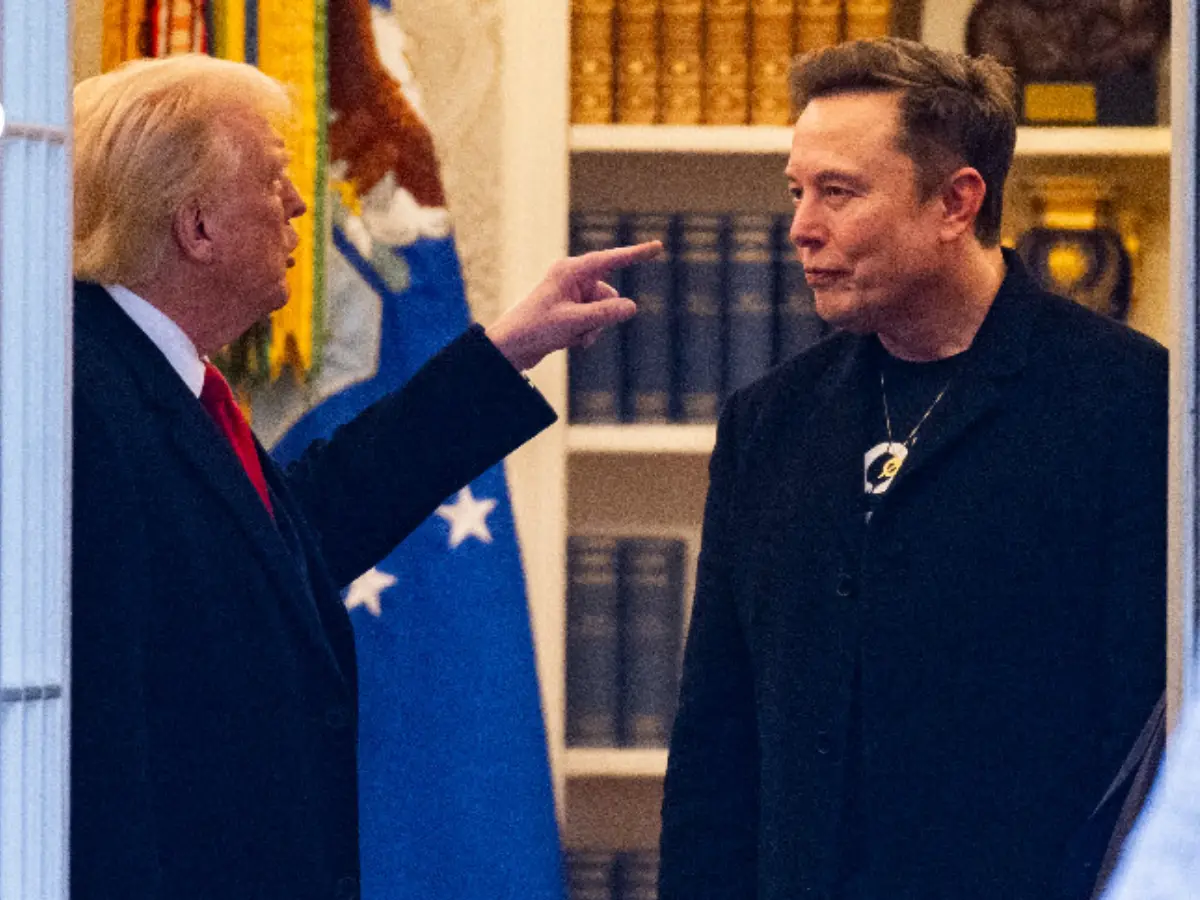
OpenAI is cutting off Cursor because Elon Musk now owns it Photograph: (AFP)
SpaceX completed a $60 billion acquisition of Anysphere, the company behind the coding tool Cursor, on August 14. OpenAI has now told Cursor it will end direct access to its models on November 12, saying it cannot be confident SpaceX will use the technology within its terms of service and citing past contract violations by Musk companies. Cursor says OpenAI models handle 5 per cent of its traffic.
OpenAI is withdrawing its models from one of the most widely used AI coding tools in the world, and the stated reason is who bought it.
What Happened
SpaceX completed its acquisition of Anysphere, the company behind Cursor, on August 14. The price was $60 billion.
On August 29, OpenAI confirmed it will terminate direct access to its models inside Cursor on November 12, citing trust and contract terms triggered by the change of ownership.
Its position is that it cannot be confident SpaceX will use the technology within its terms of service, and it pointed to its experience of Elon Musk's companies violating contracts.
That is an unusually direct thing for one company to say about another in a commercial notice. It is also the substance of the dispute rather than a flourish: the contract permitted termination on a change of control, and OpenAI has exercised it.
Trending Stories
&im=FitAndFill=(700,400)&imwidth=280&imheight=210&format=webp&quality=medium)
&imwidth=280&imheight=210&format=webp&quality=medium)
&imwidth=280&imheight=210&format=webp&quality=medium)
&imwidth=280&imheight=210&format=webp&quality=medium)
&imwidth=280&imheight=210&format=webp&quality=medium)
&imwidth=280&imheight=210&format=webp&quality=medium)
&imwidth=280&imheight=210&format=webp&quality=medium)
&im=FitAndFill=(700,400)&imwidth=280&imheight=210&format=webp&quality=medium)
&imwidth=280&imheight=210&format=webp&quality=medium)
&imwidth=280&imheight=210&format=webp&quality=medium)
&imwidth=280&imheight=210&format=webp&quality=medium)
&imwidth=280&imheight=210&format=webp&quality=medium)
&imwidth=280&imheight=210&format=webp&quality=medium)
&imwidth=280&imheight=210&format=webp&quality=medium)
&imwidth=280&imheight=210&format=webp&quality=medium)
&imwidth=280&imheight=210&format=webp&quality=medium)
&imwidth=280&imheight=210&format=webp&quality=medium)
&imwidth=280&imheight=210&format=webp&quality=medium)
&imwidth=280&imheight=210&format=webp&quality=medium)
&imwidth=280&imheight=210&format=webp&quality=medium)
&imwidth=280&imheight=210&format=webp&quality=medium)
&imwidth=280&imheight=210&format=webp&quality=medium)
&imwidth=280&imheight=210&format=webp&quality=medium)
&im=FitAndFill=(700,400)&imwidth=280&imheight=210&format=webp&quality=medium)
&imwidth=280&imheight=210&format=webp&quality=medium)
&imwidth=280&imheight=210&format=webp&quality=medium)
&imwidth=280&imheight=210&format=webp&quality=medium)
&imwidth=280&imheight=210&format=webp&quality=medium)
&imwidth=280&imheight=210&format=webp&quality=medium)
&imwidth=280&imheight=210&format=webp&quality=medium)
&imwidth=280&imheight=210&format=webp&quality=medium)
&imwidth=280&imheight=210&format=webp&quality=medium)
&imwidth=280&imheight=210&format=webp&quality=medium)
&imwidth=280&imheight=210&format=webp&quality=medium)
How Much This Actually Costs Cursor
Less than the headline suggests, according to Cursor.
Chief executive Michael Truell said OpenAI's models handle around 5 per cent of Cursor's traffic. Anthropic has publicly offered expanded access to Claude models to absorb the gap.
That number deserves scrutiny in both directions. Five per cent is the sort of figure a company under pressure would want to state, and it is unverifiable from outside. But it is also plausible: Cursor's default experience has been built substantially around Anthropic models for some time, and the coding-tool market has largely settled on Claude as the preferred engine.
If it is accurate, OpenAI has cut off a customer that was already mostly buying elsewhere — which limits the commercial damage and rather changes what the decision was for.
The Feud Underneath It
None of this is separable from the history between the two companies' principals.
Musk co-founded OpenAI, left, and has since litigated against it, competed with it through xAI, and criticised Sam Altman publicly and continuously. OpenAI's citation of Musk companies violating contracts is a reference to that history rather than a neutral risk assessment.
So there are two readings, and the honest position is that both are partly true. On the first, OpenAI is enforcing an ordinary change-of-control clause against a competitor that now owns a distribution channel into developers' daily work — a defensible commercial decision any company might make. On the second, a personal and corporate rivalry has reached the point where a supplier will drop a customer for having the wrong owner.
What is not in dispute is that a widely used developer tool has had its model supply reconfigured by a dispute it was not party to.
Why SpaceX Bought A Coding Tool
The acquisition itself is the stranger fact, and it has been somewhat lost in the fallout.
SpaceX is a launch and satellite company. Paying $60 billion for a coding assistant is not an adjacent purchase, and it is a very large sum even against SpaceX's valuation. The most coherent explanation is that the target was not the product but the position: Cursor sits inside the editor where software is written, which is the single highest-leverage surface in the industry for anyone building AI models.
Read that way, the purchase is of a distribution channel for xAI's models rather than of a business.
Which is precisely the reading that would justify OpenAI's decision on purely commercial grounds. A rival laboratory now controls the tool through which developers reach OpenAI's models, and can see how they are used.
The Wider Point
This is the first significant instance of AI model access being withdrawn over ownership rather than conduct.
Cursor did nothing. Its users did nothing. The models are being pulled because a company that OpenAI does not trust bought the company that licenses them, and the contract allowed it.
For anyone building a product on top of a frontier model, that is the risk worth noting. The dependency is not only on the model continuing to exist, or the price holding, or the terms staying stable. It is on the supplier continuing to approve of your shareholders.
Developers using Cursor have until November 12. Anthropic, which has spent the year winning the coding market on capability, has just been handed the rest of it by a corporate dispute.
