Nepal protests: What is happening in Kathmandu? Why did PM Oli resign, and where do 'NepoKids' and Gen Z fit into the unrest?

&imwidth=600&imheight=450&format=webp&quality=medium "Nepal protests: What is happening in Kathmandu? Why did PM Oli resign, and where do 'NepoKids' and Gen Z fit into the unrest?")
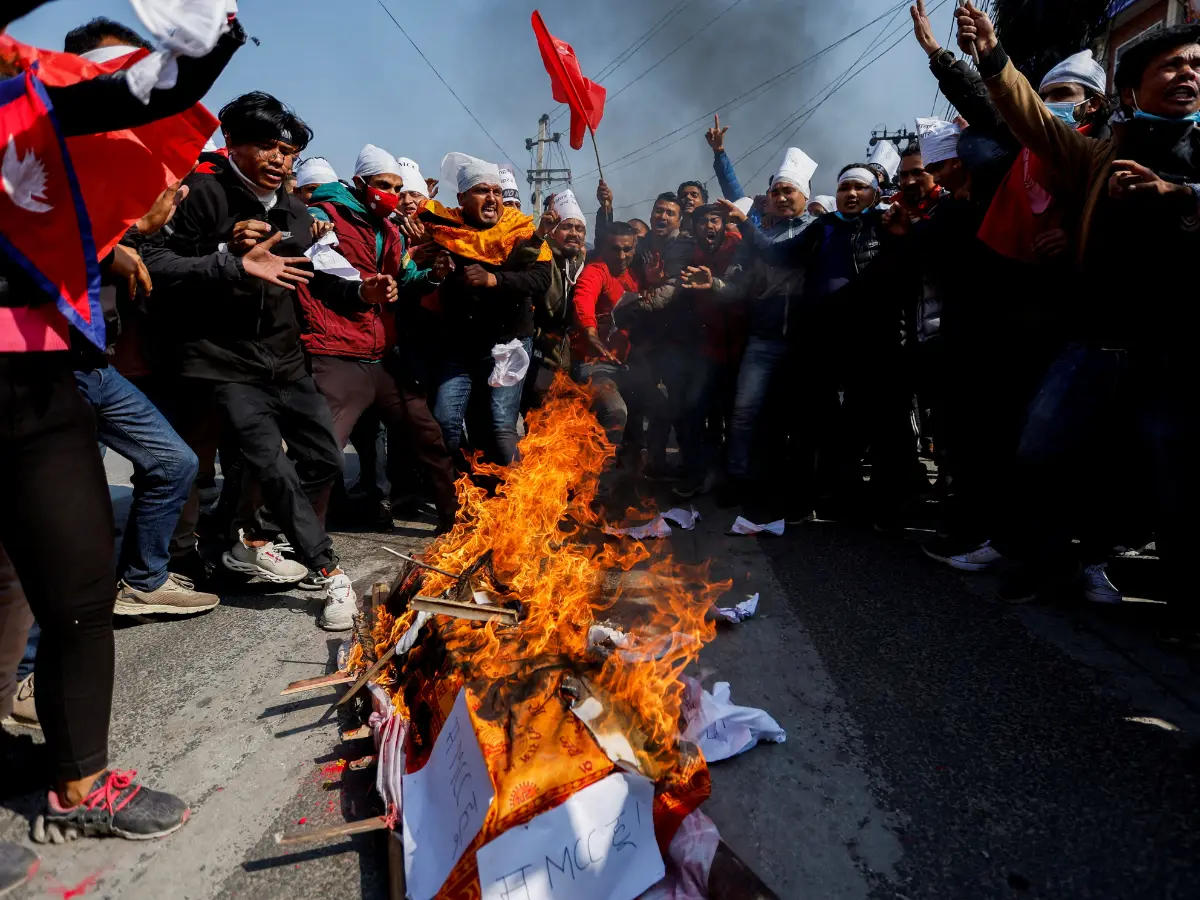
What is happening in Nepal? Why did PM Oli resign, and where do 'NepoKids' and Gen Z fit into the unrest? Photograph: (Reuters)
At least 19 died in Nepal after protests erupted over a social media ban. Youth-led unrest forced the government to lift restrictions, but tensions persisted, prompting Prime Minister Oli to resign.
Nepal was rocked by violent protests this week that left at least 19 people dead after the government blocked major social media platforms, including Facebook, X and YouTube. The ban, which authorities said was aimed at making platforms “responsible and accountable,” was widely seen by young Nepalis as an attempt to silence criticism. Demonstrators, many of them students in uniforms, marched through Kathmandu demanding that the government lift restrictions. The unrest escalated after police opened fire on protesters, forcing the government to backtrack and restore access to social media.
Nepal’s Prime Minister, KP Sharma Oli, stepped down from his position on Tuesday (September 09) following intense nationwide protests against corruption. After mounting pressure and public anger, the government reversed the social media ban on Monday. However, the move came too late to ease tensions.
In his resignation letter addressed to President Ramchandra Paudel, Oli said, "In view of the adverse situation in the country, I have resigned effective today to facilitate the solution to the problem and to help resolve it politically in accordance with the constitution."
What does ‘NepoKids’ mean in Nepal?
While the protests began over censorship, they quickly merged with a much deeper frustration among the youth, anger at political privilege and corruption. In the days before the protests, hashtags such as #NepoKids, #NepoBaby, and #PoliticiansNepoBabyNepal trended across TikTok and Reddit. Borrowed from the global debate around “nepo babies” in entertainment, the phrase took on a sharper meaning in Nepal’s political context.
Trending Stories
)
)
)
)
)
)
)
&im=FitAndFill=(700,400))
)
)
)
)
)
)
)
)
)
)
)
)
)
)
)
)
)
)
)
)
)
)
&im=FitAndFill=(700,400))
)
)
&im=FitAndFill=(700,400))
)
)
)
)
)
)
)
)
Videos and posts questioned whether the children of leaders enjoy power and wealth because of family connections rather than merit. One placard summed up the anger,“The leaders’ children return from abroad with Gucci bags, the people’s children in coffins.”
Nepal’s youth unemployment is around 19.2% for those aged 15–29, driving many to risky jobs abroad, including as mercenaries in the Ukraine–Russia war. Against this backdrop, the extravagant lifestyles of politicians’ children became a lightning rod for resentment.
Protesters accused families of Prime Minister KP Sharma Oli, former prime minister Sher Bahadur Deuba, and Pushpa Kamal Dahal ‘Prachanda’ of benefiting from corrupt wealth. The anger at so-called “nepo kids” merged with the fight for free expression, making the movement both a digital and street-level rebellion.
Government under pressure
The protests forced swift political fallout. Home Minister Ramesh Lekhak resigned during an emergency Cabinet meeting, while Prime Minister Oli promised to investigate the crackdown and provide relief for victims’ families. Following intense criticism, Communications Minister Prithvi Subba Gurung confirmed the ban was being lifted, “We have withdrawn the shutdown of social media. They are working now.”
