Morale plummets on USS Abraham Lincoln: Are US sailors reaching a breaking point? | GRAVITAS

&imwidth=600&imheight=450&format=webp&quality=medium "Morale plummets on USS Abraham Lincoln: Are US sailors reaching a breaking point? | GRAVITAS")
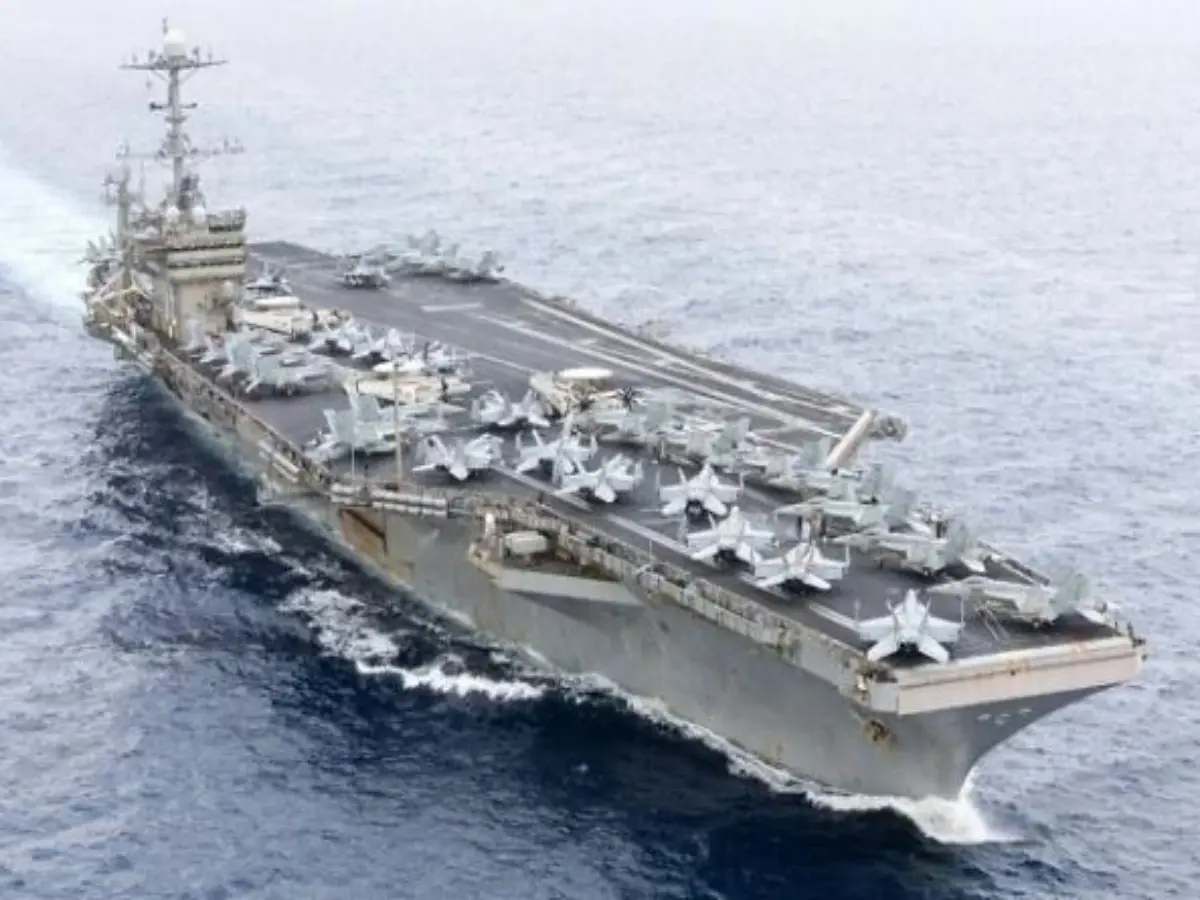
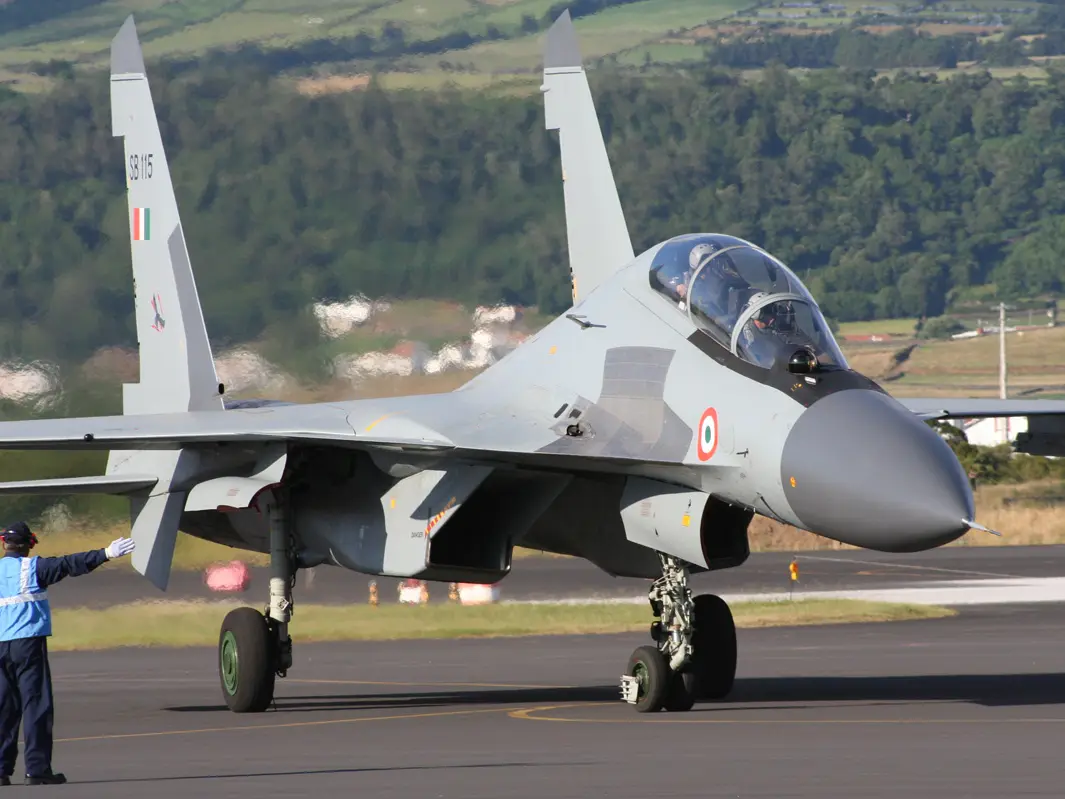
Representative Image Photograph: (Wikimedia Commons)
The challenges extend beyond supplies. Reports also describe mouldy showers and extremely demanding working conditions, even as sailors operate under the constant threat of Iranian drones and missiles.
Food shortages. Soap running out. Toothpaste in short supply. Could the world's most powerful navy be struggling to support its own sailors? The United States possesses one of the world's most powerful militaries. Since February, its aircraft carriers, destroyers, and fighter aircraft have played a major role in operations linked to the conflict with Iran and maritime security missions. But beneath this show of military strength, another story is emerging.
Imagine spending nine months at sea. Now imagine running out of basic necessities like food, soap, and toothpaste. According to reports by MSN, that is what some sailors aboard the nuclear-powered aircraft carrier USS Abraham Lincoln have reportedly experienced.
The challenges extend beyond supplies. Reports also describe mouldy showers and extremely demanding working conditions, even as sailors operate under the constant threat of Iranian drones and missiles.
A Record Deployment
According to the report:
- USS Abraham Lincoln departed San Diego in November.
- After a brief stop in Guam, it reportedly spent 208 consecutive days at sea—described as a modern-era record for a U.S. aircraft carrier.
- Following a short visit to Oman, the carrier returned to operations around the Gulf of Oman and the Indian Ocean.
Trending Stories
&im=FitAndFill=(700,400))
)
)
)
)
&im=FitAndFill=(700,400))
)
)
)
)
)
)
)
)
)
)
)
)
&im=FitAndFill=(700,400))
)
)
)
)
&im=FitAndFill=(700,400))
)
)
)
)
)
&im=FitAndFill=(700,400))
)
)
)
As the carrier entered its fifth straight month of combat-related operations, family members reportedly warned that prolonged exhaustion could increase the risk of fatal mistakes.
Why Fatigue Matters
An aircraft carrier's flight deck is among the most dangerous workplaces in the military.
Every day involves:
- Loading bombs
- Handling missiles
- Moving aircraft
A single mistake can trigger catastrophic accidents.
Reports suggest many sailors are working extended shifts with very limited time off.
The Navy Pushes Back
These concerns are not new. Earlier reports claimed sailors were receiving small food portions and poor-quality meals. U.S. Defense Secretary Pete Hegseth dismissed those reports as "fake news," stating that logistics data showed USS Abraham Lincoln and USS Tripoli each had more than 30 days of food supplies onboard.
The U.S. Navy also maintained that the ships were adequately supplied.
More Operational Challenges
Living conditions aboard aircraft carriers have drawn attention before.
In March, reports said clogged toilets aboard USS Gerald R. Ford created long restroom queues.
While an onboard fire was cited as the primary reason for maintenance, plumbing issues were also reported as a contributing concern.
Information War
In March, Iran claimed USS Abraham Lincoln was forced to leave the region after an attack and released footage it said showed cruise missile launches. U.S. Central Command rejected those claims. The competing narratives underline how information has become another battleground.
What Is the U.S. Navy Saying?
With no clear timeline for an end to operations, questions remain about the strain on deployed crews.
Joseph Hontz, spokesperson for the U.S. Navy's Fifth Fleet, told MSN that the crew remains resilient and mission-ready.
He also said sailors have access to:
- Fitness programs
- Mental health support
- Welfare services
Military strength depends not only on advanced weapons—but also on the people operating them.
As deployments grow longer and operational demands increase, maintaining sailors' morale, health, and living conditions may become just as critical as sustaining combat readiness.
The question is: Can the U.S. Navy maintain both?