MI5 chief warns Russia is UK’s ‘aggressor number one’ as Iran and AI threats grow

&imwidth=600&imheight=450&format=webp&quality=medium "MI5 chief warns Russia is UK’s ‘aggressor number one’ as Iran and AI threats grow")
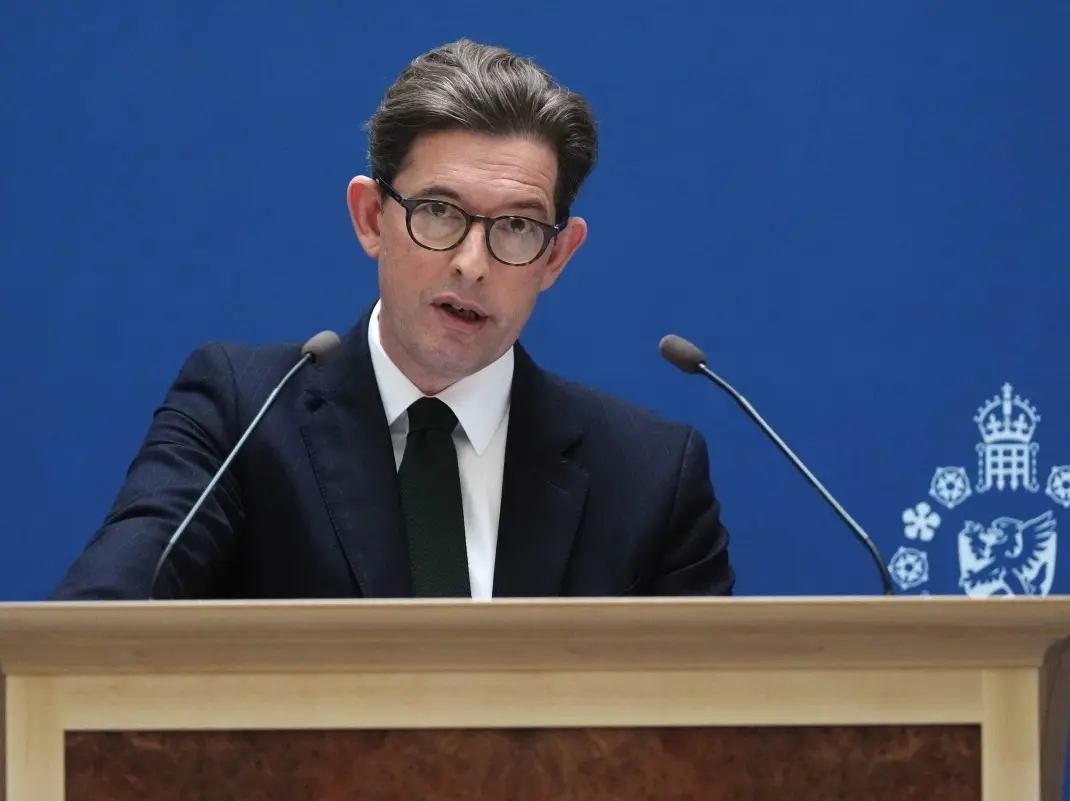
MI5 Chief Sir Ken McCallum Photograph: (AFP)
MI5 chief Ken McCallum warns of rising Russian and Iranian threats, AI-powered terrorism and extremist risks as UK security concerns intensify
MI5 is dedicating more resources to countering threats from hostile foreign states than at any point during the Cold War, the intelligence agency’s chief has revealed, warning that Russia, Iran and the misuse of artificial intelligence are creating an increasingly complex security landscape for the United Kingdom. Sir Ken McCallum said threats from foreign adversaries had quadrupled over the past decade, identifying Russia as ‘aggressor number one’ while warning of increased Iran-linked aggression targeting Jewish communities and military installations.
Delivering his annual speech in London, the MI5 director general said Russia was pursuing hybrid warfare against Western countries, while advances in artificial intelligence were supercharging the cyber-security contest between attackers and defenders. He also highlighted a growing threat from extreme right-wing terrorism and revealed that MI5 had caught terrorists seeking to exploit Al, including individuals using the technology alongside drones.
McCallum identified extremist exploitation of AI to develop or use biological weapons as one of the most serious potential dangers. He warned, however, that the threat had not yet fully materialised. The intelligence chief said counterterrorism and efforts to tackle state-sponsored threats had become pretty much of equal scale, describing the change as a huge shift in the agency’s priorities.
Russia remains the UK's biggest state threat
McCallum said Moscow had avoided escalating its confrontation with NATO into conventional conflict, instead attempting to destabilise European countries through sabotage, cyberattacks, disinformation and other forms of hybrid warfare. He described Russia's progress in its full-scale invasion of Ukraine as minimal and horrifically costly. Hybrid warfare refers to the use of non-traditional methods, including cyber operations, sabotage and misinformation, to pressure opponents and undermine their stability. Such operations can involve intermediaries or proxies, allowing governments to conceal their involvement.
McCallum said MI5's success in identifying and expelling Russian intelligence officers from Britain had weakened the Kremlin's traditional espionage networks, forcing Moscow to rely increasingly on paid intermediaries to conduct hostile activities. "With its traditional covert footprint eviscerated by almost 1,000 expulsions since the invasion, the Kremlin's global toolkit is weak, he said. “So we see them scrambling to pay criminals to do their bidding.” He added, “These are not the actions of a great power with the strategic upper hand.”
Trending Stories
&imwidth=280&imheight=210&format=webp&quality=medium)
&im=FitAndFill=(700,400)&imwidth=280&imheight=210&format=webp&quality=medium)
&imwidth=280&imheight=210&format=webp&quality=medium)
&imwidth=280&imheight=210&format=webp&quality=medium)
&imwidth=280&imheight=210&format=webp&quality=medium)
&imwidth=280&imheight=210&format=webp&quality=medium)
&imwidth=280&imheight=210&format=webp&quality=medium)
&imwidth=280&imheight=210&format=webp&quality=medium)
&imwidth=280&imheight=210&format=webp&quality=medium)
&imwidth=280&imheight=210&format=webp&quality=medium)
&imwidth=280&imheight=210&format=webp&quality=medium)
&imwidth=280&imheight=210&format=webp&quality=medium)
&imwidth=280&imheight=210&format=webp&quality=medium)
&imwidth=280&imheight=210&format=webp&quality=medium)
&imwidth=280&imheight=210&format=webp&quality=medium)
&imwidth=280&imheight=210&format=webp&quality=medium)
&imwidth=280&imheight=210&format=webp&quality=medium)
&im=FitAndFill=(700,400)&imwidth=280&imheight=210&format=webp&quality=medium)
&im=FitAndFill=(700,400)&imwidth=280&imheight=210&format=webp&quality=medium)
&imwidth=280&imheight=210&format=webp&quality=medium)
&imwidth=280&imheight=210&format=webp&quality=medium)
&imwidth=280&imheight=210&format=webp&quality=medium)
&imwidth=280&imheight=210&format=webp&quality=medium)
&imwidth=280&imheight=210&format=webp&quality=medium)
&imwidth=280&imheight=210&format=webp&quality=medium)
&imwidth=280&imheight=210&format=webp&quality=medium)
&imwidth=280&imheight=210&format=webp&quality=medium)
&imwidth=280&imheight=210&format=webp&quality=medium)
&im=FitAndFill=(700,400)&imwidth=280&imheight=210&format=webp&quality=medium)
&imwidth=280&imheight=210&format=webp&quality=medium)
&imwidth=280&imheight=210&format=webp&quality=medium)
&imwidth=280&imheight=210&format=webp&quality=medium)
&imwidth=280&imheight=210&format=webp&quality=medium)
&imwidth=280&imheight=210&format=webp&quality=medium)
&imwidth=280&imheight=210&format=webp&quality=medium)
MI5 chief addresses claims of Russian interference in Brexit
Following his speech, McCallum was asked about recent comments by Prime Minister Andy Burnham suggesting that Russia interfered in the Brexit referendum. The MI5 chief said it was not new news that Moscow had attempted to influence British public debate. However, he drew a distinction between attempts at interference and evidence that such efforts had changed the outcome.
He pointed to Russian media coverage and so-called internet trolls and bot farms that sought to influence the debate surrounding Brexit. At the same time, he stressed that the result of the 2016 referendum was not in dispute. McCallum also expressed concern that public discussion of Russian interference could inadvertently amplify the impact of hostile influence operations. "I am a little bit anxious that we don't play into our adversaries' hands by making these trolls look 10ft tall," he told reporters.
Iran-linked threats target Jewish communities and military sites
McCallum also warned that Iran was expanding its campaign of hostile activity in the United Kingdom. According to the MI5 chief, 50 arrests had been made over the previous year in connection with Iran-linked activities. He said much of the activity had targeted Jewish communities, while other operations focused on harder targets, like military sites.
He did not directly address the arrests linked to an incident near RAF Fairford during his speech. However, he told reporters that the case was not unique. He added, “We have seen Iranian interest beyond RAF Fairford in the UK.” The incident at the Gloucestershire airbase involved three suspicious vans reportedly seen parked nearby. Seven people have been arrested and bailed by counter-terrorism police.
McCallum delivered a firm warning to anyone involved in hostile activity on British soil. “What I can say is that those who seek to cause mayhem on British streets, whether hired thugs here or their paymasters overseas, will meet an unflinching response.”
AI Raises new concerns over terrorism and bioweapons
Artificial intelligence featured prominently in McCallum's assessment of emerging national security threats. He warned that extremists could use AI to create personalised propaganda, spread radicalising material and improve the planning and execution of attacks. "It can produce propaganda and radicalising material tailored to the individual. "We've caught terrorists seeking to exploit Al to improve their reconnaissance and attack methodologies, with Al-enabled drones adding a new twist."
McCallum said the possibility of AI being used to facilitate biological weapons development was particularly concerning, although he stressed that the full threat had not yet emerged. He said the technology had the "potential to change the stakes". "These risks are real. The UK Intelligence Community - MI5, GCHQ, MI6 - is working closely with the UK's globally respected AI Security Institute to take them on."
UK terrorism threat remains severe
McCallum's warning comes after Britain's terrorism threat level was raised to severe in April for the first time in five years. The classification means a terrorist attack is considered highly likely. He said Islamist extremist organisations, including Al Qaeda and the so-called Islamic State, continued to direct and inspire attacks. However, he said the increased threat was also being driven in significant part by extreme right-wing terrorism.
“Over the last year the most marked trend has been an increase in cases where extremist versions of anti-immigration and anti-Muslim grievance are tipping into terrorist intent.” McCallum said extreme right-wing terrorism often involved young people who had been radicalised online. He revealed that MI5 had recently investigated a radicalised extreme right-wing 13-year-old here in the UK. The investigation, he said, provided information that helped an international partner prevent a potentially lethal attack. “That investigation generated insight that enabled one of our international partners to prevent a lethal attack on their soil.”

