Malaysia defends Muslim summit shunned by Saudi, slammed by OIC

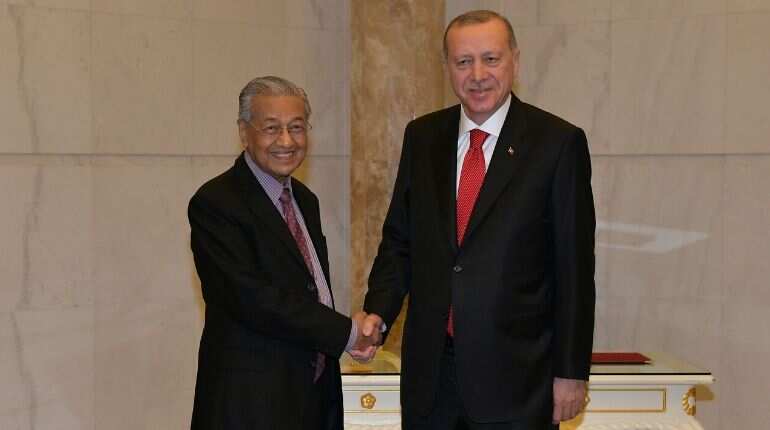
Malaysia's PM Mahathir Mohamad and Turkey's President Tayyip Erdogan
Hosting asummitofMuslimleaders,Malaysia's Prime Minister Mahathir Mohamad bemoaned the state of Islam and defended the meeting that has beenshunnedbySaudiArabia and criticised for undermining the bigger Organisation of Islamic Cooperation.
Divisions in theMuslimworld were self-evident as only about 20 countries sent leaders, or delegations to the Kuala Lumpursummit, though all 57 members of theOIChad been invited.
TheSaudi King's refusal to attend and the late withdrawal of Pakistan from the event had left the hosts scrambling to soothe sensitive relations.

In welcoming remarks, Mahathir said the Kuala LumpurSummitwas meant to understand why Islam, theMuslims and their countries were "in a state of crisis, helpless and unworthy of this great religion".
It was unclear to what extent the leaders would discuss major geopolitical crises afflicting theMuslimworld, ranging from the age-old disputes in the Middle East and Kashmir to the conflicts in Syria and Yemen, through to the plight of RohingyaMuslims in Myanmar and the alleged persecution of UighurMuslims in China's Xinjiang region.
Mahathir said thesummit, which will end on Saturday, should address the world's perceptions of Islam, the rise of Islamophobia, the decline of the Islamic civilisation and reforms in governance needed byMuslimnations.
&imwidth=180&imheight=135&format=webp&quality=medium)
100,000 strikes in 3 years: How October 7 redefined Israel's war
&imwidth=180&imheight=135&format=webp&quality=medium)
Flydubai co-pilot developed extremist views while studying in Australia: UAE prosecutors
&imwidth=180&imheight=135&format=webp&quality=medium)
'Spent Rs 2,000 cr to elect Trump': Elon Musk bought US President's loyalty by writing the biggest political cheque in human history
&imwidth=180&imheight=135&format=webp&quality=medium)
Adéla gives KATSEYE’s Lara Raj and Megan Skendiel a shout-out at Fonda Theatre in LA
&imwidth=180&imheight=135&format=webp&quality=medium)
Katie Zacharia likely to succeed Karoline Leavitt as Trump's White House press secretary
&imwidth=180&imheight=135&format=webp&quality=medium)
‘Never-ending flow of cheap labour’: JD Vance hits back at Indian-origin Congresswoman over US green card curbs for major tech companies
&imwidth=180&imheight=135&format=webp&quality=medium)
Shreyas Iyer blames dew for West Indies' record run chase in 2nd T20I in Ranchi

Kamal Haasan slams Elon Musk over Starlink delay row: 'Indian people, will decide our own future - not Western'
&imwidth=180&imheight=135&format=webp&quality=medium)
Thai queen becomes first reigning monarch to fly jet solothailand #queen #wion
&im=FitAndFill=(700,400)&imwidth=180&imheight=135&format=webp&quality=medium)
New Friday OTT releases (October 9, 2026): Reporting Live, Animals, Take Charge of My Heart- 6 new titles coming on Netflix, JioHotstar and more
&imwidth=180&imheight=135&format=webp&quality=medium)
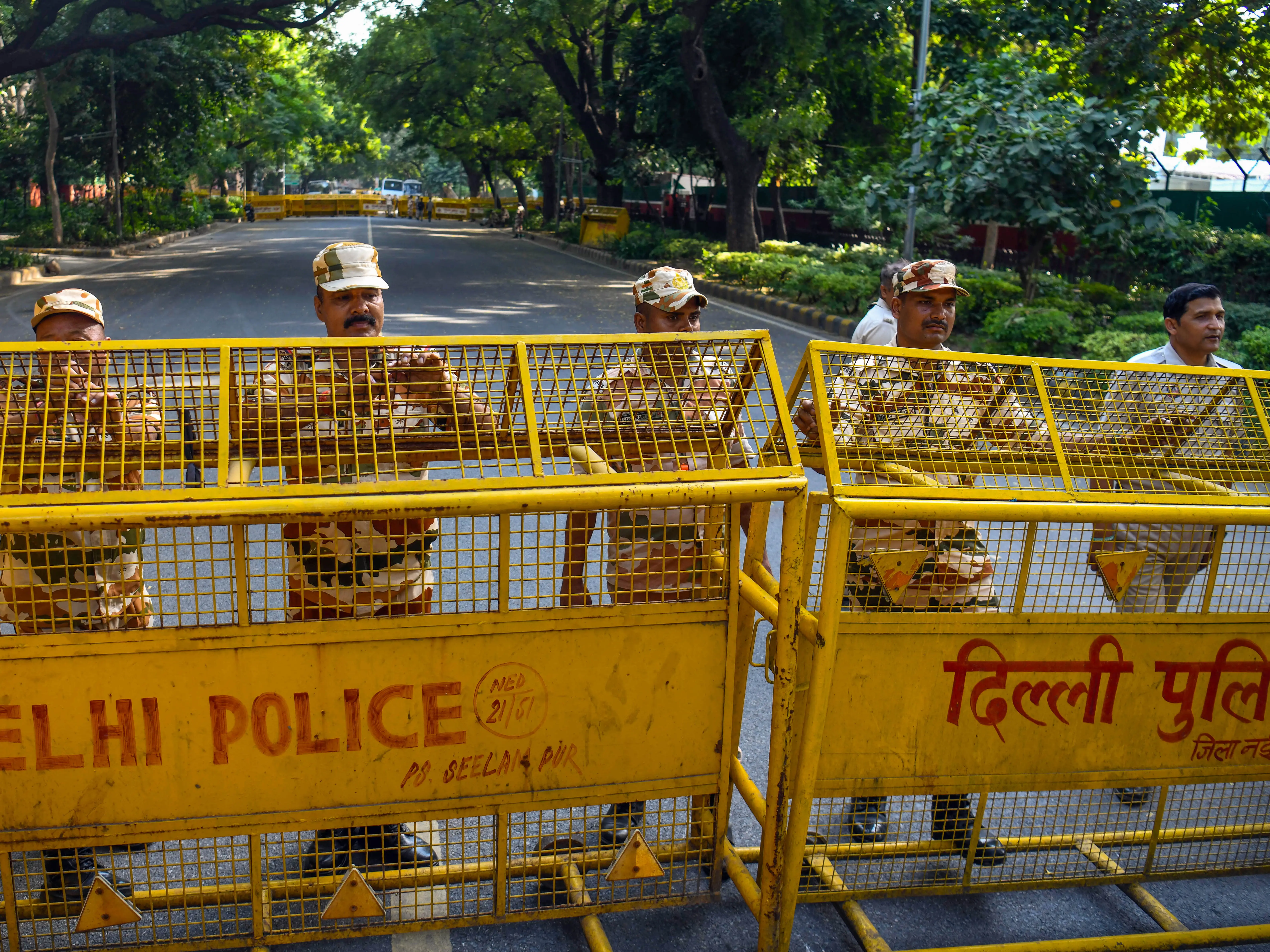
Delhi protest: Metro curbs, train cancellations, traffic diversions as protesters seek CEC Gyanesh Kumar’s resignation
&imwidth=180&imheight=135&format=webp&quality=medium)
‘Right to protest must be protected, but...’: Delhi Police reveals why it denied CJP permission for October 10 Jantar Mantar protest
&imwidth=180&imheight=135&format=webp&quality=medium)
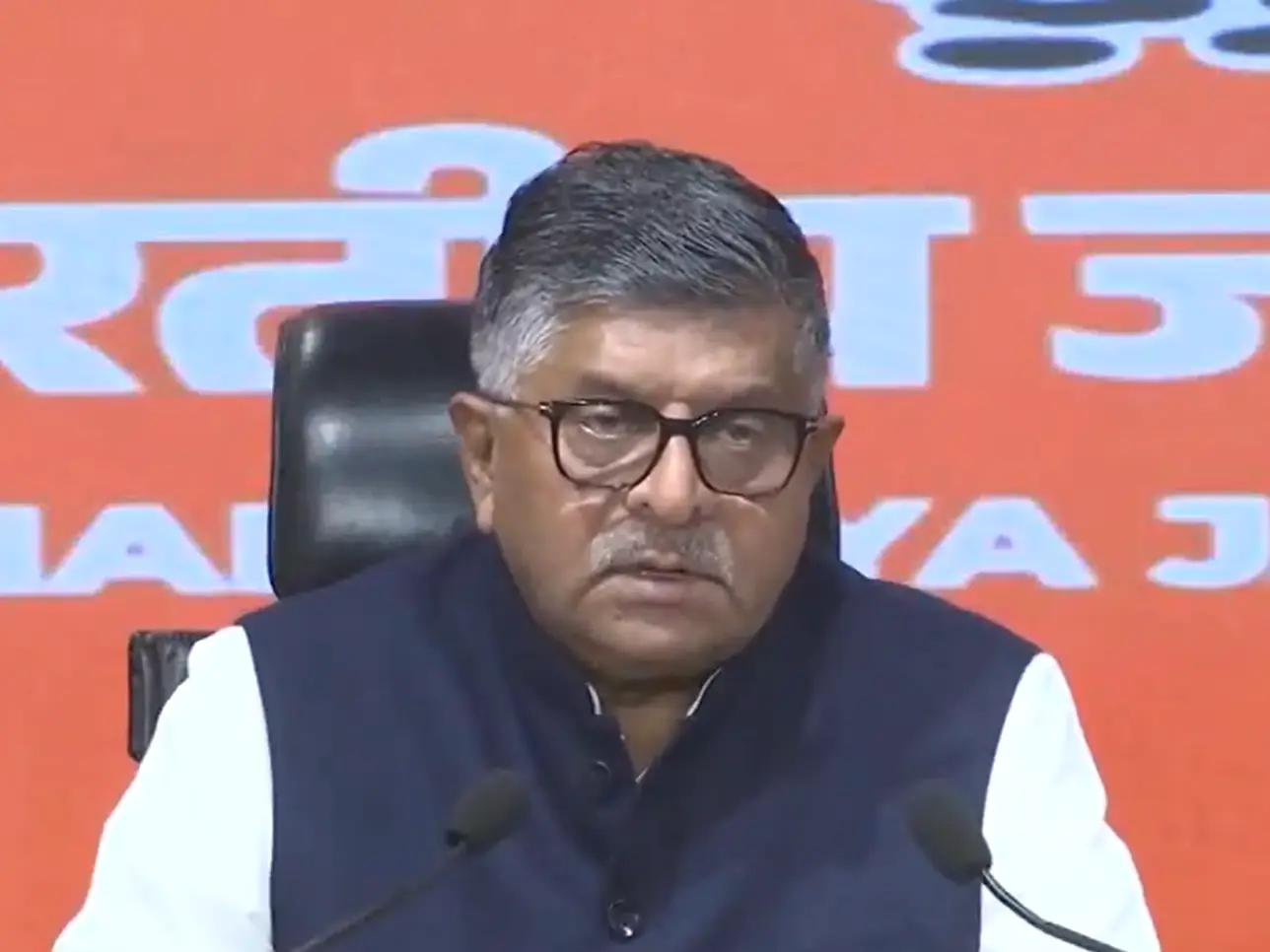
BJP MP Ravi Shankar Prasad slams CJP protests, calls it 'shadow boxing for AAP'
&imwidth=180&imheight=135&format=webp&quality=medium)
Delhi on high alert for CJP protest: Delhi police to use body cams to 'prove whether we did anything’; Pink Force, RAF, 35,000 personnel deployed
&imwidth=180&imheight=135&format=webp&quality=medium)
'Jantar Mantar not the story of India': BJP's Sambit Patra claims 'anarchists' tried to hold Delhi captive
&imwidth=180&imheight=135&format=webp&quality=medium)
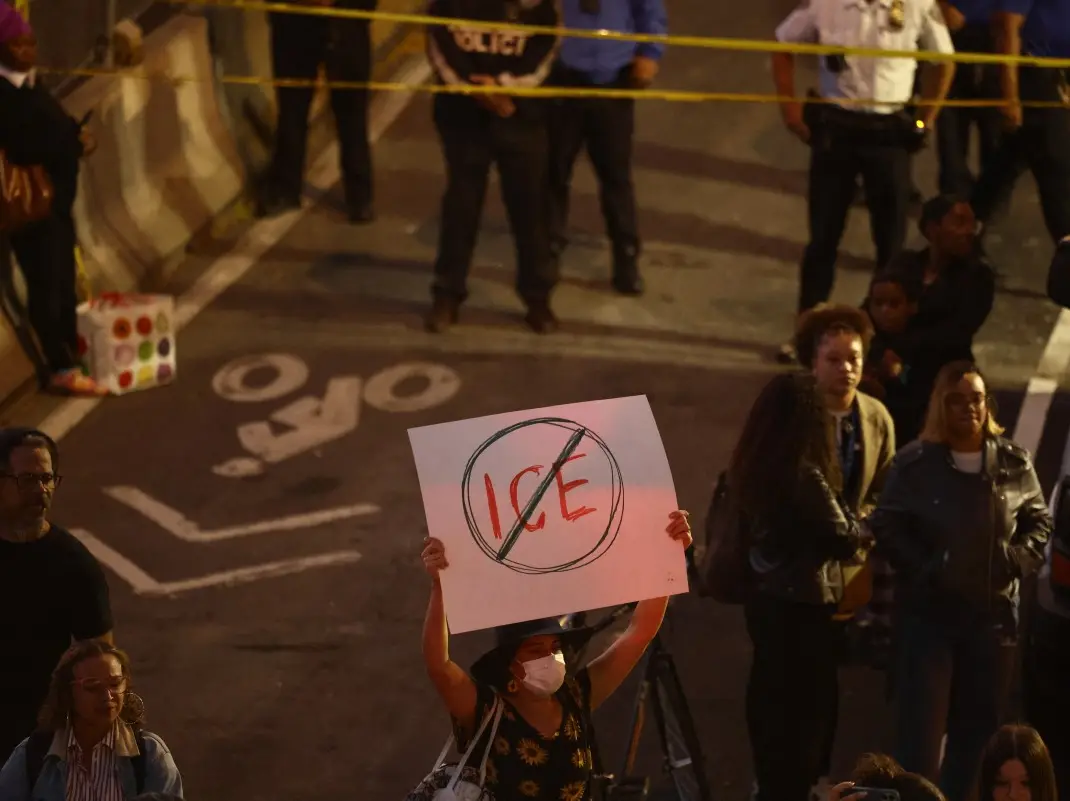
New York protests erupt as Trump administration defends ICE shooting
&imwidth=180&imheight=135&format=webp&quality=medium)
'Ouch!!! That must hurt': Kangana Ranaut hails Kamal Haasan's sharp reply to Elon Musk over Starlink row
&imwidth=180&imheight=135&format=webp&quality=medium)
UK navy hit by espionage scandal: Sailor accused of spying for Russia | Gravitas
&imwidth=180&imheight=135&format=webp&quality=medium)
‘250? Cool.’: Shai Hope takes swipe at Shubman Gill’s Instagram caption after Ranchi T20I masterclass
&imwidth=180&imheight=135&format=webp&quality=medium)
Why was CJP founder Abhijeet Dipke detained? What Delhi Police said
&imwidth=180&imheight=135&format=webp&quality=medium)
SC questions closure of 57 Delhi Metro stations, asks Centre to resume services in regulated manner
&im=FitAndFill=(700,400)&imwidth=180&imheight=135&format=webp&quality=medium)
Rakul Preet Singh birthday special: 7 times the Ramayana actress served glamorous looks
&imwidth=180&imheight=135&format=webp&quality=medium)
Trump announces Russian diesel deal as Zelensky criticises move
&imwidth=180&imheight=135&format=webp&quality=medium)
Dhurandhar: The Revenge album submitted for Grammy consideration; But what does it mean?
&imwidth=180&imheight=135&format=webp&quality=medium)
Panama president declares ‘major disaster’ after powerful 7.7-magnitude earthquake; over 80 aftershocks recorded
&imwidth=180&imheight=135&format=webp&quality=medium)
'I ended 8 wars': Trump slams Nobel Peace prize decision, claims award was his due
&imwidth=180&imheight=135&format=webp&quality=medium)
J&K Government orders major police reshuffle, transfers 100 officers across UT
&imwidth=180&imheight=135&format=webp&quality=medium)
'I am not going to be watching it': JD Vance on livestream of Nidal Hasan's firing squad execution
&imwidth=180&imheight=135&format=webp&quality=medium)
All 22 Indian seafarers safe in attack on Panama-flagged tanker off UAE coast
&imwidth=180&imheight=135&format=webp&quality=medium)
Ryan Reynolds’ private messages reveal his blunt views on Justin Baldoni from Blake Lively’s legal case
&imwidth=180&imheight=135&format=webp&quality=medium)
Powerful 7.7 magnitude earthquake strikes Panama, tsunami warning issued
&imwidth=180&imheight=135&format=webp&quality=medium)
Trump honours Microsoft CEO Satya Nadella with top technology honour amid immigration scrutiny
&im=FitAndFill=(700,400)&imwidth=180&imheight=135&format=webp&quality=medium)
Food shortages, suicide attempts and more: USS Abraham Lincoln returns to US after 321 day deployment — What happened aboard the US carrier?
&imwidth=180&imheight=135&format=webp&quality=medium)
Two-thirds of competitive GOP candidates split with trump ahead of November midterms
&imwidth=180&imheight=135&format=webp&quality=medium)
'Modi is a dictator': Abhijeet Dipke claims govt 'scared' of youth, slams stringent measures ahead of CJP Jantar Mantar protest
&imwidth=180&imheight=135&format=webp&quality=medium)
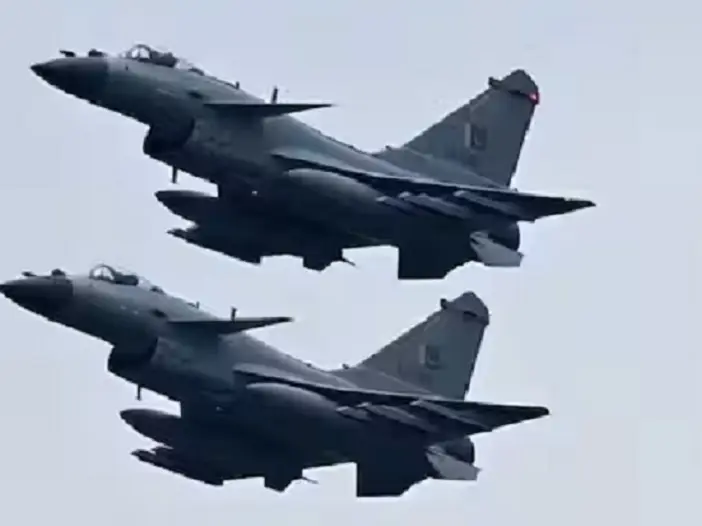
Pakistan denies reports of PAF jets being used in attacks against Iran-backed Houthis in Yemen
&imwidth=180&imheight=135&format=webp&quality=medium)
Rahul Gandhi calls Modi, Shah ‘cowards’ amid CJP protest crackdown in Delhi
&im=FitAndFill=(700,400)&imwidth=180&imheight=135&format=webp&quality=medium)
Happy Birthday Rekha: Watch these 7 evergreen Bollywood hits on Netflix, Prime Video and more
"We are not discriminating or isolating anyone," he said in his welcome speech, watched on by leaders including Turkish President Tayyip Erdogan, Iranian President Hassan Rouhani and Qatari Emir Sheikh Tamim bin Hamid Al-Thani.
"We are attempting to start small and if these ideas, proposals and solutions are acceptable and proved workable, then we hope to take it up to the larger platform for consideration."
Turkey's President Tayyip Erdogan struck a similar tone.
"We will have the opportunity to talk freely about our issues, from Islamophobia to terrorism, divisions, internal fights ravaging our region, and sectarian and ethnic conflicts,” Erdogan told thesummit.
TheOIChad said it was against the interests of the Islamic community to convene meetings outside theSaudi-based organisation, which has for decades acted as the collective voice of theMuslimworld.
Both Mahathir and Erdogan have been frustrated by theOIC's past record of hand-wringing and failure to take firm action in support ofMuslimcauses.
Without mentioning theOICby name, Erdogan said the biggest problem that platforms bringing the Islamic world together faced was a lack of implementation.
"If we still haven't made any progress regarding the Palestinian cause, if we still can't stop the exploitation of our resources, if we still can't say "stop" to the fragmentation of theMuslimworld over sectarianism, that's why.”
Some analysts also suspected thatSaudiArabia's reluctance to attend stemmed from the fear of being diplomatically isolated by regional rivals Iran, Qatar and Turkey, all of whom are attending thesummit.
Worried about taking sides, Pakistan's Prime Minister Imran Khan opted to stay away from the Kuala Lumpursummit.
Also Watch:Kuala Lumpur Summit & The Race For Supremacy In Muslim World
"Pakistan wants to become part of the solution and not part of the problem," Information Minister Firdous Ashiq Awan told reporters in Islamabad.