Liz Truss promises yacht worth £200m in her bid to become UK PM, royal family disapproves

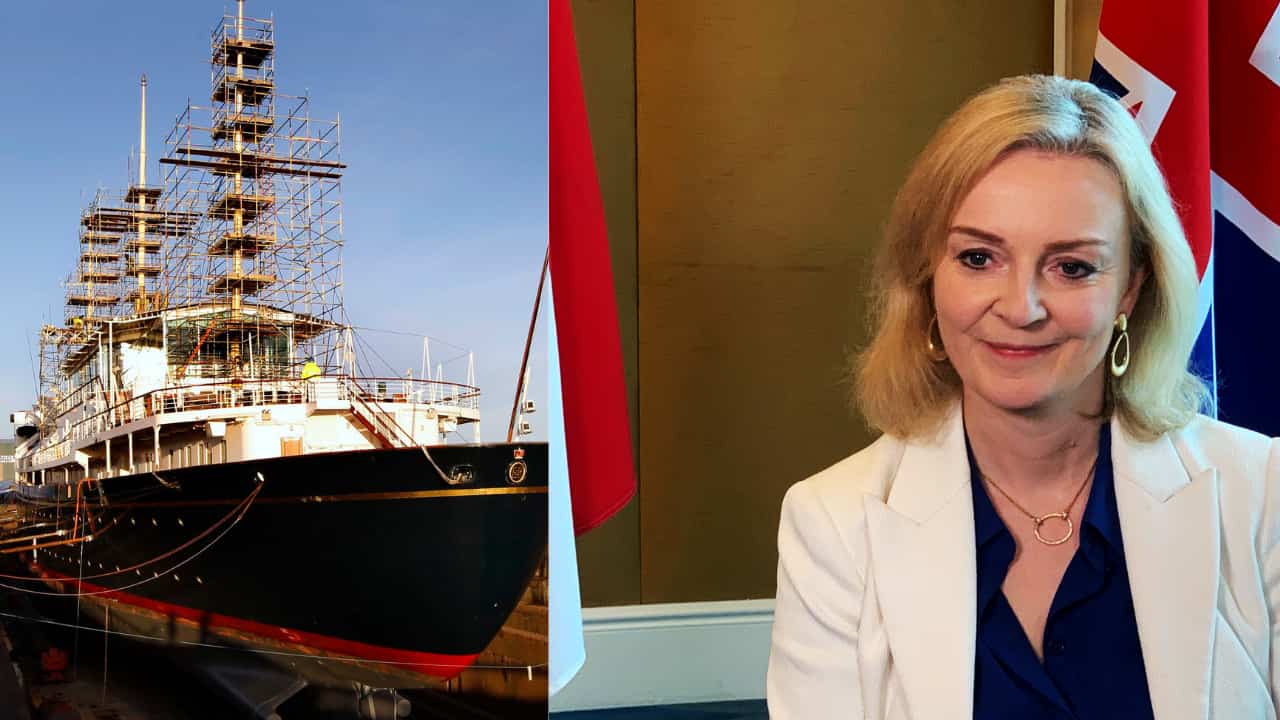
Liz Truss promises yacht worth £200m in her bid to become UK PM
Liz Truss tried to bolster her chances of becoming the next prime minister of Britain on Thursday by expressing backing for yet another national big ship as the nation recovered from the state of emergency temperatures and amid an increasing cost of living calamity. Nobody, not even the Queen, could have genuinely anticipated seeing another royal yacht in their lifetime. However, here we are 25 years later. The Royal Yacht Britannia is currently anchored next to the blue parking lot of the Ocean Terminal shopping centre in Leith, close to Edinburgh, and all of its clocks display the same time: 3:01 pm. On December 11, 1997, at that time, the Queen stepped off the ship for the final time. She was notably seen crying as the Royal Navy band played a farewell to the soon-to-be-mothballed vessel.
Why do some individuals get so aroused at the sight of a large British ship? Since 2016, when the newspaper and its then-columnist helped secure Brexit, The Daily Telegraph has been pushing for one. A new "national flagship" would be constructed, according to Johnson's announcement from last May, "representing the UK's increasing standing as a great, independent maritime trading nation." However, the Ministry of Defence is reluctant to foot the bill due to a £16 billion equipment budget backlog. Britannia was frequently used by the royal family and in approximately 1,000 state visits, but it was becoming more expensive to maintain, so Tony Blair decided not to recommission it in 1997. He later claimed that he regretted that choice.
Also Read:Sri Lankan crisis: Economy lessons India can learn

But today, it's unclear who actually wants a yacht. Not the general public; according to YouGov, only 29% of people supported it in 2017. Not the royal family, who deemed it "not something we have asked for" and voiced their displeasure over plans to name a new ship after the Duke of Edinburgh. Truss is aware, however, that talking about a yacht while claiming she wants to fund it privately "allows her to pledge support for the idea without it ever happening," as Sunder Katwala, director of the think tank British Future, put it, six weeks before Conservative members choose Britain's next prime minister.
(with inputs from agencies)
&im=FitAndFill=(700,400))
‘Italy will not...’: Meloni threatens Spain’s Schengen access after thousands enter Ceuta from Morocco
)
Delhi Consumer Court fines Indian Railways Rs 25,000 for making RAC passengers share one blanket
)
The Royals enter the Doctor Who universe: King Charles and Queen Camilla beam into Commonwealth Games in TARDIS
)
60,000 migrants from Morocco flood Spain's Ceuta, EU calls influx unacceptable, Trump warns US
)
Who is Ruchika Singh, booked for using foul language against PM Modi at Jantar Mantar protests?
)
'I was almost trafficked in Paris,' says Australian woman, shares terrifying ordeal - 'I am on the black market'
)
Spider-Man producer Amy Pascal reveals why she warned Tom Holland and Zendaya against dating
)
Lift accident? Maintenance, builders & makers are ALL liable now, rules Supreme Court: 3 major regulations | WION Decodes
)
India avoids higher US tariff, secures lower 10% rate. Here's how
)
Pakistan Broad Peak avalanche: Body of US's Mallory Geis identified; Nirmal Purja, 9 others remain missing
)
Pakistan avalanche: Nepali mountaineer Nirmal Purja confirmed dead
&im=FitAndFill=(700,400))
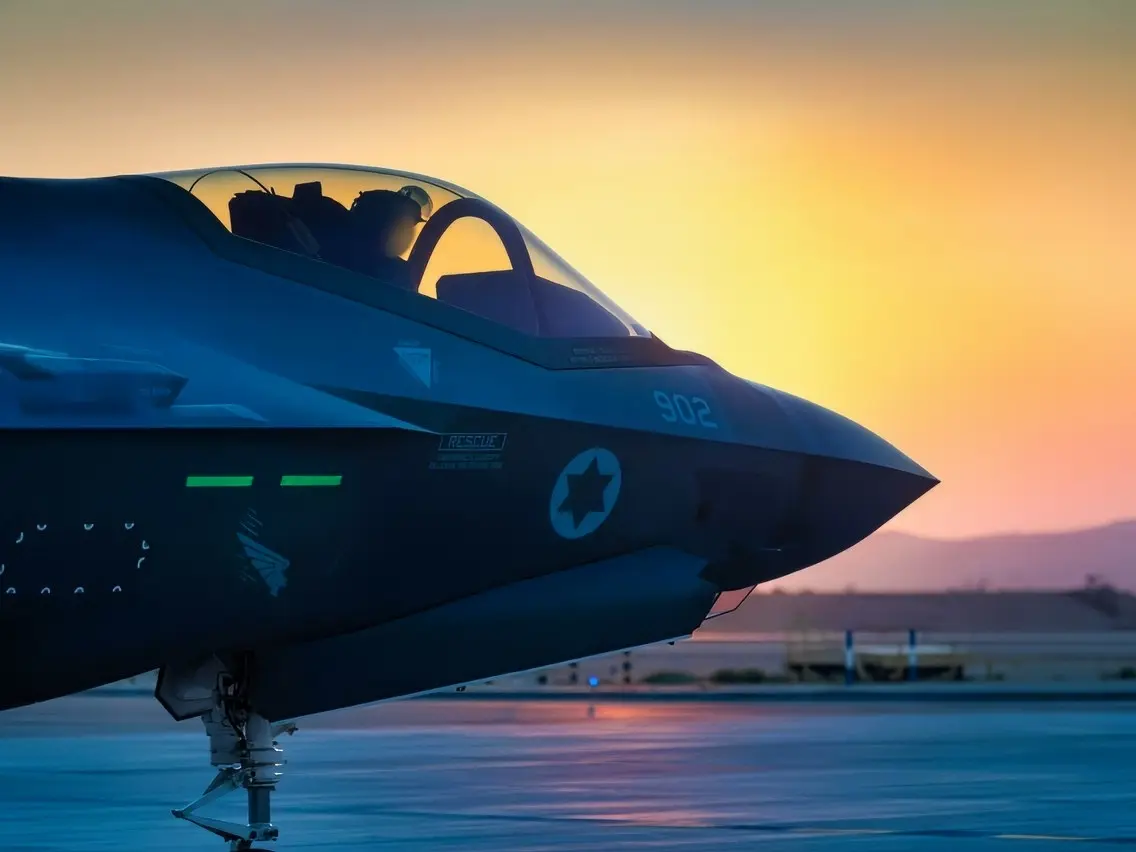
'Fifth-generation fighters': Can the S-400 shoot down an F-35?
)
NEET Protests riddled with misinformation? Delhi Police blocks 480 Pakistan-based handles spreading 'fake news' since Operation Sindoor
)
Hosts India sweep Malaysia for double gold in men’s and women’s Commonwealth Table Tennis finals
&im=FitAndFill=(700,400))
Meet top 5 openers with fastest ODI centuries, check who tops list
)
Russian e-retailer Ozon comes under Ukrainian drone attack amid Russia-Ukraine war
)
Pakistan avalanche: Four bodies found as search for Nirmal Purja and 9 other climbers enters critical phase
)
iPhone 18 Pro could be Apple's biggest price jump in years, says new leak
)
Trump says Iranian school bombing photos could be AI-generated - 'I don’t think...'
&im=FitAndFill=(700,400))
Meet top 5 batters in latest ICC ODI rankings 2026 - check who sits at the top
)
Shehzad Poonawalla, BJP's national spokesperson quits politics? Here's what sparked social media buzz
)
23ft python swallows man returning from party in Indonesia; family find body whole inside reptile
)
Arunachal CM Pema Khandu ranks India's 4th richest CM, wealthiest in Northeast: ADR report
)
"Am I Worthy?" Ranbir Kapoor addresses backlash over playing Lord Ram in Ramayana: Part 1
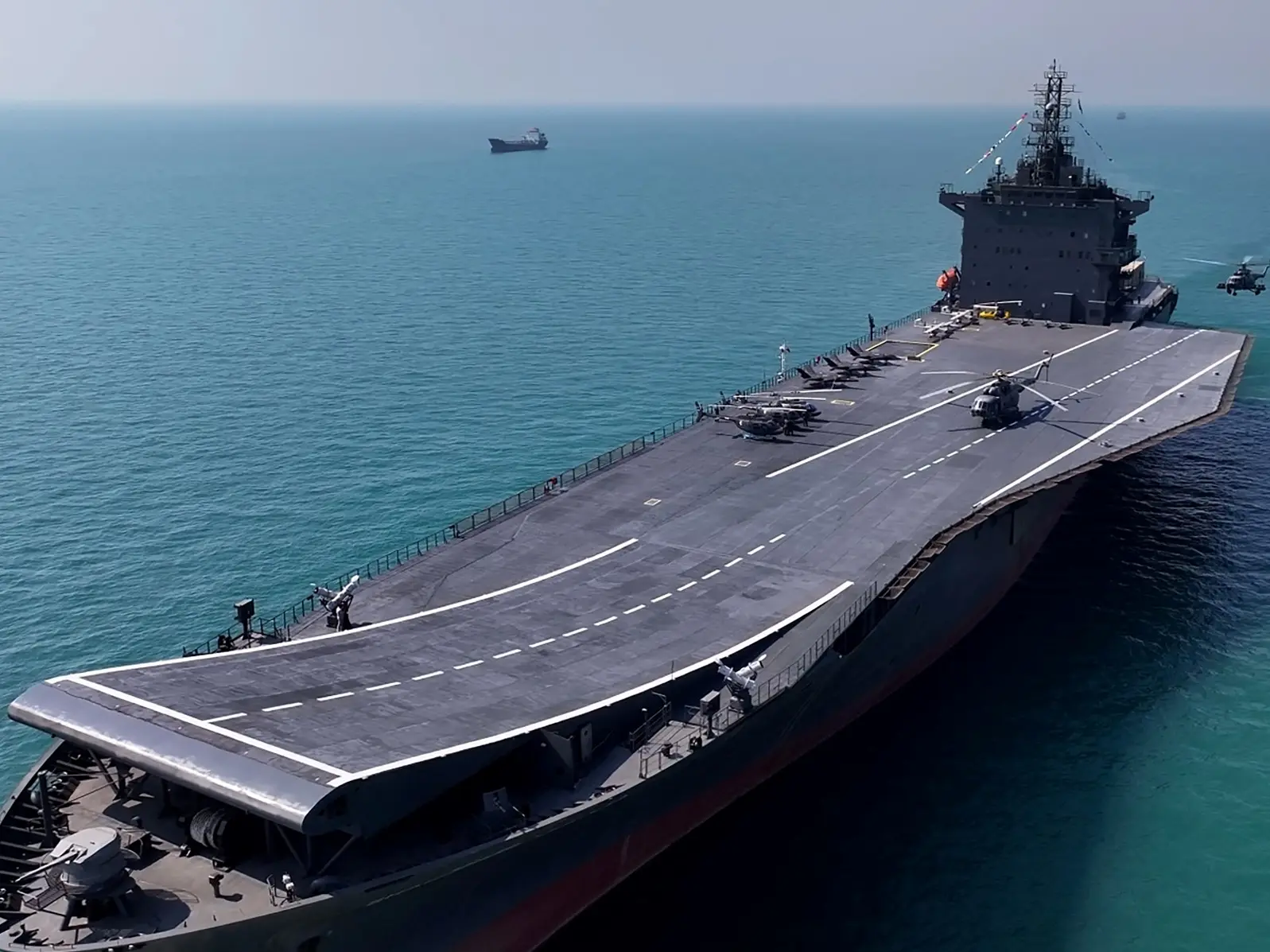)
US offers $15mn reward to dismantle alleged IRGC drone funding network
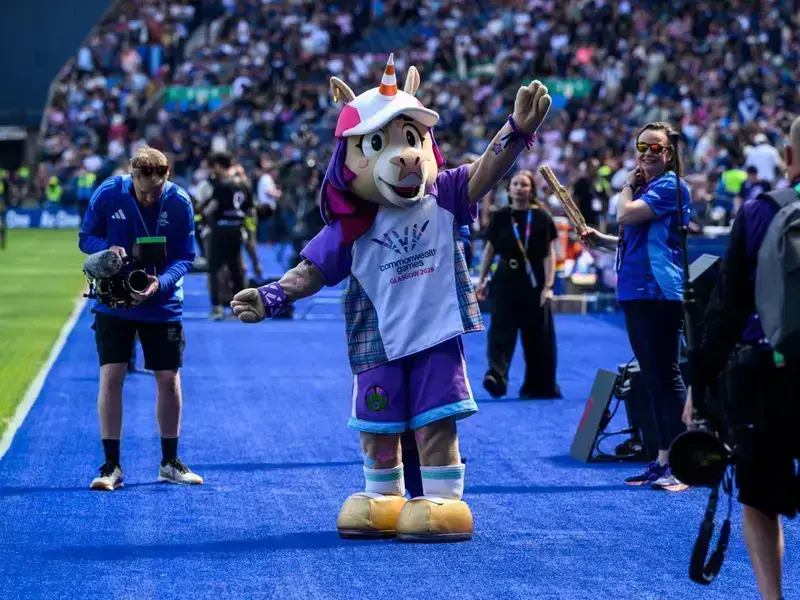)
Commonwealth Games 2026 Day 10: India's full schedule, medal events and match timings
)
Ariana Grande's Petal video fuels debate as fans voice concern over her appearance
)
Google Earth accidentally creates AI's next misinformation nightmare. 'Create image' feature rolled back over terrifying ques: What's real anymore?
)
Have 7,000 Karnataka students tested positive for HIV? Here's the truth
)
Indian forces used pellet guns on Jul 20? SC hearing, police diary entry, MLC report and injured protesters' claims
)
Buying Russian oil could cost India dearly? MEA breaks silence on US 100% tariff bill
&im=FitAndFill=(700,400))
New Friday OTT releases (July 31, 2026): The Vacation Principle, Rao Bahadur, Chum- Watch 6 new movies and TV shows on Netflix, Prime Video and more