Largest African community in China finds success, stigma in Chinese society

China-africans
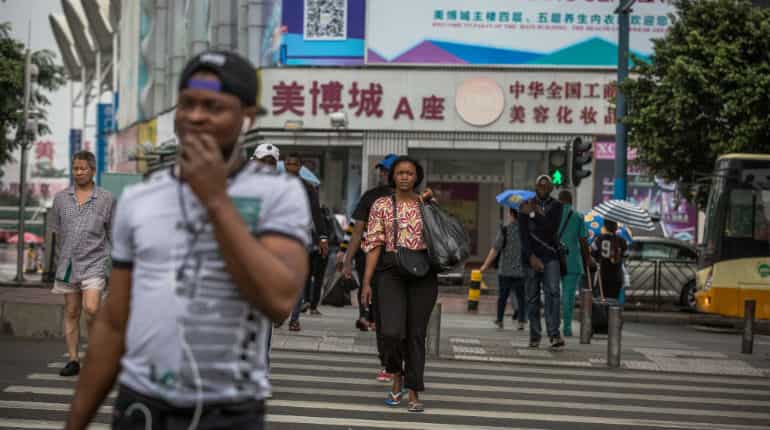
Since 2014, thousands of African migrants have begun to leave Little Africa after the Chinese government initiated a so-called 'beautification' of Dengfeng, imposed more restrictions on the African-populated area and deported those who, for example, overstayed their visas.
It started during the late 1990s, when thousands of African expatriates, most of them traders and business people, began to move to the southern Chinese city of Guangzhou in search of better lives.
Then in the 2000s, during economic boom times in China, the country's African population started rapidly growing, with settled African migrants building their own small businesses and creating the biggest African community in China, now known as 'Little Africa' or the 'promised land'.
The area stretches for about 7 kilometers from Dengfeng urban village, the heart of Guangzhou's Little Africa, to Sanyuanli area, a place full of wholesale markets where people can buy almost everything - from clothing to wigs and electronics.

On the streets and in the shops of Dengfeng it is common to hear Africans speaking Mandarin as it is required for communication with local Chinese customers.
Around half of the businesses in the area are owned and operated by Africans, with some establishments full of African shoppers.
It is hard to determine the exact number of African expats living in China nowadays. According to the book "Africans in China" by Professor Adams Bodomo, around 100,000 Africans had settled in Guangzhou by 2012. City border checkpoints recorded some 430,000 arrivals and exits by nationals from African countries in the first nine months of 2014.
)
Trump-Xi Summit: Trade, Taiwan and the red lines shaping US-China talks | Race To Power
)
US citizen injured in Illinois after ICE agents mistook him for fugitive, hospitalised
)
US judge questions Trump’s decision to ban CNN, MS NOW and Politico from White House
)
Afghan woman cyclist who disguised herself as a boy to escape Taliban, wins Asian Games medal
)
IIT Bombay CCTV footage emerges: Sahil Wakode seen looking at phone in examination hall
)
Cyclone Arnab: Landfall expected before midnight tomorrow as IMD issues orange alerts across six states
)
9 killed, several injured as tourist bus catches fire on Yamuna Expressway
)
NBA player Steven Adams shares hilarious GTA VI theory
)
WION Iconic Tourism Summit 2026: Union Minister Shekhawat on 'experiential travel', peace diplomacy
)
ICC plans T20I expansion and fewer ODIs in 2027–2031 FTP cycle: Report
)
'AI got into my speech': Prince Harry jokes after teleprompter failure at event in New York
)
WION Iconic Tourism Summit: Seychelles envoy says India partnership is important for Seychelles
)
Scientists detect first radio signals directly from faraway planet
)
China to test supersonic jet that moves at Mach 2, double the speed of sound
)
WION Iconic Tourism Summit: 'Hanuman Ansh' Director on blockbuster success
)
Open AI, Anthropic CEO urges caution over rapid AI development at UN Security Council, call for 'extreme care'
)
Bomb scare in New York amid UNGA: Suspicious suitcase found near UN headquarters
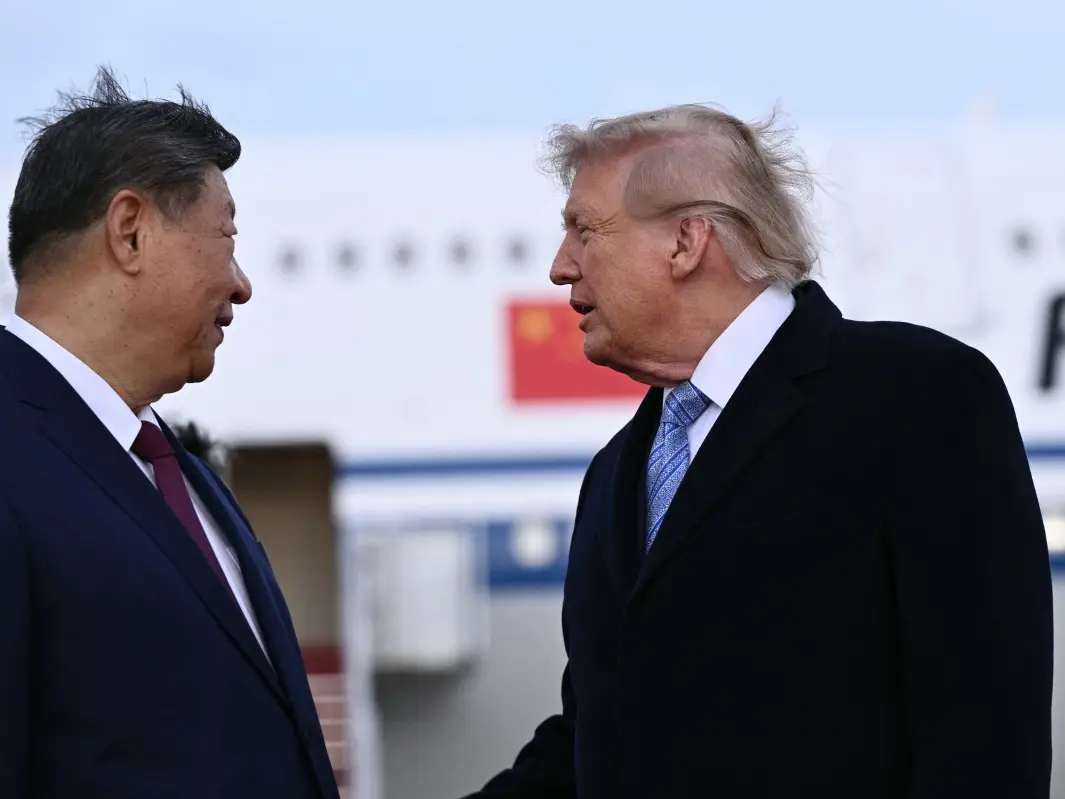)
Hours before Xi-Trump meeting, US announces visa curbs targeting birth tourism: What is it?
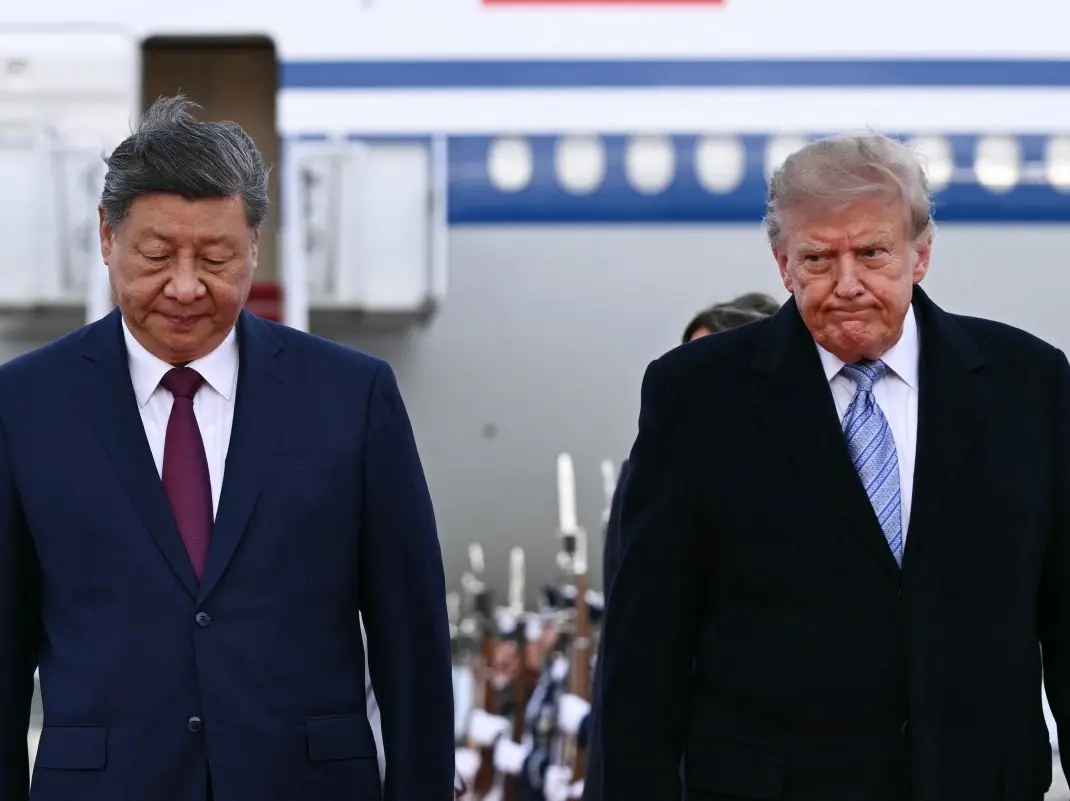)
'Partners rather than rivals': Xi Jinping's first message after landing in US for Trump summit
)
WION Iconic Tourism Summit: Is India's travel boom outrunning its airports, airlines and hotels?
)
WION Iconic Tourism Summit and Awards 2026: Key voices to discuss India’s tourism future
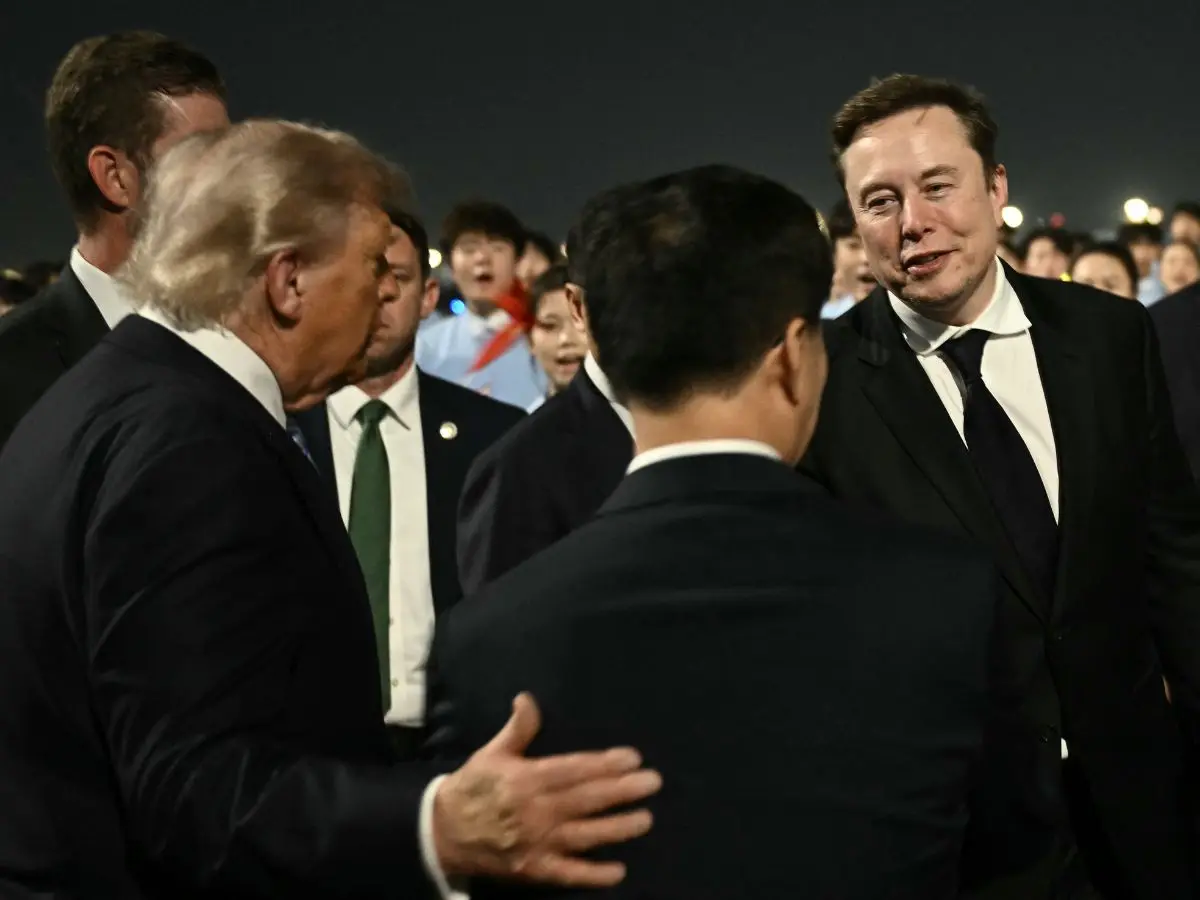)
Trump-Xi state dinner 2026: Who is invited? Full guest list of tech CEOs, business leaders and officials
)
American manufacturing is reshoring faster than its factory floors can absorb
&im=FitAndFill=(700,400))
New OTT releases this week (September 21-27, 2026): Shaque: Trust No One, Hunkkaar, Don’t Be Shy- 5 new titles coming to Netflix, Prime Video and more
)
WATCH | China President Xi Jinping lands in US as Trump greets him ahead of high-stakes summit
)
Australian PM Anthony Albanese calls OpenAI AI incident 'unacceptable' after restricted data access
)
'What kind of confession is this?': Pakistan PM Shehbaz Sharif’s 'terrorists would be roaming New York' remark goes viral, raises alarm online. Watch
)
WION Iconic Tourism Summit: How local tourism MSMEs must upskill for AI integration
)
Pilot recreates Mona Lisa in sky over Oklahoma and Arkansas in four-hour flight: VIDEO
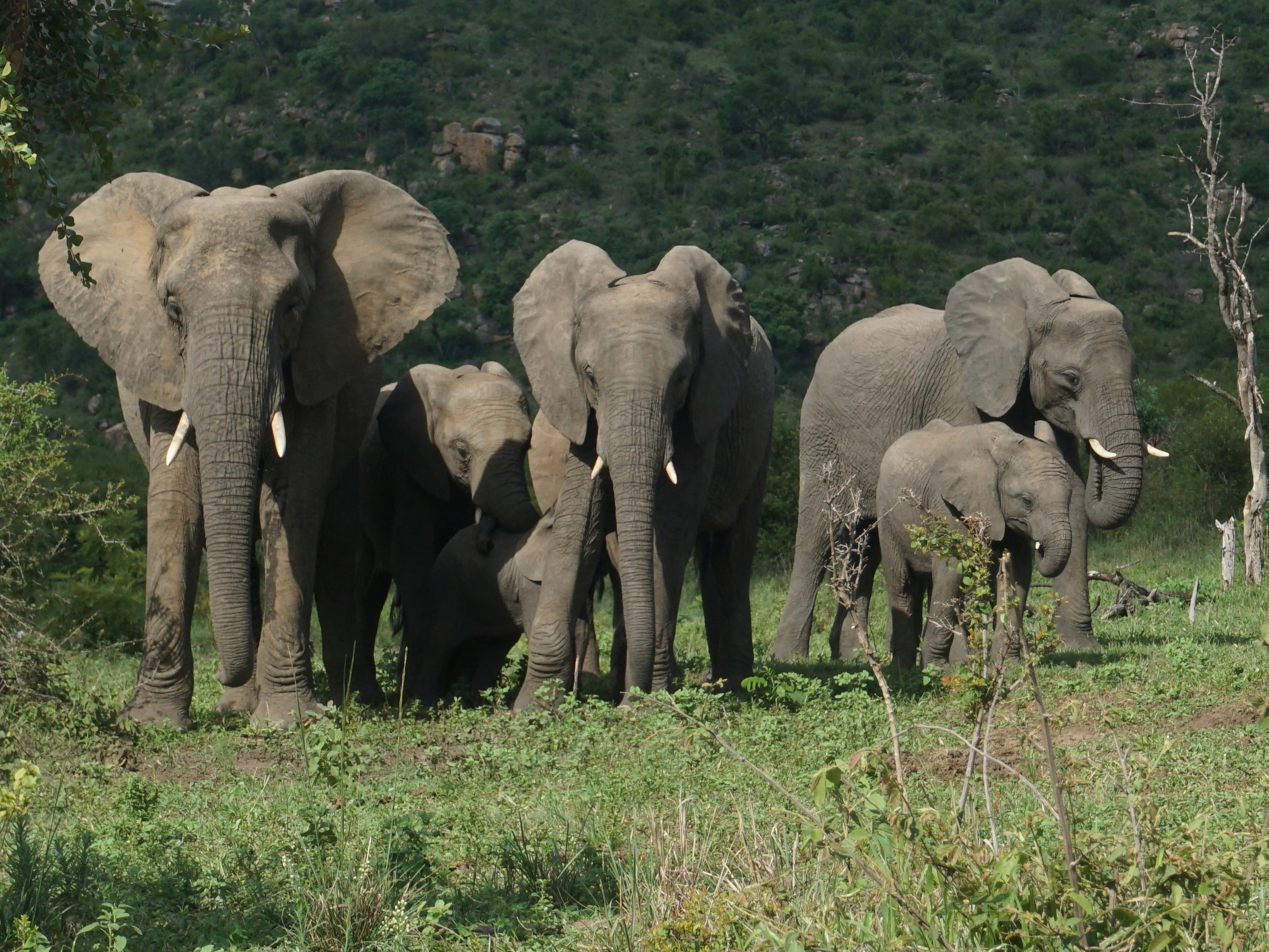)
Elephants hide behind trees, stage surprise attack on poachers targeting rhinos in South Africa
)
'Putin is patient zero': Zelensky slams Russian president at UNGA, accuses him of using fighters from 47 countries
&im=FitAndFill=(700,400))
National Film Awards 2026: Kartik Aaryan, Mammootty, Yami Gautam, Randeep Hooda and other key winners
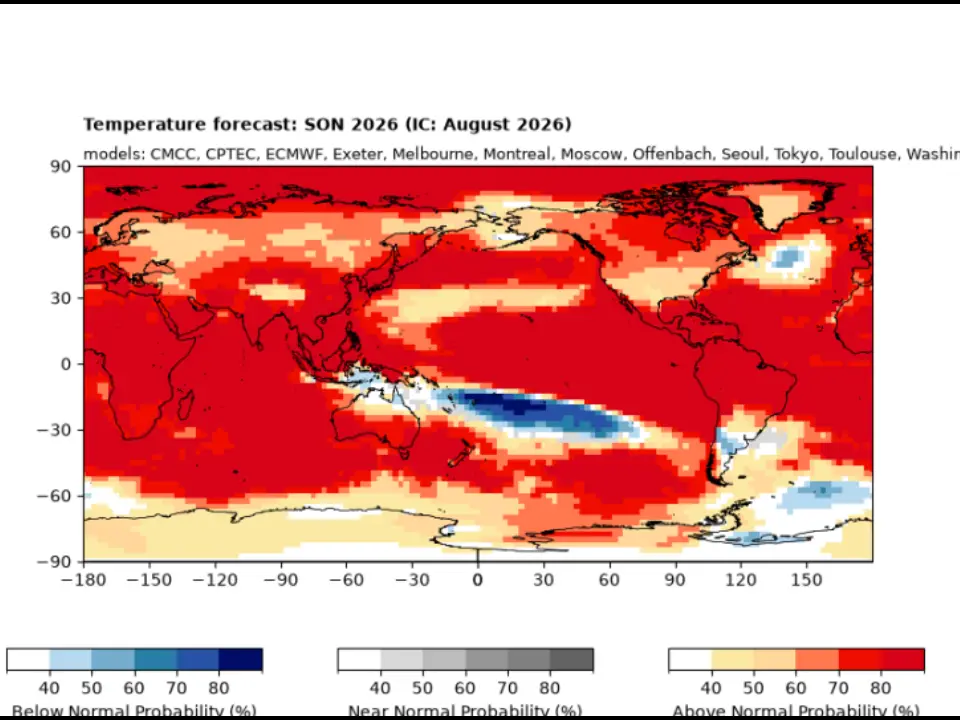)
El Niño 2026 heats up to become strongest in 1,000 years
)
Israeli envoy to US Yechiel Leiter’s son critically injured in West Bank ramming attack
&im=FitAndFill=(700,400))
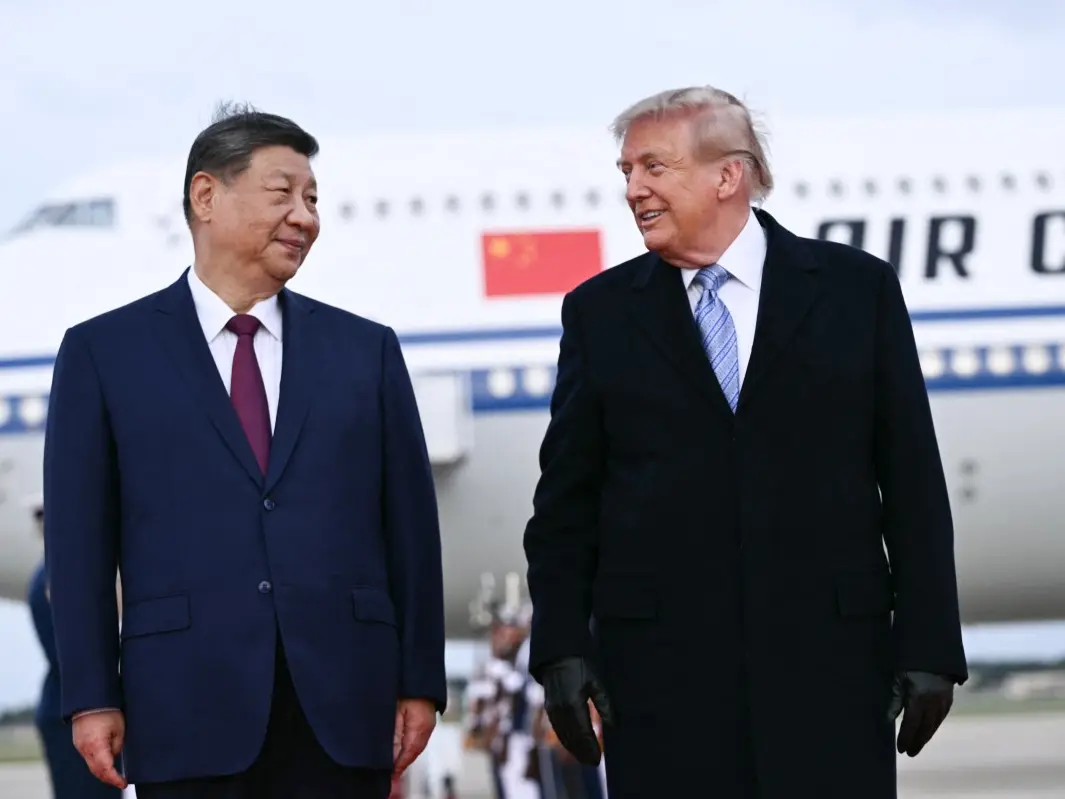
Trump welcomes Xi Jinping in rare airport gesture: Photos from Chinese President's arrival in US
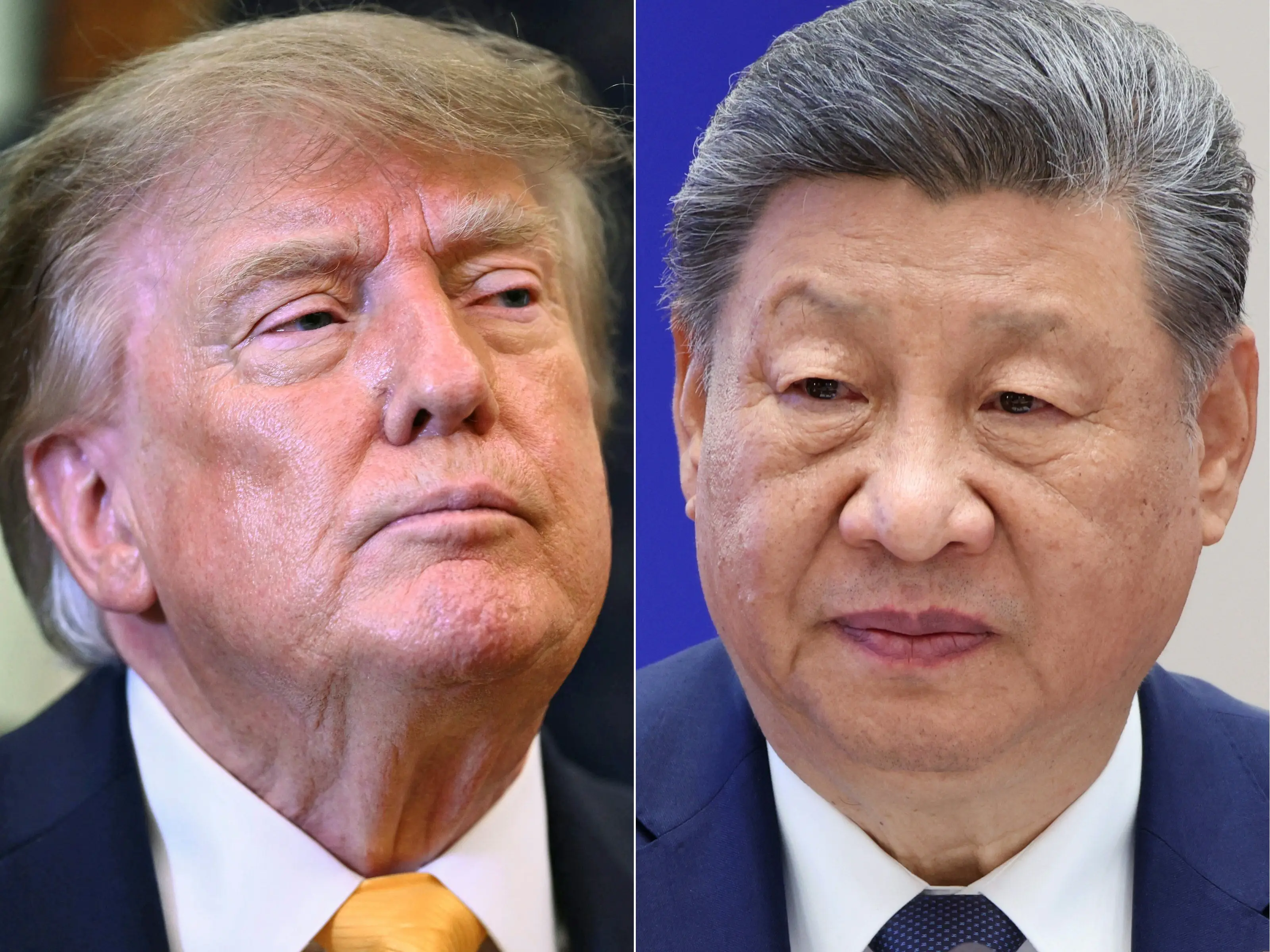)
Xi-Trump meeting: China’s human rights red line and past protests explained
But since 2014, thousands of African migrants have begun to leave Little Africa after the Chinese government initiated a so-called 'beautification' of Dengfeng, imposed more restrictions on the African-populated area and deported those who, for example, overstayed their visas.
By February 2017, according to a Guangzhou police official, there were around 10,000 Africans officially registered in the city. It is however, likely that the number of Africans living in Guangzhou is higher than the official figures suggest.
Other reasons more African expats are leaving Guangzhou include China's slowing economy compared to a decade ago, and unfavorable exchange rates.
But the African community in Guangzhou has also been experiencing various social challenges: many Chinese people are reluctant to share space with African migrants.
Some Africans who spoke to epa said the Chinese will do business with them but racism against the African community means developing friendships is difficult.
And so, despite living numerous years in Guangzhou, many expatriates are disappointed to discover that they are still not accepted by Chinese society.
Despite the social barriers, many Africans have experienced success in their businesses, including Alush, a fashion model from Chad who spoke with epa in a gym where he was lifting weights.
Alush said he's happy living in Guangzhou and is glad that he has found success as a model, though he plans to leave China someday.
Several Africans told epa that the tougher economic environment of Dengfeng compared to previous years could see them move to India or other Asian countries next.
While many Africans still come to Guangzhou in search of their own 'Chinese dream' of a better life, the multitude of challenges facing the biggest African community in China leaves the future of Little Africa fraught with uncertainty.
(All the rights of the contents (text, photo, video, multimedia products and others) included in the services supplied to the user in this test are EFE-EPA property and shall be reproduced under EFE-EPA @copyright. Contents shall be reproduced only in the terms agreed with EFE and by no mean can those be redistributed, transferred or traded. User shall be held responsible for the alteration or misuse of the contents and products included in EFE-EPA services. User is compelled to follow the national law and will be the only responsible for the use or misuse of the contents provided by EFE-EPA.)