Japanese Supreme Court deems sterilisation as precondition for sex-change unconstitutional


Court
Japan's Supreme Court has said that a law that requires transgender people in the country to undergo sterilisation before gender-change surgery is unconstitutional, reported Nikkei newspaper.
The strilisation requirement was previously denounced by several international organisations including the European court of human rights saying that such a condition was discriminatory and infringed upon human rights.
The Japanese Supreme Court's grand bench consisting 15 justices deemed the condition to sterilise unconstitutional. The court had ruled in 2019 that the requirement was constitutional.

Although the latest decision was welcomed by rights groups, the judges' decision to ask a lower court to deliberate on a separate clause has led to disappointment. This clause requires that genitals of the people who want to change gender resemble those of the gender they wish to change into.
“This decision was very unexpected and I’m very surprised,” The Guardian quoted the unnamed plaintiff who it said was a transgender woman under the age of 50.
Human Rights Watch (HRW) said that the government must now follow up.
)
Trump-Xi Summit: Trade, Taiwan and the red lines shaping US-China talks | Race To Power
)
US citizen injured in Illinois after ICE agents mistook him for fugitive, hospitalised
)
US judge questions Trump’s decision to ban CNN, MS NOW and Politico from White House
)
Afghan woman cyclist who disguised herself as a boy to escape Taliban, wins Asian Games medal
)
'There will be elections': Venezuela's interim leader Delcy Rodriguez makes big announcement at UN
)
IIT Bombay CCTV footage emerges: Sahil Wakode seen looking at phone in examination hall
)
Cyclone Arnab: Landfall expected before midnight tomorrow as IMD issues orange alerts across six states
)
9 killed, several injured as tourist bus catches fire on Yamuna Expressway
)
NBA player Steven Adams shares hilarious GTA VI theory
)
WION Iconic Tourism Summit 2026: Union Minister Shekhawat on 'experiential travel', peace diplomacy
)
ICC plans T20I expansion and fewer ODIs in 2027–2031 FTP cycle: Report
)
'AI got into my speech': Prince Harry jokes after teleprompter failure at event in New York
)
Scientists detect first radio signals directly from faraway planet
)
China to test supersonic jet that moves at Mach 2, double the speed of sound
)
WION Iconic Tourism Summit: 'Hanuman Ansh' Director on blockbuster success
)
Open AI, Anthropic CEO urges caution over rapid AI development at UN Security Council, call for 'extreme care'
)
Bomb scare in New York amid UNGA: Suspicious suitcase found near UN headquarters
)
Hours before Xi-Trump meeting, US announces visa curbs targeting birth tourism: What is it?
)
'Partners rather than rivals': Xi Jinping's first message after landing in US for Trump summit
)
WION Iconic Tourism Summit: Is India's travel boom outrunning its airports, airlines and hotels?
)
WION Iconic Tourism Summit and Awards 2026: Key voices to discuss India’s tourism future
&im=FitAndFill=(700,400))
New OTT releases this week (September 21-27, 2026): Shaque: Trust No One, Hunkkaar, Don’t Be Shy- 5 new titles coming to Netflix, Prime Video and more
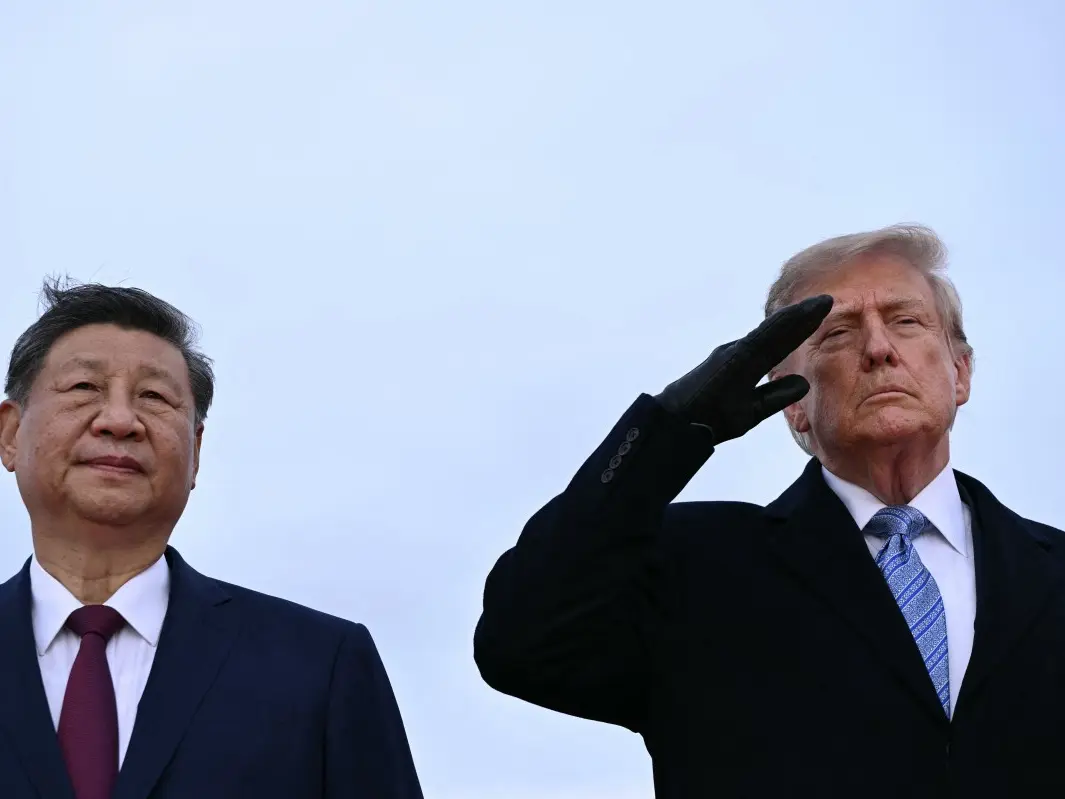)
WATCH | China President Xi Jinping lands in US as Trump greets him ahead of high-stakes summit
)
Australian PM Anthony Albanese calls OpenAI AI incident 'unacceptable' after restricted data access
)
'What kind of confession is this?': Pakistan PM Shehbaz Sharif’s 'terrorists would be roaming New York' remark goes viral, raises alarm online. Watch
)
WION Iconic Tourism Summit: How local tourism MSMEs must upskill for AI integration
)
Eight USS Abraham Lincoln sailors attempted suicide, Acting Navy Secretary says
)
Pilot recreates Mona Lisa in sky over Oklahoma and Arkansas in four-hour flight: VIDEO
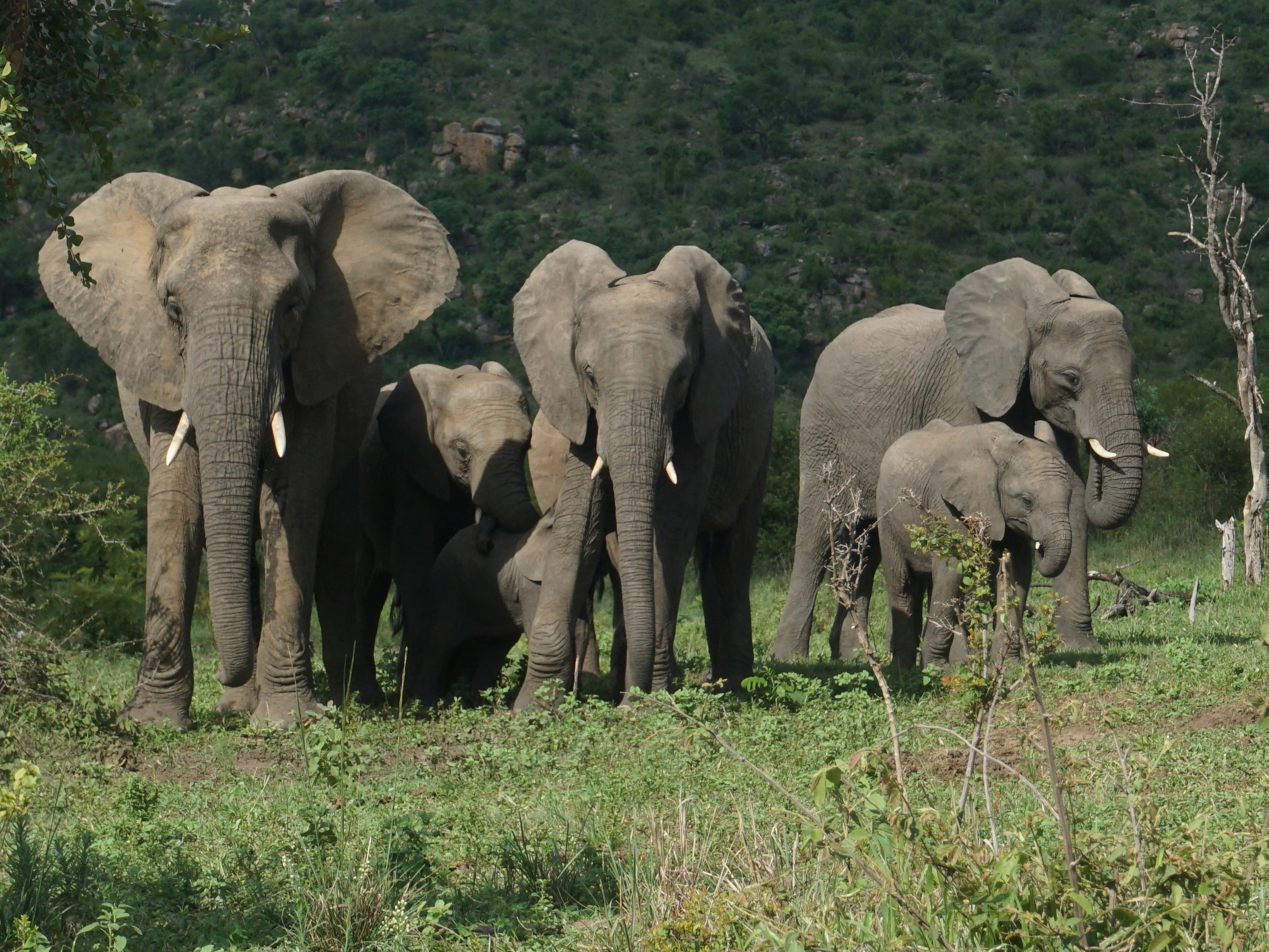)
Elephants hide behind trees, stage surprise attack on poachers targeting rhinos in South Africa
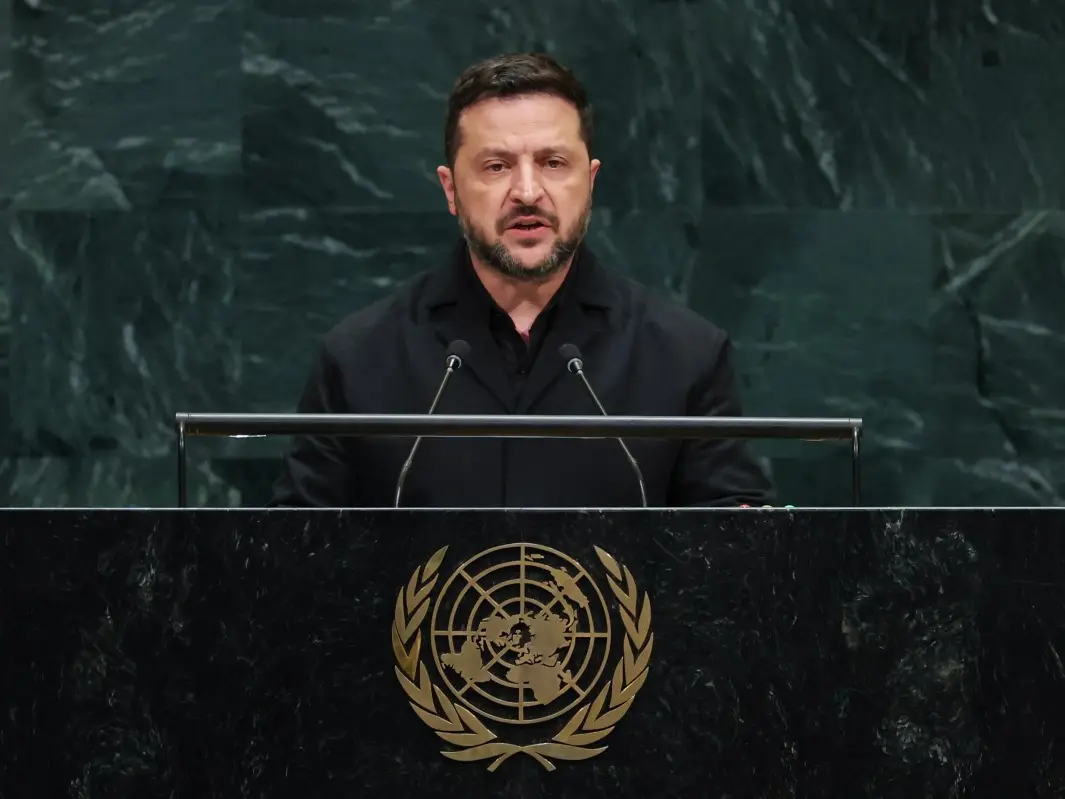)
'Putin is patient zero': Zelensky slams Russian president at UNGA, accuses him of using fighters from 47 countries
&im=FitAndFill=(700,400))
National Film Awards 2026: Kartik Aaryan, Mammootty, Yami Gautam, Randeep Hooda and other key winners
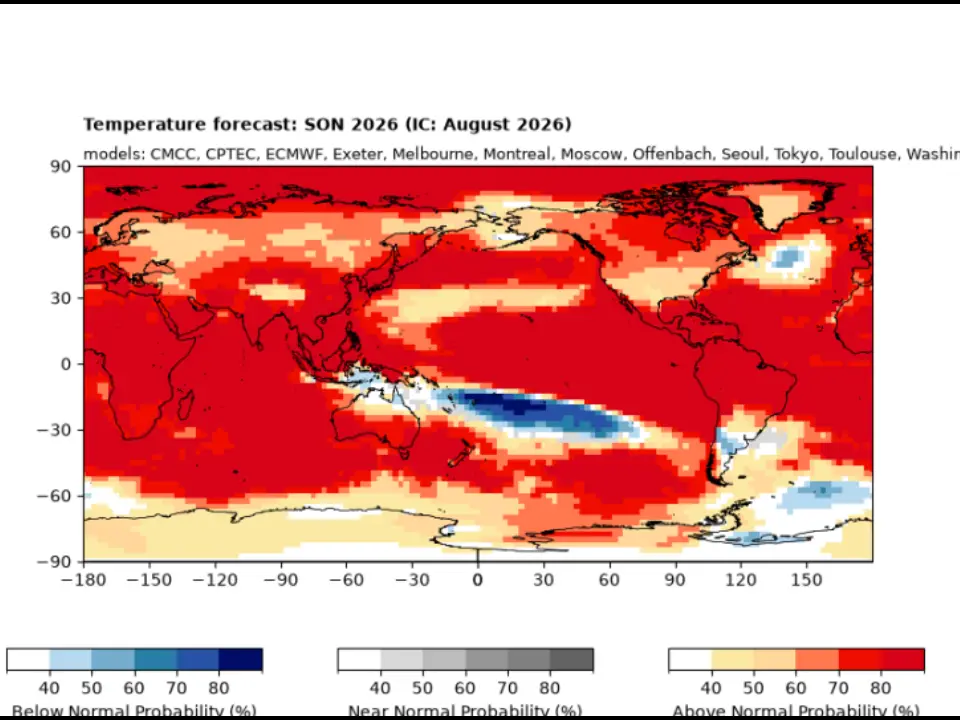)
El Niño 2026 heats up to become strongest in 1,000 years
)
Israeli envoy to US Yechiel Leiter’s son critically injured in West Bank ramming attack
&im=FitAndFill=(700,400))
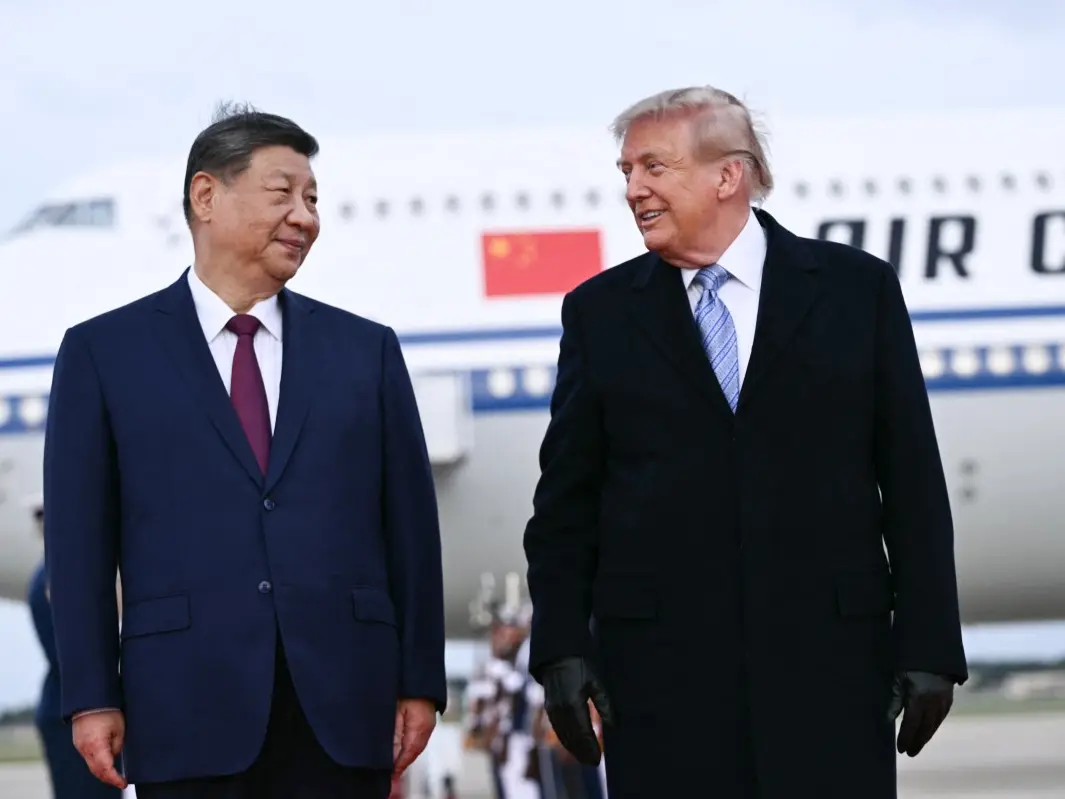
Trump welcomes Xi Jinping in rare airport gesture: Photos from Chinese President's arrival in US
)
Xi-Trump meeting: China’s human rights red line and past protests explained
“The government is under the obligation to make any laws constitutional so the government now needs to act quickly to remove the clause,” said Kanae Doi, director of HRW in Japan.
The law in Japan mandates that people wishing to undergo sex-change should present diagnosis of gender dysphoria and in addition meet five requirements.
These are,
-Being at least 18 years old.
-Being unmarried
-Not having children who are underage.
-Having genitals that resemble those of the opposite gender.
-Not having reproduction glands or having ones which have lost function permanently.
The lawyers for the plaintiff said that the last two requirement were violative of the plaintiff's constitutional right of pursuit of happiness and living without discrimination.
Transgender rights have remained a controversial issue in Japan.