
&imwidth=800&imheight=600&format=webp&quality=medium "Italy’s Mount Etna erupts, spews ash and lava, tourists panic and flee. Watch dramatic visuals")
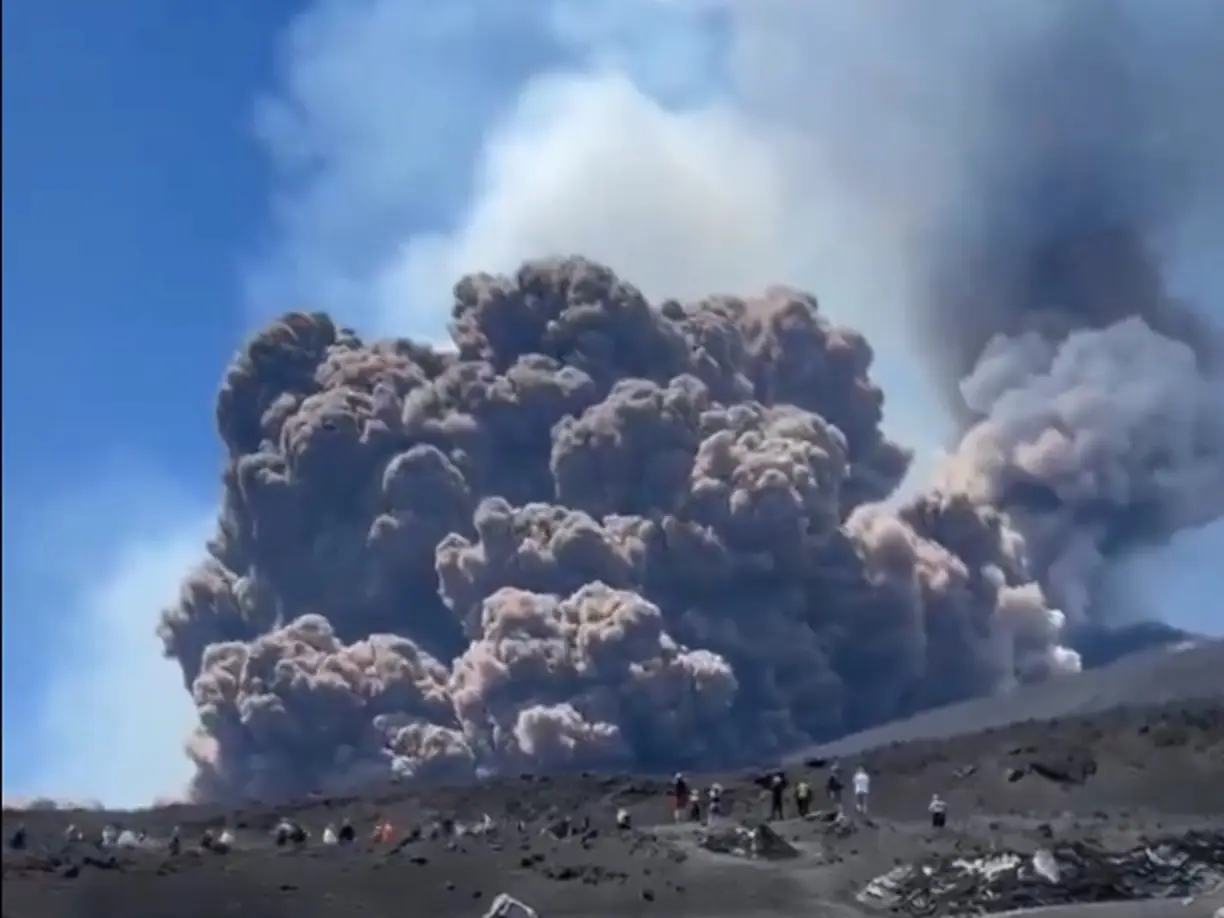
Italy’s Mount Etna, one of the most active volcanoes in the world, erupted dramatically on Monday, sending thick plumes of ash and rock ‘several kilometres high’ in the air and streams of molten lava down its slopes.
The sudden, high-intensity eruption triggered panic among tourists at the site, and crowds soon started rushing downhill to escape any tragedy.
The owner of a tour company said that there were around 40 visitors at the site when the Sicilian volcano erupted, said a CNN report.

The volcano, located on the Italian island of Sicily, is a popular tourist destination and is visited by approximately 1.5 million people every year. It is one of the world’s most active volcanoes, but no eruption of the magnitude seen on Monday had occurred since 2014, according to the National Institute of Geophysics and Volcanology Observatory.
The eruption that began overnight produced explosions audible as far as 40-50 km away in the areas of Taormina and Catania, CNN reported. Videos on social media showed the sky covered in plumes of smoke and ash high into the air.
The Italian observatory said a “partial collapse” was observed on the northern flank of the volcano’s southeast crater.
Trending Stories
)
No Pandya as Auqib Nabi earns maiden ODI call-up; Mayank returns for WI T20Is| check full squads
)
FBI Director Kash Patel grilled over change of hiring rules on bestiality
)
Sydney Sweeney defends provocative ad choice, the internet is still not impressed
)
War will be ‘completely different and very short’ if Europe attacks Russia, warns Lavrov
)
Shahzad Bhatti Network declared terrorist organisation under UAPA: Govt order
)
US, China dominate global economy: Where does India rank among the world's biggest economies?
)
Finnish president Stubb calls Trump 'good for NATO' as allies increase defense expenditure
)
Bigg Boss 20: Mahhi Vij reveals she lost Yuva role to Kareena Kapoor; 'didn’t work out in my favour'
)
Alex Saab, ally of Venezuela's Maduro, pleads guilty in US corruption case
)
Lionel Messi for 2026 Ballon d’Or over Mbappe and Yamal, says Diego Simeone
)
Indonesia wildfires: Over 12.5 million people exposed to poison haze
)
Who was Eliana Moreno? NBC LA aerial reporter killed in Chatsworth crash
)
Trump backs PM Modi’s anti-opium push even as India remains on US illicit drug-producing list
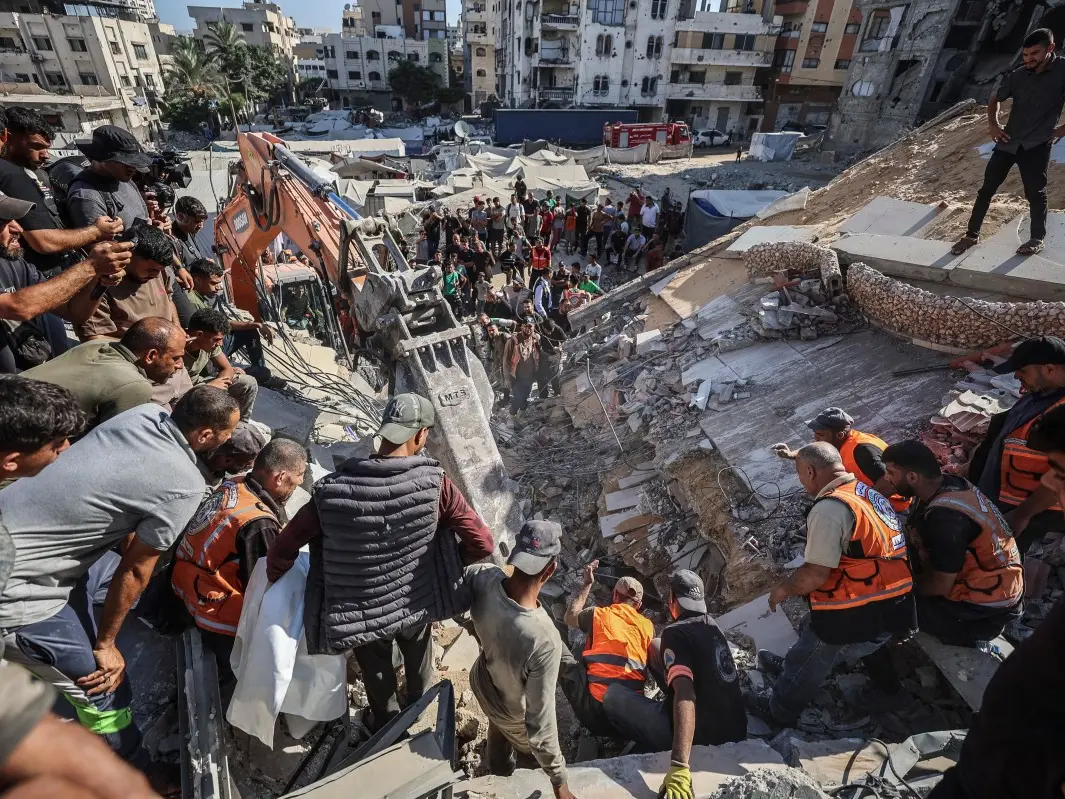)
At least 20 killed after war-damaged apartment building collapses in Gaza; rescuers search for survivors
)
Pakistan naval vessel returns to harbour with 'severe damage' after collision with Indian warship in Arabian Sea
)
Fed raises rates for first time in 3 years, Kevin Warsh defies Trump as inflation mounts
)
What is Article 10 of the 1991 treaty at the centre of Pakistan Navy's 'unprofessional conduct'
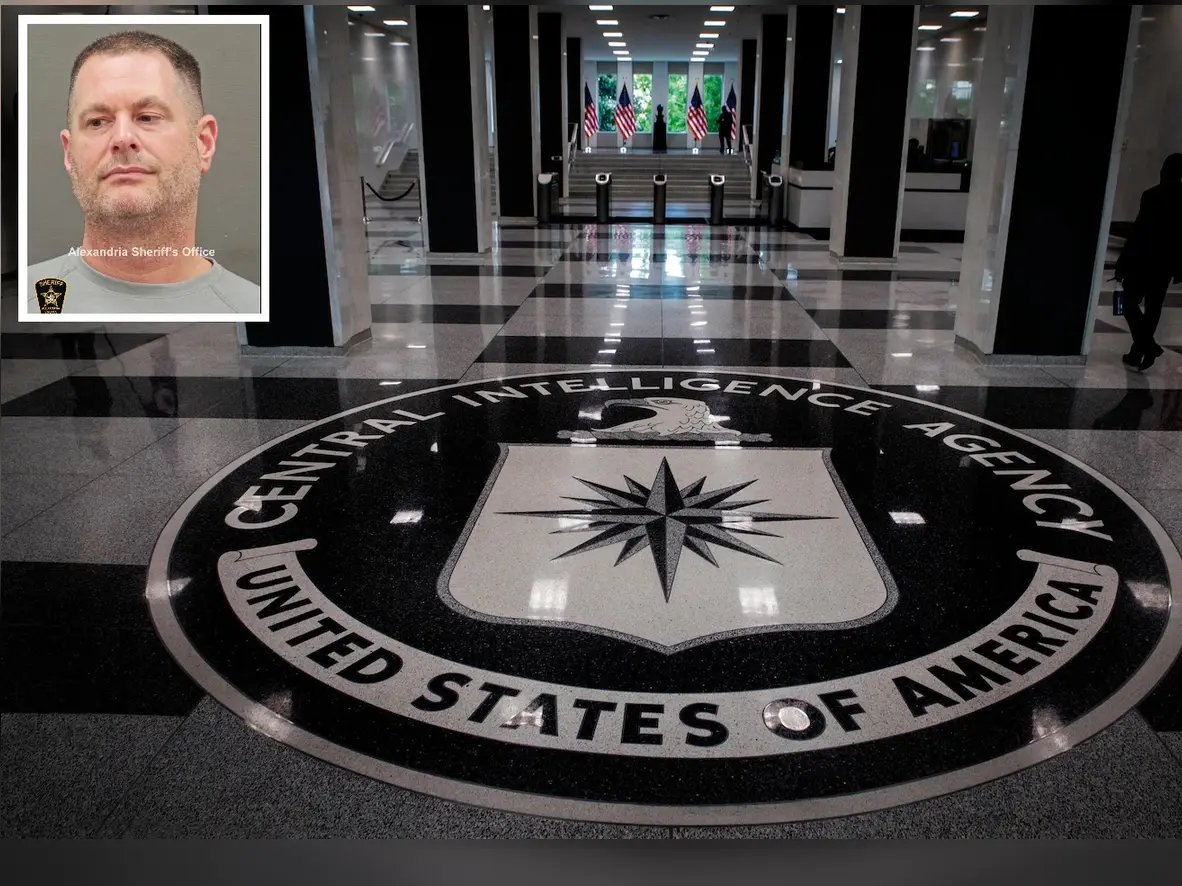)
Ex-CIA officer caught with gold bars worth $40 million seeks plea deal | Gravitas
)
Daayra movie review: Kareena Kapoor, Prithviraj Sukumaran shine in Meghna Gulzar’s cop-versus-cop crime thriller
)
Gurugram biker hit-and-run case: Accused Kalyan Bainsla, cousin sent to 2-day police custody
)
Pakistan: Imran Khan's sons Kasim & Sulaiman claim their father is 'tortured' in jail
)
Trump's Iran war faces fresh House rebuke; 7 Republicans join Democrats in push to end conflict ahead of midterms
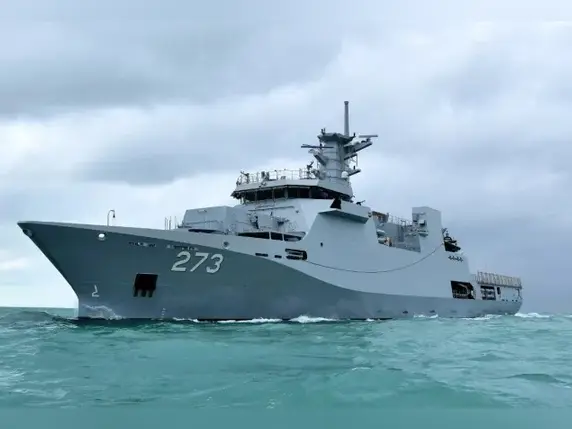)
PNS Hunain: All you need to know about Pakistani vessel that hit Indian Navy warship
&im=FitAndFill=(700,400))
New OTT releases this week (September 14-20, 2026): Lust Stories 3, Waiting Hai, Irumudi- 5 new titles coming on Netflix, Prime Video and more
)
‘There’s no Pak-China boundary’: India rejects ‘so-called’ boundary joint commission, tells Islamabad to stop ‘theatrics’
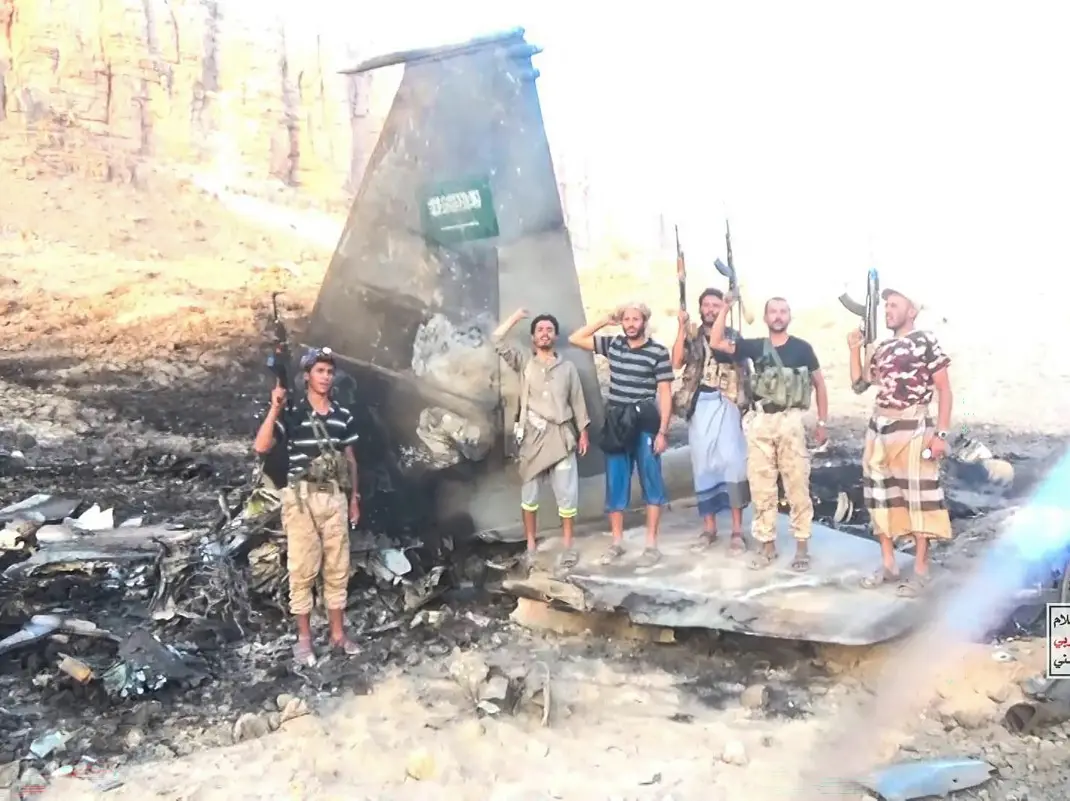)
Riyadh warns of ‘red line’ after Mecca targeted; Houthis claim downing Saudi fighter jet – What’s happening?
&im=FitAndFill=(700,400))
Suriya and Jyothika say ‘I do’ again after 20 years! See their dreamy wedding pics
)
Abhishek Sharma rises to No. 2 in T20Is; ENG’s Robinson 3rd after record Pakistan Tests
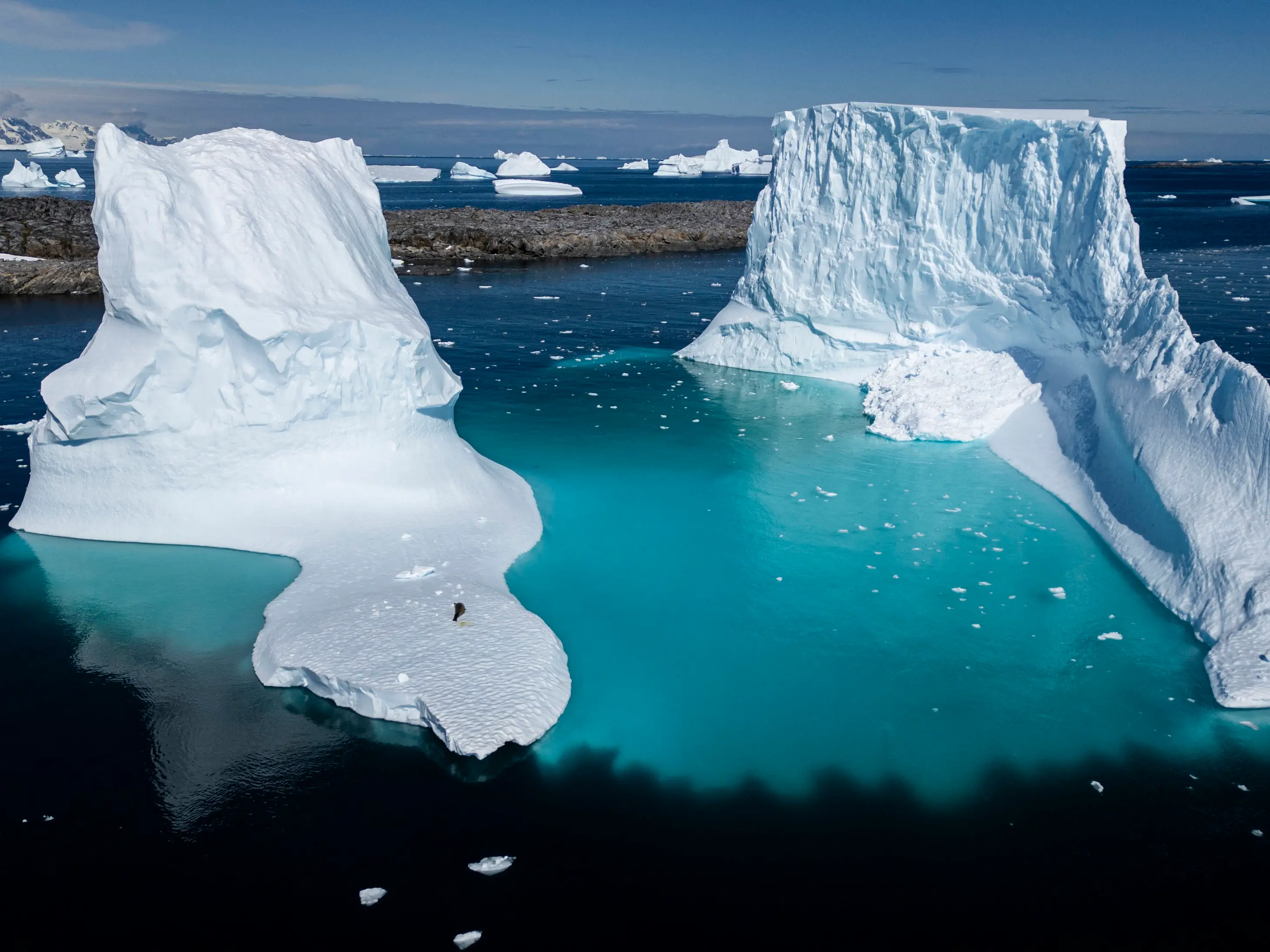)
Extreme warming in Indian Ocean added 695 billion tons of ice to Antarctica ice sheet
)
BRICS success stuns White House, Trump targets India with 100% tariff | Gravitas
)
Meghan Markle's phone number leaked from children's WhatsApp group, couple switches Archie and Lilibet's school
)
The Early Spring season 2 is happening, but fans have one request - 'don't change the actors'
It defined the volcanic activity as a “pyroclastic eruption, resulting in a significant increase in volcanic tremor and the formation of an eruptive column containing a lethal mixture of high-temperature gases, lava grains, volcanic ash, and rock fragments of various sizes that rapidly descends down the slopes of the volcano”.
No casualties were reported in the area despite the intensity of the eruption. Officials said evacuation orders were not needed, and life continued undisturbed in the nearby towns, which are well accustomed to frequent eruptions.
The Sicilian Civil Protection agency issued a Volcanic Observatory Notice for Aviation (VONA), which implies that all flights must avoid the area.
Mount Etna is considered the most active volcano in Europe and the most active stratovolcano globally. A stratovolcano is a cone-shaped volcano featuring a central crater and is built up over thousands of years by successive layers of lava from repeated eruptions.
Videos from the site soon went viral on social media showing visitors scrambling down the paths as a massive cloud of ash loomed in the sky.
Experts described the blasts as “strombolian” in nature—short, explosive bursts that hurled ash and fragments into the air.
The Volcanic Ash Advisory Centre in Toulouse, one of nine centres worldwide to monitor aviation risks, warned that the volcanic ash plume had reached an altitude of around 6,400 metres.

