Italy bans lab-grown 'frankenstein' meat citing health concerns and need to safeguard livestock industry

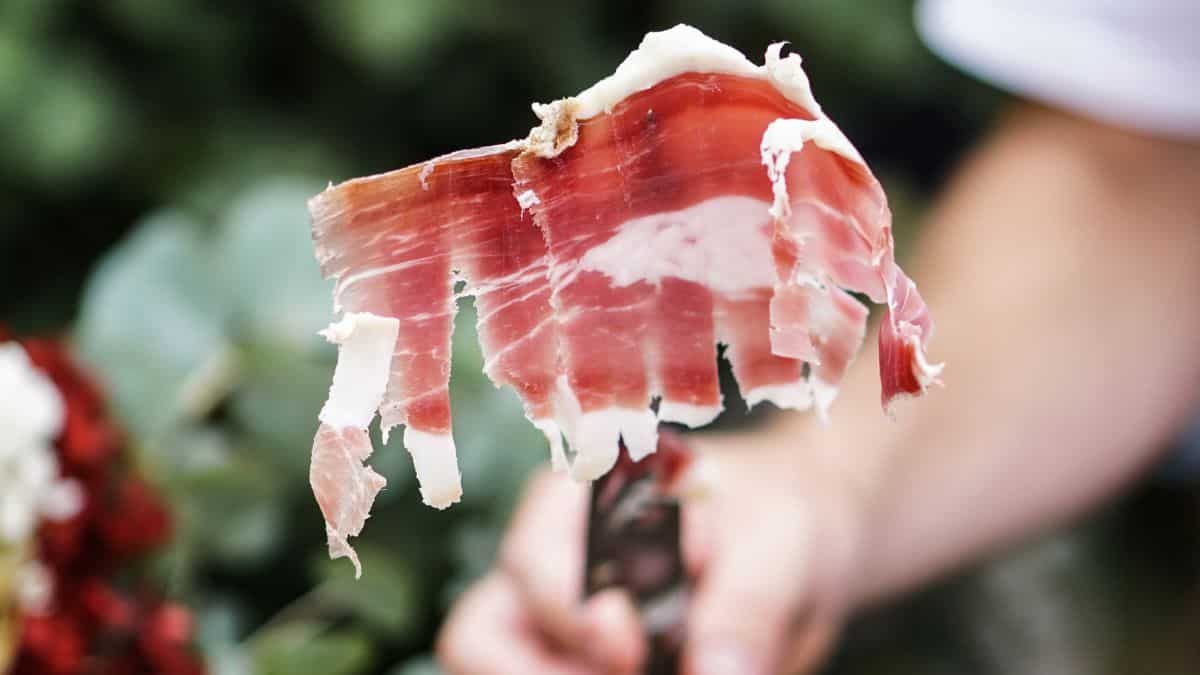
lab-grown meat
Italy on Thursday became the first European Union nation to ban the production and sale of lab-grown meat. Citing health concerns and a need to safeguard its livestock industry, Italy's lower house approved the ban.
What is banned?
The nation has banned the so-called cultivated meatthat is grown in labs using animal tissue cells.

It also places a ban on the use of labels that describe plant-based protein as meat. As per AFP, every violation of this ban can chalk up fines ranging from 10,000 to 60,000 euros ($10,900-$65,000).
Also read |'Revolutionary': Scientists have developed two promising medications for 'bad' cholesterol
The law received a green light from Italy's senate earlier. The law says it seeks to "protect the national livestock heritage" while recognising its cultural, socio-economic and environmental value.
It also seeks to ensure "a high level of protection of human health", while protecting the interests of consumers and their right to information about what they are eating.
Cultivate meat andItaly
Italy's main agricultural lobby Coldiretti calls lab-grown meat 'Frankenstein' meat. On Thursday, the organisation said the law represents "a commitment to defend the Mediterranean diet".
Italy's Agriculture Minister, Francesco Lollobrigida, said that cultivated meat "interrupts the virtuous relationship between land, man and work that for millennia has accompanied us and allowed us to maintain the land".
Also read |Rare! Researchers find 70-million-year old dinosaur species that slept like modern-day birds
However, an Italian non-profit, The International Organisation for the Protection of Animals criticises the law, calling it pointless.
"This ban is completely useless today since cultured meat has not yet been approved for human consumption in Europe and therefore cannot be marketed."
EU and lab-grown meat
The European Union, as per AFP,considers lab-grown meat a 'novel food' which means that any new product will be subject to authorisation from the bloc. If the bloc approves cultivated meat, Italy cannot ban it.
As of now, the meat is not allowed to be sold in the EU. However, companies in the US have been raising money for research into the new science.
(With inputs from agencies)

