&imwidth=800&imheight=600&format=webp&quality=medium "Who is helping Iran's enemies? Dissidents, exiles, monarchists, Marxists and resistance groups within opposed to the regime, listed")
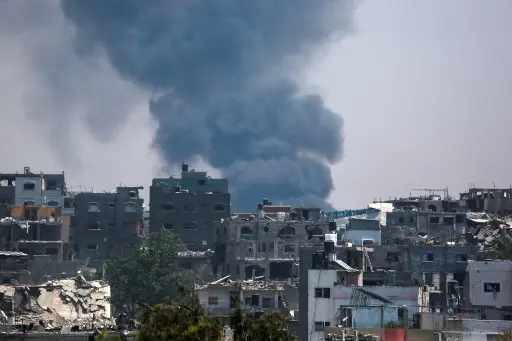
Israel's ongoing war on Iran had a curious element: Many of the attacks were actually launched from inside Iranian territory. And the intelligence agency Mossad was able to pinpoint the location of several leaders, including military chiefs whom the Israeli Defence Forces killed. This is only possible with insider information, and a network of spies in Iran and abroad. Iranian dissidents and exiles allegedly provide much of the information. There is a vast network of Iranians opposed to the Islamic Republic regime. Many of them live within Iran. Others are part of the vast Iranian diaspora population, estimated to number up to 8 million, and living in many Western countries, including the US and Europe.
Many of the Iranian diaspora members are exiles who fled the country in the wake of the Islamic Revolution of 1979 that led to the fall of the monarchy led by the Pahlavi dynasty's Shahs.
Some of them formed groups abroad that allegedly orchestrated attacks and assassinations in Iran, and helped expose the Iranian secret nuclear weapons programme.
While much of their activities are under-reported and unconfirmed, below are some of the most important dissident and exile groups and internal resistance movements that are possibly helping enemies of Iran.
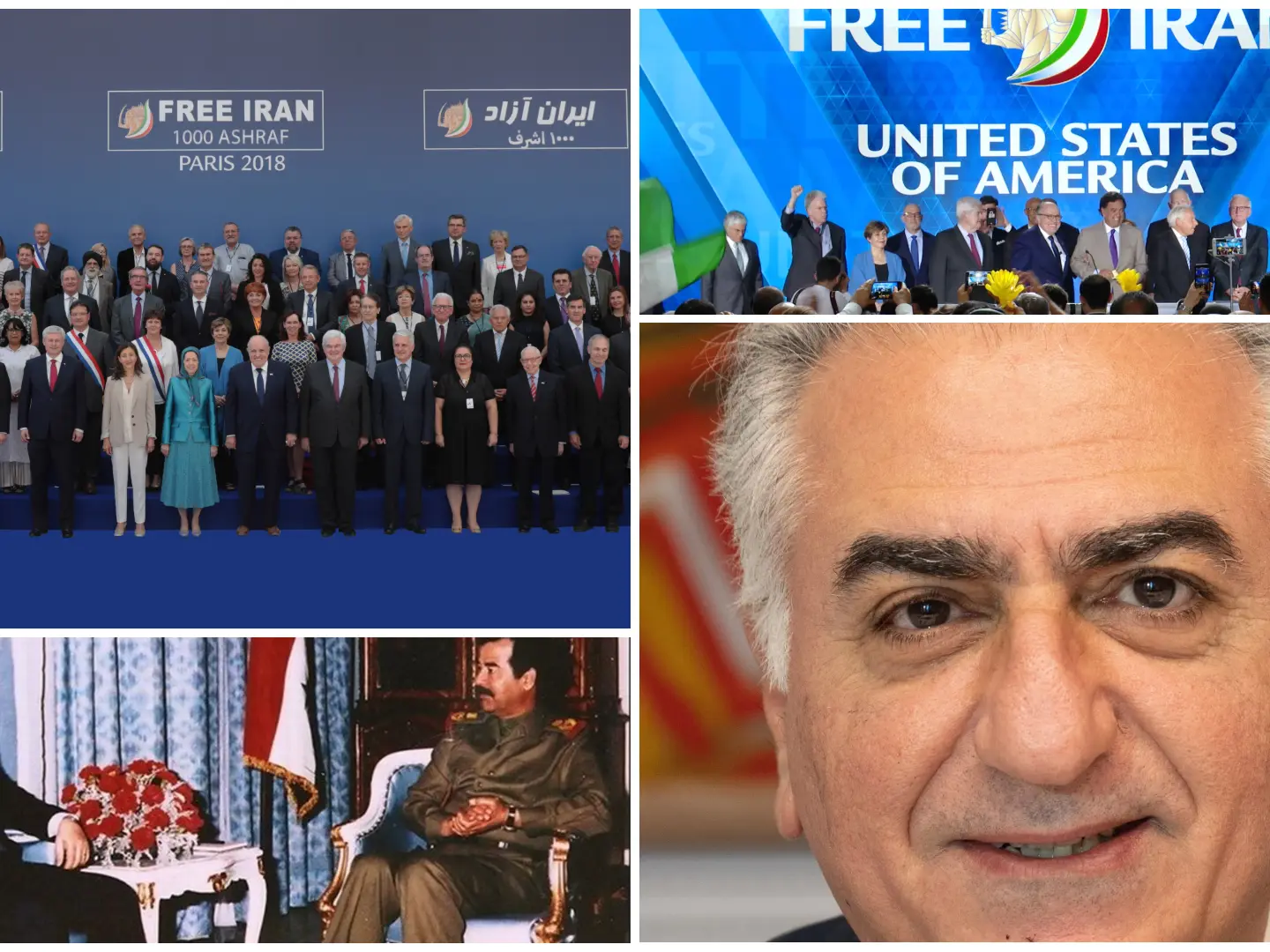
People’s Mojahedin Organisation of Iran (MEK)
MEK, founded in 1965, is a Marxist-Islamist group. It was initially a part of the Islamic Revolution of 1979, but fell out with the regime. Its leadership went into exile in different parts of the world, including in Iraq and Europe, particularly Albania. It is believed that during the Iran-Iraq war of the 1980s, MEK collaborated with Iraqi leader Saddam Hussein.
MEK's structure is allegedly formed like a cult. It has been linked in the past to Western and Israeli intelligence agencies. The group was among those who shared information on the nuclear facilities of Iran in Natanz and Arak to the West.

Over the years, there have been accusations that the MEK is receiving Israeli backing for assassinations of Iranian nuclear scientists between 2010 and 2012. One of the MEK operatives, Majid Jamali Fashi, had reportedly confessed to having been trained by Mossad for one such killing. The US has, however, officially denied any MEK involvement.
Many of the MEK leaders have openly met and received backing from US officials in the past, including diplomats Mike Pompeo and John Bolton.
The MEK is thought to be sharing intelligence with Iran's enemies. In 2022, Iran's parallel army, the IRGC, claimed that it had arrested teams affiliated with MEK who were planning attacks in Khuzestan, Fars and Isfahan.
National Council of Resistance of Iran (NCRI)
NCRI is the public face and political front of MEK. Currently led by Maryam Rajavi, NCRI advocates for a secular and democratic Iran. NCRI has a so-called ‘government-in-exile’, and engages in lobbying efforts in the West.
NCRI also provided intelligence on Iran’s nuclear programme to the West, helping expose it to the world.
Though NCRI is not directly implicated in assassinations inside Iran, it is thought to have provided intelligence to facilitate the killings.
The NCRI's main role is to provide information and advocacy for a new Iran among Western institutions and governments.
While there have been speculations, it is not clearly established if NCRI has any formal connection to Mossad. But its reports in the 2000s were crucial to Western diplomatic efforts and sanctions against Iran.
Trending Stories
)
Did India risk its US trade deal despite softer stance at BRICS?
)
Pakistan puts Pak Rs 70 lakh bounty on UN terrorist Masood Azhar; move draws skepticism in Delhi
)
First naval drone battle? Ukraine says Sargan 3000 sank Russian unmanned boat
)
Practical Magic 2 breaks Spidey spell over North American box office
)
'Huge destructive power': North Korea calls its latest missile launches 'live-fire drill' even as US dismisses 'immediate threat'
)
‘Let’s go’: Newly declassified videos show dramatic rescue of US Air Force officers downed in Iran
)
Ganesh Chaturthi 2026: Devotees throng the iconic Lalbaugcha Raja pandal in Mumbai
)
Delhi’s balancing act: BRICS serves as a stage for West Asia diplomacy
&im=FitAndFill=(700,400))
Why European Meteor missiles use ramjet engines compared to standard US solid rockets
)
Iran, India agree to deepen humanitarian and political ties, President Pezeshkian says
)
‘Want to reset ties with India, have engagement based on mutual interests,’ says Bangladesh minister
)
Trump says Canada eager to reach a deal, it could come ‘fairly soon’ if Ottawa treats US farmers better
)
Turkish Airlines plane flies through a storm three times, triggering severe turbulence
&im=FitAndFill=(700,400))
Why Chinese PL-15 air-to-air missiles use dual-pulse motors compared to European interceptors
)
Orlando Bloom addresses Pirates of the Caribbean comeback and reunion with Johnny Depp
)
China thinned Himalayan troop presence in 2025, India defence report says; terms border situation 'stable'
)
Russia proposes to build 360 kmph Ivolga FG trains in India: What happened on sidelines of BRICS
)
800 million years old - Scientists discover 'fingerprints' of supercontinent Gondwana in ancient rocks
)
Israeli minister calls to strip Gaza film directors of citizenship
)
Natural caffeine sources gain popularity; matcha & botanicals offer calm energy
)
China discovers vast gold and silver 'mine' in the Pacific with unheard-of deposits
)
Russian drone hits Warsaw-bound train near Polish border, Zelensky accuses Moscow of ‘deliberate’ targeting
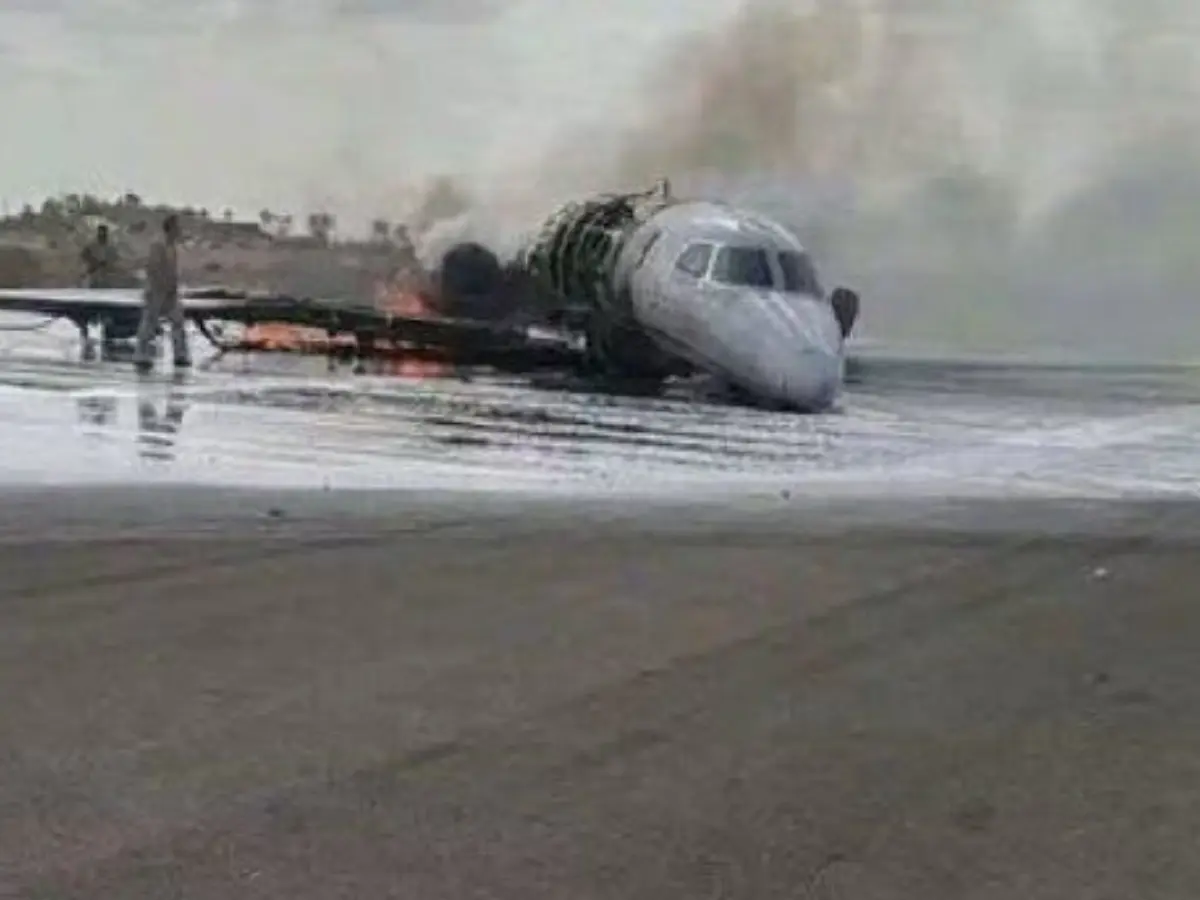)
Plane carrying prominent figure crashes at Libya’s Misrata airport: Report
)
Veteran Bollywood actress Nafisa Ali shares health update as Stage 4 cancer progresses, starts targeted therapy
&im=FitAndFill=(700,400))
New OTT releases this week (September 14-20, 2026): Lust Stories 3, Waiting Hai, Irumudi- 5 new titles coming on Netflix, Prime Video and more
)
Liam Neeson sparks romance rumours after holding hands with Stella Stocker at TIFF 2026
)
Saudi Arabia discovers 110 million tonnes of Uranium-rich ore in Madinah region
)
Indian importers urge Bangladesh to lift export ban on 'Hilsa' fish ahead of Durga Puja
)
Video of Pakistani lawmaker struggling to read English tribute to Jinnah goes viral - WATCH
)
Did China give Iran intel before US base strike that killed 3 troops? Trump says, 'You’re right...'
)
Crude oil prices jump more than $107 per barrel following Houthi attacks on Saudi
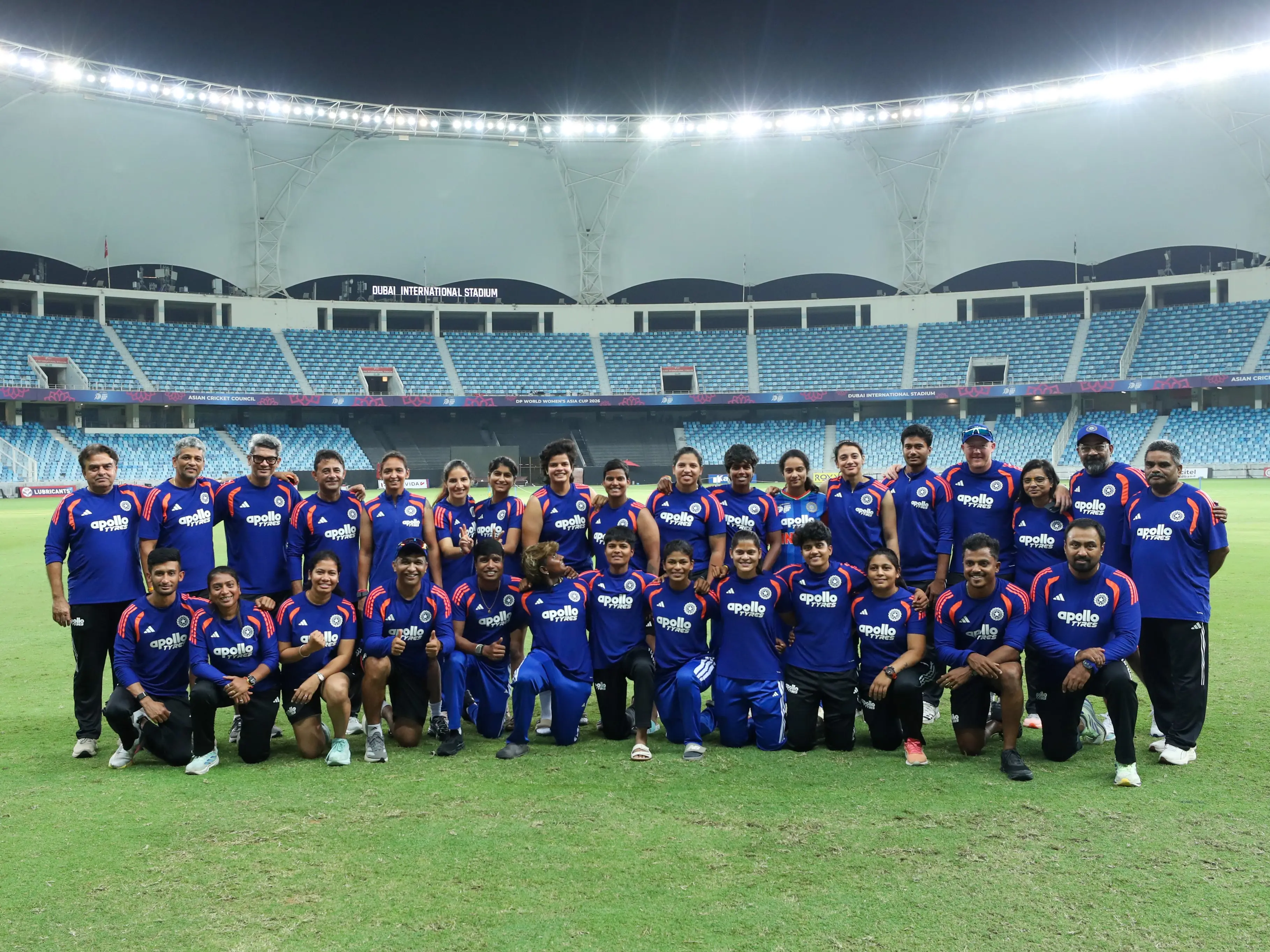)
Women's Asia Cup 2026: India denied trophy once again despite winning the title
)
Humans may lose control of AI: Anthropic CEO calls for slowdown, Altman, Musk back him
The Kingdom Assembly of Iran (Tondar)
Tondar, based in the US, is a monarchist group that seeks the restoration of the Pahlavi dynasty. It also advocates armed resistance against the current regime.
While it's not as prominent as the MEK, Iran in the past accused this group of disruptive activities, including the 2008 Shiraz mosque bombing that killed 14 people.
Its leader, Jamshid Sharmahd, was executed by Iran in 2024 for what it called ‘US-sponsored terrorism.’
Despite Iran's allegations, Tondar’s connection to foreign intelligence agencies like Mossad is not clearly proven.
National Council of Iran and Reza Pahlavi
Led by Reza Pahlavi, Crown Prince of Iran, the exiled son of the last Shah, NCI actively promotes a constitutional monarchy, using peaceful advocacy and public diplomacy.Reza Pahlavi, who lives mostly in the US, also formed a government-in-exile, but lacks an organised movement.
However, the crown prince is visible and active among monarchist supporters. He has visited Israel in recent years and has links with Western policymakers.
His influence is symbolic and political, not operational, and he has not been openly connected to violence or intelligence operations targeting Iran.
Arab Struggle Movement for the Liberation of Ahwaz (ASMLA)
Based in Khuzestan, the ASMLA is an Arab separatist group which seeks autonomy. The 2018 Ahvaz military parade attack that killed 25 people was blamed on ASMLA by Iran, which claimed that it got the backing of Israel, Saudi Arabia, and the West.
It is not clear if these allegations are true, and no public admission of any links with Mossad exists. It is believed that ASMLA acts on its own, separate from the intelligence networks of Israel or the West.
Many groups want regime change in Iran, and are helping Israel and West
These are only some of the most prominent dissident and exile groups. There are hundreds, if not thousands, of individuals disgruntled with the Iranian regime who are possibly helping its enemies, particularly Israel.
While only the MEK is credibly tied to assassinations, it is clear that Mossad has benefited from cooperation by other groups.
The 2018 nuclear archive theft and the 2020 killing of Mohsen Fakhrizadeh were carried out by Israel, allegedly with help from internal networks in Iran.