&imwidth=800&imheight=600&format=webp&quality=medium "Is Trump using Bagram air base as an excuse for US to re-invade Afghanistan? Real story may be in trillions of dollars' worth of minerals, not China")
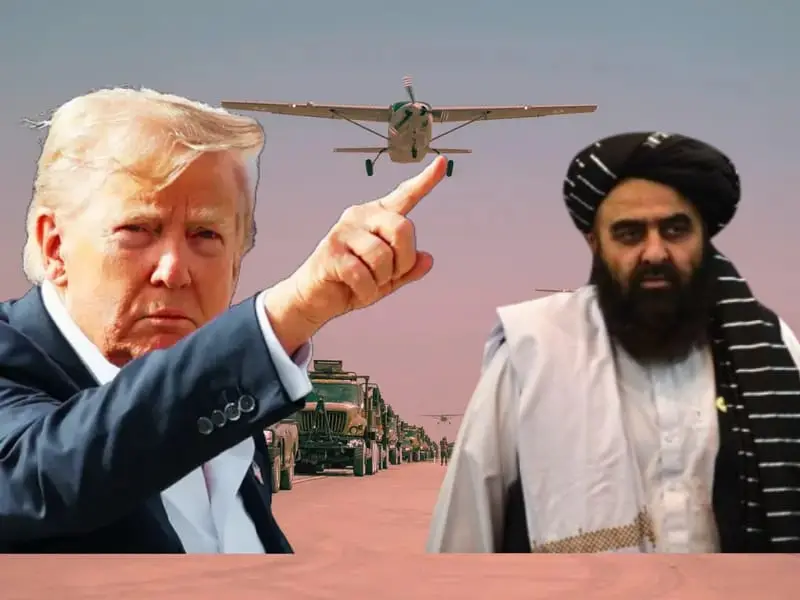
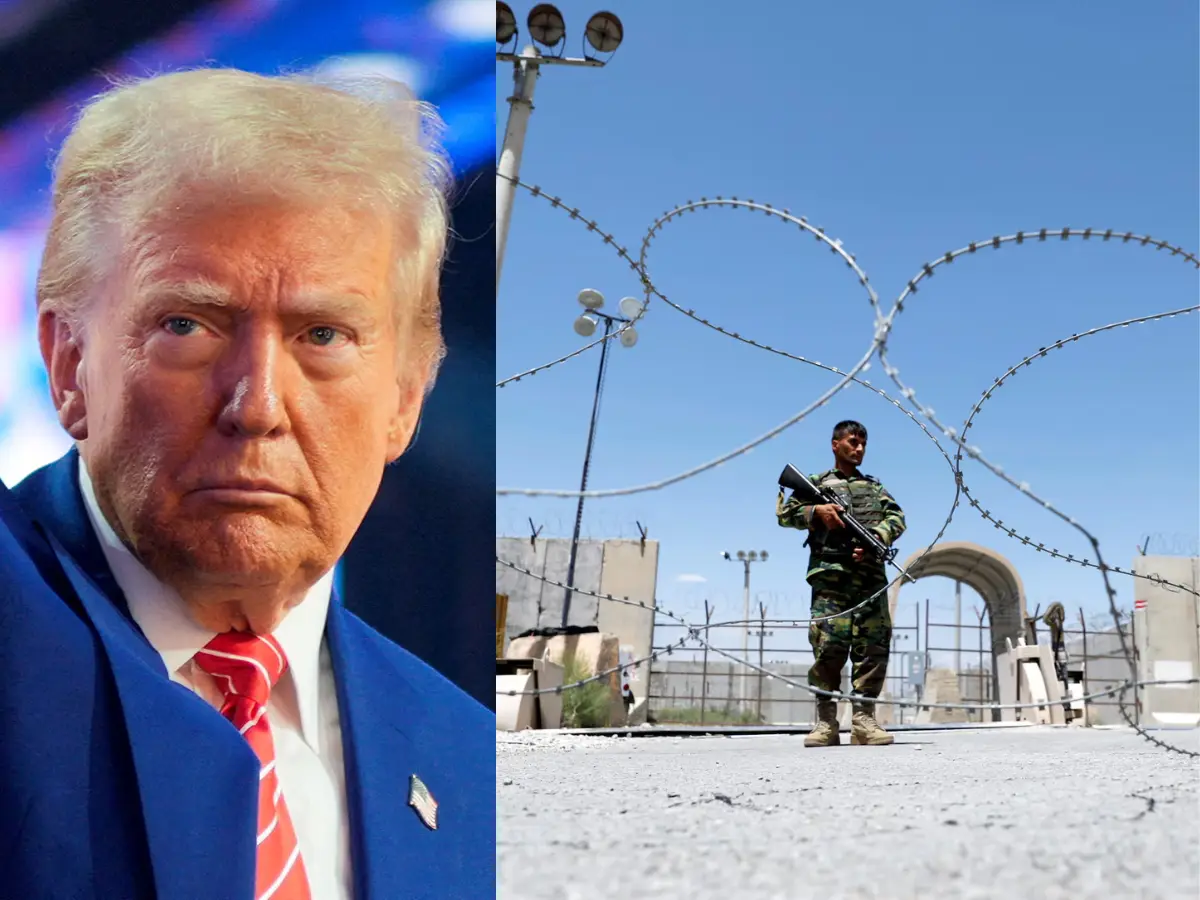
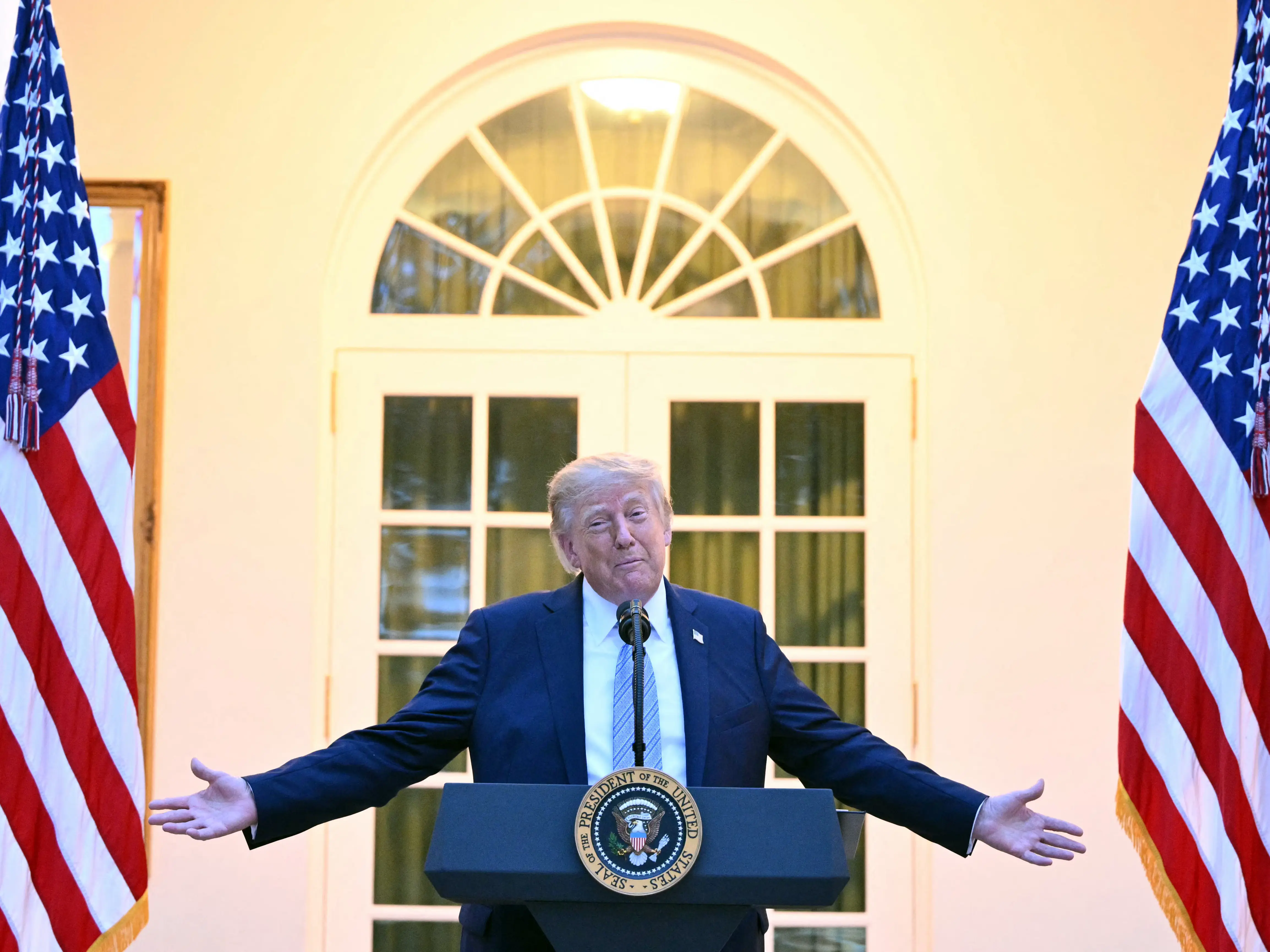
On September 18, US President Donald Trump declared he wanted to “get back” Bagram Air Base in Afghanistan, citing its proximity to China’s nuclear facilities in Xinjiang. Speaking at a joint press appearance with UK Prime Minister Keir Starmer in London, Trump said, “It’s an hour away from where China makes its nuclear weapons,” and wrote on social media that not reclaiming the base would lead to “BAD THINGS.” He also accused his predecessor, Joe Biden of having surrendered the base “for nothing” during the 2021 withdrawal. However, many analysts and observers argue that the nuclear argument may be a smokescreen. Trump’s comments have revived suspicions that his real interest lies in Afghanistan’s vast, untapped mineral wealth. Social media platforms and geopolitical commentators have pointed out that the “one hour away” claim is exaggerated—the actual flight time from Bagram to Xinjiang is closer to two hours. They note that China is already making significant inroads into Afghanistan’s mining sector through Belt and Road initiatives and direct deals with the Taliban. So what could really be on Trump's mind?
Afghanistan’s enormous mineral wealth
Afghanistan is home to vast deposits of critical minerals, including lithium, rare earth elements, copper, and iron. These are essential to powering modern electronic devices, electric vehicles, and military technologies. A 2007 US Geological Survey (USGS) report estimated that Afghanistan's nonfuel mineral resources could be worth at least $1 trillion. The Afghan government has previously claimed that the figure could be as high as $3 trillion.

Among the most prominent sites are the Hajigak iron ore deposit and the Mes Aynak copper deposit in Logar province, which holds millions of tonnes of copper. Lithium and rare earths are also present in significant quantities, to the extent that an internal US Department of Defense memo once described Afghanistan as potentially becoming the “Saudi Arabia of lithium.”
What has the US done to access Afghan minerals?
Trending Stories
)
Extreme warming in Indian Ocean added 695 billion tons of ice to Antarctica ice sheet
&im=FitAndFill=(700,400))
Ananya Panday to Sharvari: 5 actresses serving major princess vibes
)
‘Will go to any extent’: Pakistan vows to defend Saudi Arabia amid Houthi attacks
66 years of the Indus Waters Treaty: How India and Pakistan settled a bitter river dispute
)
Trump bans CNN, MS NOW and Politico from White House over ‘FAKE NEWS’
)
Flying cars in UAE: Ras Al Khaimah signs deal with Chinese company to test new transport
)
IIT Bombay student dies by suicide, was caught seeking AI help during exams
)
Brigitte Bardot’s private collection set for Paris auction; key items and prices revealed
)
Claude led 26% of Anthropic's AI R&D work
)
Reacher star Alan Ritchson opens up about alleged blackmail, suicide attempt during difficult period
)
It's a girl! Deepika Padukone and Ranveer Singh welcome their second child
)
Pak: A series of counter terrorism operations in Khyber Pakhtunkhwa
)
How did an Australian river with 500 crocodiles pass the Olympic test? Here's how
&im=FitAndFill=(700,400))
How many F-35s does Britain, Japan and Israel have?
&im=FitAndFill=(700,400))
Meet top 5 Indian batters with fastest T20I centuries
)
Mark Carney mimics Trump in hilarious moment over C$70 billion clean-energy investment; room erupts in laughter
)
Putin: European leaders using war rhetoric to save falling ratings
)
Ajit Agarkar’s future as chief selector to be decided at right time, says BCCI secretary
)
China may have gained access to US's classified F-35 jets; parts meant for repairs diverted to Hong Kong, sparking Pentagon inquiry
)
Tirupati Laddu ghee adulterated with chemicals, says ED, supplier arrested
)
Trump signs Russia sanctions bill into law, targets Moscow’s energy sector
)
Africa is splitting, and a lot sooner than estimated, giving way to a new ocean
)
Pentagon revives mandatory testosterone testing for male troops aged 30 and above
)
Cochin shipyard starts building Indian Navy's next-gen missile vessels
)
Russia holds first parliamentary elections since the beginning of the Ukraine war
)
FACT CHECK: Why did PM Modi ask Xi ‘is it okay’ at BRICS Summit? New video reveals...
)
The Verdict | When precision fails: US commits war crime in Minab school strike, UN finds
)
Why Ranveer Singh’s Dhurandhar missed India’s Oscar entry; FFI jury member reveals what happened
Russia attacks Ukraine with 174 drones, kills 8; 2 vessels hit in Black Sea
)
Trump 2.0: Dark days ahead for America’s ‘imperial presidency’
)
New brain discovery could aid neurological disease studies
)
Oxford United's new clothing line featured 'United 93' phase
)
Trump extends H-1B visa's $100,000 fee until September 2027: What it means for Indians?
)
Iran rebuilding nuclear facilities? New satellite images show Tehran may be rapidly restoring bombed Parchin base
)
Arvind Kejriwal, family members, Delhi CM Rekha Gupta get SIR notices
)
)
Over the years, US agencies including the USGS, USAID, and the Department of Defense invested in geological surveys, mapping, data collection, and legal frameworks to enable mining operations. These efforts spanned both pre-Taliban and Taliban governments. In recent years, even under Taliban rule, contracts worth billions of dollars have reportedly been signed for resources such as iron, gold, lead, and zinc.
The strategic value of Bagram Air Base
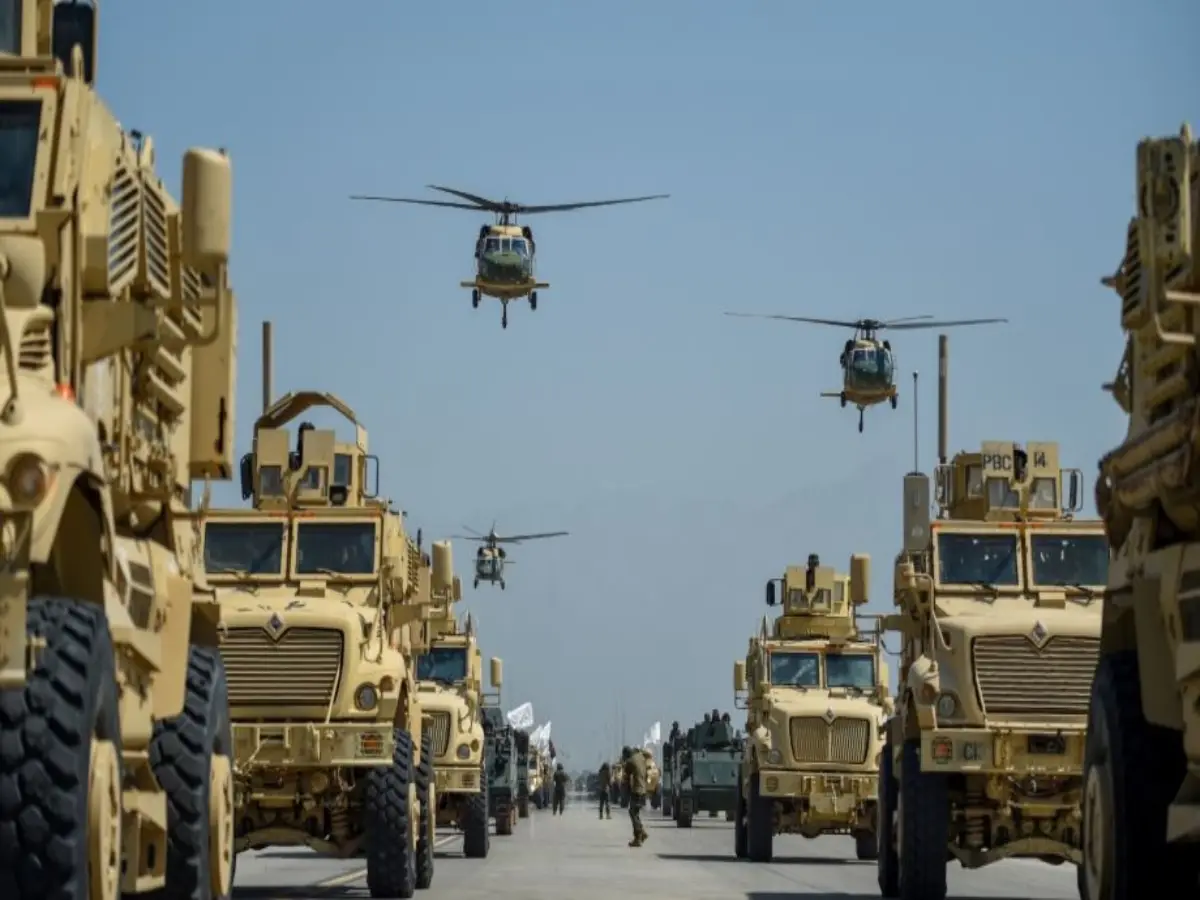
Bagram Air Base was a central hub for US operations from its 2001 invasion until the August 2021 withdrawal. It featured long runways, hardened infrastructure, and logistical capability that made it one of the most significant military installations in the region. Its location offers a vantage point not only into Afghanistan but also neighbouring countries like China, Pakistan, and the broader Central Asian region.
While Trump’s public focus has been on countering China’s nuclear threat, there is growing speculation that regaining Bagram could serve as a launchpad to secure access to Afghanistan’s mineral wealth. This aligns with Trump’s past rhetoric—he has previously suggested that Afghanistan’s natural resources could help offset the costs of America’s military involvement there. Some compare this thinking to his controversial remarks about “buying” Greenland or exploiting Ukraine’s assets.
Is a US return to Afghanistan even feasible?
Despite the Trump rhetoric, a full-scale American return to Bagram—or any military re-entry into Afghanistan—faces serious challenges. The Taliban firmly rejected any possibility of foreign military bases under current arrangements, citing sovereignty and territorial integrity. China, Russia, Iran, and Pakistan issued a joint statement opposing any foreign military presence in Afghanistan, raising the risk of significant regional backlash.
Experts argue that retaking and reactivating Bagram would require tens of thousands of troops and billions of dollars in reconstruction. Many consider such a move politically untenable and militarily unsustainable. Even under more favourable conditions, Afghanistan’s terrain, persistent insecurity, and infrastructure deficits have repeatedly stalled mining projects. For example, the Mes Aynak copper project has seen years of delay, reportedly due to security issues, archaeological concerns, and logistical barriers.
Also, much of the estimated $1–3 trillion in mineral wealth remains unproven or economically unexploitable. Estimates are based on geological potential, not on confirmed reserves or commercially viable extraction plans.
What’s next for Trump and the US in Afghanistan?
In the short term, we can expect Trump to continue ramping up rhetoric about Bagram and Afghanistan, potentially criticising both the Taliban and the Biden administration. This could lay the groundwork for a more aggressive policy stance. Whether this will translate into actual military re-engagement remains unclear, but many analysts see the framing of Bagram as a convenient pretext—strategically couched in national security language, but economically motivated by the lure of critical minerals.
In the current context of US-China rivalry, control over rare earths and lithium is becoming a geopolitical priority. Whether through diplomacy, covert deals, or military pressure, Afghanistan’s natural resources are likely to remain central to any renewed American interest in the region. But re-entering Afghanistan militarily, especially through Bagram, would be an enormous and risky undertaking—with no guarantee of success.