

&imwidth=800&imheight=600&format=webp&quality=medium "Is Russia using chemical weapons in Ukraine? Dutch defence minister alleges ‘widespread’ use of banned munitions")
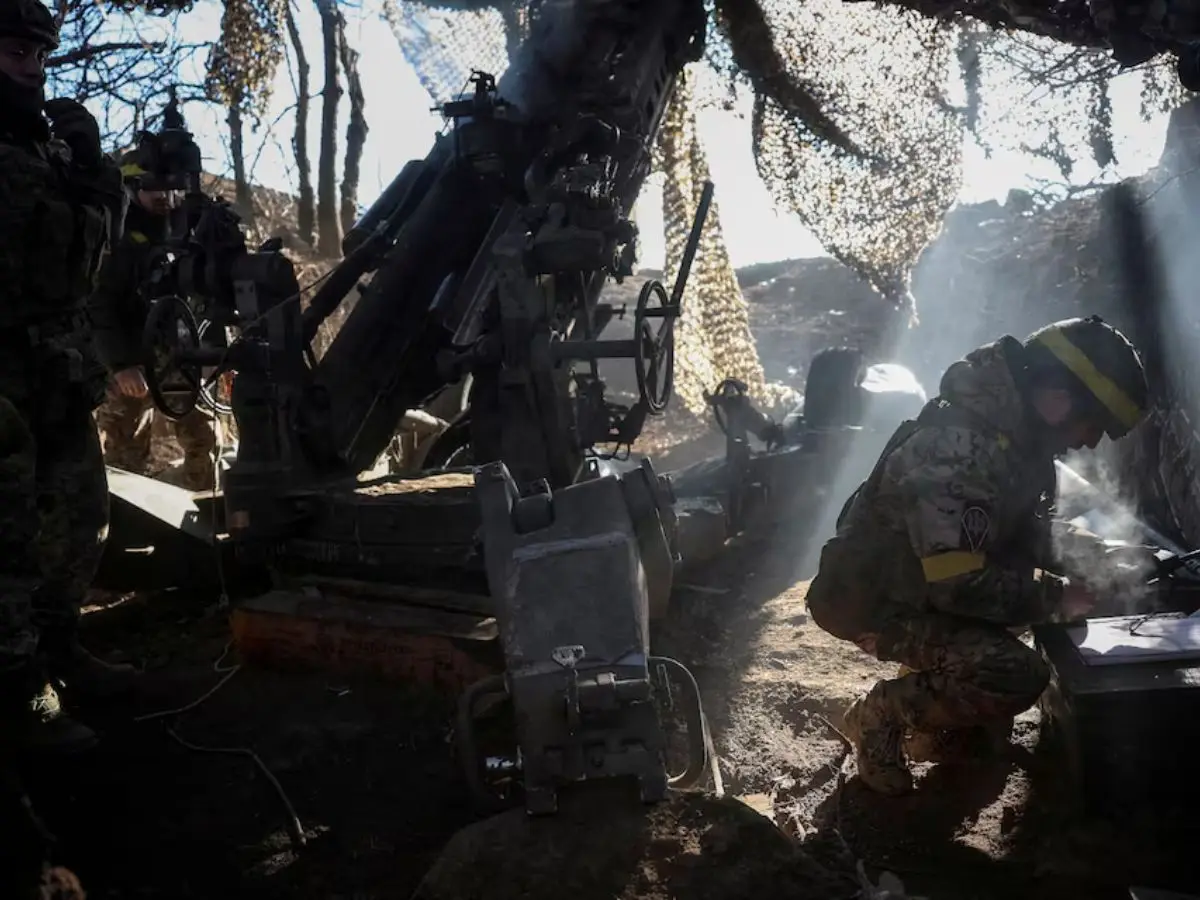
Dutch Defence Minister Ruben Brekelmans has called for intensified sanctions against Russia, claiming “widespread” use of chemical weapons by Moscow in Ukraine. Dutch and German intelligence agencies on Friday (Jul 4) alleged that they have gathered evidence on the use of banned weapons, including dropping a choking agent from drones to drive soldiers out of trenches so they can be shot.
“The main conclusion is that we can confirm Russia is intensifying its use of chemical weapons,” Brekelmans told Reuters. “This intensification is concerning because it is part of a trend we have been observing for several years now, where Russia’s use of chemical weapons in this war is becoming more normalised, standardised, and widespread.”
Germany’s BND foreign intelligence agency has confirmed the findings in a statement. The head of the Dutch Military Intelligence Agency (MIVD), Peter Reesink, said the conclusions are based on “our own independent intelligence, so we have observed it ourselves based on our own investigations.” The findings were presented in a letter to the Dutch parliament on Friday.
Last year in May, the United States accused Russia of using chloropicrin, a toxic chemical compound that was first used by Germany during World War I. Meanwhile, Ukraine has alleged that Russia used chemical weapons in thousands of instances. Denying the use of munitions, Moscow has accused Kyiv of doing so.
The Russian foreign ministry spokeswoman Maria Zakharova on Wednesday (Jul 2) said that the Federal Security Service found a Ukrainian cache of explosive devices containing chloropicrin in the eastern side of the country. However, Ukraine has denied the accusations.
Last year, the Organisation for the Prohibition of Chemical Weapons (OPCW), a disarmament agency in The Hague with 193 member states, said that initial accusations made by both nations were “insufficiently substantiated”.
Trending Stories
&imwidth=180&imheight=135&format=webp&quality=medium)
100,000 strikes in 3 years: How October 7 redefined Israel's war
&im=FitAndFill=(700,400)&imwidth=180&imheight=135&format=webp&quality=medium)
Happy Birthday Rekha: Watch these 7 evergreen Bollywood hits on Netflix, Prime Video and more
&imwidth=180&imheight=135&format=webp&quality=medium)
‘Your people don’t even let us near it’: IAF chief’s blunt response on US F-35; India yet to decide on Russia’s Su-57
&imwidth=180&imheight=135&format=webp&quality=medium)
Real or fake? PIB fact-checks protest videos; Delhi Police clarifies on Gurdwara Bangla Sahib clip
&imwidth=180&imheight=135&format=webp&quality=medium)
UK navy hit by espionage scandal: Sailor accused of spying for Russia | Gravitas
&imwidth=180&imheight=135&format=webp&quality=medium)
Delhi on high alert for CJP protest: Delhi police to use body cams to 'prove whether we did anything’; Pink Force, RAF, 35,000 personnel deployed
&imwidth=180&imheight=135&format=webp&quality=medium)
‘Never-ending flow of cheap labour’: JD Vance hits back at Indian-origin Congresswoman over US green card curbs for major tech companies
&imwidth=180&imheight=135&format=webp&quality=medium)
Panama president declares ‘major disaster’ after powerful 7.7-magnitude earthquake; over 80 aftershocks recorded
&imwidth=180&imheight=135&format=webp&quality=medium)
HYBE’s Weverse Con India sets ticket sale date for March 2027 festival
&imwidth=180&imheight=135&format=webp&quality=medium)
'Jantar Mantar not the story of India': BJP's Sambit Patra claims 'anarchists' tried to hold Delhi captive
&imwidth=180&imheight=135&format=webp&quality=medium)
BJP MP Ravi Shankar Prasad slams CJP protests, calls it 'shadow boxing for AAP'
&imwidth=180&imheight=135&format=webp&quality=medium)
Riyadh airport hit in missile attack, dozens injured; 5 in intensive care
&imwidth=180&imheight=135&format=webp&quality=medium)
'Spent Rs 2,000 cr to elect Trump': Elon Musk bought US President's loyalty by writing the biggest political cheque in human history
&imwidth=180&imheight=135&format=webp&quality=medium)
Powerful 7.7 magnitude earthquake strikes Panama, tsunami warning issued
&imwidth=180&imheight=135&format=webp&quality=medium)
US mid-term elections: What are PACs - Unique American System that lets corporates shape voting
&imwidth=180&imheight=135&format=webp&quality=medium)
Elon musk & India clash over Starlink's market entry terms
&imwidth=180&imheight=135&format=webp&quality=medium)
Who is Ajinkya Shinde, announced to lead CJP protest after Dipke, Das and Ranka's detention?
&imwidth=180&imheight=135&format=webp&quality=medium)
'Ouch!!! That must hurt': Kangana Ranaut hails Kamal Haasan's sharp reply to Elon Musk over Starlink row
&imwidth=180&imheight=135&format=webp&quality=medium)
‘Right to protest must be protected, but...’: Delhi Police reveals why it denied CJP permission for October 10 Jantar Mantar protest
&imwidth=180&imheight=135&format=webp&quality=medium)
Hamas used double agents, deceived Israel to carry out October 7 massacre
&imwidth=180&imheight=135&format=webp&quality=medium)
NIA files FIR in Flydubai hijack attempt and attack on Smit Machchhar, probes ‘larger conspiracy’
&imwidth=180&imheight=135&format=webp&quality=medium)
Portugal Federation confirms Cristiano Ronaldo’s return to national team despite suspension
&imwidth=180&imheight=135&format=webp&quality=medium)
All 22 Indian seafarers safe in attack on Panama-flagged tanker off UAE coast
&imwidth=180&imheight=135&format=webp&quality=medium)
‘Time for Ukraine to get a new president’: Trump lashes out at Zelensky over Russia strikes
&im=FitAndFill=(700,400)&imwidth=180&imheight=135&format=webp&quality=medium)
Food shortages, suicide attempts and more: USS Abraham Lincoln returns to US after 321 day deployment — What happened aboard the US carrier?
&imwidth=180&imheight=135&format=webp&quality=medium)
Thai queen becomes first reigning monarch to fly jet solothailand #queen #wion
&imwidth=180&imheight=135&format=webp&quality=medium)
‘Every game against Liverpool is special’: Erling Haaland ahead of Anfield clash
&imwidth=180&imheight=135&format=webp&quality=medium)
Rahul Gandhi calls Modi, Shah ‘cowards’ amid CJP protest crackdown in Delhi
&imwidth=180&imheight=135&format=webp&quality=medium)
Four years, 3 licenses, zero launch: Why is Elon Musk’s Starlink still struggling to crack Indian market? EXPLAINED
&imwidth=180&imheight=135&format=webp&quality=medium)
Why was CJP founder Abhijeet Dipke detained? What Delhi Police said
&imwidth=180&imheight=135&format=webp&quality=medium)
Putin conveys Iran’s proposal to Trump, offers to take Tehran’s enriched uranium
&imwidth=180&imheight=135&format=webp&quality=medium)
'It’s been 12 hours': CJP writes to Delhi Police, demands release of Dipke, Saurav Das and Ranka
The Dutch defence minister said that at least three Ukrainian deaths have been linked to chemical weapons use, while over 2,500 people wounded on the battlefield reported chemical weapons-related symptoms to health authorities. The increased use of chemical weapons by Russia is not only a threat to Ukraine but other nations as well, Brekelmans added.
“We must further increase the pressure. This means looking at more sanctions and specifically not allowing them (Russia) to participate in international bodies like the Executive Council of the OPCW,” he said.
‘A large-scale program’
Reesink mentioned “thousands of instances” of chemical weapons use by Russia and also cited a Ukrainian figure of 9,000. “This isn’t just some ad-hoc tinkering at the frontline; it is truly part of a large-scale program. And that is, of course, also concerning because if we don’t clarify and publicise what Russia is doing, it’s highly likely these trends will continue,” Reesink said. He called the use of banned weapons “almost standing operating procedure.”
OPCW, which was created to implement and monitor compliance with the 1997 Chemical Weapons Convention (CWC), has listed Chloropicrin as a banned choking agent. The chemical can result in severe irritation to the skin, eyes, and respiratory tract. If ingested, it can result in burns in the mouth and stomach, nausea and vomiting and difficulty breathing or shortness of breath.

