

&imwidth=800&imheight=600&format=webp&quality=medium "Is AI making students dumb? Concerns grow over learning, development of cognitive skills")
Artificial Intelligence (AI) has transformed education by making learning more accessible, personalised, and efficient with virtual tutors and highly efficient research tools creating amazing opportunities for students.
However, the increasing use of AI, which makes complex tasks easy for students, is creating dependence on it. Increasing reliance on AI can stunt students’ mathematical and critical thinking skills and impede their overall development, consequently affecting their academic performance and ‘real learning’.
One of the major concerns is the decline in critical thinking and problem-solving abilities as AI tools instantly provide answers, summaries, and solutions to complex questions, and as a result, students do not engage deeply with the subject matter.
Over time, this reliance on AI can weaken their ability to think critically and make informed decisions.
Also Read: ‘Time for pause’: Humans may lose control on AI as it starts building itself, warns Anthropic
AI overuse undermines the very purpose of education
Trending Stories
&imwidth=180&imheight=135&format=webp&quality=medium)
Viral video shows cross falling on Colombia priest, no official confirmation | WATCH
&imwidth=180&imheight=135&format=webp&quality=medium)
Rafale Marine fighter begins flight trials in Goa ahead of Indian Navy induction
&imwidth=180&imheight=135&format=webp&quality=medium)
Ranbir Kapoor apologises for Dussehra speech slip, clarifies remark at Ramayana event
&imwidth=180&imheight=135&format=webp&quality=medium)
Meta slapped with $25 billion fine in New Mexico over Facebook data practices, company plans appeal
&imwidth=180&imheight=135&format=webp&quality=medium)
WATCH: Woman IPS officer fires several rounds of AK-47, ignites debate online
&imwidth=180&imheight=135&format=webp&quality=medium)
WATCH | Mysterious haze grips Ohio city as toxic chemical leak forces mass evacuation – What is happening?
&imwidth=180&imheight=135&format=webp&quality=medium)
EU probes Booking.com under Digital Services Act
&imwidth=180&imheight=135&format=webp&quality=medium)
Pakistan signs another defence pact even as Makkah Alliance shows no teeth. This time, it's with Qatar, Indonesia, Turkey
&imwidth=180&imheight=135&format=webp&quality=medium)
Kim Jong Un death rumors explode | China accused of secretly sending troops to Pyongyang
&imwidth=180&imheight=135&format=webp&quality=medium)
Ilhan Omar breaks silence over alleged marriage to her brother; Trump thinks it's 'really good answer'
&imwidth=180&imheight=135&format=webp&quality=medium)
US-Iran war: Bibi, Trump gamble on new Iran war to save themselves in polls
&imwidth=180&imheight=135&format=webp&quality=medium)
From Agni-V to Project Kusha: How are India’s indigenous missile systems and defence shield reshaping modern warfare
&imwidth=180&imheight=135&format=webp&quality=medium)
Will Rohit and Kohli play ODI World Cup 2027? BCCI president Manhas says board 'not in a position to comment'
&imwidth=180&imheight=135&format=webp&quality=medium)
Why websites around the world are suddenly going offline? What you need to know about PHP
&imwidth=180&imheight=135&format=webp&quality=medium)
US midterms 2026: What polls and prediction markets indicate about Congress
&imwidth=180&imheight=135&format=webp&quality=medium)
'You are a dummy, you are a stupid person': Trump loses temper with CNN, ABC reporters after questions about Russia sanctions
&imwidth=180&imheight=135&format=webp&quality=medium)
China's dancing robot turns violent bodyguard, lifts cars and fights intruders - Watch
&imwidth=180&imheight=135&format=webp&quality=medium)
16-foot doomsday fish in Chile triggers fears that the next earthquake is coming
&imwidth=180&imheight=135&format=webp&quality=medium)
Are the US and Israel preparing for another major attack on Iran? Here's what report claims
&imwidth=180&imheight=135&format=webp&quality=medium)
Priyanka Chopra celebrates Dussehra 2026 with Nick Jonas and daughter Malti Marie | See pics
&im=FitAndFill=(700,400)&imwidth=180&imheight=135&format=webp&quality=medium)
New OTT releases this week (October 19-25, 2026): Gajab Raat to Chaar Yaar-8 titles to watch during Dussehra week on Netflix, Prime Video and more
&imwidth=180&imheight=135&format=webp&quality=medium)
‘I caution the president...’: Trump’s ex-press secretary warns after Zacharia’s exit
&imwidth=180&imheight=135&format=webp&quality=medium)
'Father of all bombs' vs 'mother of all bombs': Iran threatens US with new weapon as Trump hints at MOAB strike
&imwidth=180&imheight=135&format=webp&quality=medium)
Diljit Dosanjh's Oct 30 Delhi show hits roadblock, Delhi Police denies permission
&imwidth=180&imheight=135&format=webp&quality=medium)
Australia police arrest former national 100m champ Jake Doran for alleged child abuse
&imwidth=180&imheight=135&format=webp&quality=medium)
'Gyanu must go': CJP's Saurav Das, Ashutosh Ranka after release, despite Jantar Mantar protest undertaking
&imwidth=180&imheight=135&format=webp&quality=medium)
Hunger makes alcohol more appealing, study finds
&imwidth=180&imheight=135&format=webp&quality=medium)
Kolkata airport: CISF detects ₹1.13 crore in US dollars hidden in bags of 2 Bangkok-bound passengers
&imwidth=180&imheight=135&format=webp&quality=medium)
Feds obtain DNA evidence that could prove Ilhan Omar married her brother: Report
&imwidth=180&imheight=135&format=webp&quality=medium)
US midterms 2026: Trump's approval rating hits record low as Democrats gain ground
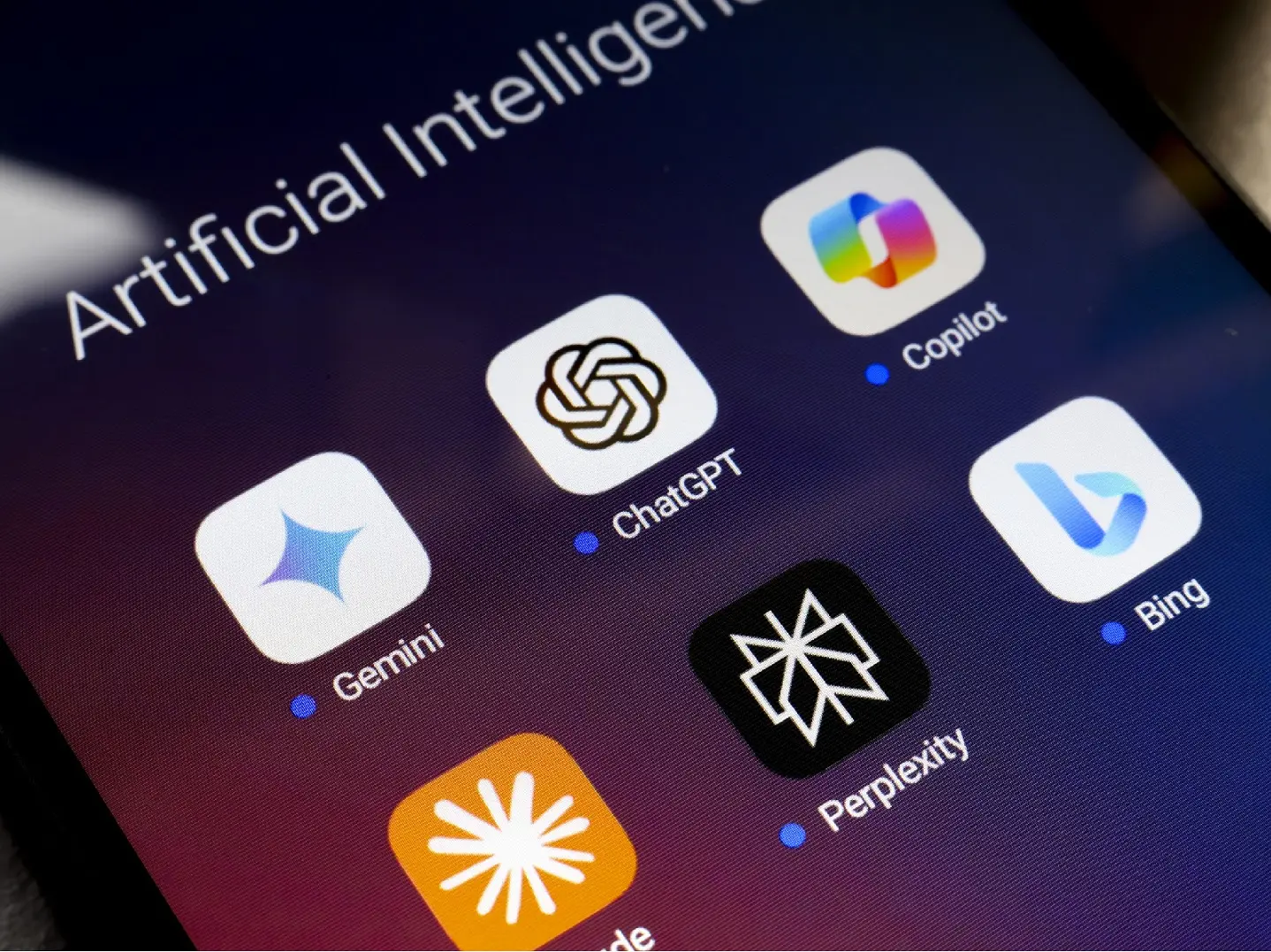
Students are using large language models, like Claude, ChatGPT and Google Gemini, to produce essays and reports within seconds without understanding the concepts involved. This undermines the purpose of education, which is to develop knowledge, skills, and creativity. Students may submit AI-generated work as their own, but they miss the valuable learning opportunities and may ultimately struggle in examinations or real-world situations that require independent thinking.
Creative thinking emerges from brainstorming and overcoming challenges, but when students rely on AI to generate ideas, write content, or solve problems, they become passive learners. Excessive dependence on technology can discourage students from developing perspectives and innovative abilities.
AI tools may contribute to reduced motivation and effort as learning requires persistence, practice, and patience. Students are tempted to take shortcuts, and this prevents them from developing a strong work ethic. As a result, students may perform poorly when faced with tasks that require independent effort.
AI misuse negatively affects intellectual growth, creativity, and ethics
Besides, excessive use of AI and digital tools can reduce human interaction in education. Discussions with teachers and classmates play a crucial role in developing communication skills, emotional intelligence, and teamwork. In conclusion, while AI offers numerous advantages in education, its misuse and overdependence can negatively affect students' intellectual growth, creativity, ethics, motivation, privacy, and social development.
Therefore, AI should be used as a supportive tool rather than a replacement for genuine learning. By maintaining a balanced approach, students can benefit from technological advancements while continuing to develop essential life skills.
Also Read: ‘Iran using Lebanon as bargaining chip in negotiations with US,’ says Lebanese President Joseph Aoun
Professors at the University of California, Berkeley, have also reported a rise in failing grades in some computer science courses as the use of AI tools among students has increased.
They say many students generate code, complete assignments and get solutions with the help of AI but struggle when asked to solve problems independently during examinations or technical interviews.

