Iran begins charging up to $2 million per voyage transit fee in Strait of Hormuz: Report

&imwidth=600&imheight=450&format=webp&quality=medium "Iran begins charging up to $2 million per voyage transit fee in Strait of Hormuz: Report")
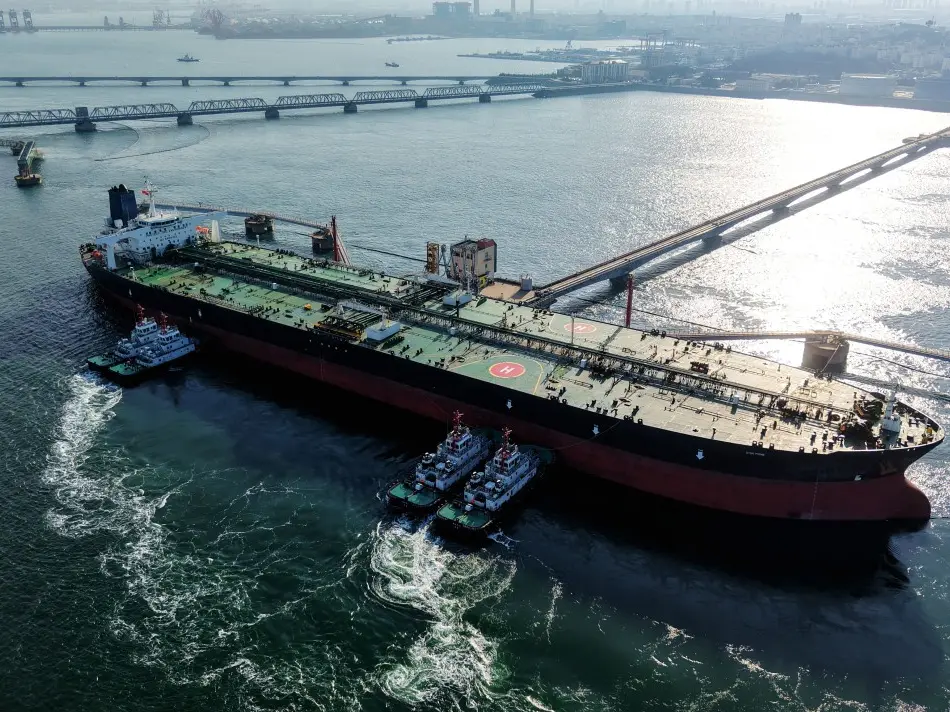
Representative Photo | A crude oil tanker Photograph: (AFP)
Iran's military has started charging the fee on an ad hoc basis, establishing an informal toll on the world's most important waterway, Bloomberg said, citing people familiar with the matter.
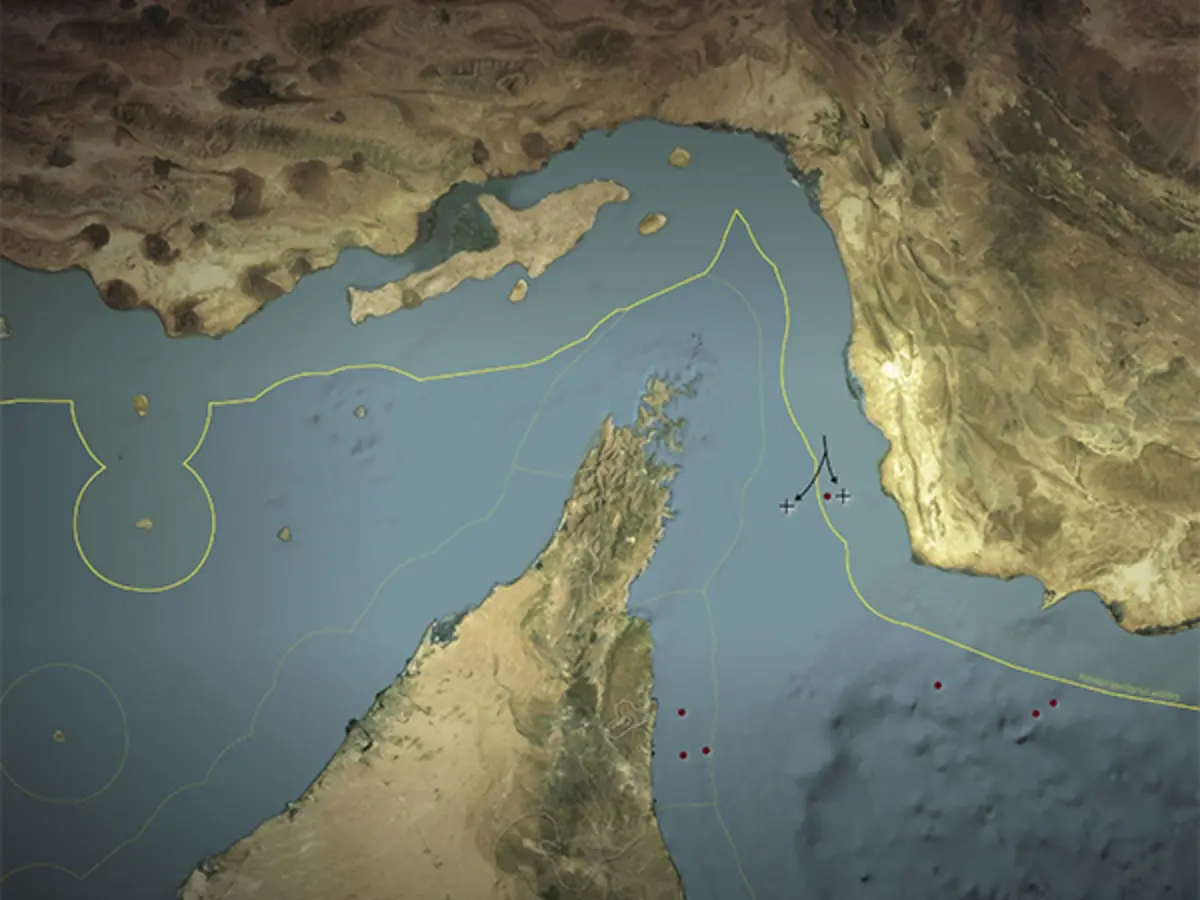
Amid a raging energy crisis over Iran's effective closure of the Strait of Hormuz, Tehran has begun levying "transit fees" of up to $2 million per voyage on select commercial vessels navigating the key waterway, Bloomberg reported.
Iran's military has started charging the fee on an ad hoc basis, establishing an informal toll on the world's most important waterway, Bloomberg said, citing people familiar with the matter. It added that several ships have made the payments, though the mechanism of the operations remains unclear, including details such as the currency used.
These developments show Iran's firm grip over the world's most important waterway, as it announced the effective closure of the strait after the US-Israel joint bombing campaign against the Islamic Republic, which began on February 28.
Energy prices surged above $100 following the closure of the Strait of Hormuz, which accounts for nearly one-fifth of global crude and gas shipments. On Monday, Donald Trump announced in a social media post a five-day postponement of all planned military strikes against Iranian power plants and energy infrastructure. The pause is intended to create a window for ongoing diplomatic efforts aimed at reaching a “complete and total resolution” of hostilities in the region.
Meanwhile, Iran has officially dismissed Trump’s assertion that the two countries are engaged in “very good and productive” conversations to resolve the conflict.
Trending Stories
&imwidth=280&imheight=210&format=webp&quality=medium)
&imwidth=280&imheight=210&format=webp&quality=medium)
&imwidth=280&imheight=210&format=webp&quality=medium)


&imwidth=280&imheight=210&format=webp&quality=medium)
&imwidth=280&imheight=210&format=webp&quality=medium)
&imwidth=280&imheight=210&format=webp&quality=medium)
&imwidth=280&imheight=210&format=webp&quality=medium)
&im=FitAndFill=(700,400)&imwidth=280&imheight=210&format=webp&quality=medium)
&imwidth=280&imheight=210&format=webp&quality=medium)
&imwidth=280&imheight=210&format=webp&quality=medium)
&imwidth=280&imheight=210&format=webp&quality=medium)
&imwidth=280&imheight=210&format=webp&quality=medium)
&imwidth=280&imheight=210&format=webp&quality=medium)
&imwidth=280&imheight=210&format=webp&quality=medium)
&imwidth=280&imheight=210&format=webp&quality=medium)
&imwidth=280&imheight=210&format=webp&quality=medium)
&im=FitAndFill=(700,400)&imwidth=280&imheight=210&format=webp&quality=medium)
&imwidth=280&imheight=210&format=webp&quality=medium)
&im=FitAndFill=(700,400)&imwidth=280&imheight=210&format=webp&quality=medium)
&imwidth=280&imheight=210&format=webp&quality=medium)
&imwidth=280&imheight=210&format=webp&quality=medium)
&imwidth=280&imheight=210&format=webp&quality=medium)
&imwidth=280&imheight=210&format=webp&quality=medium)
&imwidth=280&imheight=210&format=webp&quality=medium)
&imwidth=280&imheight=210&format=webp&quality=medium)
&imwidth=280&imheight=210&format=webp&quality=medium)
&imwidth=280&imheight=210&format=webp&quality=medium)
&imwidth=280&imheight=210&format=webp&quality=medium)
&imwidth=280&imheight=210&format=webp&quality=medium)
&imwidth=280&imheight=210&format=webp&quality=medium)
&imwidth=280&imheight=210&format=webp&quality=medium)
&imwidth=280&imheight=210&format=webp&quality=medium)
The US President has come under intense domestic and international pressure amid rising energy prices triggered by Iran’s closure of the Strait of Hormuz. Analysts suggest this pressure may have prompted Donald Trump to abruptly announce a pause in hostilities, alongside measures such as the deployment of additional Marines to West Asia.
Confusing messaging from Trump has also added to volatility, as he kept the US stance on the Strait of Hormuz unclear. Earlier, he had called for multilateral naval support from European allies to force open the vital waterway.
After being snubbed by partners, he said Washington was not concerned, as it does not depend on the strait for its energy needs. He again shifted his position by issuing a statement and abruptly announced a five-day pause.
New Delhi remains among the few that have been able to move vessels; still, the number remains very low. As of Tuesday, India successfully transited four India-flagged ships. Meanwhile, Prime Minister Narendra Modi, after a telephonic conversation with Trump, emphasised the need for freedom of navigation.
(Disclaimer: WION takes utmost care to accurately and responsibly report ongoing conflicts in West Asia involving Israel, Iran, the US, Gulf nations and non-state actors like Hezbollah, Hamas, Houthis, Islamic State, and others. Claims and counterclaims, disinformation and misinformation are being made online and offline. Given this context, WION cannot independently verify the authenticity of all statements, social media posts, photos and videos.)