David’s Sling vs Arrow 3: How Israel’s layered defence system hunts & destroys Iranian missile threats at different levels

While not originally designed to intercept long-range ballistic missiles, David’s Sling was first deployed against Iranian ballistic missiles during the June 2025 conflict, successfully downing several projectiles launched from 1,500 kilometres away.
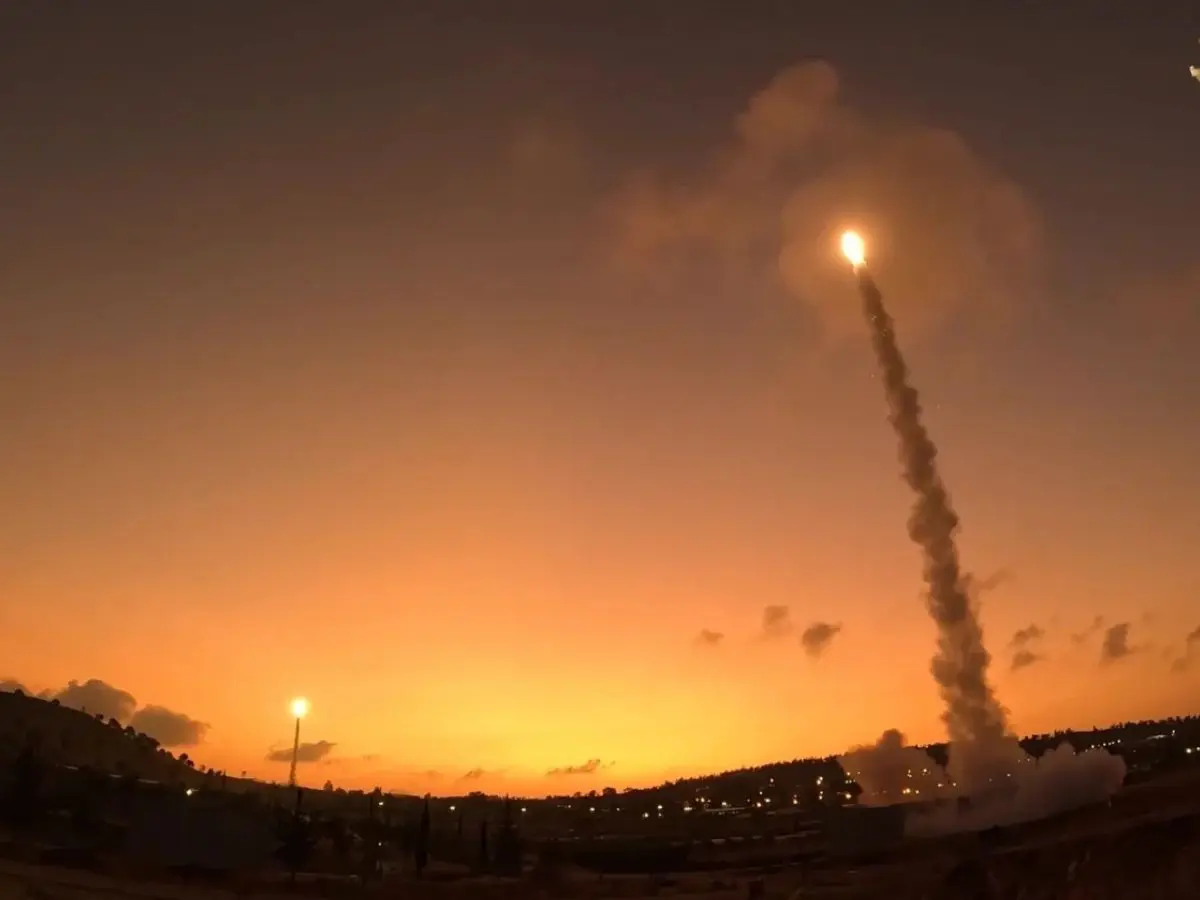
Understanding Israel’s layered missile defence
The modern battlefield over Israel is defined by a sophisticated, multi-tiered architecture designed to intercept a diverse spectrum of ballistic threats. Central to this shield are two distinct systems: David’s Sling and the Arrow 3. While often discussed interchangeably, they operate at different altitudes and physical domains. David’s Sling serves as the flexible mid-tier defender, whereas the Arrow 3 acts as the outer-space sentry. Together, they form a "system of systems" that provides Israel with the strategic depth required to face long-range salvos from the Iranian Islamic Revolutionary Guard Corps.
David’s Sling Faces Real-World Limitations
The technical limits of Israel’s layered missile defence were exposed when two Iranian ballistic missiles bypassed the mid-tier shield, striking Dimona and Arad. The Israeli Air Force confirmed that David’s Sling engaged both projectiles, but the system failed to achieve a kinetic kill, injuring four people, and caused extensive infrastructure damage. While not originally designed to intercept long-range ballistic missiles, David’s Sling was first deployed against Iranian ballistic missiles during the June 2025 conflict, successfully downing several projectiles launched from 1,500 kilometres away. According to the Times of Israel, using the medium-range David’s Sling instead of the Arrow 3 is part of a strategic effort to conserve Israel’s stock of expensive long-range interceptors.
The Exo-Atmospheric Guardian: Arrow 3
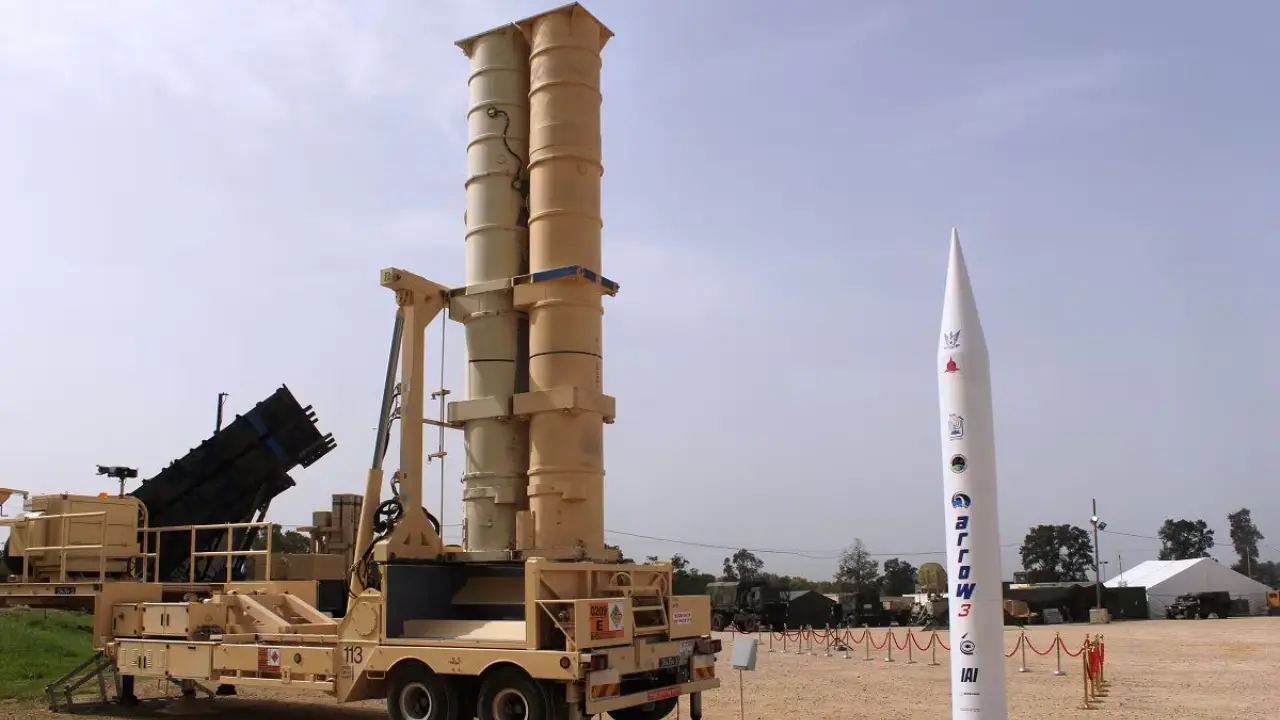
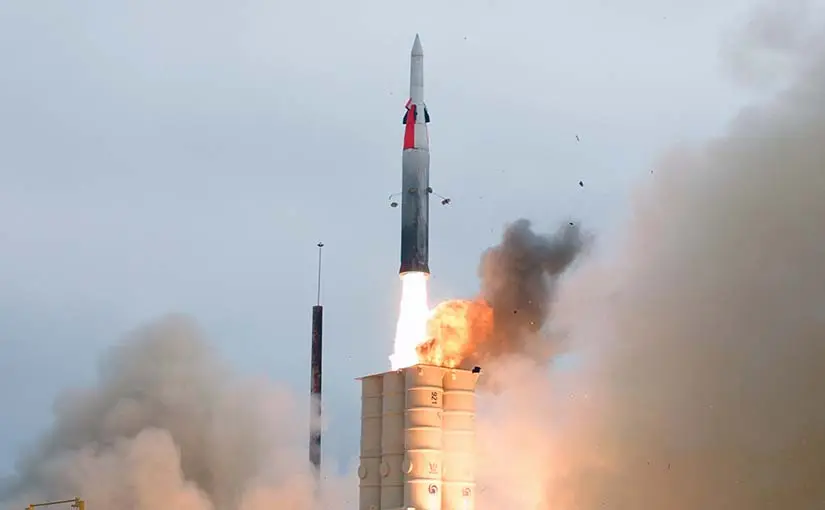
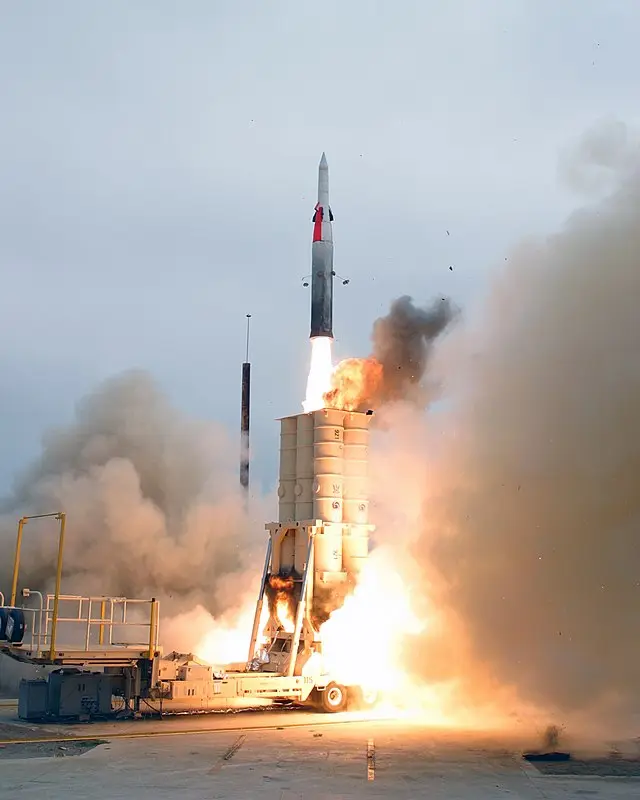
Arrow 3 is an exo-atmospheric interceptor designed to engage long-range ballistic missile threats, forming the upper tier of Israel’s missile defence network. Integrated seamlessly into the Arrow Weapon System (AWS), it complements both current and future blocks of the Arrow 2 interceptor, providing multiple engagement opportunities at high altitude. With a large kinematic envelope and short time-of-flight, Arrow 3 enables repeated interception attempts against incoming threats.
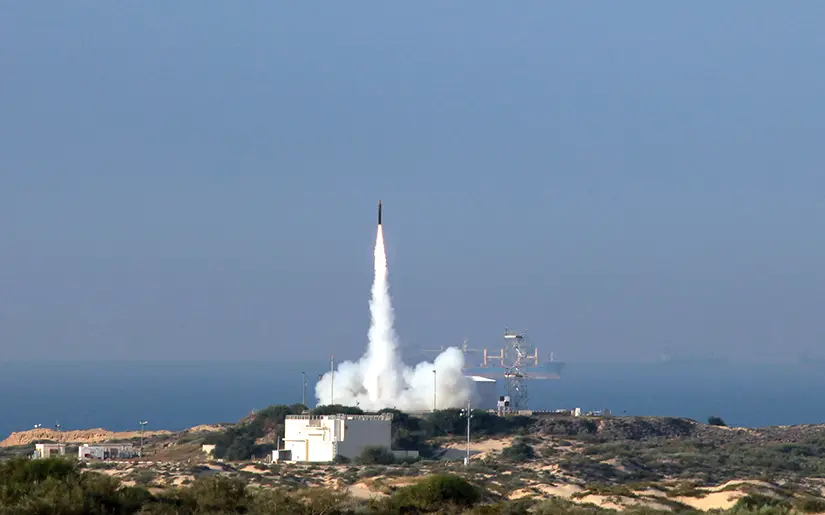
A stand-alone ATBM defence system
The system demonstrates high lethality against all types of tactical ballistic missiles and warheads, making it a critical component of the AWS, which is recognised as the world’s first operational, national, stand-alone anti-tactical ballistic missile (ATBM) defence system.
The Mid-Tier Workhorse: David’s Sling
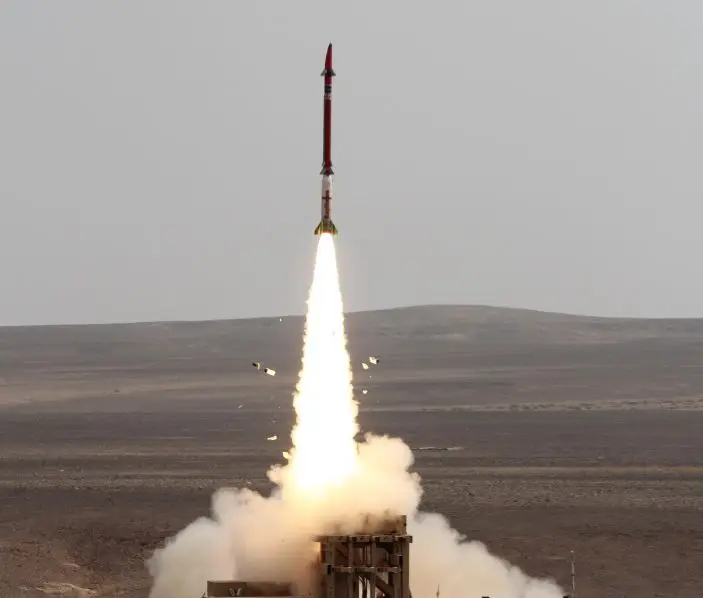
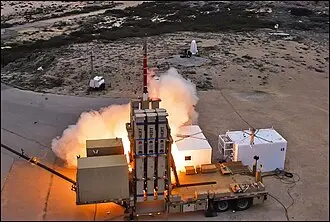
The David’s Sling system is a key component of Israel’s multi-tiered missile defence architecture, providing mid-tier regional protection. It delivers terminal-phase, hit-to-kill defence against tactical ballistic missiles, medium- to long-range rockets, aircraft, drones, and cruise missiles, including Scud-class projectiles. At the heart of the system is the multi-pulse Stunner missile, which employs sophisticated sensors, advanced control systems, and an active electronically scanned array (AESA) multi-mission radar for precise targeting and guidance.
two-stage manoeuvrable interceptor
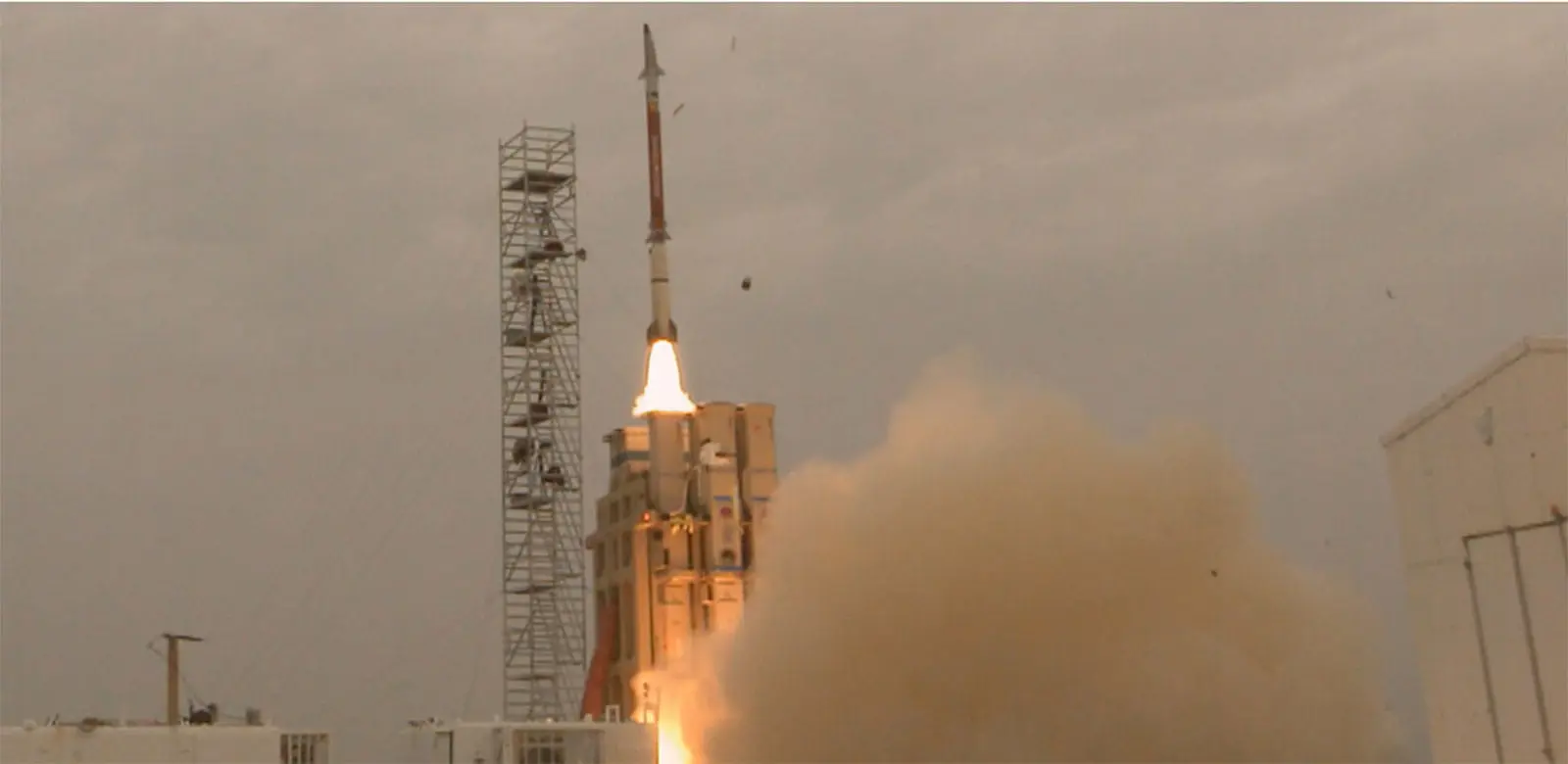
The Stunner is a two-stage, manoeuvrable interceptor with no warhead, neutralising threats solely through the force of impact. Demonstrating its effectiveness, the Stunner has proven capable of defeating all short-range ballistic missiles, covering 92 per cent of the global theatre ballistic missile threat inventory.
A Comparative Analysis of Interception Costs
The decision to fire one system over the other is often dictated by a cold economic and tactical calculus. Each Arrow 3 interceptor is estimated to cost approximately $2.5 million per launch, reflecting its complex space-flight capabilities. In contrast, the David’s Sling Stunner missile costs roughly $1 million per unit. By utilising David’s Sling for medium-range threats that do not require exo-atmospheric engagement, the Israeli Air Force can preserve its more expensive Arrow 3 inventory for high-altitude, strategic threats, effectively managing national defence resources during prolonged conflicts.
The Physics of Impact: Hit-to-Kill Technology
Both systems represent a departure from traditional ‘blast-fragmentation’ missiles. Instead of carrying an explosive warhead that detonates near a target, the Stunner and the Arrow 3 utilise kinetic kill vehicles. Raytheon notes that the Stunner is a "two-stage, hit-to-kill interceptor' that destroys threats with the "sheer force of impact."
)
)

)
)