IEA to release record 400 million barrels of oil as Middle East war disrupts markets

&imwidth=600&imheight=450&format=webp&quality=medium "IEA to release record 400 million barrels of oil as Middle East war disrupts markets")
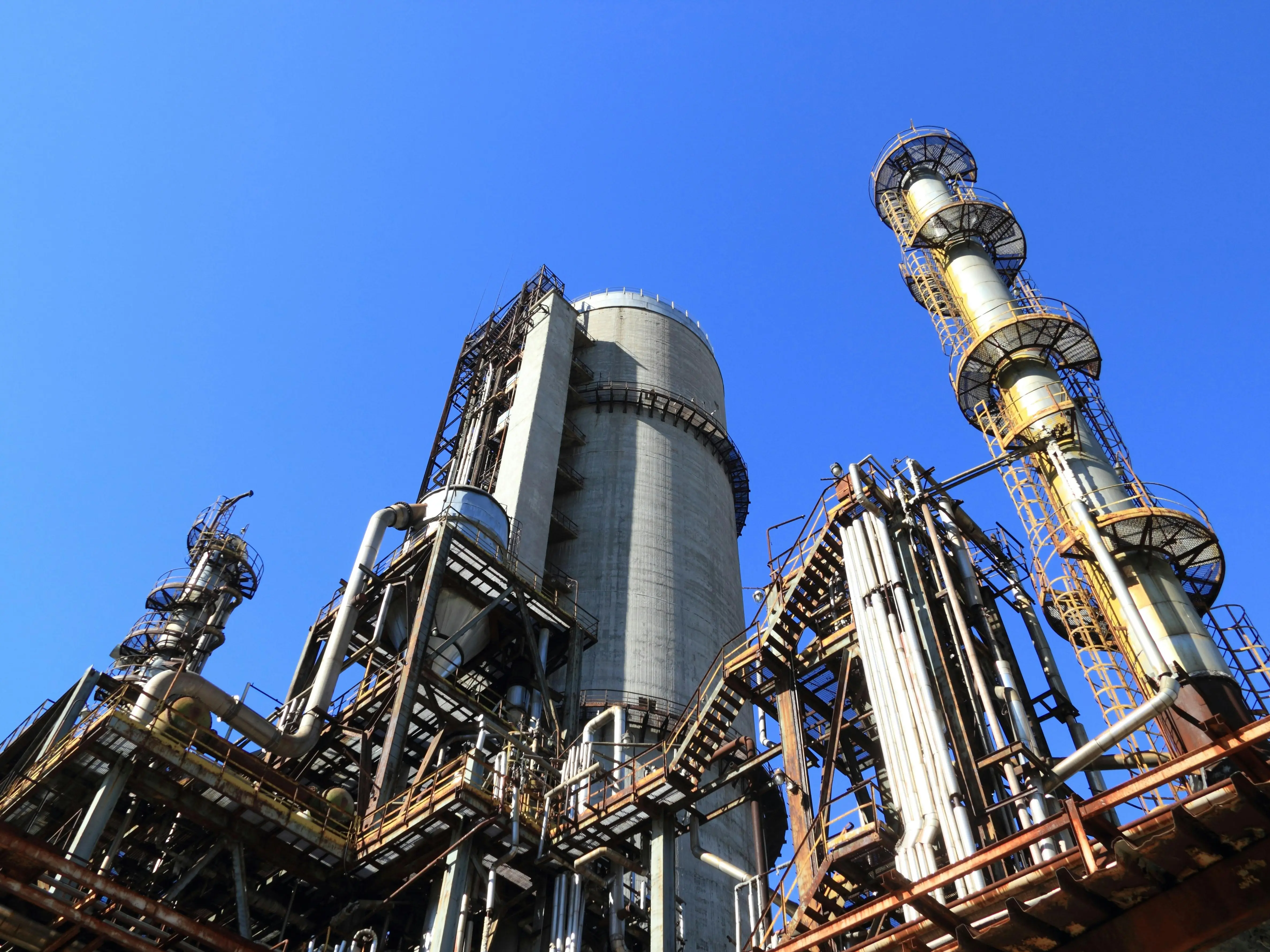
For representative purpose only Photograph: (Pexels)
IEA to release record 400 million barrels of emergency oil reserves as Iran disrupts Strait of Hormuz shipping, aiming to stabilise global energy markets
The International Energy Agency (IEA) announced on Wednesday (March 11) that it will release the largest amount of emergency oil reserves in its history to stabilise global energy markets amid the ongoing war in the Middle East. The Paris-based energy watchdog said 400 million barrels of oil will be made available from emergency reserves held by its member countries. The move exceeds the 182.7 million barrels released in 2022 when the IEA’s 32 members responded to the Russian invasion of Ukraine.
“Without sufficient routes to market and with no more available storage, Middle East oil producers have started to reduce production,” IEA executive director Fatih Birol said. “And we have seen further attacks and damage to energy and energy-related infrastructure. Refinery operations have also been disrupted, with major implications for jet fuel and diesel supplies in particular.” IEA members currently hold more than 1.2 billion barrels of public emergency oil stocks, along with another 600 million barrels of industry stocks that are maintained under government mandates.
The move comes as tensions rise in the Persian Gulf following military strikes by the United States and Israel on Iranian targets. In retaliation, Iran has attacked commercial vessels across the Persian Gulf and tightened pressure on regional energy routes. Iran has effectively halted cargo traffic through the Strait of Hormuz, a crucial shipping lane that carries roughly one-fifth of the world’s oil exports from the Persian Gulf toward the Indian Ocean. The country has also targeted oil facilities and refineries in Gulf Arab nations, aiming to create global economic pressure on the United States and Israel to end their strikes.
Earlier on Wednesday, Germany, Austria, and Japan confirmed they would release parts of their oil reserves following the IEA request. Energy ministers from the Group of Seven (G7) met on Tuesday at IEA headquarters in Paris to discuss measures to curb rising energy prices. “This is a major action aiming to alleviate the immediate impacts of the disruption in markets,” Birol added. “But, to be clear, the most important thing for a return to stable flows of oil and gas is the resumption of transit through the Strait of Hormuz.”
Birol noted that 15 million barrels per day of crude oil and another five million barrels per day of oil products typically pass through the strait. “This amounts to around 25% of the world’s oil trade via sea. And now the flows of oil, gas, and other commodities through the strait have all but stopped.” The G7 includes Canada, the United States, France, Italy, Japan, Germany, and the United Kingdom. Leaders of the group, including US President Donald Trump, met via videoconference on Wednesday to discuss energy challenges linked to the conflict.
Trending Stories
)
)
)
)
)
)
)
&im=FitAndFill=(700,400))
)
)
)
)
)
)
)
&im=FitAndFill=(700,400))
)
)
)
)
)
&im=FitAndFill=(700,400))
)
)
)
)
)
)
)
)
)
)
)
)
)
)
)
)
During the meeting, French President Emmanuel Macron praised the IEA’s decision, noting that the release equals roughly 20 days of exports normally passing through the Strait of Hormuz. “I think it’s very important to see as well everything we can do to increase our global production,” Macron added. Germany’s economy minister, Katherina Reiche, said Berlin had been asked to release 2.64 million tons of oil reserves, though the amount to be released by Austria was not immediately confirmed.
She said it would take a few days before the first shipments reach markets. “Germany stands behind the IEA’s most important principle of mutual solidarity,” Reiche said. Germany also plans to introduce a rule allowing gas stations to increase fuel prices only once per day as authorities try to limit sharp price spikes.
According to the IEA, current exports of crude and refined products are below 10% of pre-war levels. In Austria, Economy Minister Wolfgang Hattmannsdorfer said fuel price increases will be limited to three times per week starting Monday, while the country also releases part of its strategic oil reserves and expands its national gas reserve. “One thing is clear: in a crisis, there must be no crisis winners at the expense of commuters and businesses.”
The IEA was created in 1974 following the 1973 oil crisis to coordinate global responses to energy disruptions. Emergency reserves have been tapped five times previously, including during the Gulf War, after Hurricane Katrina, during the Libyan Civil War, and twice following the war in Ukraine. Birol also warned that natural gas markets are under severe strain, especially in Asia. “There are few options to replace the missing LNG cargoes from Qatar and the Emirates,” he said. “Global energy supply has been reduced by around 20%.”
Disclaimer: WION takes utmost care to accurately and responsibly report ongoing conflicts in West Asia involving Israel, Iran, the US, Gulf nations, and non-state actors like Hezbollah, Hamas, Houthis, Islamic State, and others. Claims and counterclaims, disinformation and misinformation are being made online and offline. Given this context, WION cannot independently verify the authenticity of all statements, social media posts, photos, and videos.

