How the Israel-Lebanon ceasefire happened in 48 hours: Timeline, key terms, what the deal includes and what happens next

&imwidth=600&imheight=450&format=webp&quality=medium "How the Israel-Lebanon ceasefire happened in 48 hours: Timeline, key terms, what the deal includes and what happens next")
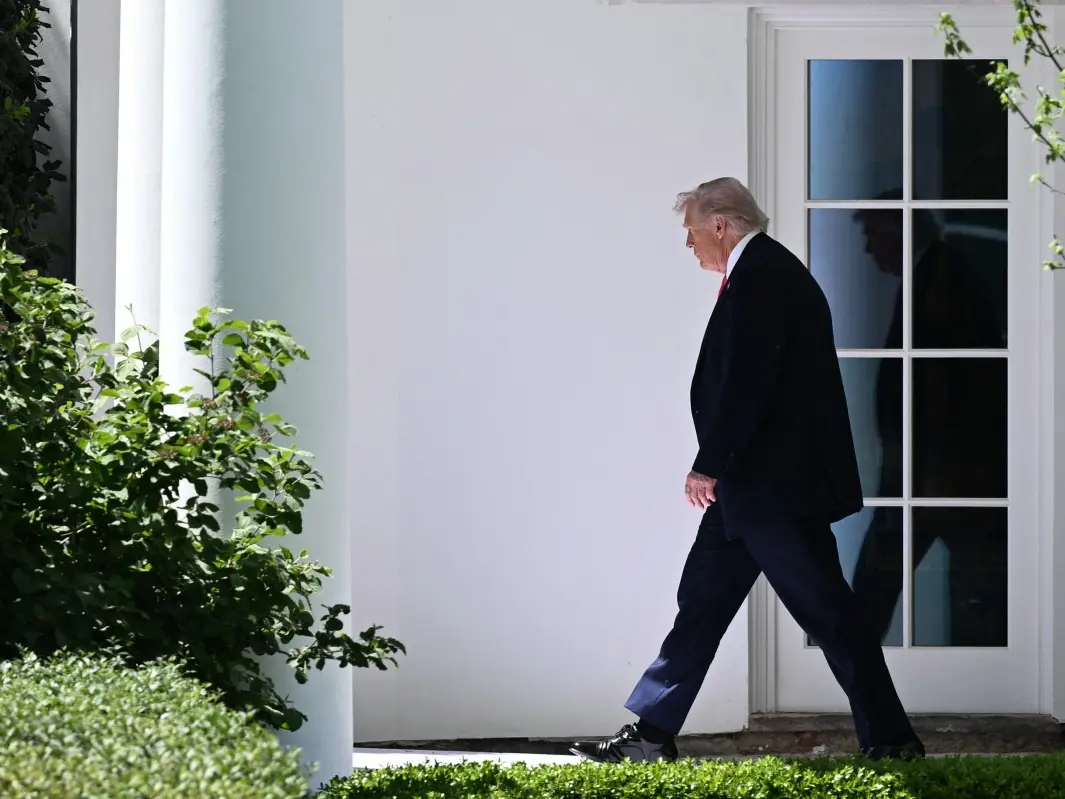
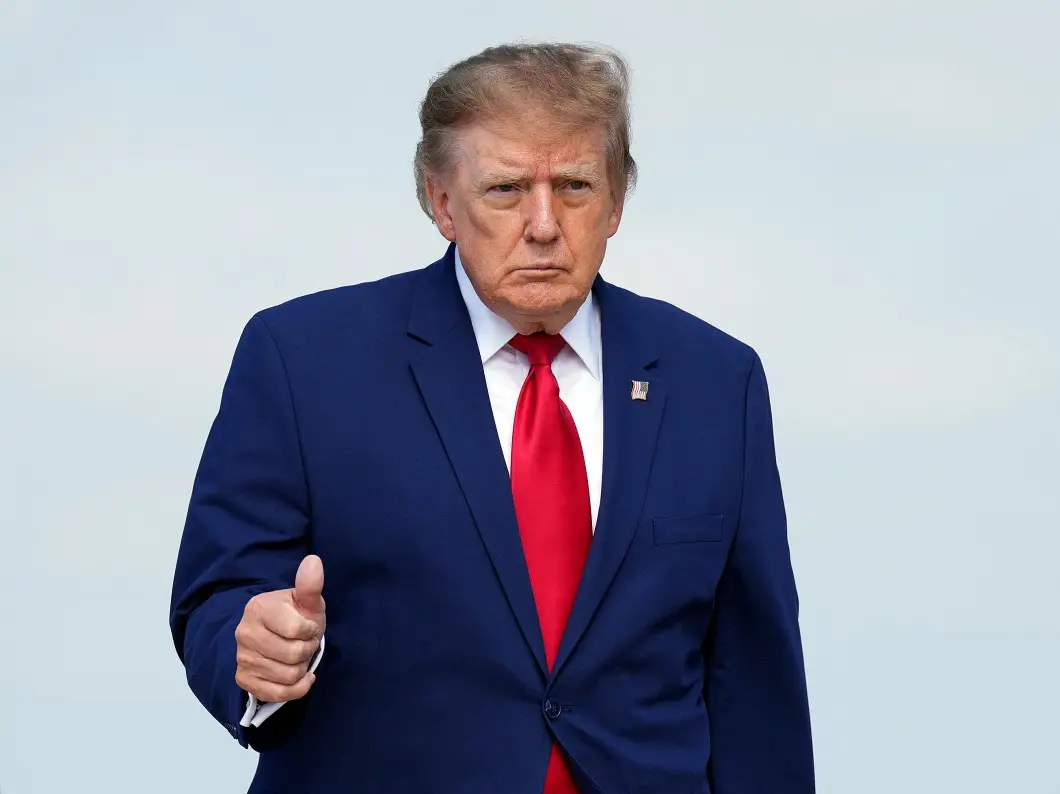
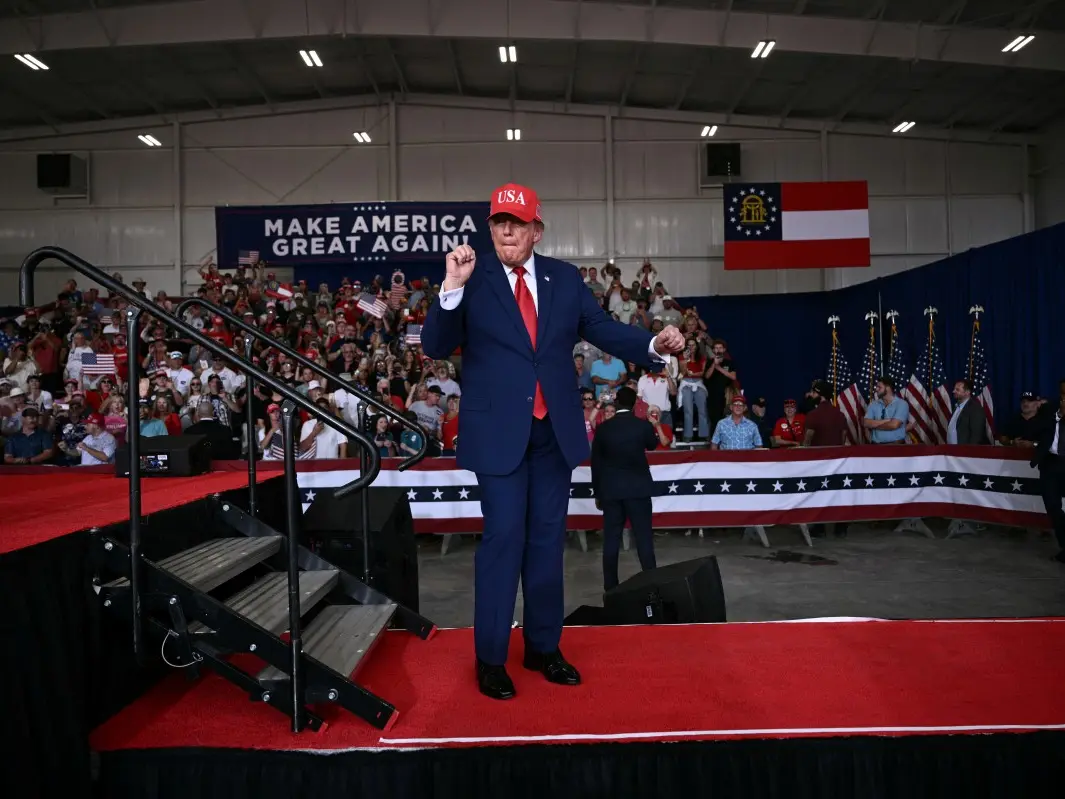
US President Donald Trump after the press conference on Thursday Photograph: (AFP)
US details Israel-Lebanon ceasefire timeline and terms, including self-defense rights, Hezbollah curbs, and possibility of extending the truce
The White House on Thursday (April 16) detailed how the Israel-Lebanon ceasefire was negotiated over a rapid series of high-level diplomatic engagements, while the US State Department simultaneously released a six-point statement outlining the terms of the agreement. According to a White House official, the process started on Tuesday (April 14) when Secretary of State Marco Rubio met with ambassadors from Israel and Lebanon. During that meeting, Lebanon acknowledged that Hezbollah is a ‘mutual problem'.
On Wednesday (April 15) evening, President Donald Trump spoke with Israeli Prime Minister Benjamin Netanyahu, who agreed to the ceasefire ‘with certain terms’, though specifics were not disclosed. Trump then directed Rubio to contact Lebanese President Joseph Aoun. In that overnight call, Rubio secured Lebanon’s agreement to the ceasefire. On Thursday (April 16) morning, Trump held follow-up calls with Aoun and Netanyahu to finalise the deal.
At the same time, the State Department worked with both governments to draft a memorandum of understanding (MOU). The six-point statement, agreed to by Israel and Lebanon, sets out the framework for the ceasefire, which started at 5 pm ET on Thursday (April 16).
What is the 6-point statement in terms of Lebanon ceasefire?
- The agreement describes the truce as a gesture of goodwill by the Government of Israel, intended to enable good-faith negotiations toward a permanent security and peace agreement between Israel and Lebanon.
- “Israel shall preserve its right to take all necessary measures in self-defense, at any time, against planned, imminent, or ongoing attacks. This shall not be impeded by the cessation of hostilities,” the statement says. Besides this, it will not carry out any offensive military operations against Lebanese targets, including civilian, military, and other state targets, in the territory of Lebanon by land, air, and sea.
- The statement adds that the ceasefire may be extended by mutual agreement between Lebanon and Israel if progress is demonstrated in the negotiations and as Lebanon effectively demonstrates its ability to assert its sovereignty.
- It also outlines Lebanon’s responsibilities going forward: “From April 16, 2026, at 17:00 EST, forward, with international support, the Government of Lebanon will take meaningful steps to prevent Hezbollah and all other rogue non-state armed groups in the territory of Lebanon from carrying out any attacks, operations, or hostile activities against Israeli targets,” it says.
- The agreement emphasizes that Lebanon’s official security forces hold sole authority over national defense: “All parties recognize Lebanon’s security forces as having exclusive responsibility for Lebanon’s sovereignty and national defense; no other country or group has claim to be the guarantor of Lebanon’s sovereignty,” the MOU notes.
- Finally, both countries have asked the US to continue facilitating negotiations: “Israel and Lebanon request that the United States facilitate further direct negotiations between the two countries with the objective of resolving all remaining issues, including demarcation of the international land boundary, with a view to concluding a comprehensive agreement that ensures lasting security, stability, and peace between the two countries,” the final point says.
Trending Stories
&imwidth=280&imheight=210&format=webp&quality=medium)
&imwidth=280&imheight=210&format=webp&quality=medium)
&imwidth=280&imheight=210&format=webp&quality=medium)
&imwidth=280&imheight=210&format=webp&quality=medium)
&imwidth=280&imheight=210&format=webp&quality=medium)
&imwidth=280&imheight=210&format=webp&quality=medium)
&imwidth=280&imheight=210&format=webp&quality=medium)
&imwidth=280&imheight=210&format=webp&quality=medium)
&imwidth=280&imheight=210&format=webp&quality=medium)
&imwidth=280&imheight=210&format=webp&quality=medium)
&imwidth=280&imheight=210&format=webp&quality=medium)
&imwidth=280&imheight=210&format=webp&quality=medium)

&imwidth=280&imheight=210&format=webp&quality=medium)
&imwidth=280&imheight=210&format=webp&quality=medium)
&imwidth=280&imheight=210&format=webp&quality=medium)
&imwidth=280&imheight=210&format=webp&quality=medium)
&imwidth=280&imheight=210&format=webp&quality=medium)
&imwidth=280&imheight=210&format=webp&quality=medium)
&im=FitAndFill=(700,400)&imwidth=280&imheight=210&format=webp&quality=medium)
&imwidth=280&imheight=210&format=webp&quality=medium)
&imwidth=280&imheight=210&format=webp&quality=medium)
&imwidth=280&imheight=210&format=webp&quality=medium)
&imwidth=280&imheight=210&format=webp&quality=medium)
&imwidth=280&imheight=210&format=webp&quality=medium)
&imwidth=280&imheight=210&format=webp&quality=medium)
&imwidth=280&imheight=210&format=webp&quality=medium)
&im=FitAndFill=(700,400)&imwidth=280&imheight=210&format=webp&quality=medium)
&imwidth=280&imheight=210&format=webp&quality=medium)
&im=FitAndFill=(700,400)&imwidth=280&imheight=210&format=webp&quality=medium)
&imwidth=280&imheight=210&format=webp&quality=medium)
&imwidth=280&imheight=210&format=webp&quality=medium)
&im=FitAndFill=(700,400)&imwidth=280&imheight=210&format=webp&quality=medium)
&imwidth=280&imheight=210&format=webp&quality=medium)
&imwidth=280&imheight=210&format=webp&quality=medium)
&imwidth=280&imheight=210&format=webp&quality=medium)
Israel has indicated it will maintain its military presence in Lebanon during the ceasefire period.
Disclaimer: WION takes utmost care to accurately and responsibly report ongoing conflicts in West Asia involving Israel, Iran, the US, Gulf nations, and non-state actors like Hezbollah, Hamas, Houthis, Islamic State, and others. Claims and counterclaims, disinformation and misinformation are being made online and offline. Given this context, WION cannot independently verify the authenticity of all statements, social media posts, photos, and videos.

