

&imwidth=800&imheight=600&format=webp&quality=medium "H-1B visa fee hike and call for Indians to return: What India can learn from China's efforts to repatriate its high-skilled talent")
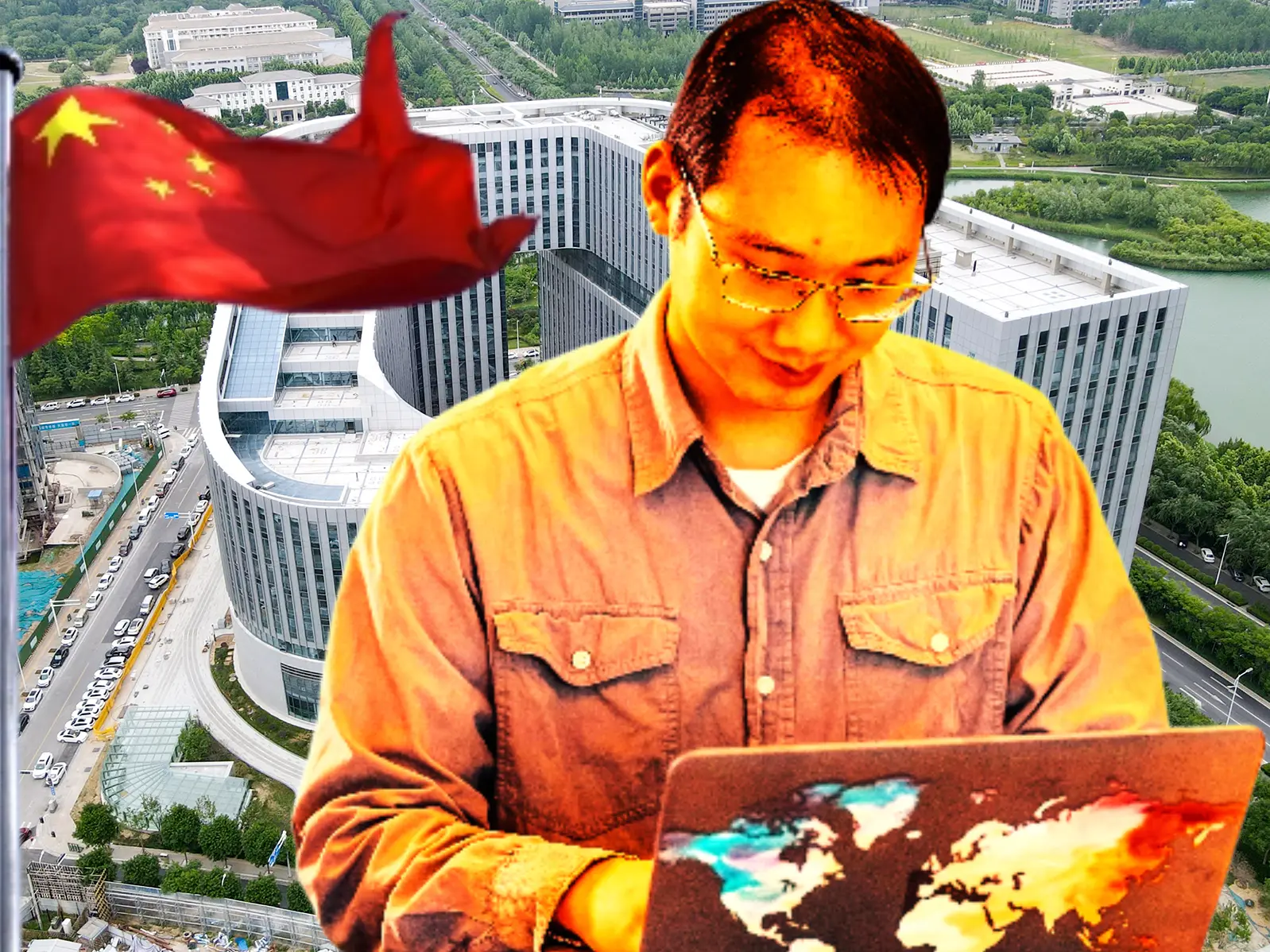
Indian high-skilled professionals are facing a moment of reckoning as the US hiked the much-used H-1B visa fees to $100,000. The anger and frustration have evolved into a call for Indians to return, to build back at home. One country that has succeeded in repatriating its high-tech professionals is China. Over the past decades, it has used incentives as well as punishments to bring back the Chinese from foreign lands to start innovations and businesses in China. Many of the top tech startup CEOs had been abroad at some point in their lives. But now they are building back at home, helping China emerge as a global innovation hub that currently challenges the US and the West.
How China reversed brain drain
China is home to tech giants like Huawei, ByteDance (owner of TikTok), BYD and DJI. In past decades, a meticulous strategy combining generous incentives with subtle, and sometimes coercive, punishments, was used by the Chinese government to bring back its high-skilled tech talent.
China wants its brightest minds, especially those educated or working in the West, to return and contribute to building China’s domestic innovation ecosystem.
The approach combined financial carrots with legal, social, and political sticks.
Trending Stories
&imwidth=180&imheight=135&format=webp&quality=medium)
'My name has always been Ilhan Omar': Congresswoman hits back at Trump, calls him a 'creep'
&imwidth=180&imheight=135&format=webp&quality=medium)
Gravitas | US attack could trigger WW III: Russian planes in Tehran, Israeli jets, US warships in action
&imwidth=180&imheight=135&format=webp&quality=medium)
Viral video shows cross falling on Colombia priest, no official confirmation | WATCH
&imwidth=180&imheight=135&format=webp&quality=medium)
US Navy, Marine Corps boards defy Trump's transgender military ban, vote to retain troops
&imwidth=180&imheight=135&format=webp&quality=medium)
Will the US attack Iran this weekend? Trump's envoy says, 'absolutely'
&imwidth=180&imheight=135&format=webp&quality=medium)
Fauzi teaser out: Prabhas takes on the British Empire in patriotic avatar | Watch
&imwidth=180&imheight=135&format=webp&quality=medium)
India-China face-off continues near Arunachal’s Taksing, reveals ITBP chief in first official confirmation of tensions
&imwidth=180&imheight=135&format=webp&quality=medium)
Nairobi building collapse: Several feared trapped after 16-storey structure crumbles; rescue operation underway
&imwidth=180&imheight=135&format=webp&quality=medium)
Pakistan airline PIA unveils new crew uniforms, faces online criticism
&imwidth=180&imheight=135&format=webp&quality=medium)
Did Neha Bora call for Bangladesh-like GenZ protest, 'anarchy' in India? WION Fact-checks viral claim
&imwidth=180&imheight=135&format=webp&quality=medium)
'Already tired of his 9-to-5': Baby born with a moustache becomes internet sensation, video goes viral | Watch
&imwidth=180&imheight=135&format=webp&quality=medium)
Horrific video shows the moment 18-year-old fell to her death from Mexico amusement park ride
&imwidth=180&imheight=135&format=webp&quality=medium)
'Black triangle' UFO flying at 1,800mph spotted over sensitive US site: Latest Trump admin UFO file dump
&imwidth=180&imheight=135&format=webp&quality=medium)
IND-W vs ZIM-W, 1st ODI: Rawal, Charani star in India’s nine-wicket win over Zimbabwe
&imwidth=180&imheight=135&format=webp&quality=medium)
Massive 7.2 magnitude quake off Vanuatu triggers tsunami warning for coasts within 300 km
&imwidth=180&imheight=135&format=webp&quality=medium)
Google Fitbit Air’s new health guardian feature tracks trends: How it works
&imwidth=180&imheight=135&format=webp&quality=medium)
US midterms 2026: Trump revises Canada tariffs as Susan Collins faces tight re-election race in Maine
&imwidth=180&imheight=135&format=webp&quality=medium)
US midterms 2026: Viral video claims Lindsey Graham paid underage men for sex; clip released weeks before his sister's Senate race
&imwidth=180&imheight=135&format=webp&quality=medium)
IND vs NZ 2nd T20I: Shreyas Iyer on brink of breaking Rohit Sharma’s record
&imwidth=180&imheight=135&format=webp&quality=medium)
AI deepfakes are spreading online: Why is removing them so difficult?
&imwidth=180&imheight=135&format=webp&quality=medium)
China's dancing robot turns violent bodyguard, lifts cars and fights intruders - Watch
&imwidth=180&imheight=135&format=webp&quality=medium)
Global cybersecurity alert: PHP flaws trigger website shutdowns as hack attempts surge into millions
&imwidth=180&imheight=135&format=webp&quality=medium)
'You’re a horrible little reporter, aren’t you?': Trump snaps at NBC reporter questioning his support for Ramaswamy's campaign ad
&imwidth=180&imheight=135&format=webp&quality=medium)
Chemical warehouse explosion in Mexico: Several injured in multiple blasts, 1,000 evacuated in León
&imwidth=180&imheight=135&format=webp&quality=medium)
US charges two former FBI officials with lying to Congress about Hunter Biden probes. 'Politically motivated' Trump grievance or something else?
&im=FitAndFill=(700,400)&imwidth=180&imheight=135&format=webp&quality=medium)
How smart robots and AI assemble vehicles in 20 hours
&im=FitAndFill=(700,400)&imwidth=180&imheight=135&format=webp&quality=medium)
New Friday OTT releases (October 23, 2026): Gajab Raat, Dorothy, Chaar Yaar- Watch these 6 new movies and TV shows on Netflix, Prime Video and more
&imwidth=180&imheight=135&format=webp&quality=medium)
Anthropic security chief issues grim cyberattack warning: ‘It’s going to get a lot worse’
&imwidth=180&imheight=135&format=webp&quality=medium)
Tu Hai Meri Kiran film review: Sonakshi Sinha and Zaheer Iqbal's thriller gets tangled in its own twists
&imwidth=180&imheight=135&format=webp&quality=medium)
First Lady Melania Trump secures ceasefire between Russia, Ukraine in Oleshky: White House
&imwidth=180&imheight=135&format=webp&quality=medium)
Negotiators from Ukraine, Russia, United States to meet in Abu Dhabi: Zelensky
&imwidth=180&imheight=135&format=webp&quality=medium)
Farooq Abdullah says Pakistan’s raising of Kashmir issue keeps pressure on Delhi
&imwidth=180&imheight=135&format=webp&quality=medium)
Emmanuel Macron calls Paris suburb shooting a 'racist terrorist attack' after one killed, several injured
Thousand Talents: How China’s talent repatriation campaign offered world-class incentives
Scientists and entrepreneurs were promised grants of up to ¥200 million, preferential access to housing, healthcare, subsidies, and priority in securing venture capital. Programmes like the Thousand Talents Plan (TTP), the Young Thousand Talents (YTT), and the Qiming Plan aggressively recruited top-tier Chinese professionals abroad, especially in strategic fields like artificial intelligence, semiconductors, biotech, and electric vehicles.
With the state offering rent subsidies, tax breaks, and startup support, cities like Shenzhen and Shanghai became magnets for Chinese returnees.
Startup incubators like Zhongguancun in Beijing provided infrastructure and mentorship, while institutions like Tsinghua Holdings fostered deep integration between academia and enterprise.
The result? Chinese returnees now make up a reported 70 per cent of Shenzhen’s tech workforce and have founded 80 per cent of the country’s AI startups.
China also streamlined its immigration and residency systems to support this return flow of emigrants.
High-end talent visas, fast-tracked household registration known as 'hukou', and priority schooling and housing for families made it easier for skilled professionals to resettle in major innovation hubs.
Disincentives designed to make staying abroad increasingly unattractive
State-sponsored students, particularly those funded by the China Scholarship Council (CSC), were bound by contracts requiring them to return to China. Failing this would lead to penalties that include repayment of full tuition and living costs that run up to $100,000, or even legal action.
This made the price of staying abroad prohibitively high for many Chinese expats.
The Chinese Social Credit System also played a role. Those who failed to return or started 'unauthorised ventures' abroad could be blacklisted. This then led to restrictions in their access to credit, travel, or even schooling for their children back in China.
Families of non-returnees also faced social stigma, amplified by state media campaigns promoting national service and loyalty.
Moreover, returnees who attempted to collaborate with or join foreign tech firms often risked violating Chinese National Security and Cybersecurity laws. Sharing sensitive technology with foreign entities was criminalised, and data localisation was required for Chinese firms.
In effect, these curbs created high barriers for overseas engagement for Chinese tech professionals.
Losing citizenship and access to startup ecosystem: Hidden cost of not returning for Chinese
Chinese citizens holding foreign passports were further disincentivised by the country's ban on dual citizenship.
Choosing to remain abroad meant losing access to China’s domestic startup ecosystem, government funding, and even property rights.
This led many to forgo foreign nationality in order to keep their foothold in the Chinese market.
China's strong state control over its startup ecosystem
Companies that did not align with state-defined strategic goals, especially post-2018 tech tensions with the US, faced the withdrawal of subsidies, funding, or market access.
Hundreds of ventures that failed to deliver results were excluded from major incubators and denied participation in government contracts.
China also ramped up investment in strategic areas, such as the $48 billion Big Fund III.
Launched in 2024, this financial initiative funnelled capital into chip manufacturing.
Programmes like the Qiming Plan gave semiconductor firms generous funding.
Staggering results: Millions of Chinese return
As per data from 2023, more than one million Chinese students have returned annually.
Some global brands emerged from this reverse migration.
For instance, DJI now dominates the global drone market with a 70 per cent share.
BYD accounts for 20 per cent of global electric vehicle sales.
SenseTime, a major AI player, has reached a valuation of $3 billion.
China now ranks first globally in patent filings and accounts for 30 per cent of global unicorn value.
Reverse brain drain helped China become innovation hub
China has not only reversed its brain drain. It used its talent as a lever to assert technological sovereignty and economic resilience amid global decoupling trends and protectionism from America.
China blended opportunity and obligation, incentives and punishments, in its long march towards self-reliance in the technology sector. It is a controversial, yet powerful model for national innovation.
The global tech race is intensifying. For Indian policymakers, China's example underscores a broader truth: attracting talent is no longer just about offering a better salary or lab.
It is about building an entire ecosystem that makes leaving the homeland the harder—not the easier—choice, and returning an attractive option.
India can avoid the punishment-disincentive part of this system, and concentrate on the incentives and ecosystem-building aspects of the Chinese model.
Because it is high time.

