Frozen billions: Iran’s money and peace talks explained

&imwidth=600&imheight=450&format=webp&quality=medium "Frozen billions: Iran’s money and peace talks explained")
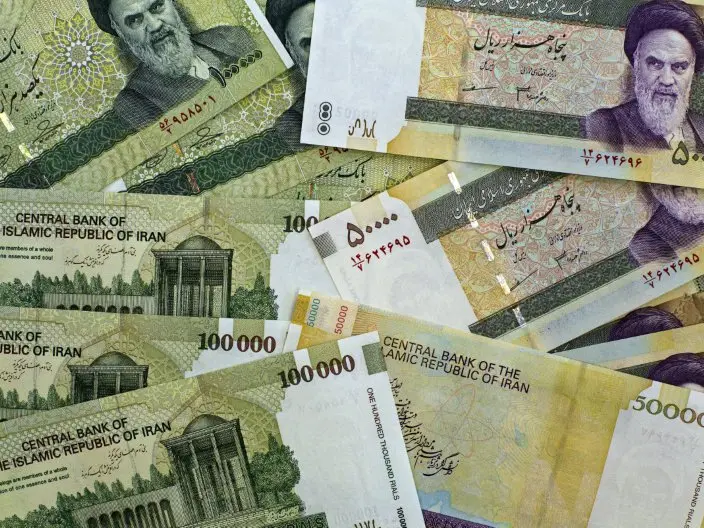
A picture taken on April 11, 2011 shows Iran's biggest denomination currencies, 100000 Rials and 50000 Rials in Tehran. Photograph: (AFP)
Today, Iran’s money is spread across many countries. Japan holds about $1.5 billion (around ₹13,950 crore), Iraq around $6 billion (around ₹55,800 crore), China about $20 billion (around ₹1,86,000 crore), and India around $7 billion (around ₹65,100 crore).
The United States and Iran may soon come back to the table for talks, and this time, Pakistan is trying to help both sides move forward. There is fresh hope that discussions could reduce tensions and possibly stop the ongoing conflict in West Asia. But there is one big issue standing at the centre of everything — Iran wants access to its money that is frozen in different countries.
This frozen money is not small. It is estimated to be over $100 billion (around ₹9.3 lakh crore). For any agreement to happen, Iran is likely to push strongly to get at least part of this money released.
So, what exactly is this frozen money, and why does it matter so much?
Frozen assets simply mean money or property that a country owns but cannot use. This happens because other countries or international bodies block access due to sanctions or legal reasons. In Iran’s case, much of this money is sitting in foreign banks, untouched.
Earlier, Iran used to earn large amounts of foreign currency like dollars and euros through oil exports and trade. This money was stored in global banks as reserves. These reserves are important for any country because they help maintain the value of its currency and give confidence to its economy.
But things changed after 1979. That year, a major crisis took place when American citizens were held inside the US embassy in Tehran for more than 400 days. This incident broke relations between the two countries. Soon after, the United States froze about $12 billion (around ₹1.12 lakh crore) of Iran’s assets.
Trending Stories
&imwidth=280&imheight=210&format=webp&quality=medium)
&imwidth=280&imheight=210&format=webp&quality=medium)
&imwidth=280&imheight=210&format=webp&quality=medium)
&imwidth=280&imheight=210&format=webp&quality=medium)
&imwidth=280&imheight=210&format=webp&quality=medium)
&imwidth=280&imheight=210&format=webp&quality=medium)
&imwidth=280&imheight=210&format=webp&quality=medium)
&imwidth=280&imheight=210&format=webp&quality=medium)
&imwidth=280&imheight=210&format=webp&quality=medium)
&imwidth=280&imheight=210&format=webp&quality=medium)
&imwidth=280&imheight=210&format=webp&quality=medium)
&imwidth=280&imheight=210&format=webp&quality=medium)

&imwidth=280&imheight=210&format=webp&quality=medium)
&imwidth=280&imheight=210&format=webp&quality=medium)
&imwidth=280&imheight=210&format=webp&quality=medium)
&imwidth=280&imheight=210&format=webp&quality=medium)
&imwidth=280&imheight=210&format=webp&quality=medium)
&imwidth=280&imheight=210&format=webp&quality=medium)
&im=FitAndFill=(700,400)&imwidth=280&imheight=210&format=webp&quality=medium)
&imwidth=280&imheight=210&format=webp&quality=medium)
&imwidth=280&imheight=210&format=webp&quality=medium)
&imwidth=280&imheight=210&format=webp&quality=medium)
&imwidth=280&imheight=210&format=webp&quality=medium)
&imwidth=280&imheight=210&format=webp&quality=medium)
&imwidth=280&imheight=210&format=webp&quality=medium)
&imwidth=280&imheight=210&format=webp&quality=medium)
&im=FitAndFill=(700,400)&imwidth=280&imheight=210&format=webp&quality=medium)
&imwidth=280&imheight=210&format=webp&quality=medium)
&im=FitAndFill=(700,400)&imwidth=280&imheight=210&format=webp&quality=medium)
&imwidth=280&imheight=210&format=webp&quality=medium)
&imwidth=280&imheight=210&format=webp&quality=medium)
&im=FitAndFill=(700,400)&imwidth=280&imheight=210&format=webp&quality=medium)
&imwidth=280&imheight=210&format=webp&quality=medium)
&imwidth=280&imheight=210&format=webp&quality=medium)
&imwidth=280&imheight=210&format=webp&quality=medium)
In 1981, an agreement called the Algiers Accords helped resolve the hostage crisis. Some of Iran’s money was released, and the hostages were freed. However, trust between the two countries never fully returned.
Over the years, the US continued to impose sanctions on Iran, mainly because of concerns over its nuclear programme and missile development. These sanctions stopped Iran from accessing its money stored abroad.
There were moments of relief. In 2014, Iran got access to $4.2 billion (around ₹39,000 crore) after an interim nuclear deal. In 2015, a bigger agreement called the JCPOA allowed Iran to use most of its overseas money again.
But this did not last long. In 2018, the US withdrew from the deal and brought back strict sanctions. Once again, Iran’s money became locked.
As highlighted in Firstpost, even in 2023, when both countries agreed on a prisoner swap, only $6 billion (around ₹55,800 crore) of Iran’s funds were released as part of that deal. Compared to the total amount, this was just a small portion.
Today, Iran’s money is spread across many countries. Japan holds about $1.5 billion (around ₹13,950 crore), Iraq around $6 billion (around ₹55,800 crore), China about $20 billion (around ₹1,86,000 crore), and India around $7 billion (around ₹65,100 crore). The United States itself holds about $2 billion (around ₹18,600 crore), while European countries like Luxembourg have nearly $1.6 billion (around ₹14,880 crore).
This money is not easy to access because banks and governments must follow international rules and US sanctions. Even if the money belongs to Iran, it cannot simply withdraw it.
Now, why is Iran so desperate to get this money back?
The answer is simple — its economy is under serious pressure.
Due to years of sanctions, Iran’s oil exports have reduced, foreign investment has slowed down, and industries have struggled to grow. Inflation has become a major problem. In fact, it rose to 68.1% recently, one of the highest levels seen in decades.
For a common person in Iran, this means daily life has become very expensive. Prices of basic goods rise quickly, and the value of their currency keeps falling.
As also explained in Firstpost, unlocking this frozen money could change things significantly. Since this amount is almost one-fourth of Iran’s total economy, even partial access could bring big relief.
With this money, Iran can stabilise its currency, reduce inflation, and rebuild important sectors like oil, electricity, and water systems. Many of these systems are old and need urgent repair.
It would also help Iran pay foreign companies, restart projects, and create jobs. For ordinary people, this could mean better services, more stability, and fewer sudden economic shocks.
There is also a social angle. In recent times, Iran has seen protests due to rising prices and economic struggles. If the government gets access to its funds, it may help rebuild public trust and reduce unrest.
Right now, Iran is reportedly asking for at least $6 billion (around ₹55,800 crore) as a first step during the talks. This is being seen as a trust-building move.
Whether the United States agrees or not will play a huge role in deciding the future of these discussions. If some money is released, it could open the door for a broader agreement. If not, tensions may continue.
In simple terms, this is not just about money. It is about economic survival for Iran and a possible path to peace in a region that has seen long periods of conflict.
What happens next will depend on how both sides balance trust, pressure, and practical needs.
Disclaimer: WION takes utmost care to accurately and responsibly report ongoing conflicts in West Asia involving Israel, Iran, the US, Gulf nations and non-state actors like Hezbollah, Hamas, Houthis, Islamic State, and others. Claims and counterclaims, disinformation and misinformation are being made online and offline. Given this context, WION cannot independently verify the authenticity of all statements, social media posts, photos and videos.
