From 'terrific guy' to 'unpatriotic': How Trump's relationship with ex- NSA John Bolton went downhill

&imwidth=600&imheight=450&format=webp&quality=medium "From 'terrific guy' to 'unpatriotic': How Trump's relationship with ex- NSA John Bolton went downhill")
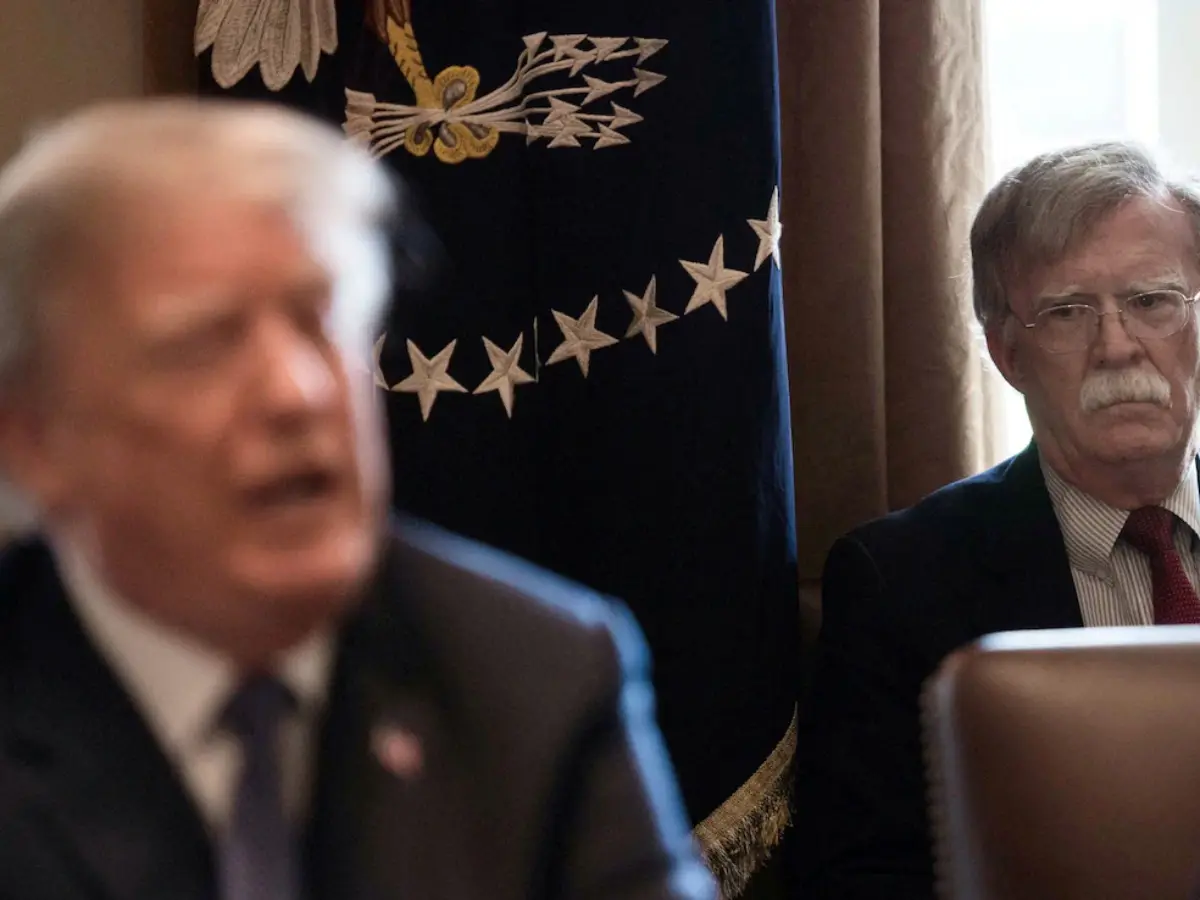
US President Donald Trump and his former NSA John Bolton Photograph: (AFP)
US President Donald Trump's relationship with ex-National Security Adviser John Bolton began positively, with Trump once calling him a "terrific guy." However, their ties quickly deteriorated soon, and years later FBI has raided Bolton's residence
The Federal Bureau of Investigation (FBI) agents conducted court-authorised searches at former National Security Advisor John Bolton’s home in Maryland and his office in Washington, DC, as part of an ongoing national security investigation into his alleged mishandling of classified materials. Notably, no charges were brought forward and Bolton was not arrested. However, the incident has raised significant public and political attention, with critics claiming that Trump is playing ‘vendetta politics.’ FBI Director Kash Patel and Attorney General Pam Bondi said that the operation was a matter of upholding the law, underscoring that “no one is above the law.” Trump has accused Bolton of suffering from Trump derangement syndrome but he once chose him to be his NSA. Then, how did things went downhill - Here's a recap:
When Trump chose John Bolton as his NSA
In March 2018, Donald Trump revealed that John Bolton would take over from HR McMaster as National Security Advisor. Bolton officially assumed the position on April 9, 2018, becoming the third person to hold that role within Trump’s first year in office. Recognised for his hardline views, Bolton’s selection indicated a more confrontational US foreign policy approach, particularly toward Iran and North Korea, reflecting Trump’s increasingly aggressive global stance. Trump even referred to Bolton as a "terrific guy" during a meeting with reporters in April 2018, shortly after his appointment. He praised Bolton as a "fantastic representative of our team" and noted that he was "highly respected by everybody in this room."
How Trump-Bolton relationship soured?
Bolton adopted a tough approach toward North Korea, pushing for regime change and military pressure, whereas Trump favoured diplomacy, holding landmark summits with Kim Jong-un to achieve denuclearisation through talks. Trump believed Bolton’s aggressive stance undermined these diplomatic efforts and unnecessarily heightened tensions. While Trump aimed to withdraw US troops and end prolonged conflicts, Bolton opposed a swift exit, citing ongoing security concerns and Taliban hostility. He reportedly resisted the peace agreement Trump was working on with the Taliban. Bolton also supported a hardline policy to remove President Nicolas Maduro, including backing Juan Guaido, but Trump grew frustrated with the failed attempt and later criticised it as flawed and impractical. Trump expressed that he strongly disagreed with many of Bolton’s recommendations and decided his services were no longer required.
Trending Stories
)
)
)
)
)
)
)
)
)
)
)
)
)
)
&im=FitAndFill=(700,400))
)
)
)
)
)
)
)
)
)
)
)
)
)
)
)
)
)
)
)
)
&im=FitAndFill=(700,400))
)
Additionally, Trump felt Bolton was too eager to involve the US in military conflicts, which conflicted with Trump’s preference for negotiation and steering clear of foreign wars. Trump later publicly stated that Bolton “made some very big mistakes” and was “not someone I got along with.” In 2020, Trump administration filed a lawsuit aiming to prevent Bolton from publishing his memoir about his time in the White House, arguing that the book contained classified information that could jeopardize national security. However, a federal judge rejected the attempt to block the book’s release. A criminal investigation was underway into whether Bolton had improperly handled classified materials. This investigation, along with the civil lawsuit, was dropped by the Biden administration in June 2021. In his revealing memoir, Bolton described Trump as "stunningly uninformed" and easily influenced by foreign powers. He went on to call him ‘unfit’ for office.
John Bolton's residence raided after Trump's explosive jab against him
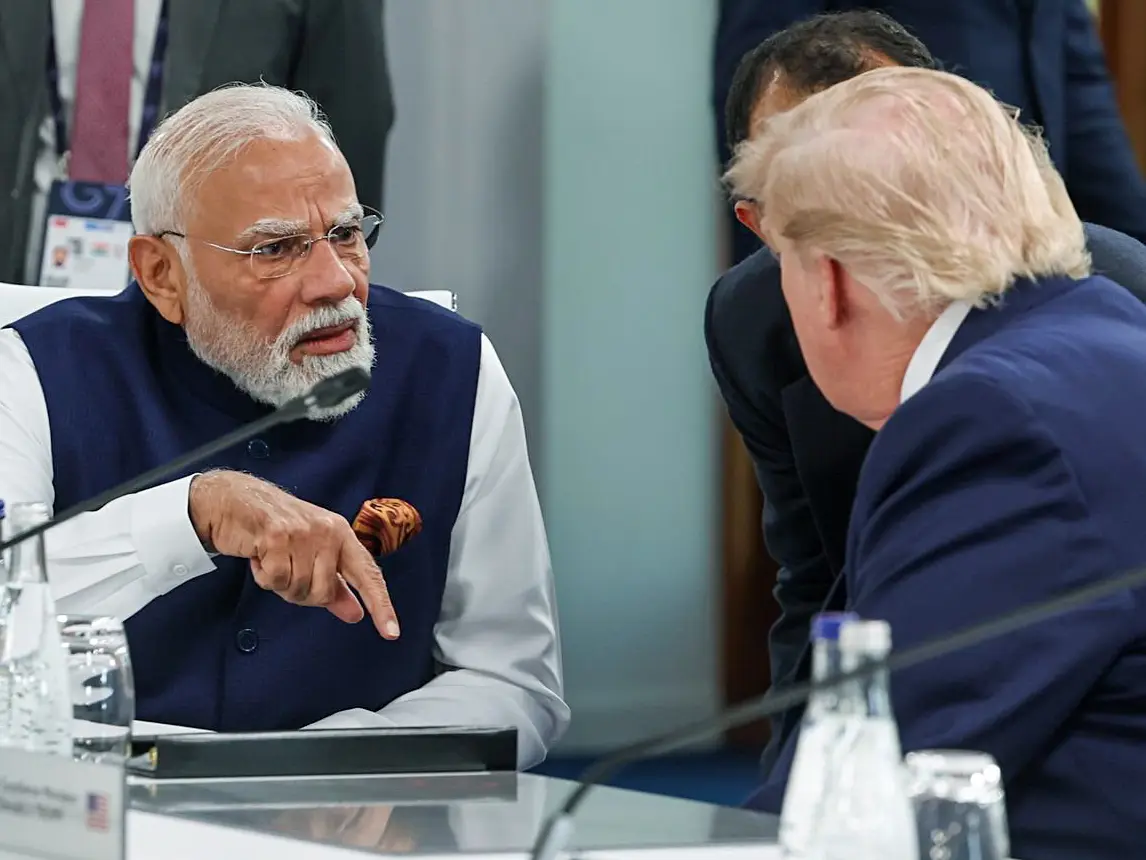
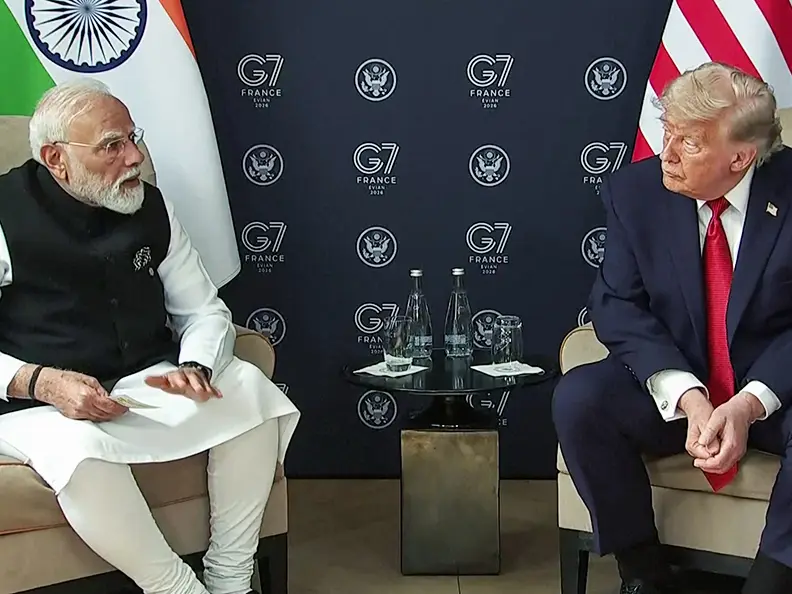
The timing of the search added intrigue—it came just days after Bolton publicly criticized President Trump's tariffs on India, sparking debates on whether the raid was influenced by political considerations rather than purely legal ones. Just a week ago, Bolton said that Trump's tariffs are intended to hurt India, but in reality, it is spoiling years of relations between India and America. He called Trump's tariffs ‘counter-productive.’ However, President Trump denied any prior knowledge of the operation. He referred to Bolton as a “lowlife” and said that he first learned about the raids through media outlets, distancing himself from the action. He also called him “unpatriotic,” and “not smart.”