
&imwidth=800&imheight=600&format=webp&quality=medium "From boarding gates to full-body scanners: 9/11 and the day air travel changed forever")
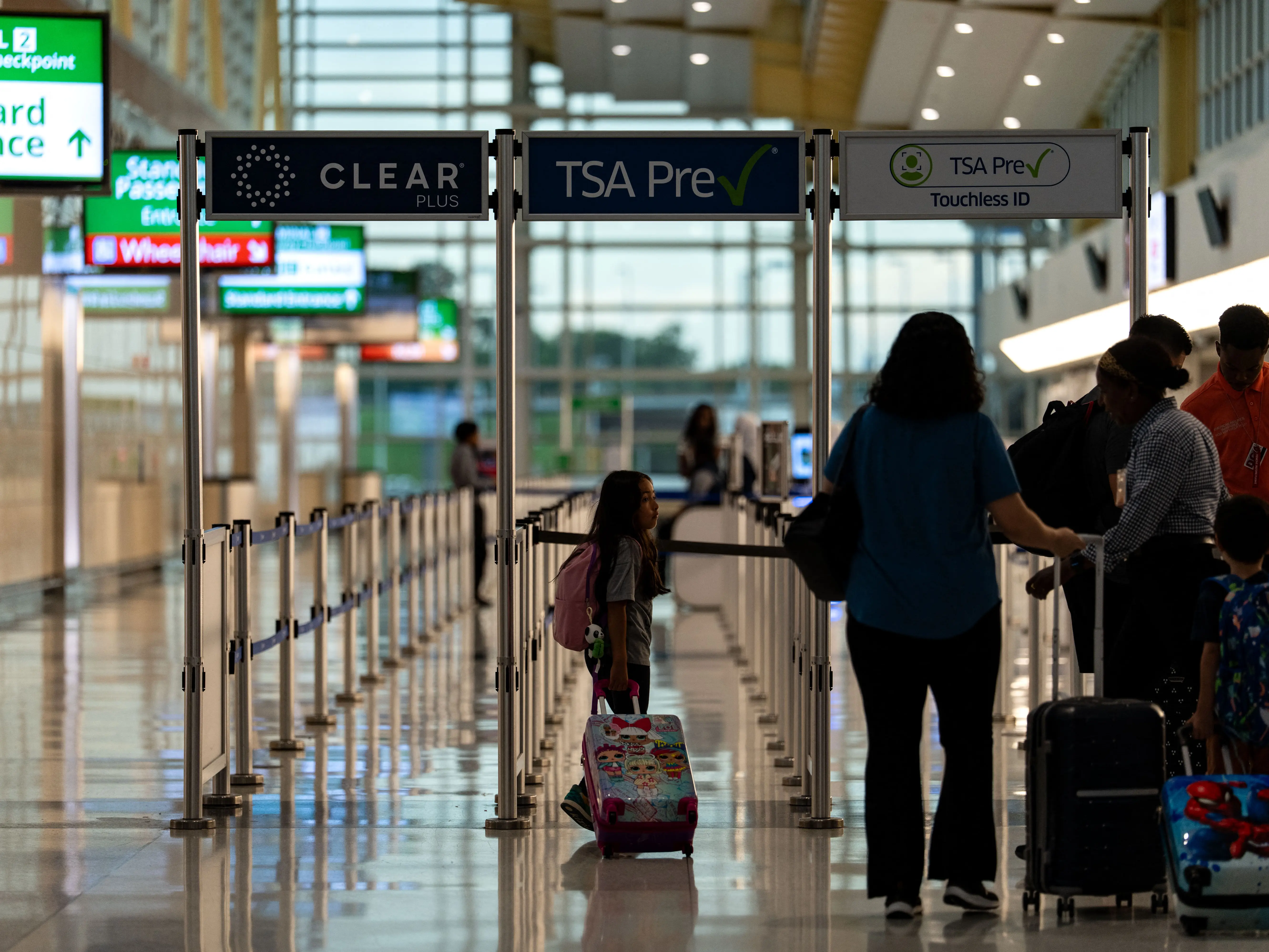
On September 10, 2001, air travel was still an easy affair. Families could walk passengers all the way to departure gates, security checks were minimal, and boarding a plane rarely meant long queues or extensive scrutiny. The very next day, that world changed. The September 11 attacks, in which four hijacked planes were used as weapons against the United States, left nearly 3,000 dead and sent shockwaves across the globe. They also permanently reshaped how the world thinks about aviation. Airports became the frontline of the fight against terrorism, and flying has never been the same.
Before 9/11: A Different Era of Flying
Prior to 2001, security at airports was relatively relaxed. In the United States, private contractors handled checks, with limited training and little uniformity. Passengers kept shoes on, carried liquids freely, and often passed through metal detectors with little fuss. Cockpit doors were not reinforced, and in-flight security protocols were minimal. Hijackings in earlier decades, while not uncommon, were generally resolved through negotiations rather than violence. The idea that commercial jets could be weaponised was almost unthinkable.

Immediate Changes After the Attacks
The 9/11 attacks forced a dramatic rethinking of aviation security. Within weeks, the US Congress created the Transportation Security Administration (TSA), transferring responsibility for airport security from private contractors to a federal agency. The aim was to standardize procedures and ensure tighter controls.
Trending Stories
)
Trump says Russia has ‘lost control’ of its diesel industry, calls for end to ‘ridiculous, never-ending’ war
)
Asian Games: Indian women's hockey team thrash Indonesia 17-1, blasts 36 goals in 2 matches
)
Putin's United Russia party wins 355 seats in Duma election; 4 other parties cross threshold to enter parliament
)
AI kill switch explained: Why shutting down a dangerous AI may not be as simple as pressing a button
)
Delhi Air pollution: Strict crackdown on waste burning
)
‘0% chance’: Nvidia CEO Jensen Huang dismisses AI extinction fears by 2030
)
Samay Raina-Mukesh Chhabra controversy explained: What happened over girlfriend joke on India's Got Latent?
)
Four decades after leaving Kolkata, the Birlas may be coming back for more
)
Apple reportedly building AI server with M8 Ultra chips, may use Nvidia technology
)
BTS' fans question iHeartRadio’s treatment of group after brief festival set
)
Glitch in the matrix caught on camera: Woman vanishes after talking to reporter
)
IIT Bombay tensions ease after three-hour open house; director’s assurances pacify students
)
Samsung raises Galaxy S26 prices by Rs 20,000: Here’s what each model now costs
)
J&K Assembly Session begins amid chaos: BJP, ruling alliance clash as statehood demand dominates
)
Bessent meets China’s He Lifeng to prepare for Trump-Xi summit
)
Four Hands, Two Sonatas ep (5-8) review: Song Kang Lee, Jun Young elevate the emotional stakes after a tragic turn
)
The Verdict | The Mecca Agreement is under scrutiny as Houthis attack Saudis
)
Who was Sheikh Ahmed bin Rashid Al Maktoum? From Dubai Royal family to police, sports and racing
)
Saudi Arabia exits China-led mBridge digital currency platform amid Saudi-Houthi conflict
)
Maharashtra TET paper leak: Chargesheet reveals papers smuggled in shoe insoles for Rs 8,000
)
'Lot of things to learn from experienced players': Jayasuriya backs Rohit, Virat for 2027 ODI World Cup
)
Taylor Swift has a 'proud wife' moment as Travis Kelce scores first touchdown of season: 'That’s my husband!'
)
Chancellor Friedrich Merz vows to stay on as exit polls signal major poll setback
)
Pakistan kills 3 civilians in air strikes on Afghanistan, Taliban vows retaliation | Gravitas
)
Mahabharat actor Saurav Gurjar arrested in Hyderabad, sent to 14-day judicial custody in sexual exploitation case
)
North Korea's nuclear tests triggered 1,399 earthquakes: Earth is still shaking | Gravitas
&im=FitAndFill=(700,400))
New OTT releases this week (September 21-27, 2026): Shaque: Trust No One, Hunkkaar, Don’t Be Shy- 5 new titles coming to Netflix, Prime Video and more
)
WATCH | Mysterious lights over Tehran caught on video. Drone, aircraft or something else?
)
What is Yom Kippur and why is it celebrated? All you need to know about the Jewish Day of Atonement
)
Iranian airlines to shut worldwide on Sept 23, Bessent warns of US banking ban
)
White House TV pool halts Trump coverage after CNN barred from UNGA events
)
Pilot recreates Mona Lisa in sky over Oklahoma and Arkansas in four-hour flight: VIDEO
)
Fitna Al-Khawarij: Decoding biggest security threat to Pakistan | Gravitas
)
Jailer 2: Vidya Balan joins Rajinikanth's upcoming film as Kantha | Watch
)
Microsoft executive called AI training the ‘largest theft of labour in human history’
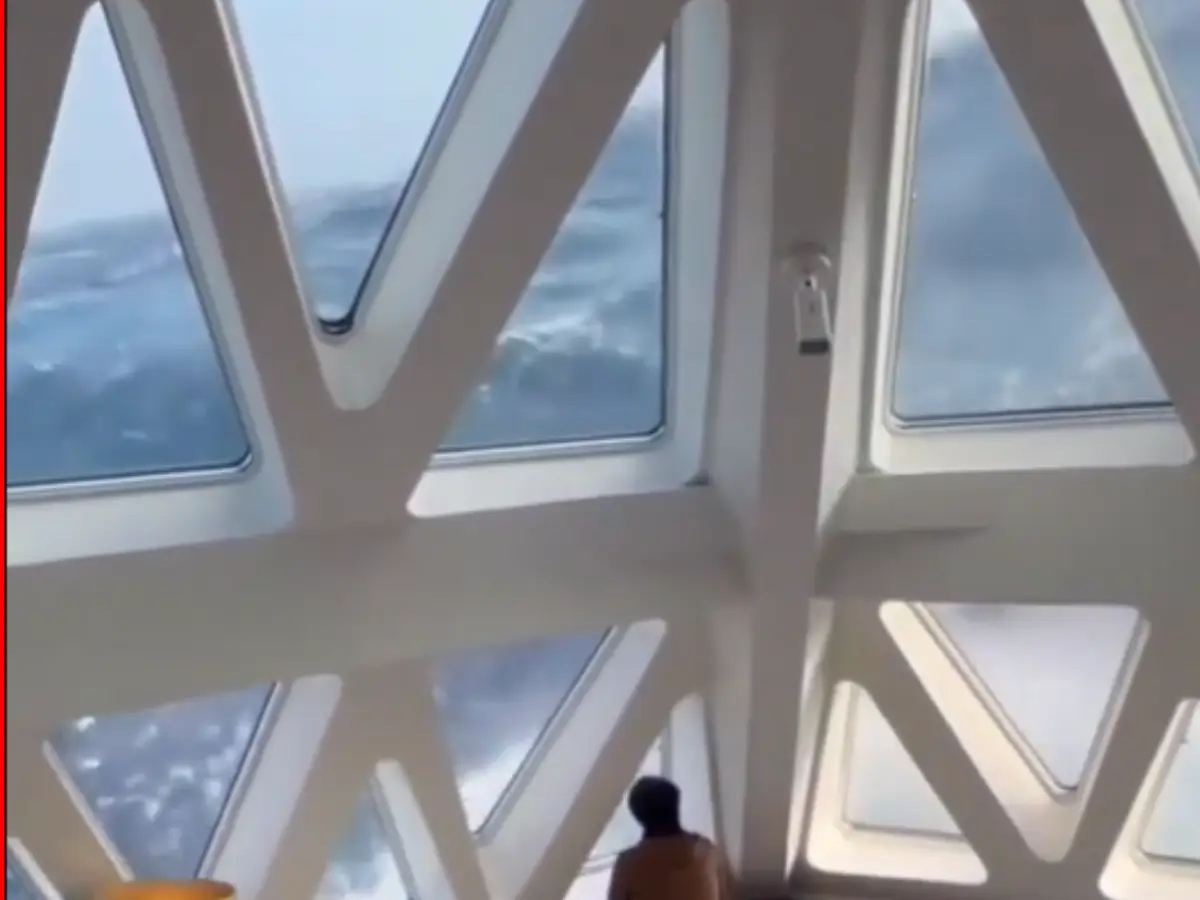)
40-foot waves crash into cruise ship in dangerous stretch near Antarctica. Watch
)
Mystery explosions rock Aleppo, residents told to stay indoors
)
BTS fans mock iHeartRadio’s day 2 turnout after short set controversy
)
The Scandal, why so scandalous? Ji Chang Wook leaves you gasping for air
Among the earliest changes were:
- Reinforced cockpit doors to prevent unauthorized access.
- Passenger no-fly lists, identifying individuals deemed security risks.
- Random secondary screenings and behavioral profiling.
- Increased presence of armed air marshals on flights.
Air travel quickly became synonymous with long queues, multiple layers of checks, and stricter baggage rules.
The Global Ripple Effect
The US response to 9/11 set the tone for airports worldwide. Countries across Europe, Asia, and the Middle East adopted similar measures. Europe introduced tighter screening protocols and, after the foiled 2006 transatlantic bomb plot, banned large quantities of liquids and gels in carry-on baggage—a rule that still applies today. India moved toward a more centralised model, with the Central Industrial Security Force (CISF) taking charge of airport security nationwide. Measures such as body frisking, hand baggage X-rays, and heightened access controls became standard. Middle Eastern hubs like Dubai and Doha, which were rapidly expanding at the time, invested heavily in security infrastructure while accommodating record passenger growth. The International Civil Aviation Organization (ICAO) also pushed for uniform security standards across member countries, embedding counter-terror vigilance into the DNA of global air travel.
Technology and Surveillance
The past two decades have seen technology play a central role in aviation security. Full-body scanners, once controversial, are now common in major airports. Biometric systems, such as fingerprint and facial recognition, are increasingly used to verify identities. Artificial intelligence is being deployed to analyse passenger data and detect suspicious travel patterns. Some airports employ behavioral detection officers, trained to spot nervous or evasive behaviour. While these technologies promise efficiency, they have also sparked debates on privacy and surveillance. Civil liberties groups argue that the balance has tilted heavily toward security at the expense of individual rights.
The Human Impact
The transformation of airports has not been without consequences for passengers. For many, flying has become synonymous with long waits, intrusive checks, and occasional humiliation. The experience of removing shoes, belts, and electronics is now routine. South Asian, Middle Eastern, and Muslim travelers, in particular, reported higher levels of profiling in the years following 9/11. Incidents involving Sikhs, whose turbans were often misidentified, highlighted the cultural gaps in new screening systems. At the same time, passenger psychology shifted. Where airports were once spaces of glamour and excitement, they became associated with vigilance and suspicion.
Two Decades On: Has It Worked?
There is little doubt that aviation has become significantly harder to exploit for terrorists. Since 2001, successful hijackings have been extremely rare, and the idea of storming cockpits is now virtually impossible.
However, critics argue that some measures amount to "security theater"—rituals designed more to reassure passengers than to genuinely deter threats. The sheer inconvenience of air travel has also raised questions about whether the costs outweigh the benefits.
A Living Legacy
Twenty-four years after 9/11, airports remain among the most visible reminders of that day’s impact. The reinforced cockpit doors, the no-fly lists, the ban on liquids—all stand as legacies of the moment when aviation became inseparable from national security. Air travel is undeniably safer today, but it is also slower, more restrictive, and shaped by suspicion. The simple act of flying has never gone back to what it was.

