EXPLAINED: Why plane tyres never burst at 250 KMPH

&imwidth=600&imheight=450&format=webp&quality=medium "EXPLAINED: Why plane tyres never burst at 250 KMPH")
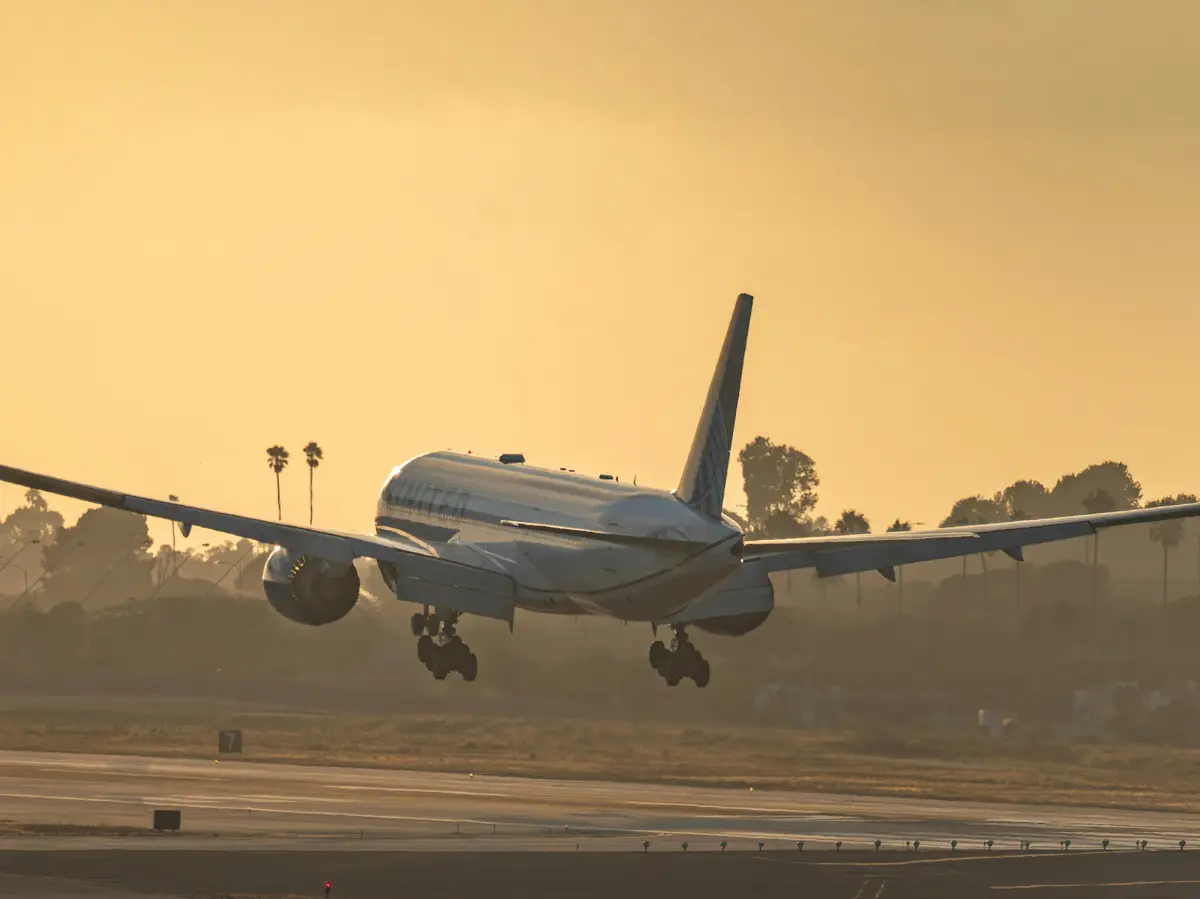
Image for representation Photograph: (Canva)
Aircraft tires withstand 250 km/h landings using nitrogen inflation, high pressure, and reinforced layers. Their unique straight grooves prevent tearing during the initial high-friction skid, ensuring extreme durability and safety.
Have you ever watched a huge aeroplane land and wondered how those small tyres handle such a heavy machine hitting the runway at over 250 kilometres per hour? It looks almost impossible, but the science behind it is fascinating.
Aircraft tyres are built to be extraordinarily strong. They are made with multiple layers of rubber, nylon, and synthetic materials, all bonded together to handle massive loads. A single aircraft tyre can support more than 30 tons of weight, which is many times more than what a car tyre can manage.
One of the most interesting things is the air inside them. Aeroplane tyres are not filled with normal air. They are filled with nitrogen gas. The reason is simple. Normal air contains oxygen, and oxygen reacts at high temperatures. During landing, the tyres heat up very quickly because of friction. In the past, when ordinary air was used, some tyres actually burst or caught fire. Nitrogen, on the other hand, is stable and non-reactive. It does not expand much with heat, which keeps the tyre safe during take-off, flight, and landing.
The pressure inside is also surprising. Commercial aeroplane tyres are filled to around 200 psi, which is nearly six times more than a normal car tyre. In fighter jets like the F-16, the pressure goes up to almost 320 psi. This high pressure helps the tyre keep its shape under heavy weight and speed.
Now, here is something most people do not know. When a plane lands, its wheels are not spinning. They are completely still. The moment the tyre touches the runway, it goes from zero to full speed in just one second. This is why you see that white smoke during landing. The tyre actually skids and drags for a short moment before it starts rolling at the same speed as the aircraft.
Trending Stories
&imwidth=280&imheight=210&format=webp&quality=medium)
&imwidth=280&imheight=210&format=webp&quality=medium)
&imwidth=280&imheight=210&format=webp&quality=medium)
&imwidth=280&imheight=210&format=webp&quality=medium)
&imwidth=280&imheight=210&format=webp&quality=medium)
&imwidth=280&imheight=210&format=webp&quality=medium)
&imwidth=280&imheight=210&format=webp&quality=medium)
&imwidth=280&imheight=210&format=webp&quality=medium)
&imwidth=280&imheight=210&format=webp&quality=medium)
&im=FitAndFill=(700,400)&imwidth=280&imheight=210&format=webp&quality=medium)
&imwidth=280&imheight=210&format=webp&quality=medium)
&im=FitAndFill=(700,400)&imwidth=280&imheight=210&format=webp&quality=medium)
&imwidth=280&imheight=210&format=webp&quality=medium)
&imwidth=280&imheight=210&format=webp&quality=medium)
&imwidth=280&imheight=210&format=webp&quality=medium)
&imwidth=280&imheight=210&format=webp&quality=medium)
&imwidth=280&imheight=210&format=webp&quality=medium)
&imwidth=280&imheight=210&format=webp&quality=medium)
&im=FitAndFill=(700,400)&imwidth=280&imheight=210&format=webp&quality=medium)
&imwidth=280&imheight=210&format=webp&quality=medium)
&imwidth=280&imheight=210&format=webp&quality=medium)
&imwidth=280&imheight=210&format=webp&quality=medium)
&imwidth=280&imheight=210&format=webp&quality=medium)
&imwidth=280&imheight=210&format=webp&quality=medium)
&imwidth=280&imheight=210&format=webp&quality=medium)
&im=FitAndFill=(700,400)&imwidth=280&imheight=210&format=webp&quality=medium)
&imwidth=280&imheight=210&format=webp&quality=medium)
&imwidth=280&imheight=210&format=webp&quality=medium)
&imwidth=280&imheight=210&format=webp&quality=medium)
&imwidth=280&imheight=210&format=webp&quality=medium)
&imwidth=280&imheight=210&format=webp&quality=medium)
&imwidth=280&imheight=210&format=webp&quality=medium)
&imwidth=280&imheight=210&format=webp&quality=medium)
&imwidth=280&imheight=210&format=webp&quality=medium)
&imwidth=280&imheight=210&format=webp&quality=medium)
This is also the reason why aeroplane tyres have straight parallel grooves instead of the block-shaped patterns seen on car tyres. If they had block patterns, those blocks would tear off because of the heavy friction and force during that skidding moment. The straight grooves help the tyre handle this stress smoothly and also push water away on wet runways.
Another amazing fact is that these tyres are not thrown away after one use. They are retreaded and reused several times safely, which makes them both strong and cost-effective. So the next time you see an aeroplane landing, remember that those tyres are silently doing one of the toughest jobs in aviation. They truly perform under pressure, and they are one of the most underrated heroes of flight safety.
(Girish Linganna is an award-winning science communicator and a Defence, Aerospace & Geopolitical Analyst. He is the Managing Director of ADD Engineering Components India Pvt. Ltd., a subsidiary of ADD Engineering GmbH, Germany.)
