EU chief has urged Putin to release Navalny. But Kremlin won't budge


Alexei Navalny
The Kremlin has dismissed Western demands to release Russia's most prominent opposition leader Alexei Navalny, saying his calls for mass protests over his arrest were "troubling".
European Council chief Charles Michel demanded the "immediate release" of Navalny in a call with Russian President Vladimir Putin on Friday.
The EU had already condemned an attempt to assassinate Navalny and his arrest on his return to Russia after treatment, but Michel has now expressed "grave concerns" directly to Putin. He told the Kremlin chief he would launch a "strategic debate" on EU-Russia relations when he convenes a summit of all 27 EU leaders in March.

"The President of the European Council informed President Putin of the grave concern in the EU and its Member States over recent developments and called to fully and unconditionally respect Alexei Navalny's rights," Michel's office said.
"Charles Michel stated that the EU is united in its call on Russia to swiftly release Mr Navalny and proceed with the investigation into the assassination attempt on him, in full transparency and without further delay."
Navalny, 44, was arrested on Sunday as he returned to Russia from Germany for the first time since he recovered from a near-fatal poisoning with the Soviet-designed Novichok nerve agent in August. He hit back Tuesday with the publication of a corruption investigation into a lavish, $1.35 billion property on Russia's Black Sea coast that he alleged was owned by Putin.
)
Why asking questions could be more important than memorising answers
)
BRICS Summit 2026: Iran's Pezeshkian praises PM Modi at BRICS
)
Osama Bin Laden ‘planned’ to target India, CIA reveals dozens of declassified documents
)
'Iran won't surrender': Pezeshkian sends blunt message to US while attending BRICS Summit in India
)
BRICS Summit 2026: Global leaders of BRICS nations attend main open session
)
PM Modi and China's Xi offered to help resolve Russia-Ukraine war: Kremlin
)
Why dehydration is the hidden cause of travel fatigue on long flights
&im=FitAndFill=(700,400))
Meet top 5 batters fastest to 3000 runs in T20Is
)
Top 5 places to visit in Goa beyond its famous beaches
)
'He is popular...': Malaysian PM Anwar Ibrahim's praise for PM Modi during bilateral meeting | WATCH
)
Frustrated man demolishes his kitchen after thousands flock to see Mother Mary his wife spotted on the wall
)
BRICS Summit 2026: PM Modi, Xi reach key consensus on ties, China to assume BRICS chairmanship in 2027
)
BRICS Summit 2026: Consensus on joint declaration, diplomatic win for India
)
Trump says Canada eager to reach a deal, it could come ‘fairly soon’ if Ottawa treats US farmers better
)
‘Partners, not rivals’: Xi outlines four point plan for stronger India-China ties
&im=FitAndFill=(700,400))
Why Chinese PL-15 air-to-air missiles use dual-pulse motors compared to European interceptors
)
Could staying indoors all day affect your health?
)
BRICS Summit 2026: PM Modi addresses Day 2 of 18th BRICS summit
)
Who is the smiling man beside Modi, Putin and Xi at BRICS Summit 2026?
)
800 million years old - Scientists discover 'fingerprints' of supercontinent Gondwana in ancient rocks
)
Why going digital does not always mean becoming more efficient
&im=FitAndFill=(700,400))
Why do air defence missiles explode near their target instead of hitting it?
)
War is making Russia stronger? How Ukraine is shaping Moscow’s next generation of weapons
)
From severe mobility problems to recovery: Madhuri the elephant’s journey of wildlife care
)
BRICS Summit day 1: New Delhi declaration adopted with full consensus, big diplomatic win for India
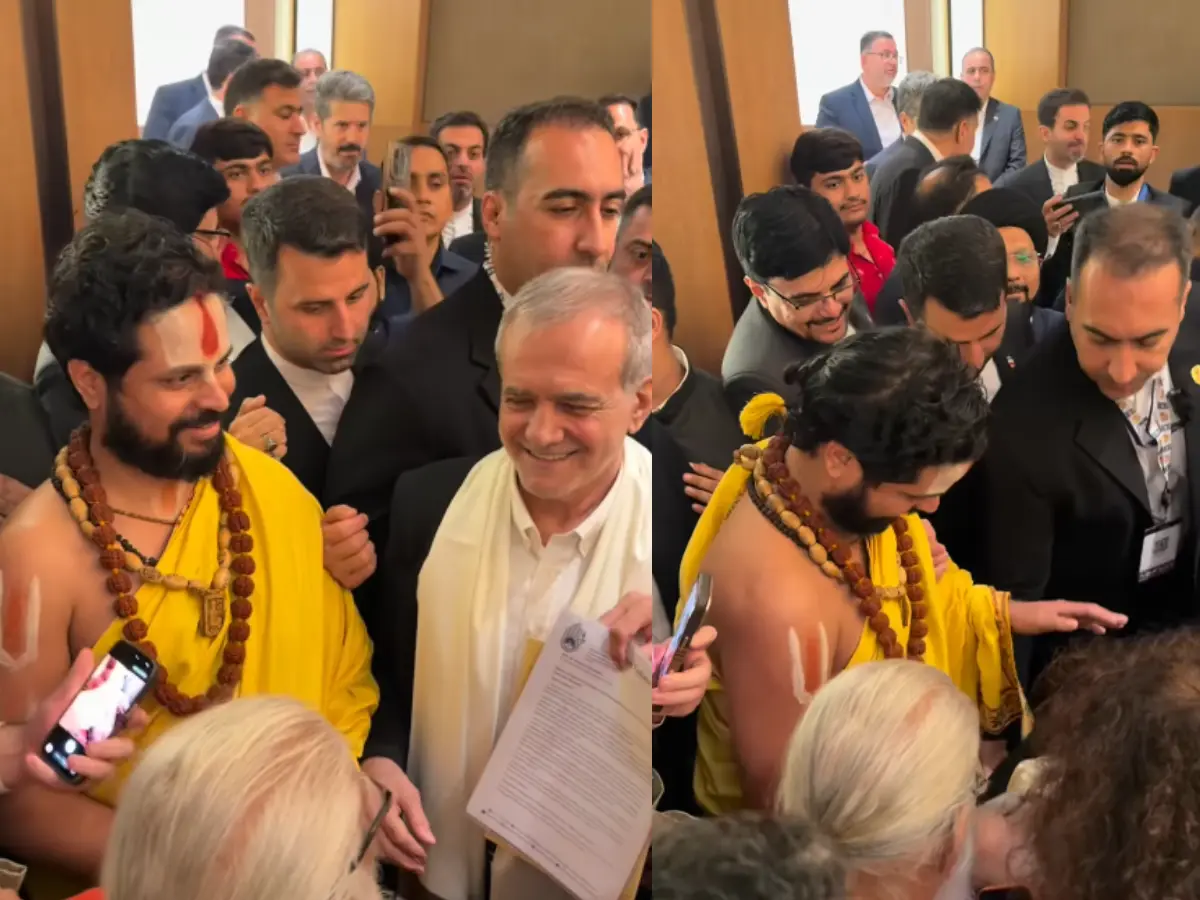)
Did Iran President Pezeshkian touch feet of Hindu spiritual leader at Delhi event as shown in viral video?
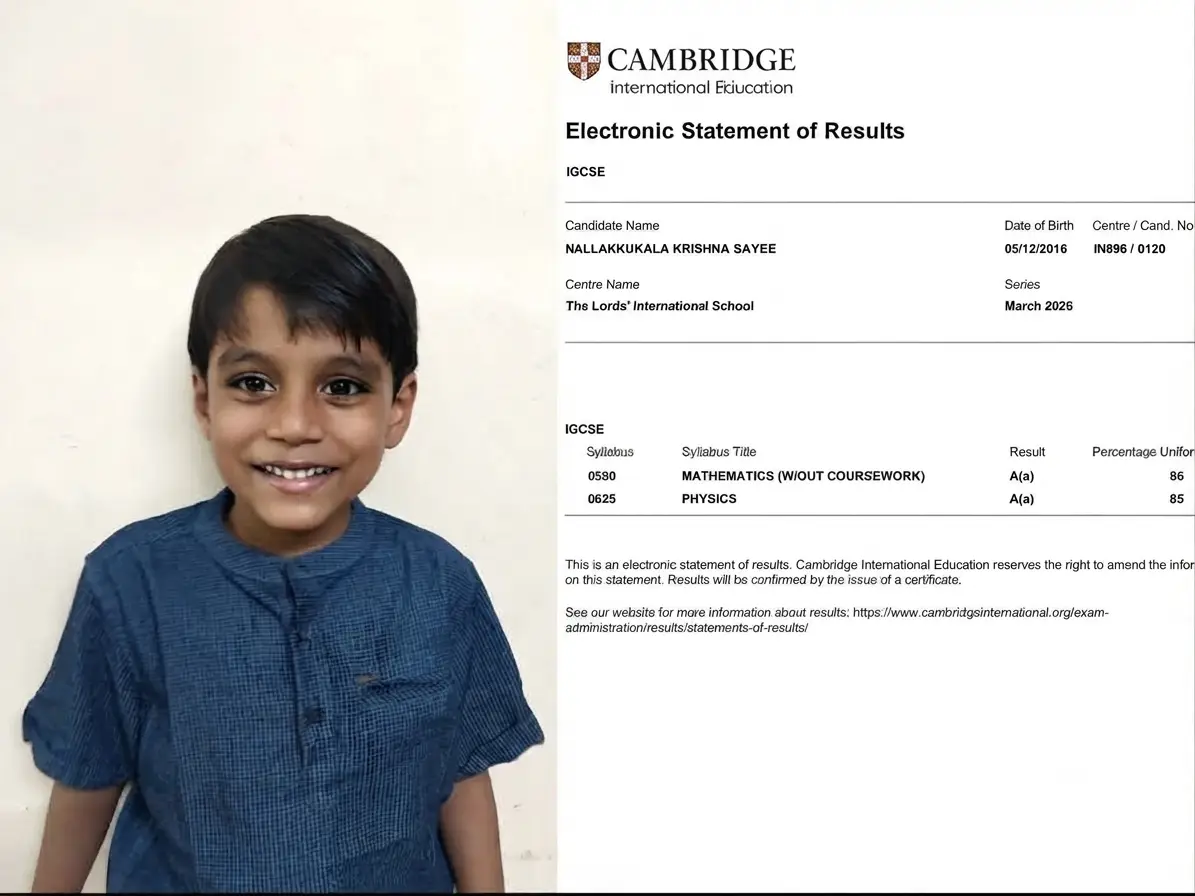)
9-year-old Chennai prodigy clears Cambridge IGCSE grade 10 exams
)
Why does your body need time to adjust after a long journey?
)
BRICS Summit 2026: PM Modi to hold bilateral with leaders of seven countries
)
Ramanathaswamy temple takes centre stage as PM Modi welcomes world leaders at BRICS
)
Houthis launch cross-border strike on Saudi Arabia as Yemen war escalates
)
BRICS Summit 2026: Chinese president Xi Jinping departs from New Delhi after attending BRICS summit
)
Why does your skin need protection from UV rays?
)
How does the loss of forests affect the way wildlife lives and moves?
)
IND vs AFG, 1st T20I: When and where to watch live streaming in India?
)
Why do wild animals need quiet places to survive?
)
Bigg Boss 20: Qazi Touqeer gets a special ‘rockstar’ moment from Salman Khan
)
Humans may lose control of AI: Anthropic CEO calls for slowdown, Altman, Musk back him
In a two-hour long video accompanying the report on his blog, Navalny described the vast estate as a "state within Russia" in which Putin is "tsar".
Navalny's allies are planning demonstrations on Saturday in dozens of Russian cities in support of the Kremlin critic who was arrested and jailed on his return to Russia following a near-fatal poisoning with a nerve agent.
Several close Navalny associates, including prominent activist Lyubov Sobol and his spokeswoman Kira Yarmysh, were detained on Thursday for urging Russians to join the demonstrations and they face hefty fines and short jail stints.
Russian police said Friday that "any such protests will be regarded as a threat to public order and immediately suppressed".
EU members already have several sanctions in place against Russian targets, and capitals are mulling further action after Navalny's detention.
EU leaders met by video conference late Thursday principally to tackle the coronavirus epidemic, but afterwards Michel issued a stern statement calling again for the release of Navalny and his supporters.
The European Parliament also passed a non-binding resolution urging Brussels to block to completion of the Nord Stream 2 gas pipeline from Russia to Germany.
Meanwhile, the anti-corruption campaigner's arrest has triggered a wave of condemnation from Western countries which have called for his immediate release.
The Kremlin said the calls to protest were "troubling" and stressed it would not take into account Western demands to free Navalny.
"This is absolutely a domestic affair and we will not allow anyone to interfere in it," Putin's spokesman Dmitry Peskov said.
The leading Kremlin critic has repeatedly led large-scale street protests against Putin, including in 2011-2012 when tens of thousands of people took to the streets to protest widespread claims of electoral fraud in parliamentary elections.
(with inputs from agencies)