EU approves $105 billion Ukraine loan after Orbán defeat, announces fresh Russia sanctions

&imwidth=600&imheight=450&format=webp&quality=medium "EU approves $105 billion Ukraine loan after Orbán defeat, announces fresh Russia sanctions")
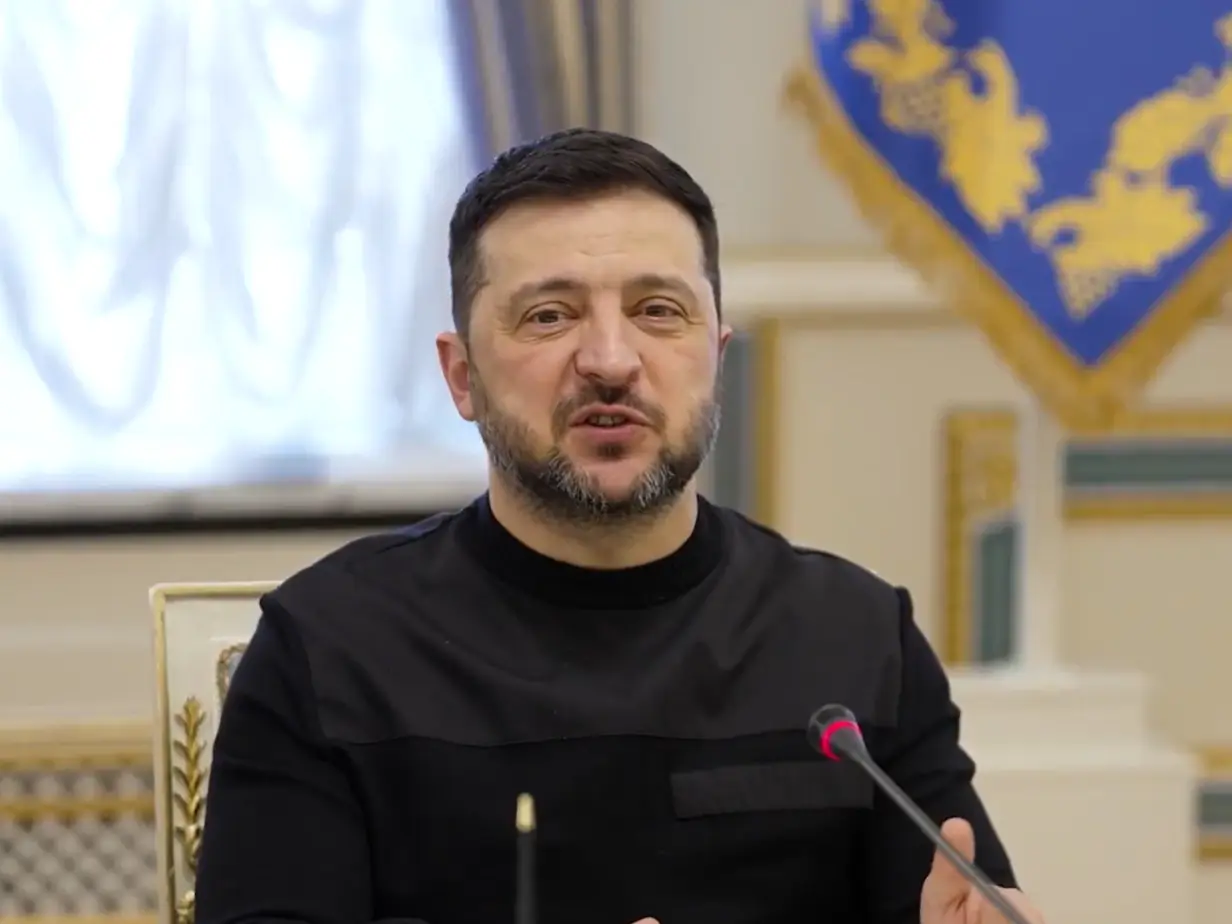
Ukrainian President Volodymyr Zelensky said the country’s position in the war had stabilised in recent months, describing it as the “most stable” phase in nearly a year. Photograph: (X/@ZelenskyyUa)
The approval follows Hungarian Prime Minister Viktor Orbán’s electoral defeat, after he had blocked the loan to pressure Ukraine to restore oil transit through the pipeline supplying his landlocked country.
The European Union on Thursday (April 23) gave final approval to a €90 billion ($105 billion) loan for Ukraine and signed off on a fresh round of sanctions against Russia, delivering a major boost to Kyiv after weeks of deadlock triggered by internal disagreements among member states.
The breakthrough came after Hungary and Slovakia withdrew their objections when Ukraine resumed oil flows through the Druzhba pipeline following repairs, effectively ending a standoff that had delayed critical financial and strategic support at a crucial phase of the war.
EU foreign policy chief Kaja Kallas confirmed that the impasse had been resolved and said Russia’s war economy was facing increasing pressure, while Ukraine stood to gain from the newly approved financial package.
The dispute had stalled EU assistance at a time when the United States had scaled back support to Kyiv and eased restrictions on Russian oil amid the Iran war, thereby increasing Ukraine’s reliance on European backing.
Also Read: Iran’s exiled Crown Prince Reza Pahlavi splashed with red liquid after Berlin press conference
The approval comes after Hungary’s outgoing Prime Minister, Viktor Orbán, suffered a significant electoral defeat, who had earlier blocked the loan in an effort to push Ukraine to restore oil transit through the pipeline supplying his landlocked country, using the issue as leverage during negotiations.
Trending Stories
)
)
)
)
)
)
)
)
)
)
)
)
)
)
)
)
)
)
)
)
)
)
)
&im=FitAndFill=(700,400))
)
)
)
)
)
&im=FitAndFill=(700,400))
)
)
)
)
)
)
With the approval now secured, Brussels is expected to begin disbursing funds in the coming months, providing Ukraine with much-needed financial support to address widening budget gaps nearly four years into Russia’s invasion.
At the same time, the EU’s 27 member states also cleared a new sanctions package against Moscow, marking the 20th round of punitive measures since the war began, with the latest restrictions focusing on Russia’s energy, banking and trade sectors.
The sanctions are expected to tighten curbs on the so-called shadow fleet of ageing tankers used by Moscow to bypass oil export restrictions, while also targeting Russian cryptocurrency traders to further restrict financial channels.
Meanwhile, Ukrainian President Volodymyr Zelensky said the country’s position in the war had stabilised in recent months, describing it as the “most stable” phase in nearly a year, even as he acknowledged the continued strain on Ukrainian forces and ruled out any scope for complacency.