Did Tulsi Gabbard warn Trump Iran war could backfire? What US intel got right

&imwidth=600&imheight=450&format=webp&quality=medium "Did Tulsi Gabbard warn Trump Iran war could backfire? What US intel got right")
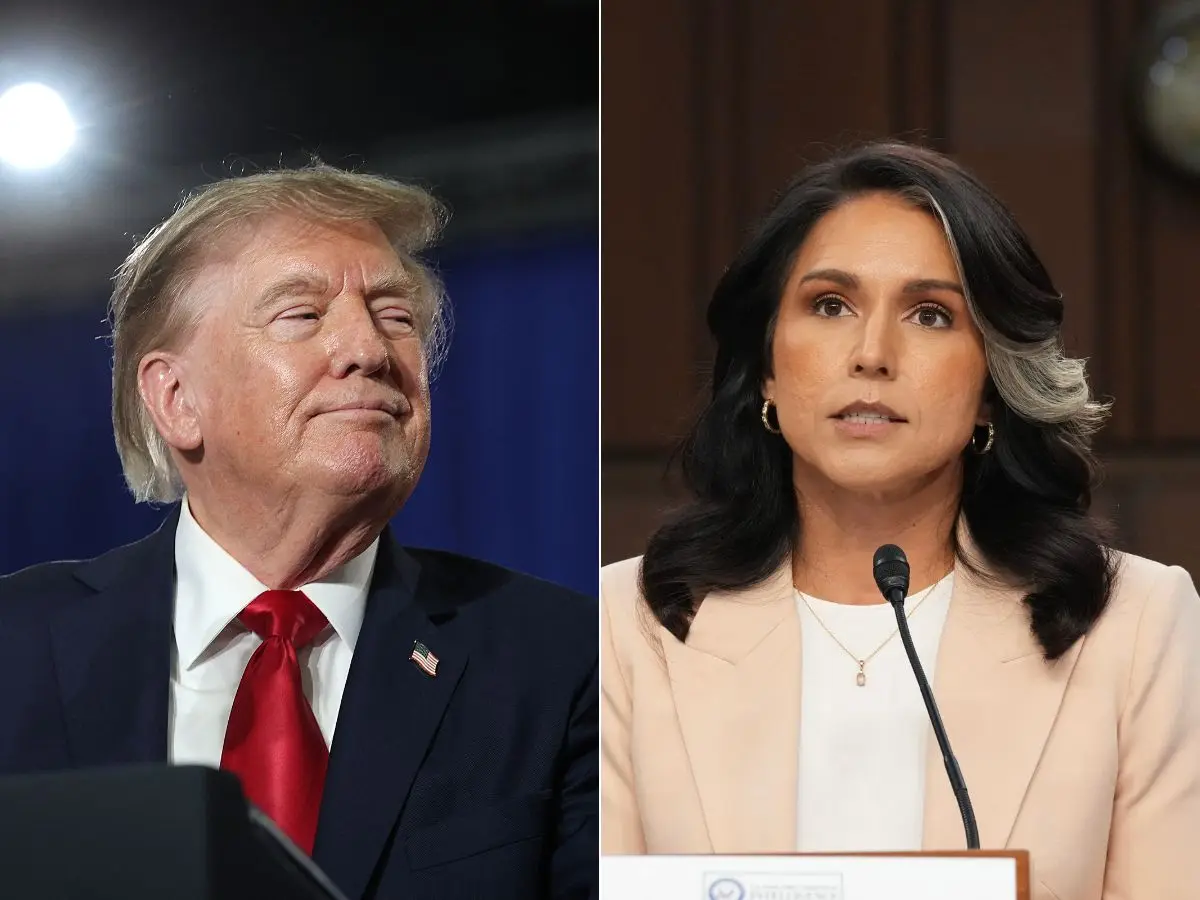
US President Donald Trump and former US intelligence chief Tulsi Gabbard Photograph: (AFP)
US President Donald Trump was warned by Tulsi Gabbard and US intel against launching strikes on Iran. Despite the likely consequences being pointed out, all of which came true, the US military launched Operation Epic Fury in February.
US President Donald Trump was reportedly warned against launching attack on Iran in February by US intelligence chiefs, who cautioned him that the American military operation could backfire, strengthen hard-line forces in Tehran and trigger a wider regional crisis. According to a report, then-US intelligence chief Tulsi Gabbard told Trump in February that killing Ayatollah Ali Khamenei could lead to an even more authoritarian government, one potentially more determined to pursue weapons of mass destruction.
What did Gabbard say?
The Wall Street Journal reported that Gabbard was summoned to the Oval Office before the US-Israel strikes began on February 28. Trump was reportedly seeking her assessment after being encouraged by the previous summer’s Operation Midnight Hammer, which targeted Iranian nuclear facilities, and strikes on Venezuela’s Caracas that led to capture of Nicolas Maduro.
Israeli Prime Minister Benjamin Netanyahu had pushed for military action, arguing that Iran was at its weakest and that its nuclear ambitions could finally be extinguished, the report added.
However, according to WSJ, Gabbard warned Trump that Tehran would likely retaliate. She warned that Iran could shut the Strait of Hormuz, sending oil prices higher, while striking US allies across the Middle East – which is exactly what happened.
What did US military leaders say?
Trending Stories
&imwidth=280&imheight=210&format=webp&quality=medium)
&im=FitAndFill=(700,400)&imwidth=280&imheight=210&format=webp&quality=medium)
&imwidth=280&imheight=210&format=webp&quality=medium)
&im=FitAndFill=(700,400)&imwidth=280&imheight=210&format=webp&quality=medium)
&imwidth=280&imheight=210&format=webp&quality=medium)
&imwidth=280&imheight=210&format=webp&quality=medium)
&imwidth=280&imheight=210&format=webp&quality=medium)
&imwidth=280&imheight=210&format=webp&quality=medium)
&imwidth=280&imheight=210&format=webp&quality=medium)
&imwidth=280&imheight=210&format=webp&quality=medium)
&imwidth=280&imheight=210&format=webp&quality=medium)
&imwidth=280&imheight=210&format=webp&quality=medium)
&imwidth=280&imheight=210&format=webp&quality=medium)
&imwidth=280&imheight=210&format=webp&quality=medium)
&imwidth=280&imheight=210&format=webp&quality=medium)
&imwidth=280&imheight=210&format=webp&quality=medium)
&imwidth=280&imheight=210&format=webp&quality=medium)
&imwidth=280&imheight=210&format=webp&quality=medium)
&imwidth=280&imheight=210&format=webp&quality=medium)
&imwidth=280&imheight=210&format=webp&quality=medium)
&imwidth=280&imheight=210&format=webp&quality=medium)
&imwidth=280&imheight=210&format=webp&quality=medium)
&im=FitAndFill=(700,400)&imwidth=280&imheight=210&format=webp&quality=medium)
&imwidth=280&imheight=210&format=webp&quality=medium)
&imwidth=280&imheight=210&format=webp&quality=medium)
&imwidth=280&imheight=210&format=webp&quality=medium)
&imwidth=280&imheight=210&format=webp&quality=medium)
&imwidth=280&imheight=210&format=webp&quality=medium)
&imwidth=280&imheight=210&format=webp&quality=medium)
&imwidth=280&imheight=210&format=webp&quality=medium)
&imwidth=280&imheight=210&format=webp&quality=medium)
&imwidth=280&imheight=210&format=webp&quality=medium)
&imwidth=280&imheight=210&format=webp&quality=medium)
&imwidth=280&imheight=210&format=webp&quality=medium)
US military leaders also cautioned that the conflict would cost American lives, consume dwindling stocks of munitions and stretch US forces already deployed across the region.
Vice President JD Vance was also reportedly against entering the war but assured Trump he would support him if the president chose to proceed.
Trump ultimately followed the recommendations of Defense Secretary Pete Hegseth, Joint Chiefs Chairman Gen. Dan Caine and Adm. Brad Cooper, the head of US Central Command. They presented detailed plans for disabling Iran with Israeli assistance.
Operation Epic Fury began on February 28, and Khamenei was killed on the first day. Trump initially celebrated the result, but the situation soon became more complicated as the consequences predicted by Gabbard began unfolding.
Trump’s Iran war drags on
The war has now entered its sixth month, despite Trump initially saying it would take six weeks. Gulf allies including Saudi Arabia and Qatar have pressed Washington to end the fighting, while Republicans have grown concerned about its impact ahead of the midterm elections.
The 60-day negotiating period under the June 17 peace framework has also expired. Trump has since turned to Treasury Secretary Scott Bessent to intensify economic pressure on Tehran through Operation Economic Outcast.
The conflict has killed 3,000 Iranians and 18 US service members, while another 756 American troops have been injured.
White House spokeswoman Olivia Wales defended Trump’s approach, saying: “He will never allow Iran to have a nuclear weapon. It would be wise for Iran to reach a deal. Otherwise, they know what could happen.”

