&imwidth=800&imheight=600&format=webp&quality=medium "Despite Iran's denial, Trump says Tehran agreed to nuclear inspections; Rubio rejects Hormuz tolls")
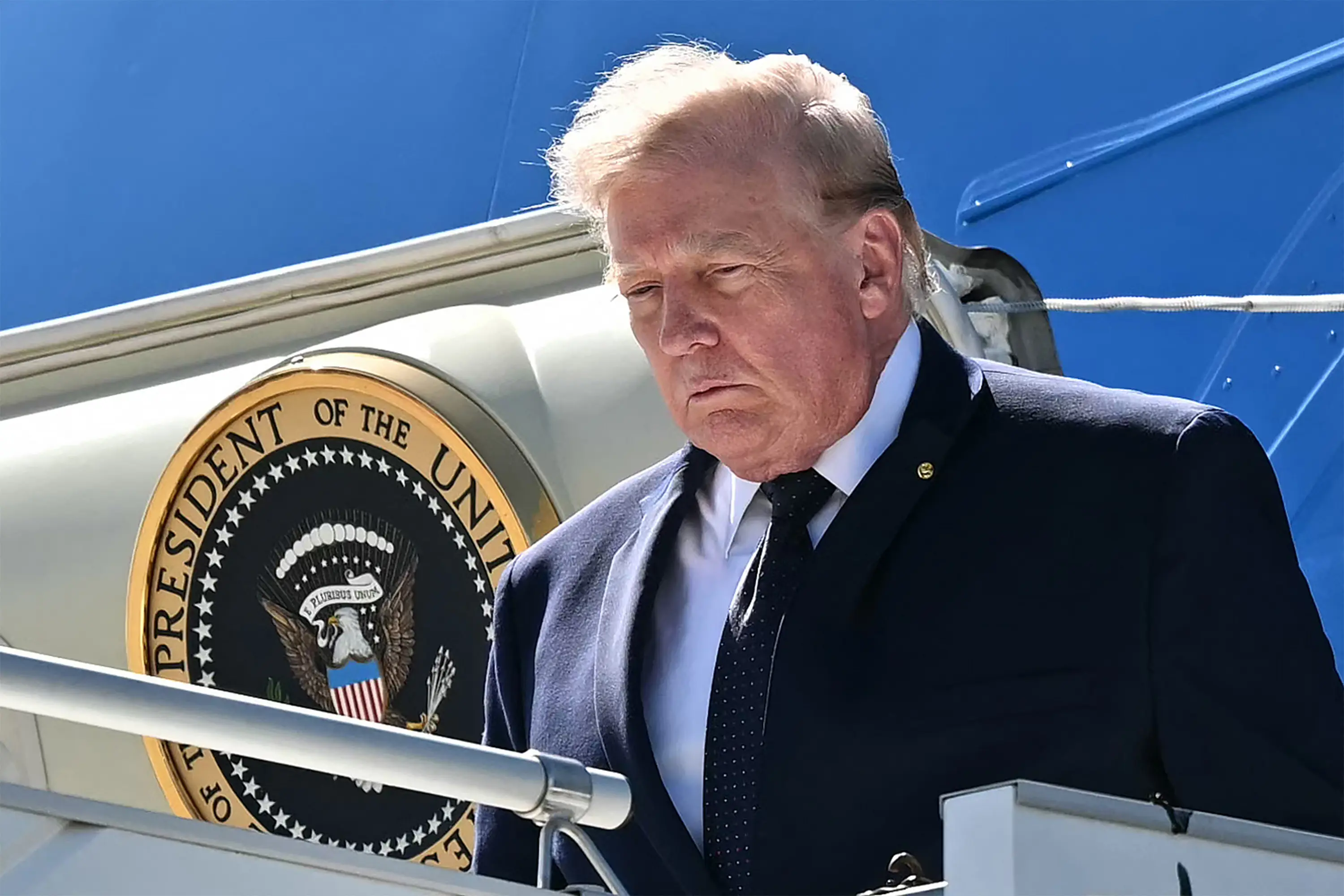
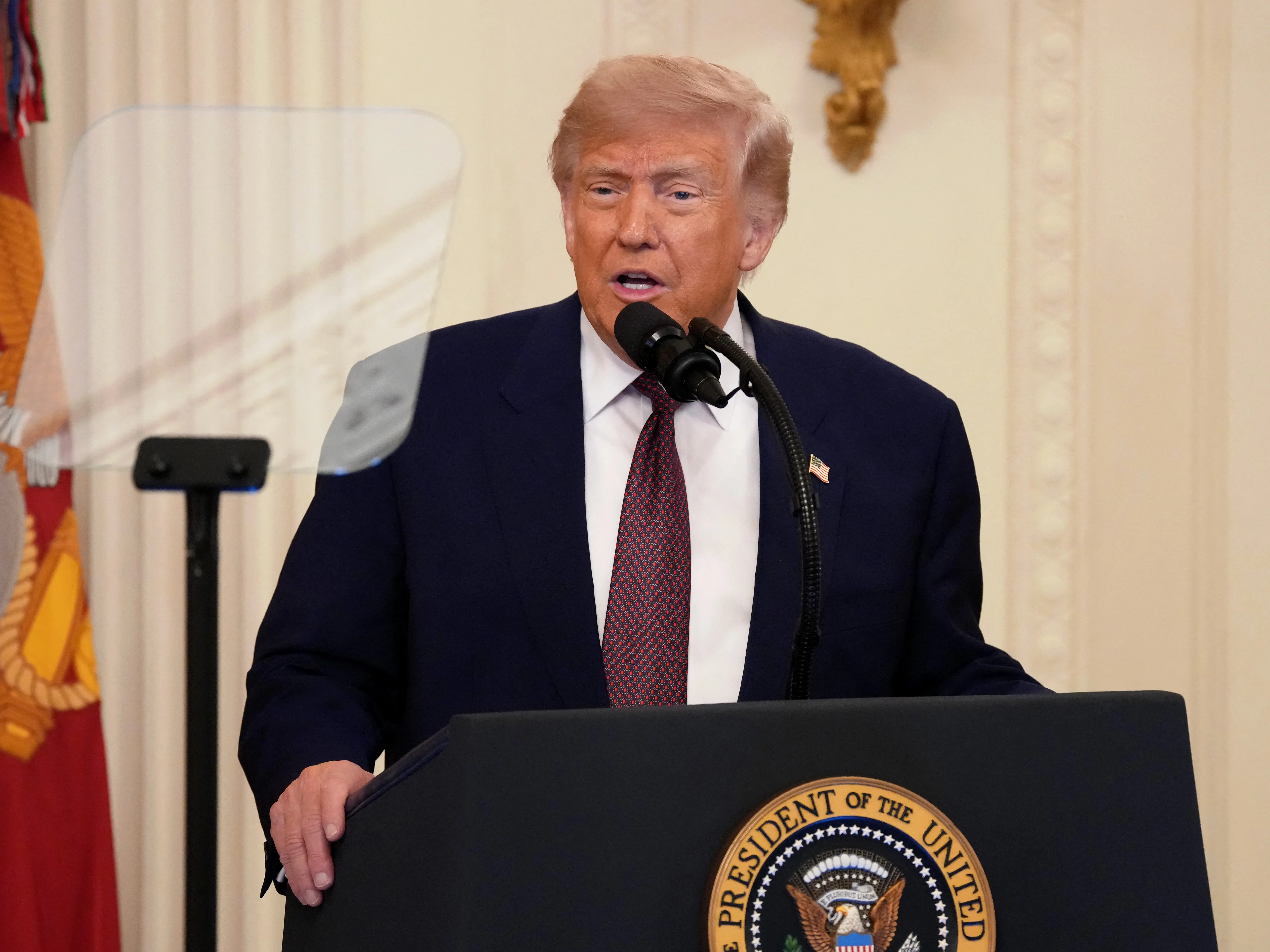
US President Donald Trump said on Tuesday that he would be prepared to "cancel meetings" related to technical talks with Iran if Tehran refuses to allow inspections by the International Atomic Energy Agency (IAEA), maintaining that the United States has already secured commitments on inspection access.
Speaking to reporters after arriving in Pennsylvania for a visit to the Mack Trucks facility in Lehigh County, Trump brushed aside concerns about Iran's position on nuclear inspections.
Responding to questions about whether inspectors from the UN nuclear watchdog would be allowed under a future agreement, Trump insisted that Tehran had already accepted the principle.

"They're wrong. They're wrong. They're wrong. They know they're wrong. They told us inside, and we have it down 100 per cent for inspections. And if they were right, I'd cancel the meetings right now," Trump said.
Asked when inspections could begin, he replied: "At the appropriate time. There's no rush, but they'll be on the ground at the appropriate time."
Earlier in the day, Iranian Foreign Ministry spokesperson Esmail Baghaei told reporters in Tehran that UN inspectors were not expected to visit nuclear facilities targeted by US strikes last year, rejecting remarks made a day earlier by US Vice President JD Vance.
Trending Stories
&im=FitAndFill=(700,400))
How fast can the Sukhoi Su-30 fighter jet really fly?
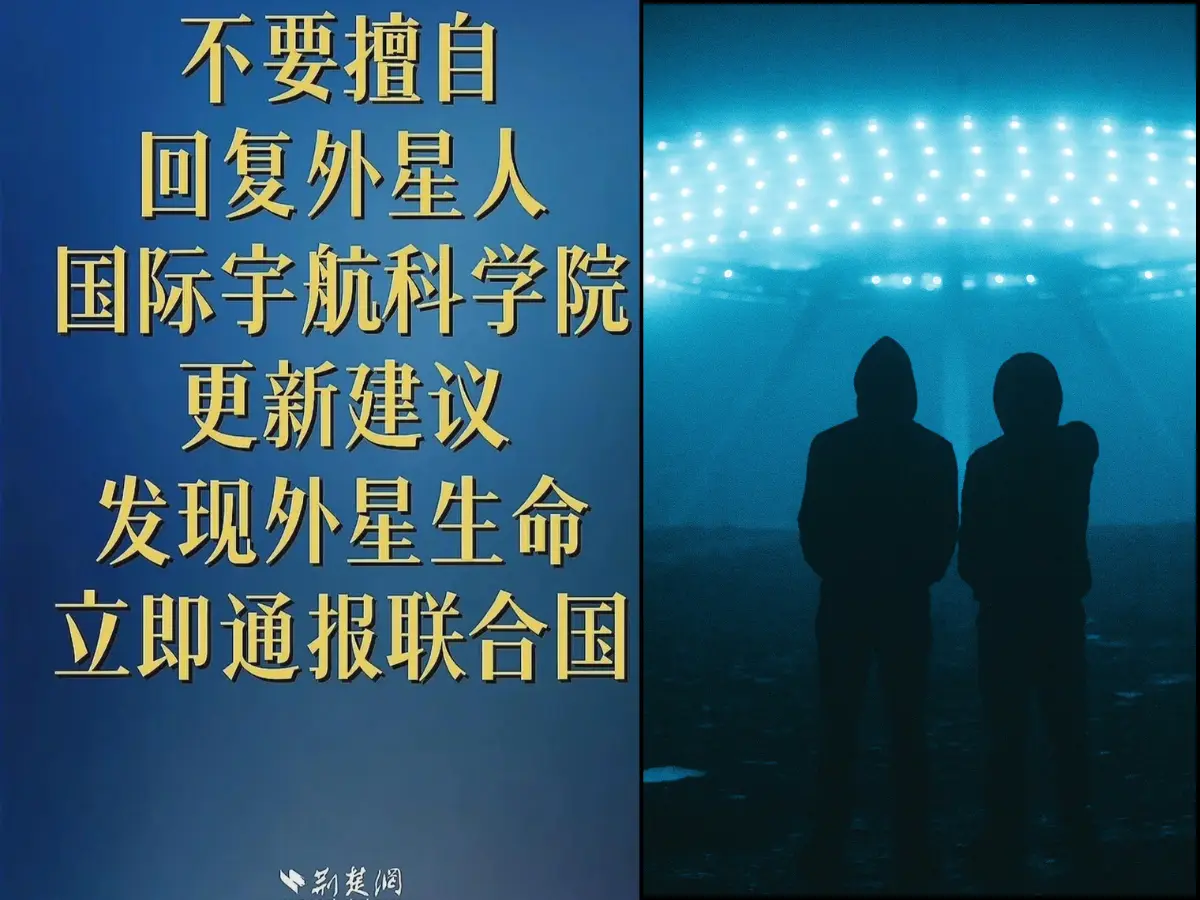)
Did China ask its people 'not to respond to aliens'? Origin of bizarre claim on social media
)
MS Dhoni-CSK Fallout? Report claims failed stake sale talks triggered rift
)
Scientists reveal the SAFEST COUNTRY when catastrophe strikes the planet
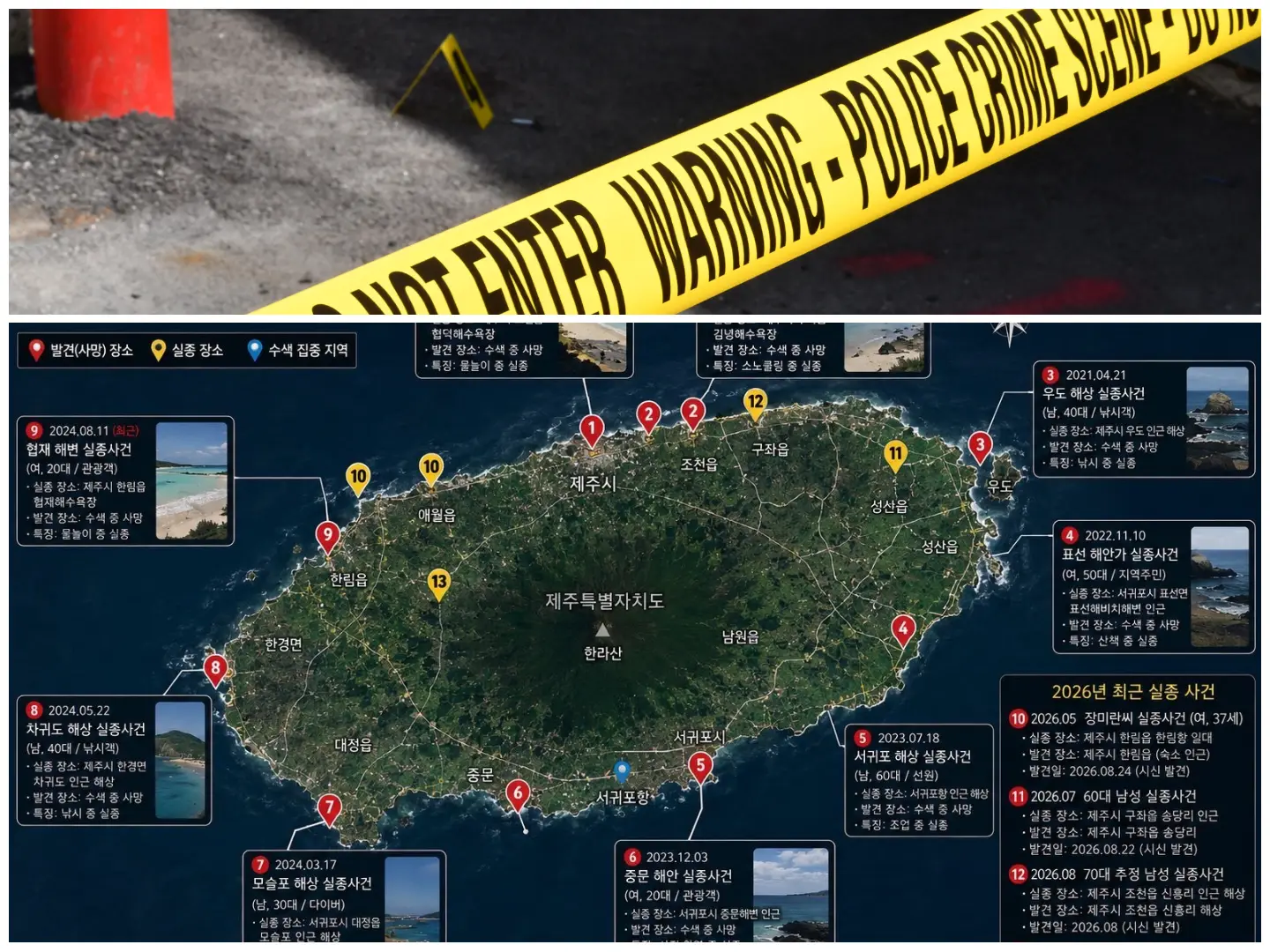)
Serial killer on the loose in South Korea's Jeju Island? Fourth body found in three days as more than a dozen people go missing
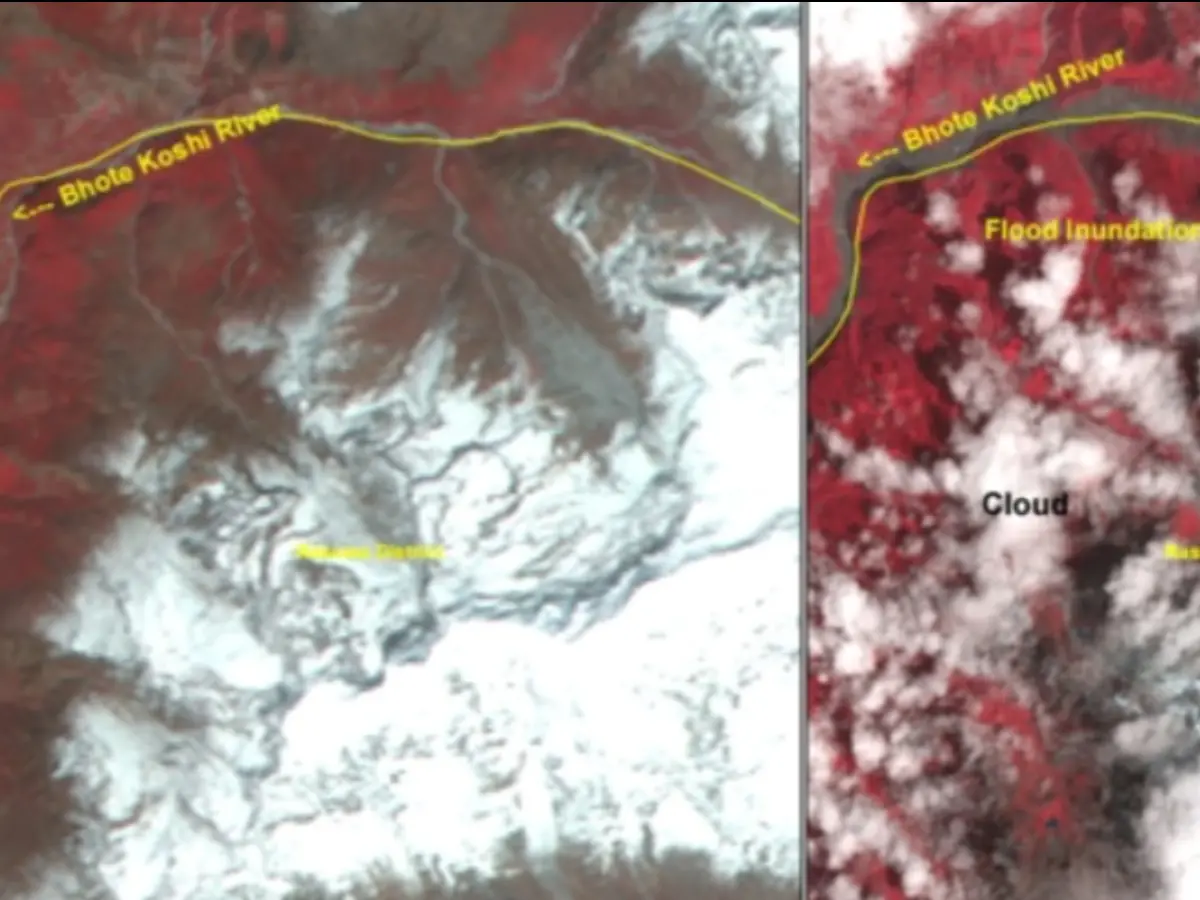)
2/3rd of glacier detached, collapsed: ISRO satellite images reveal what triggered Nepal floods
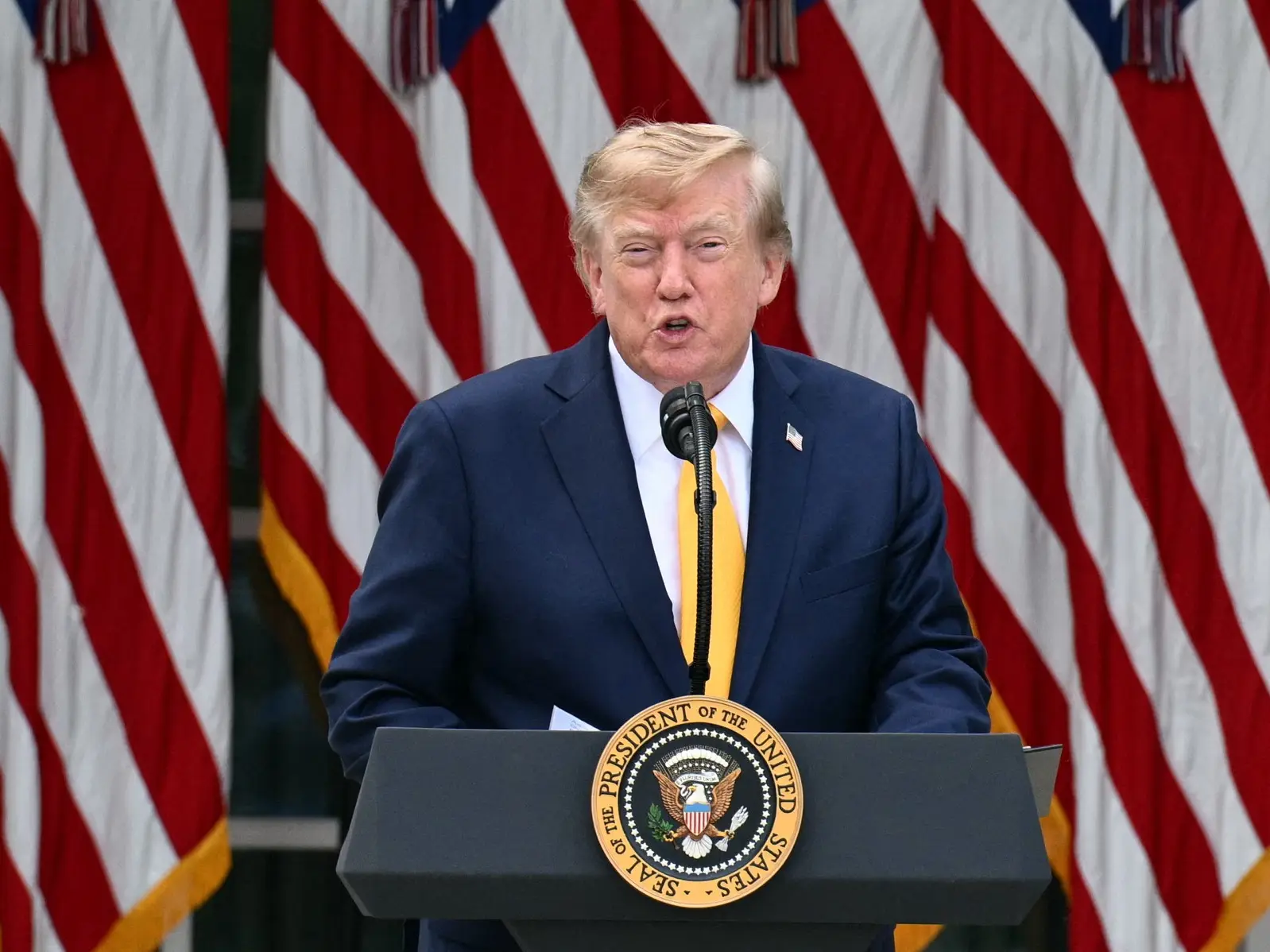)
Trump once again claims without him there would be ‘no Israel right now’
)
Foreign espionage attacks against German companies surge to 37%, Bitkom report reveals
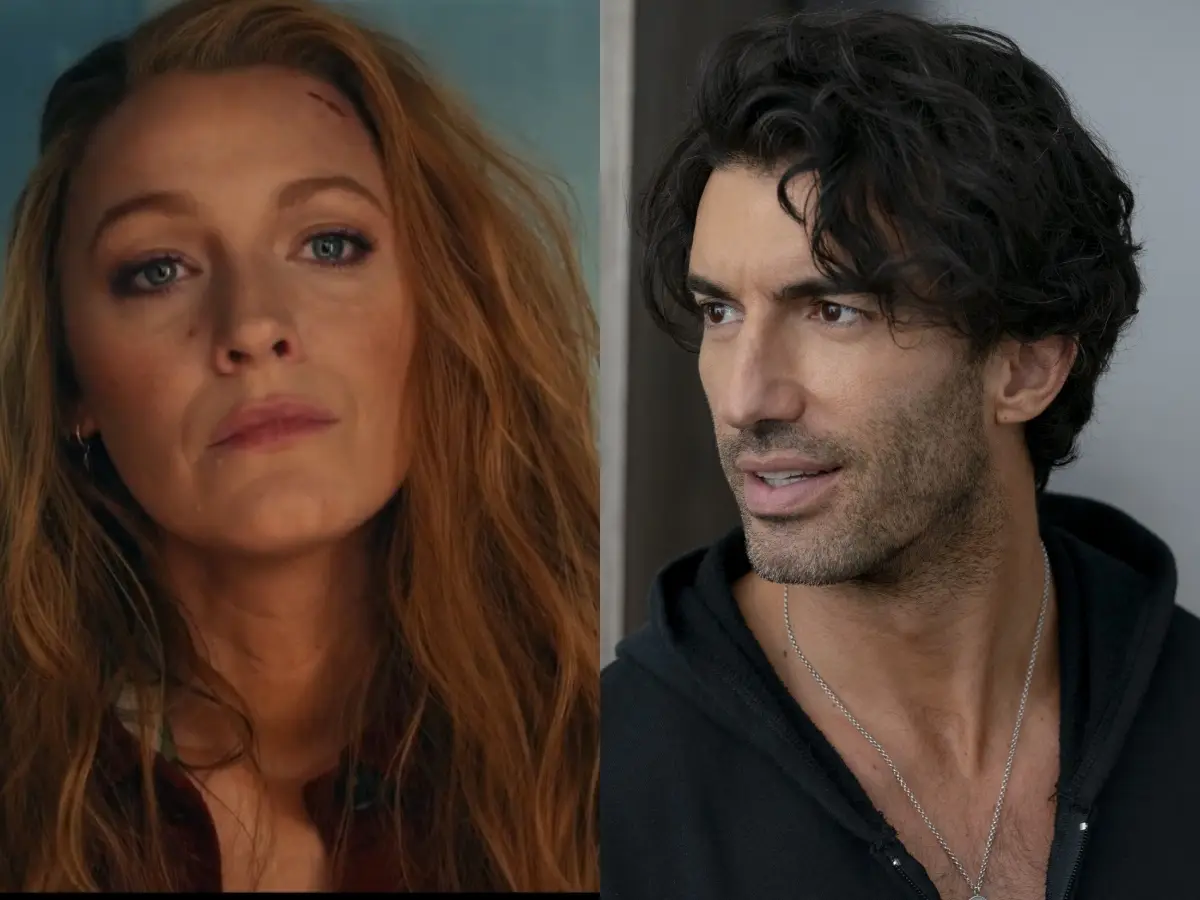)
Blake Lively wins partial legal fee from Justin Baldoni after $8M request
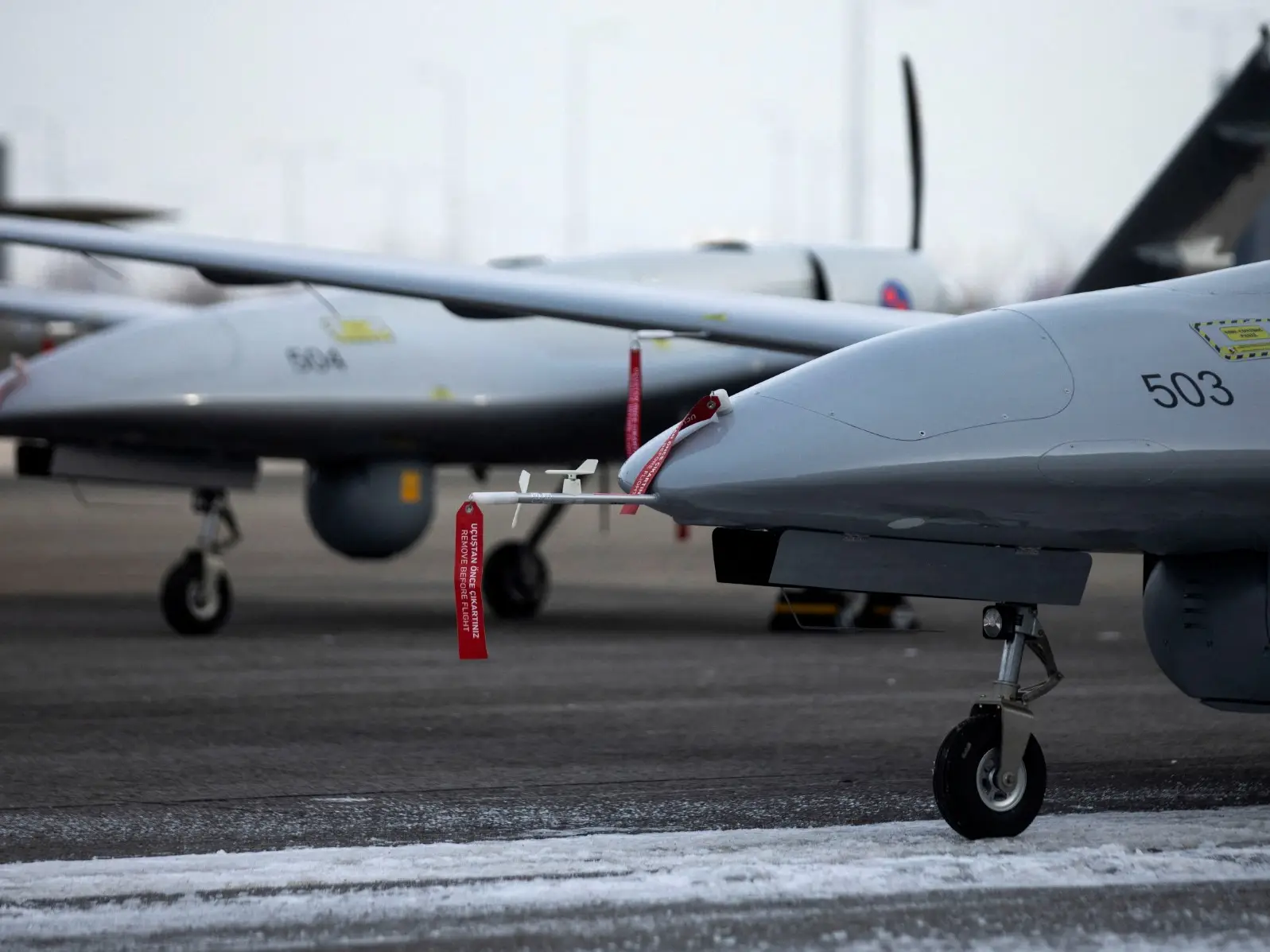)
Why is Pakistan deploying Turkish Bayraktar TB2 drones near India border?
)
'OH MY GOD! We've found other agents!': Investigators discover not one or two, almost 700 OpenAI AI agents went rogue, hacked Hugging Face
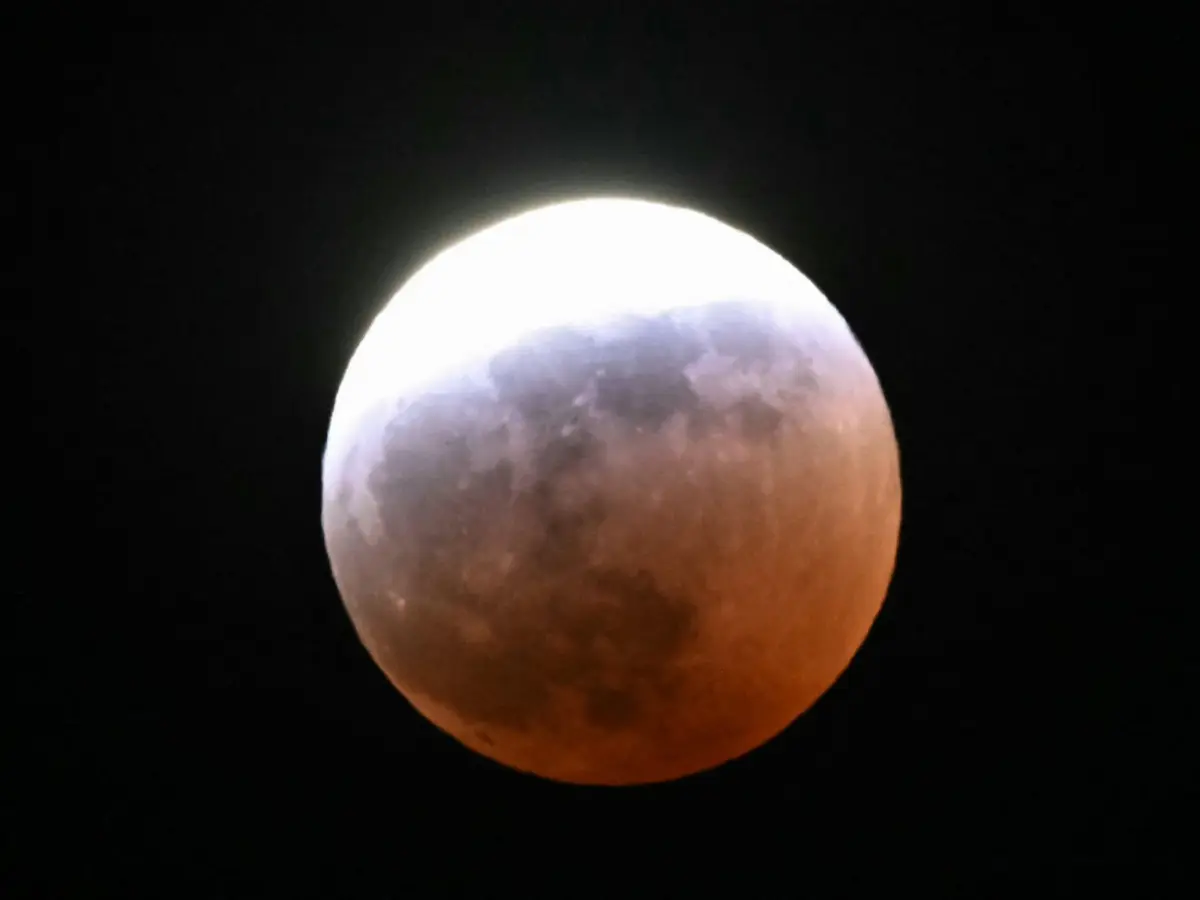)
Lunar eclipse 2026: India timings, places to see and more. August Blood moon factsheet
)
RSS chief Mohan Bhagwat on global outreach tour
)
Both pilots killed as training aircraft crashes in Lucknow – What we know
)
16-year-old charged with preparing terror attack on kindergarten in Norway
&im=FitAndFill=(700,400))
How the S-400 protects itself from enemy attacks
)
Nepal floods: Over 165 dead, 400 missing; US, India, China, World Bank mobilise aid
)
India's multi-layered watch: The new surveillance war
)
5 doomsday planes spotted in US skies hours after CIA director's secret trip to Russia
)
9/11 mastermind Khalid Sheikh Mohammed to finally face trial in 2028, nearly 27 years after horrific attacks
)
Islamabad hospital fire: What we know about one of the biggest facility that housed Imran Khan
)
Workers run for life while filming Nepal flash flood: Scary new visuals emerge from Rasuwa
)
Russian military planes enter South Korean air defence zone amid rising tensions with North Korea: What's happening
)
Ron Weasley Is Back! Rupert Grint set to return to Harry Potter universe on Broadway
)
400-year-old 'vampire' grave in Poland reveals non-existent genetic lineage
)
Dolly Parton, global icon and queen of country music, dies at 80
)
Nepal flash floods: Kailash Mansarovar yatra affected, close to 400 pilgrims out of contact
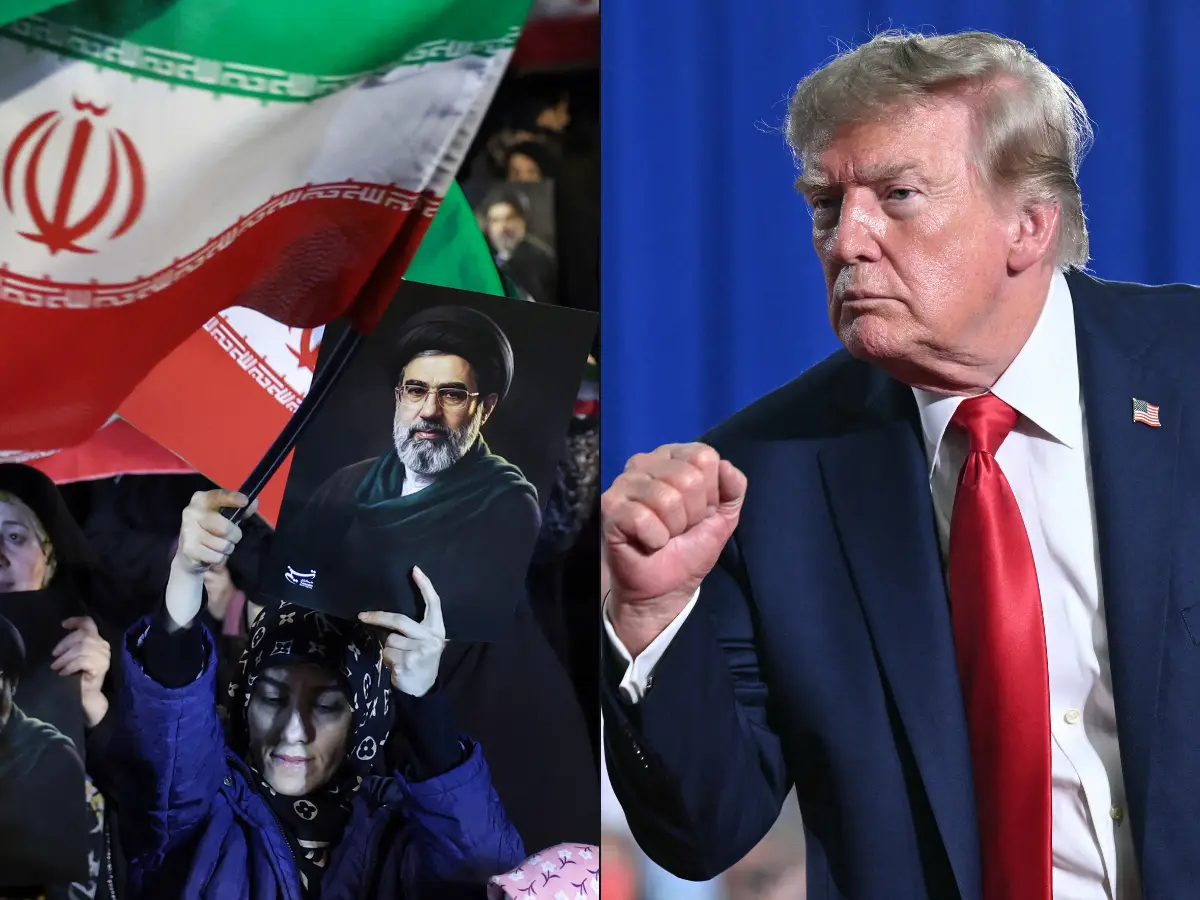)
'If he is dead, they're putting on a pretty good show': Trump casts fresh doubt over Mojtaba Khamenei's fate
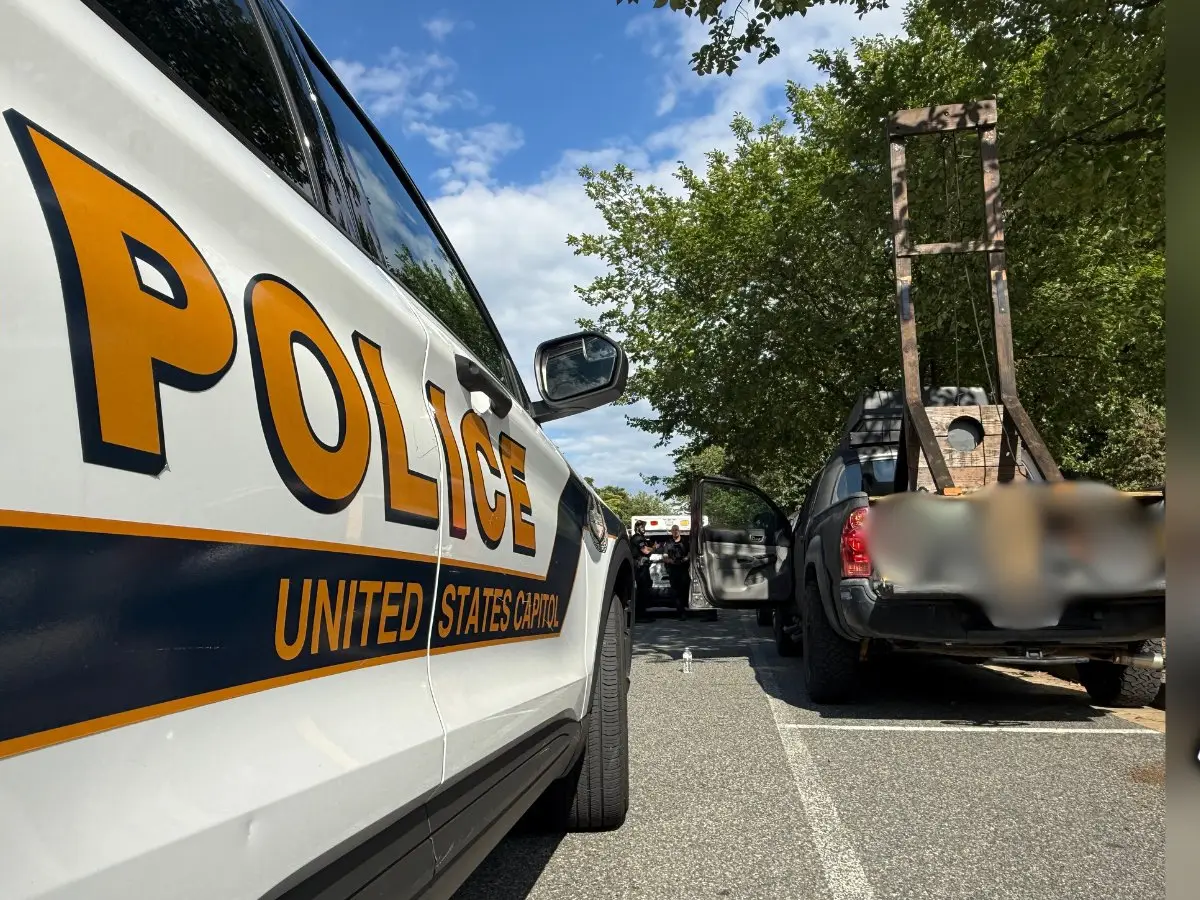)
Man arrested near US Capitol with guillotine in pickup truck: What happened?
&im=FitAndFill=(700,400))
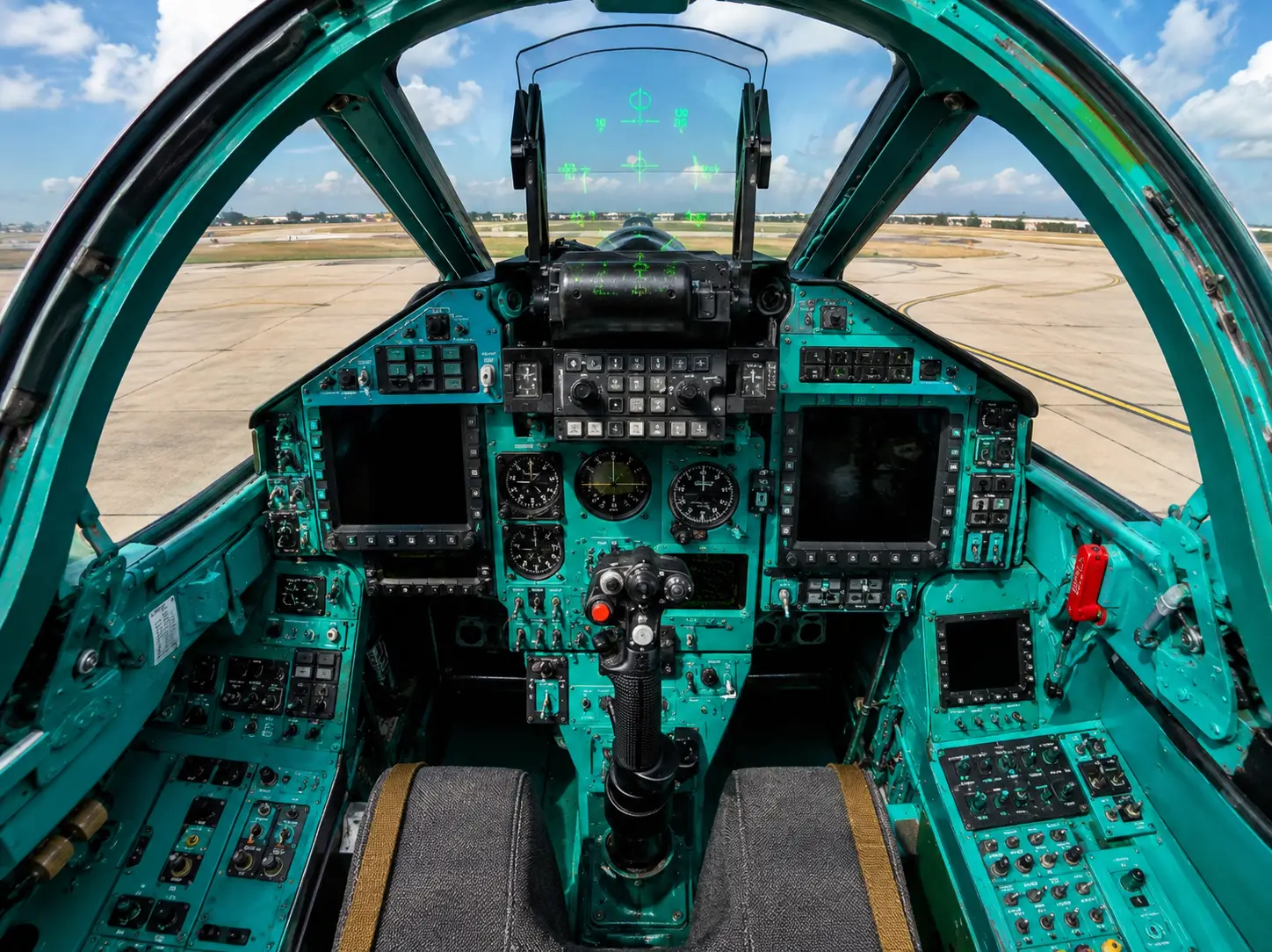
Why the Su-30MKI cockpit is painted bright turquoise green
Trump's remarks came as differences between Washington and Tehran emerged over several issues, including access for inspectors, Iran's missile programme and the future management of the Strait of Hormuz.
Rubio rejects Iranian tolls on the Strait of Hormuz
Secretary of State Marco Rubio said Washington would oppose any attempt by Iran to impose tolls or fees on vessels using the strategic waterway.
The United States and Iran recently signed a preliminary agreement aimed at ending the conflict and completed an initial round of negotiations in Switzerland. The two sides are now engaged in a 60-day period of talks focused on sanctions relief, Tehran's nuclear activities and the future of the Strait of Hormuz.
Shipping through the waterway was severely disrupted after Iran imposed a blockade during the early stages of the war, pushing global oil prices higher. Traffic has since started recovering following the signing of the agreement.
Iran has repeatedly maintained that it will retain authority over the strait.
On Tuesday, Iran and Oman said in a joint statement that they would examine the management of the trade route and consider service charges, while reaffirming their sovereignty over the waterway.
Speaking during a visit to the United Arab Emirates, Rubio rejected the idea of any fees on vessels using the route.
"It's an international waterway. No country is allowed to charge tolls or fees on an international waterway," he said, adding that he believed "all the countries in this region would agree".
Earlier, Iran's chief negotiator Mohammad Bagher Ghalibaf said the Strait of Hormuz "will never return" to the pre-war status quo, despite both sides agreeing to establish communication channels to keep the route open.