Debris field found near Titanic in search for missing sub: US Coast Guard


Titanic sub
Rescuers announced on Thursday (June 22) that an underwater robot searching near the wreckage of the Titanic had discovered a "debris field," as efforts continued to locate a missing submersible carrying five individuals.
Despite concerns about the vessel's oxygen supply, the multinational mission remains dedicated to finding the crew alive. The US Coast Guard confirmed that experts within the unified command are evaluating the newly found debris field, located near the Titanic, detected by a Remotely Operated Vehicle (ROV). Further details about the debris field were not provided, but a press briefing is scheduled in Boston.
"Experts within the unified command are evaluating the information," the US Coast Guard said in a tweet.

Also read | Titanic submersible LIVE updates
Use of additional robots
To intensify the search for the missing Titan sub, two additional robots were deployed in the vast expanse of the North Atlantic, spanning from the ocean's surface to a depth of over two miles (nearly four kilometres). The sub was estimated to carry emergency air supplies for up to 96 hours, indicating potential oxygen depletion in the early hours of Thursday.
)
'Definitely feel bad for yourself': Kuldeep Yadav opens up on India Test snubs
)
India’s imports from Russia jump 57% in five months; China remains top import source
)
China's property crisis deepens as investment plunges nearly 20%
)
IND vs AFG, 2nd T20I: Reddy, Samson shine as India defeat Afghanistan by 7 wickets to clinch series
)
1,200 Indian and US troops begin high-altitude and desert drills
)
Saudi Arabia discovers 110 million tonnes of Uranium-rich ore in Madinah region
)
Extreme warming in Indian Ocean added 695 billion tons of ice to Antarctica ice sheet
)
'She married her brother': Ilhan Omar faces criminal probe over immigration fraud claims
)
Messi set to play in farewell match on October 6 in Argentina vs Benin friendly
)
West Bengal IPS officer Bushra Bano transferred after objections to ‘Assalamualaikum’, ‘Inshallah’
)
Top military commanders from US, Israel, and 7 Arab nations held secret meeting on Iran War
)
Spanish officer sent home from NATO base over affair with 'Russian spy' | Gravitas
)
US Treasury yields cross 5% as Scott Bessent warns of ‘global issues’ impacting bonds
)
‘US military task force aiding Saudi Arabia forces with intel, planning support’: Official
)
Trump's Iran war faces fresh House rebuke; 7 Republicans join Democrats in push to end conflict ahead of midterms
)
Elephants hide behind trees, stage surprise attack on poachers targeting rhinos in South Africa
)
Russia proposes to build 360 kmph Ivolga FG trains in India: What happened on sidelines of BRICS
)
Imran Khan’s sons accuse Asim Munir of holding ‘personal grudge’ against imprisoned father
)
Amid AI safety fears, OpenAI, Anthropic and Google move to create standards body
)
Saudi turns to Israel for intelligence help as Houthi attacks intensify: Report
&im=FitAndFill=(700,400))
New OTT releases this week (September 14-20, 2026): Lust Stories 3, Waiting Hai, Irumudi- 5 new titles coming on Netflix, Prime Video and more
)
A big shift in modern air power & control
)
Delhi schools receive bomb threats in Punjabi, security checks find nothing suspicious
)
800 million years old - Scientists discover 'fingerprints' of supercontinent Gondwana in ancient rocks
)
OpenAI boss Sam Altman repeats AI 'slow down' call, says world 'right to be afraid'
)
Ed Sheeran’s US tour loses all support acts after Macklemore’s removal | Controversy explained
)
2026 El Niño will create new extreme weather patterns. Worse, no one can predict them
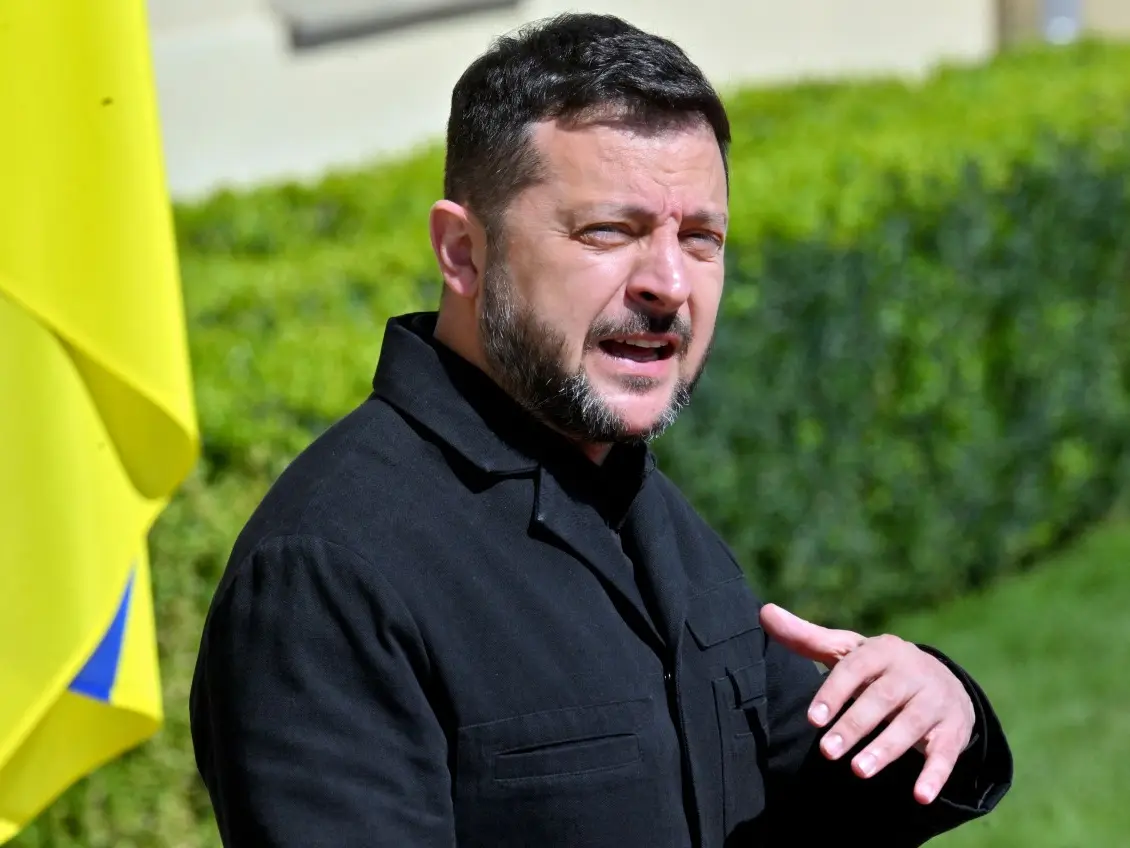)
Bitter Zelensky snubs Trump for playing politics with Ukraine war | Gravitas
)
Who is Kalyan Bainsla, accused in the Gurugram hit-and-run case involving woman biker?
)
'Now Trump is copying us': Shivakumar links US $5,000 plan to Congress guarantees
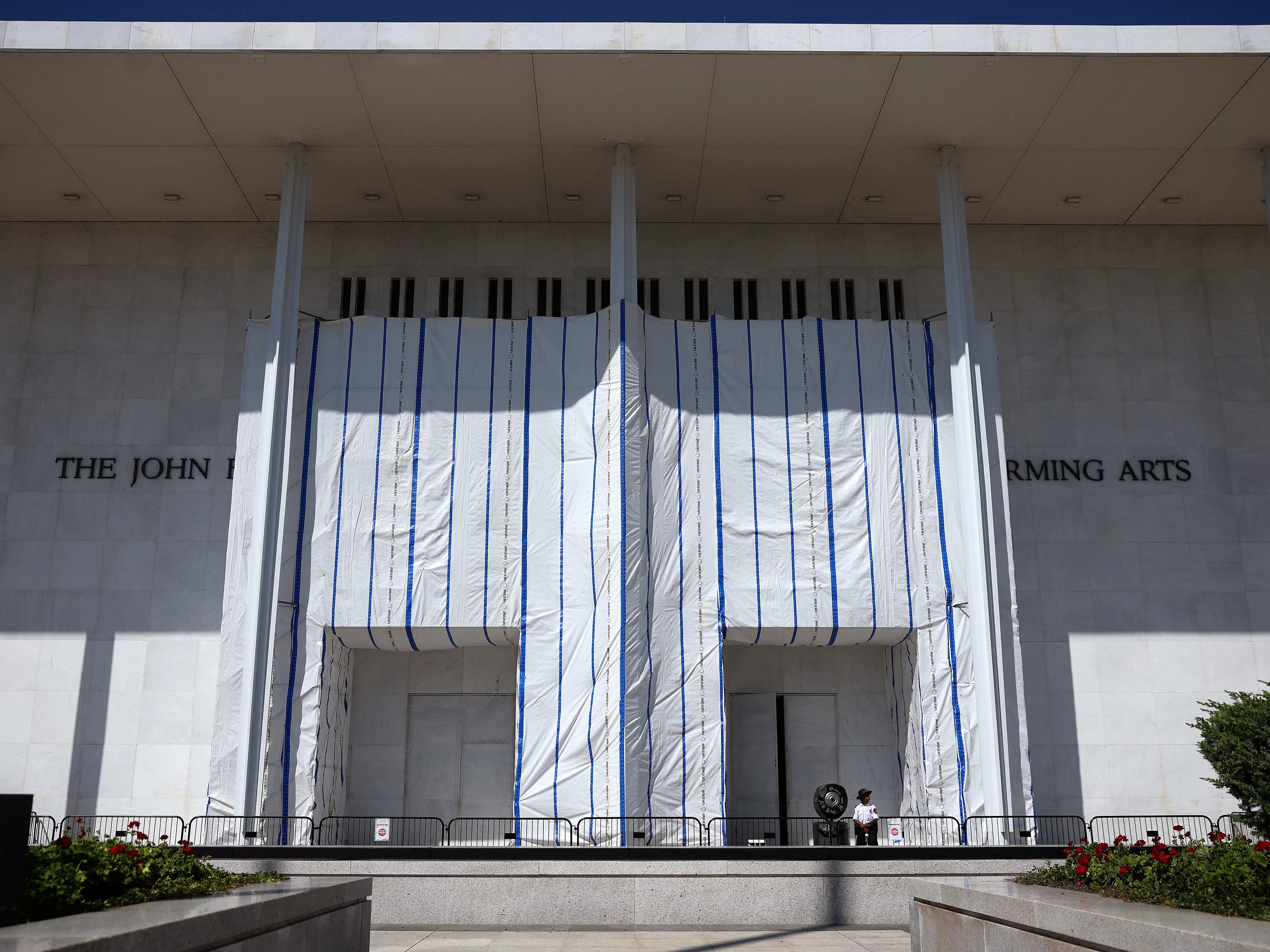)
Trump's name cannot return to Kennedy Center, US judge rules
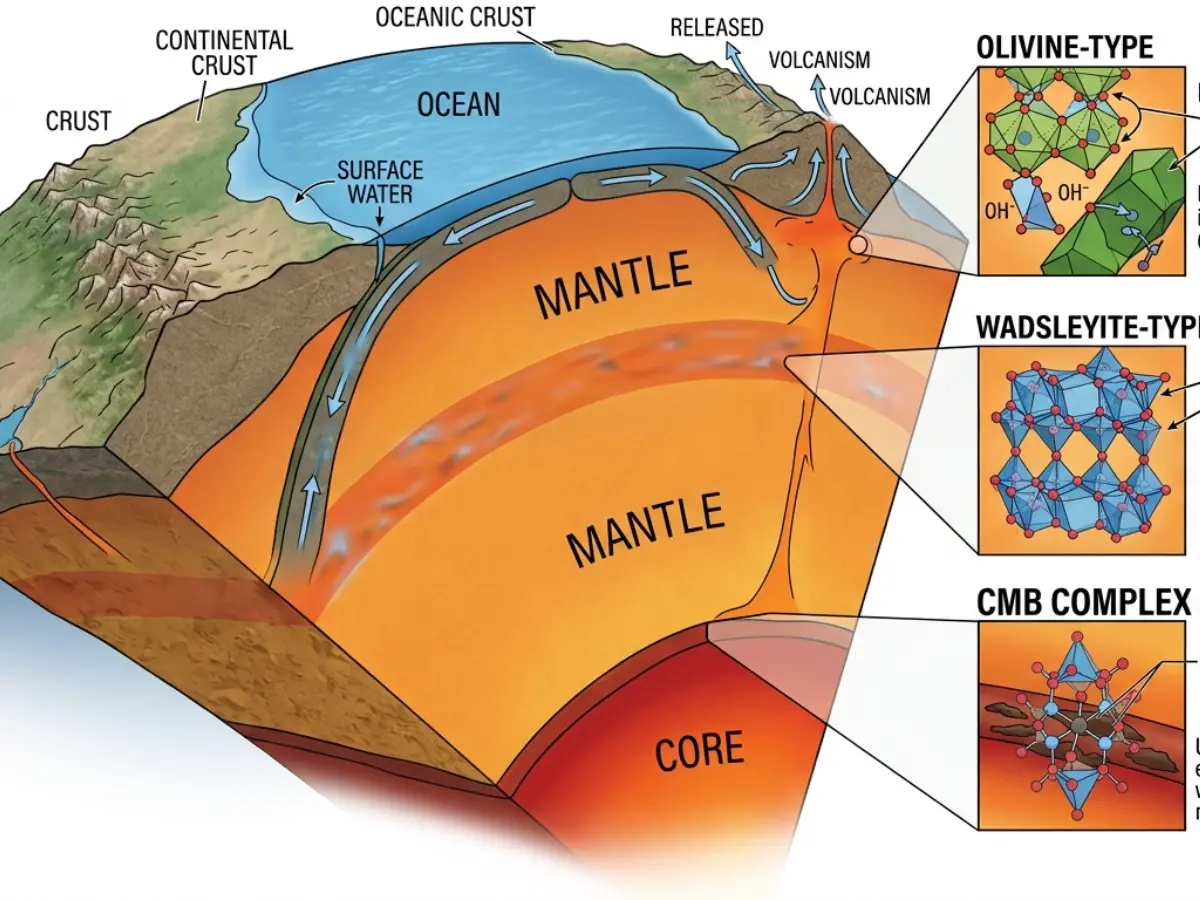)
Water equivalent to two Pacific Oceans could be stashed 2,900 km inside Earth
)
‘Kill all in the name of...’: FBI arrests 21-year-old over alleged ISIS-inspired mass-casualty attack plot
)
'Like a thug you are using agency to go after..': Kash Patel grilled by Senate Democrats over FBI firings, journalist investigations and hiring policy
However, Rear Admiral John Mauger of the US Coast Guard emphasised their unwavering commitment to the search, considering both the technical limitations and the resilience of the crew. Assets and experts have been mobilised, and sonar has detected unidentified underwater noises.
Organisers of the response, including US and Canadian military aircraft, coast guard vessels, and teleguided robots, have focused their efforts on the vicinity of the detected sounds.
These noises, resembling "banging," have raised hopes that the crew is still alive, although their source remains unconfirmed. The French research ship Atalante deployed an unmanned robot, the Victor 6000, capable of searching depths of up to 6,000 metres. Another robot, dispatched by the Canadian vessel Horizon Arctic, has already begun its search on the ocean floor. Medical staff and a decompression chamber are en route to the area to provide support.
The 21-foot Titan submersible initiated its descent on Sunday but lost communication with its mothership just around two hours into the journey. Among the passengers on board are British billionaire Hamish Harding, Pakistani-British citizens Shahzada Dawood and his son Suleman, OceanGate Expeditions CEO Stockton Rush, and French submarine operator Paul-Henri Nargeolet.
Also watch |Titanic submarine search: Missing Billionaire's son attends concert
Extensive search efforts spanning 10,000 square miles of surface water have been conducted, equivalent to the size of Massachusetts. Recovering the submersible from such depths presents a significant challenge, but the Navy has deployed specialised lifting equipment and personnel for the operation.
The Titanic, which sank in 1912 during its inaugural voyage, lies approximately 400 miles off the coast of Newfoundland, Canada, more than two miles below the surface. The historic site has attracted nautical experts and underwater tourists since its discovery in 1985. The extreme depth poses immense pressure, measuring 400 times that of the sea level. The complexity of sending a small vessel to such depths underscores the technical challenges involved. Concerns about the submersible's design were raised in a previous lawsuit, highlighting the experimental nature of the Titan.
WATCH WION LIVE HERE: