Sugary drink a day doubles risk of stomach cancer | Gravitas

&imwidth=600&imheight=450&format=webp&quality=medium "Sugary drink a day doubles risk of stomach cancer | Gravitas")
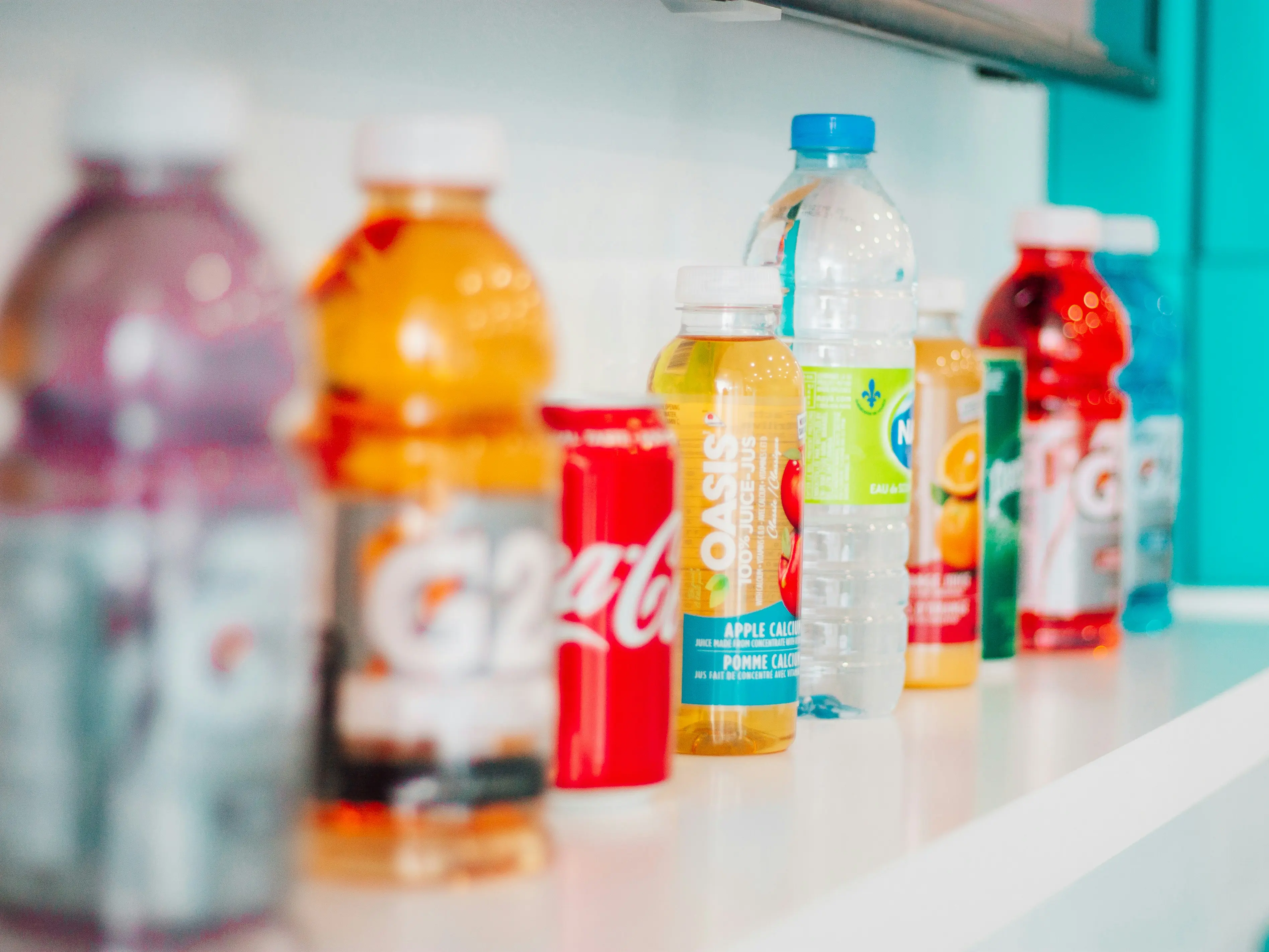
Sugary drinks doubles stomach cancer risk Photograph: (Unsplash)
A study of more than 112,000 people found an association between daily sugary-drink consumption and increased stomach cancer risk, but researchers say it does not prove causation.
For millions of people, a cold cola or a bottle of soda is part of everyday life — whether it is with a meal, during a break, or while relaxing.
But new research suggests that this daily habit may carry a more serious health risk than previously recognised.
A study by researchers from Massachusetts General Hospital and Harvard Medical School, involving more than 112,000 people, has found a link between daily sugary-drink consumption and stomach cancer.
According to the study, people who drank at least one sugary soft drink a day had 2.45 times the risk of developing stomach cancer compared with those who did not drink sugar-sweetened beverages.
Among women, the risk was about three times higher, while men faced about twice the risk.
The researchers say this is the first study to identify an association between sugary-drink consumption and stomach-cancer risk.
Trending Stories
&imwidth=280&imheight=210&format=webp&quality=medium)
&imwidth=280&imheight=210&format=webp&quality=medium)
&imwidth=280&imheight=210&format=webp&quality=medium)
&imwidth=280&imheight=210&format=webp&quality=medium)
&imwidth=280&imheight=210&format=webp&quality=medium)
&imwidth=280&imheight=210&format=webp&quality=medium)
&imwidth=280&imheight=210&format=webp&quality=medium)
&imwidth=280&imheight=210&format=webp&quality=medium)
&imwidth=280&imheight=210&format=webp&quality=medium)
&imwidth=280&imheight=210&format=webp&quality=medium)
&imwidth=280&imheight=210&format=webp&quality=medium)
&imwidth=280&imheight=210&format=webp&quality=medium)
&imwidth=280&imheight=210&format=webp&quality=medium)
&imwidth=280&imheight=210&format=webp&quality=medium)
&imwidth=280&imheight=210&format=webp&quality=medium)
&imwidth=280&imheight=210&format=webp&quality=medium)
&imwidth=280&imheight=210&format=webp&quality=medium)
&imwidth=280&imheight=210&format=webp&quality=medium)
&imwidth=280&imheight=210&format=webp&quality=medium)
&imwidth=280&imheight=210&format=webp&quality=medium)
&imwidth=280&imheight=210&format=webp&quality=medium)
&imwidth=280&imheight=210&format=webp&quality=medium)
&imwidth=280&imheight=210&format=webp&quality=medium)
&imwidth=280&imheight=210&format=webp&quality=medium)
&imwidth=280&imheight=210&format=webp&quality=medium)
&imwidth=280&imheight=210&format=webp&quality=medium)
&imwidth=280&imheight=210&format=webp&quality=medium)
&imwidth=280&imheight=210&format=webp&quality=medium)
&imwidth=280&imheight=210&format=webp&quality=medium)
&im=FitAndFill=(700,400)&imwidth=280&imheight=210&format=webp&quality=medium)
&imwidth=280&imheight=210&format=webp&quality=medium)
&imwidth=280&imheight=210&format=webp&quality=medium)
&imwidth=280&imheight=210&format=webp&quality=medium)
&imwidth=280&imheight=210&format=webp&quality=medium)
So, what exactly counts as a sugary drink?
The term includes regular soft drinks, colas and sports drinks that contain added sugars.
Once consumed, these sugars are quickly absorbed into the bloodstream, prompting the body to release insulin and process the extra energy.
Over time, frequent high sugar intake, though, can contribute to weight gain and insulin resistance and may also affect inflammation and other metabolic processes.
The researchers also point to other possible links to stomach cancer, including weight gain, insulin resistance, steroid-hormone imbalance, inflammation and DNA damage.
And they stress that their findings do not prove that sugary drinks cause cancer.
Rather, this was an observational study. Much of the information was self-reported, with some health and family-history data being incomplete.
They say further studies are needed to determine whether sugar itself is driving the increased risk.
But for now, the message is not that one soft drink causes cancer, but that an everyday habit deserves a closer look.