Chinese media shaped false opinions on Doklam Issue

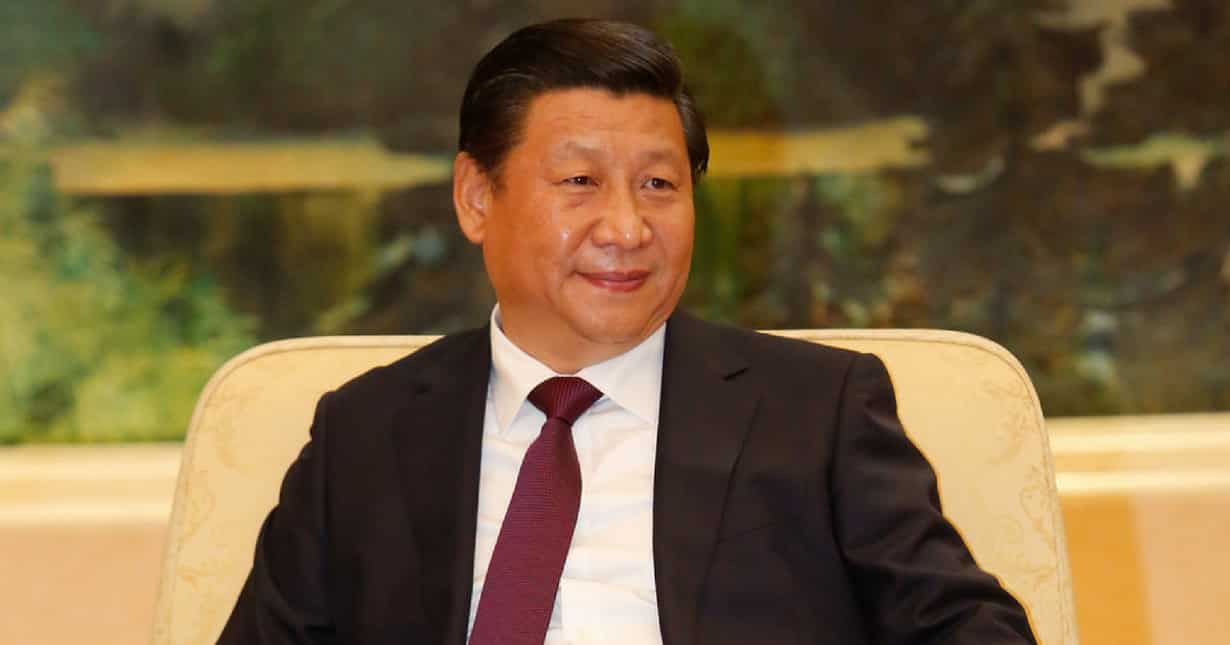
Xi Jinping
Mandarin media on the Chinese mainland and in Hong Kong carried more than 130 pieces of varying length, clearly an attempt to?sensitise?the public to the tensions on the plateau, and shape opinion.
Nearly three years ago,China banned puns on radio, television and other media on the grounds that it defiled language traditions and confused impressionable youth.That may have beenareason but the moreaccurateone may have been to stifle criticism.
An ode doing the rounds on Teacher's Day in 2014 paid tribute to President Xi Jinping and his singer wife Peng Liyuanroughly translated into English it said 'Daddy Xi loves Mama Peng', but when Da from Daddy is joined with Ma from Mama, you get the Chinese word for the narcotic marijuana.

That was deemedsubversiveand, therefor
He said: "We should turn the old page and start a new chapter with the same pace and direction. Weshoulddancetogether.We should make one plus one 11. China is the largest trading partner of India."
)
US Supreme Court backs Trump administration's use of SAVE database to check voter citizenship
)
Outrage erupts after 3-year-old is married to 60-year-old man in Pakistan, link to her sister's murder being probed
)
Donald Trump shares image of Xi's arrival in Washington, carries signs of AI
)
Pakistan deploys over 20,000 security personnel as PTI vows march for Imran Khan's release
)
‘Anti-social elements spreading false rumours’: LPU issues statement amid massive unrest over alleged rape
)
LPU students go on rampage, vandalise campus amid widespread protest: What's happening
)
OpenAI AI Agents hacked 4 websites before Hugging Face, researchers reveal
)
Pentagon quietly adds 37 wounded troops to Iran war tally without explaining when or how
&im=FitAndFill=(700,400))
New Friday OTT releases (September 25, 2026): Don’t Be Shy, Hunkkaar: The Roar, Mango Pachcha- 6 movies and TV shows on Netflix, Prime Video and more
)
Asian Games 2026: India face Afghanistan in quarterfinal on Sep 28; Pakistan clash with Hong Kong
)
‘Attack on Mecca a red line for Pakistan’: Shehbaz Sharif warns Houthis at UN
)
‘I rejected it’: Trump confirms turning down Iran’s proposal to reopen Hormuz, claims Tehran is losing ‘badly’
)
Nigeria Navy moves to boost oil security, tackle crude theft and infrastructure threats
)
'He's very much in our plans': Ravindra Jadeja ‘in mix’ for 2027 ODI World Cup, says batting coach
)
'Countries far from conflict are penalised': Jaishankar calls for Gulf peace, seafarer safety at UN
)
Bigg Boss 20: Salman Khan schools Rhiti Tiwari over Qazi Touqeer clash, compares her to Dolly Bindra
)
‘It is all possible’: Putin weighs next steps on Ukraine talks, rules out Europe conflict
)
Gaza's war turned environmental damage into second crisis
)
Nations League: Spain sink England at Wembley; Modric shines for Croatia
)
Trump-Xi summit wrap: Big pageantry, Iran talks, few major developments and more meetings planned
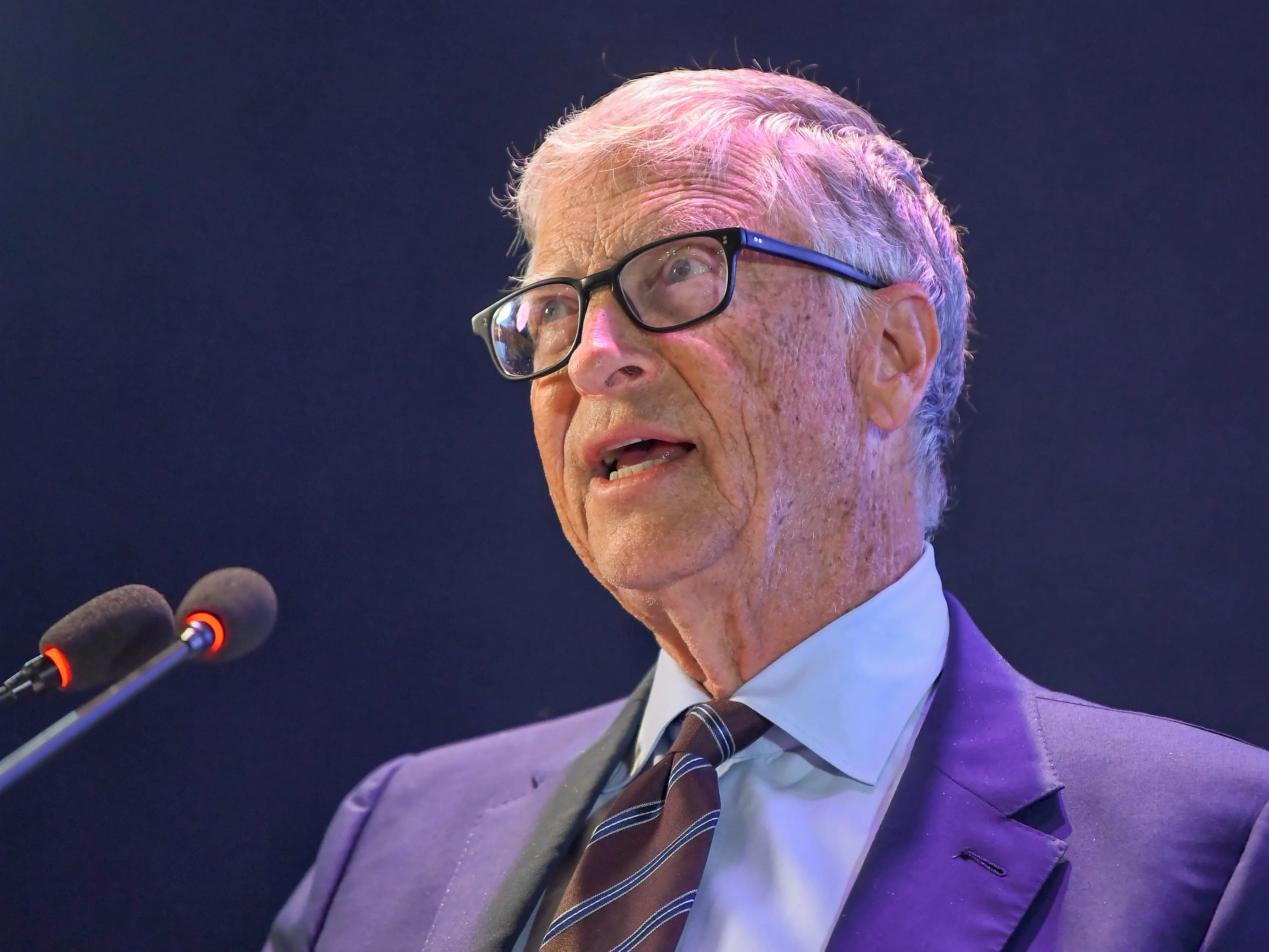)
‘Could kill billions...’: Bill Gates backs calls to slow AI development amid fears of catastrophe
)
Bollywood x K-pop crossover! LE SSERAFIM’s Kazuha charms fans with Shah Rukh Khan’s ‘Chammak Challo’ steps
)
US-Iran war: Trump rejects Iran's Hormuz proposal, reports suggest talks expected next week
)
'What kind of confession is this?': Pakistan PM Shehbaz Sharif’s 'terrorists would be roaming New York' remark goes viral, raises alarm online. Watch
)
Sri Lankan Tamil migrant worker gets death sentence in Saudi Arabia, help sought from India
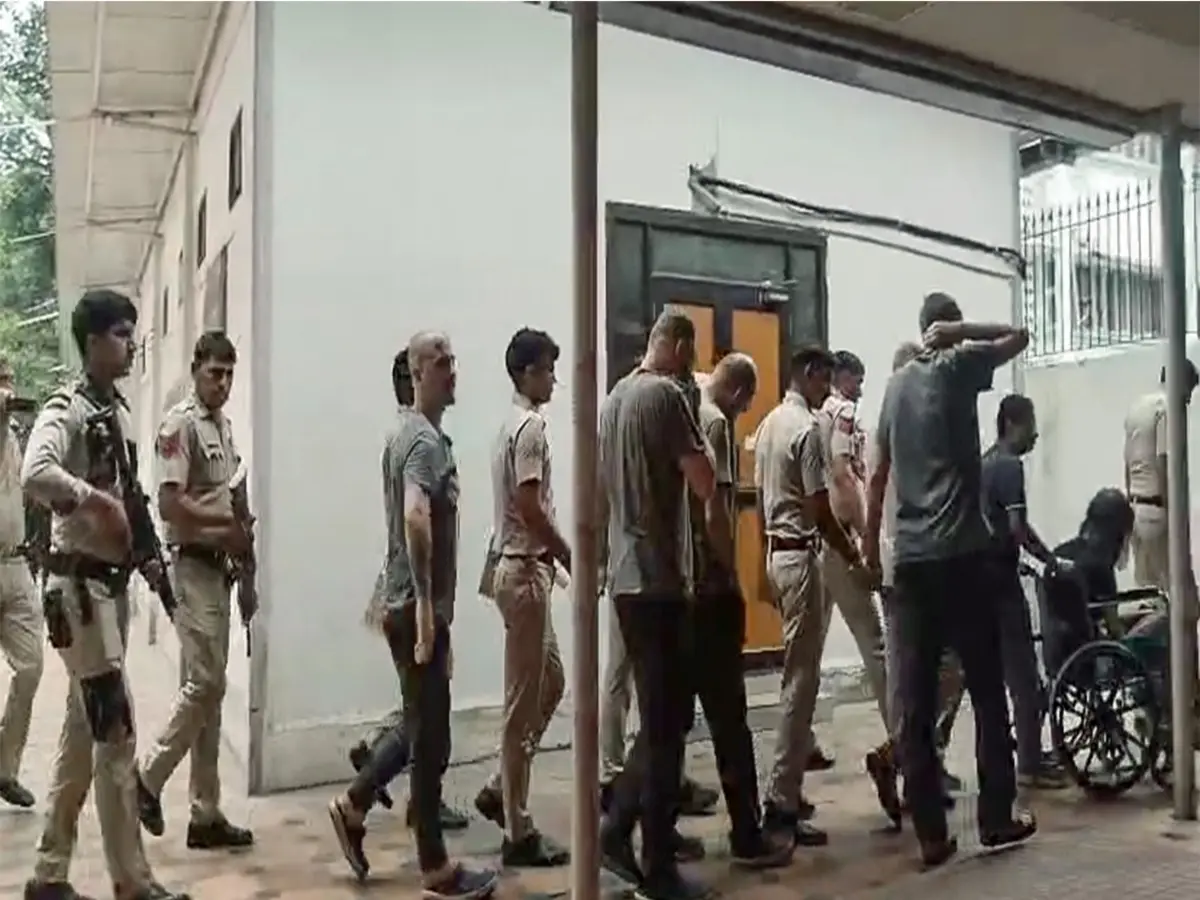)
Myanmar training camp case: US national, 6 Ukrainians allowed to meet their families abroad
)
'FIRST LOOK from inside Noah’s Ark': Researchers share video from inside mysterious mound in Turkey
)
UNSC reform momentum grows: Russia, Portugal, Mauritius push for India's permanent seat bid
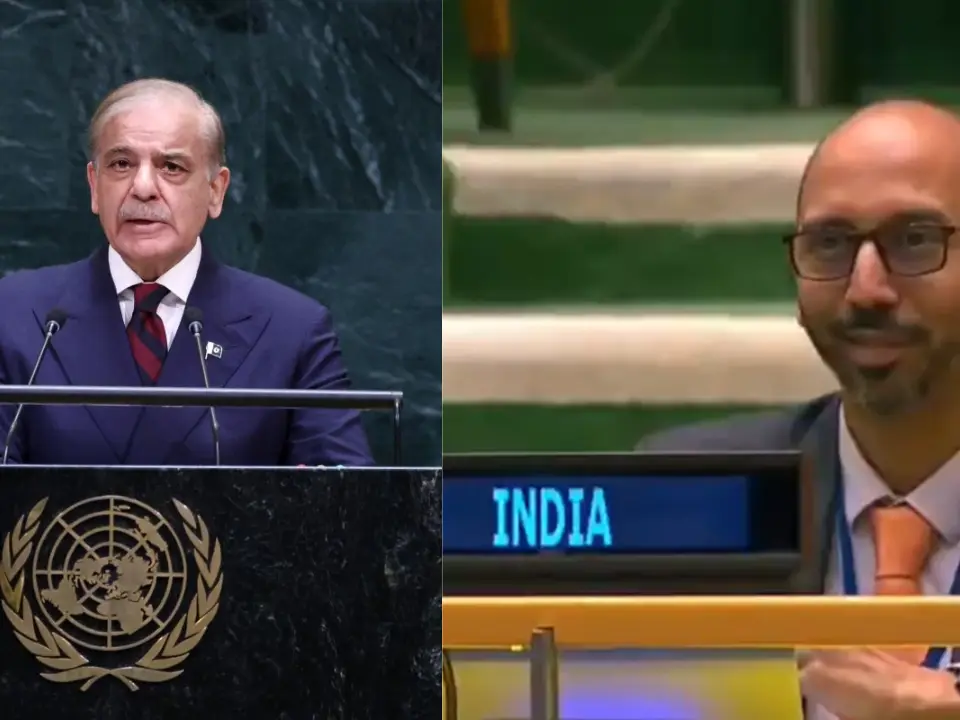)
WATCH | As Shehbaz Sharif claims Pakistan’s ‘victory’ during 2025 conflict, Indian diplomat R Srinivas laughs at UN
)
'A terrorist country is asking me that question?': Jaishankar hits back at Pakistani journalist at UN; flags attacks on commercial shipping
)
Russia will achieve Ukraine war aims; Europe doing everything to block peace talks: Lavrov at UN
)
‘Serial practitioner of terrorism’: Jaishankar calls out Pakistan’s ‘state-sponsored’ terror at UNGA
)
US court backs Pentagon's decision to exclude Anthropic over Claude AI restrictions
One wonders where that concern was during theDoklamstandoff when the foreign ministry in Beijing used threatening andintimidatorylanguage against India. State-run mediadescribed Sushma Saraj as a liar and referred toNational Security AdviserAjitDovalas the "mainschemer" behindthe standoff.
SomeChina watchers in Delhibelievethat Beijing has done lasting damage to the bilateral relationship.It also reduced the room for negotiation by insisting, falsely, thatDoklamis Chinese territory, accusing India of invading,evenclaiming a "surgicalstrike" byIndia. Chinese diplomats in Delhi went so far as to repeat the official warning to India going back to 2008, that China would reverse its recognition of Sikkim as part of India.
An analysis ofmedia coverage of the standoff by theDelhi-basedCentre for China Analysis &Strategyisillustrative. The Mandarin media on the Chinese mainland and in Hong Kong carried more than 130 pieces of varying length, clearly an attempt tosensitisethe public to the tensions on the plateau, and shape opinion.
ThePeople's Liberation Army Daily, which caters for the armed forces, published six articles in English. The China Daily, another English-language paper, published 33 articles, while the Communist PartymouthpiecePeople's Daily, came out with 21 articles inEnglish. Notto be left behind, Xinhua the official news agency carried sixdespatches.
Over a36-dayperiod beginningJune 26, there were 36 articles onDoklamin the state-owned English language Global Times.This is a subsidiary of the People's Daily and articles published here are vetted by the PropagandaDepartment of the Communist Party.
In an interview to the online journal Quartz last year, editor-in-chiefHiXijinsaid his paper reflected whatgovernmentofficials thought but could not sayin public.It's hawkish belligerent tone and often insulting editorialsget it noticed as the 'voice of Beijing' even while official statements remain circumspect.
Curiously enough, Hu was among the ranks of protestors in Tiananmen Square in 1989 but by his own admission, left before the crackdown began. Somewheredown theline, he changed course. His critics refer to him as a "frisbee grabber", an insult meaning he's a trainable dog thatalwaysfetchesthe frisbee thrown by its master.
Back to the present. That Ambassador Luo Zhaohuiwants to turn the pageonDoklamand move on is good news.One waits to see how this pans out on theground.
Lastword: InJuly 2010 during theASEAN summit inHanoi, YangJiechithen foreignminister(he currently states counsellor or national securityadviser), mockedthe group's move to have the USmediate China's claims to the South China Seaand warned them:"There is one basic difference among us. China is a big state and you are smaller countries."
India can draw its lessons from that.