Charlie Hebdo: Key accused in 2015 Paris terror attacks trial jailed for 30 years

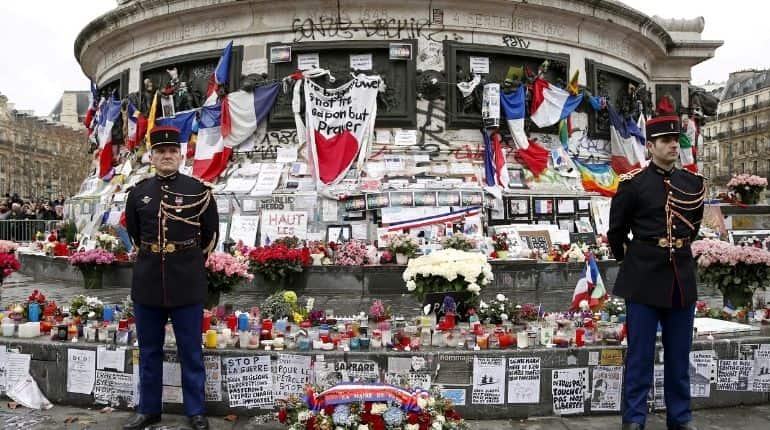
French Republican guards stand during a ceremony at Place de la Republique square to pay tribute to the victims of last year's shooting at the French satirical newspaper Charlie Hebdo, in Paris
A French court on Wednesday jailed for 30 years the main accused present for the trial over the 2015 killings at the Charlie Hebdo magazine offices and a Jewish supermarket, stopping short of the life term demanded by the prosecution.
The trial has reopened one of modern France's darkest episodes, just as another wave of Islamist attacks on home soil this autumn, including the beheading of a schoolteacher, prompted the government to crack down on what it calls Islamist separatism.
Brothers Said and Cherif Kouachi stormed Charlie Hebdo's offices in Paris, spraying gunfire and killing 12, on January7, 2015, nearly a decade after the weekly published cartoons mocking the Prophet Mohammed.

A third attacker, Amedy Coulibaly, killed a police woman and then four Jewish hostages in a kosher supermarket in a Paris suburb. Like the Kouachis, Coulibaly was killed in a shootout with police.
Ali Riza Polat was convicted of complicity in terror crimes by the court, which also gave a 30-year jail sentence in absentia to Hayat Boumeddiene, the partner of one of the attackers. She fled to Syria in the wake of the killings.
All the attackers were killed in the wake of the killings. A total of 14 suspected accomplices went on trial, three of them in absentia.
)
Trump says Russia has ‘lost control’ of its diesel industry, calls for end to ‘ridiculous, never-ending’ war
)
Asian Games: Indian women's hockey team thrash Indonesia 17-1, blasts 36 goals in 2 matches
)
Putin's United Russia party wins 355 seats in Duma election; 4 other parties cross threshold to enter parliament
)
Delhi Air pollution: Strict crackdown on waste burning
)
'I never imagined…': Bihar-born Japan cricketer Abhishek Anand on historic India clash
)
‘0% chance’: Nvidia CEO Jensen Huang dismisses AI extinction fears by 2030
)
Samay Raina-Mukesh Chhabra controversy explained: What happened over girlfriend joke on India's Got Latent?
)
Trump's helipad event overshadowed by audio failure as major TV networks suspend pool coverage
)
Russia-Ukraine war: Russian strikes knock out three of Ukraine's largest steel plants
)
Four decades after leaving Kolkata, the Birlas may be coming back for more
)
Glitch in the matrix caught on camera: Woman vanishes after talking to reporter
)
IIT Bombay tensions ease after three-hour open house; director’s assurances pacify students
)
Samsung raises Galaxy S26 prices by Rs 20,000: Here’s what each model now costs
)
J&K Assembly Session begins amid chaos: BJP, ruling alliance clash as statehood demand dominates
)
Bessent meets China’s He Lifeng to prepare for Trump-Xi summit
)
8,000 bees worth over $20,000 stolen from hives in Queensland
)
US and China vie for AI dominance as calls grow for regulation | Gravitas
)
FIFA chief Infantino wants to reform governing body with consultation from federations
)
The Verdict | The Mecca Agreement is under scrutiny as Houthis attack Saudis
)
Saudi Arabia exits China-led mBridge digital currency platform amid Saudi-Houthi conflict
)
'Lot of things to learn from experienced players': Jayasuriya backs Rohit, Virat for 2027 ODI World Cup
)
Taylor Swift has a 'proud wife' moment as Travis Kelce scores first touchdown of season: 'That’s my husband!'
)
Chancellor Friedrich Merz vows to stay on as exit polls signal major poll setback
)
North Korea's nuclear tests triggered 1,399 earthquakes: Earth is still shaking | Gravitas
)
Mahabharat actor Saurav Gurjar arrested in Hyderabad, sent to 14-day judicial custody in sexual exploitation case
&im=FitAndFill=(700,400))
New OTT releases this week (September 21-27, 2026): Shaque: Trust No One, Hunkkaar, Don’t Be Shy- 5 new titles coming to Netflix, Prime Video and more
)
From ‘communist’ to ‘great mayor’: Trump praises Mamdani after New York meeting, discusses immigration and housing
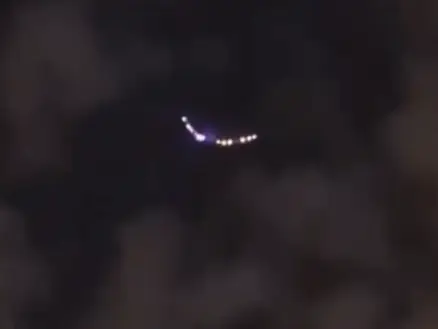)
WATCH | Mysterious lights over Tehran caught on video. Drone, aircraft or something else?
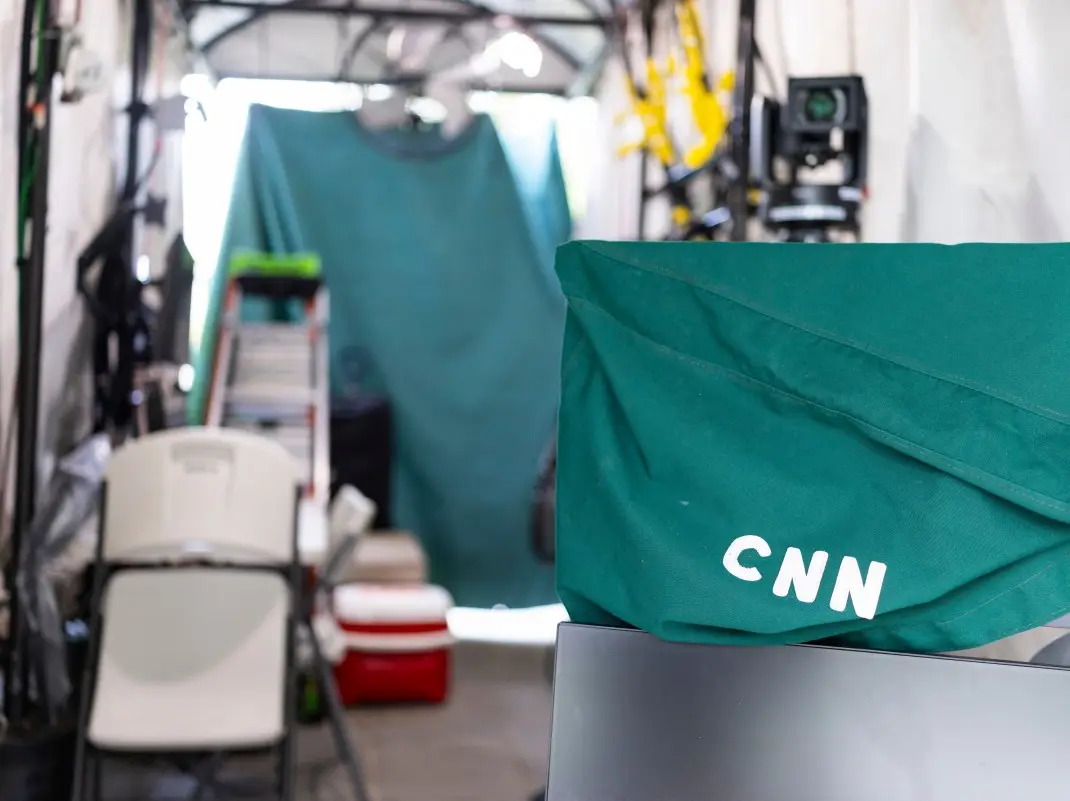)
White House TV pool halts Trump coverage after CNN barred from UNGA events
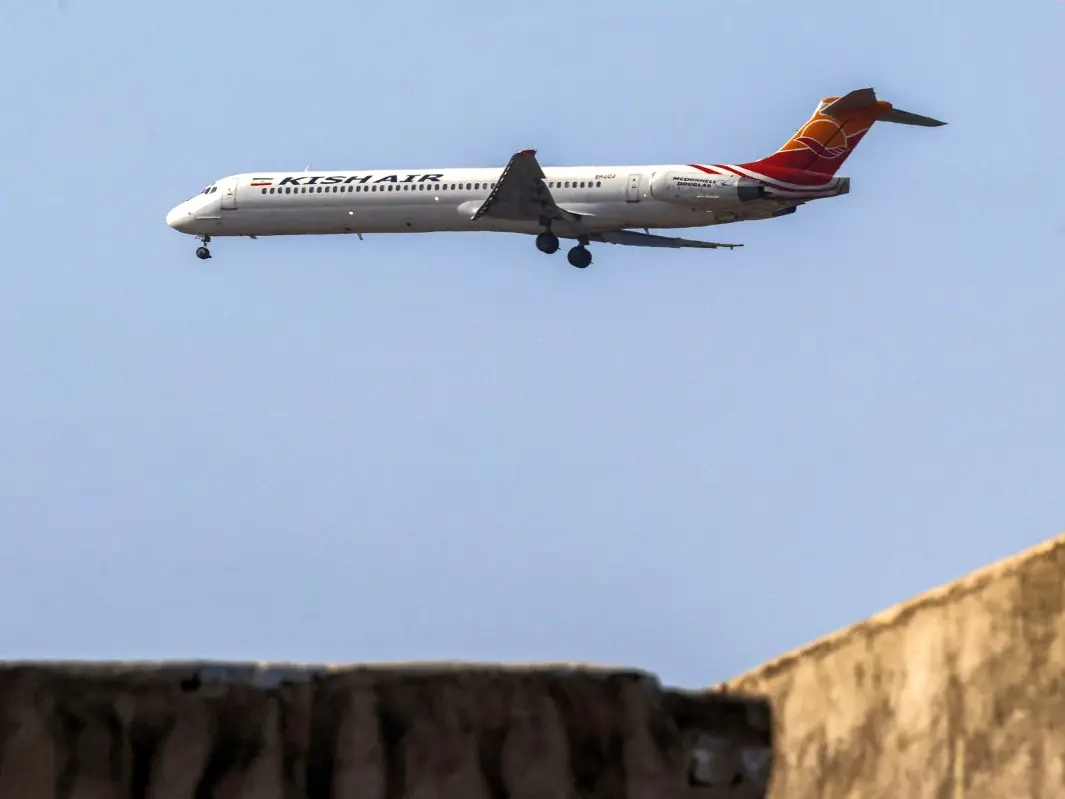)
Iranian airlines to shut worldwide on Sept 23, Bessent warns of US banking ban
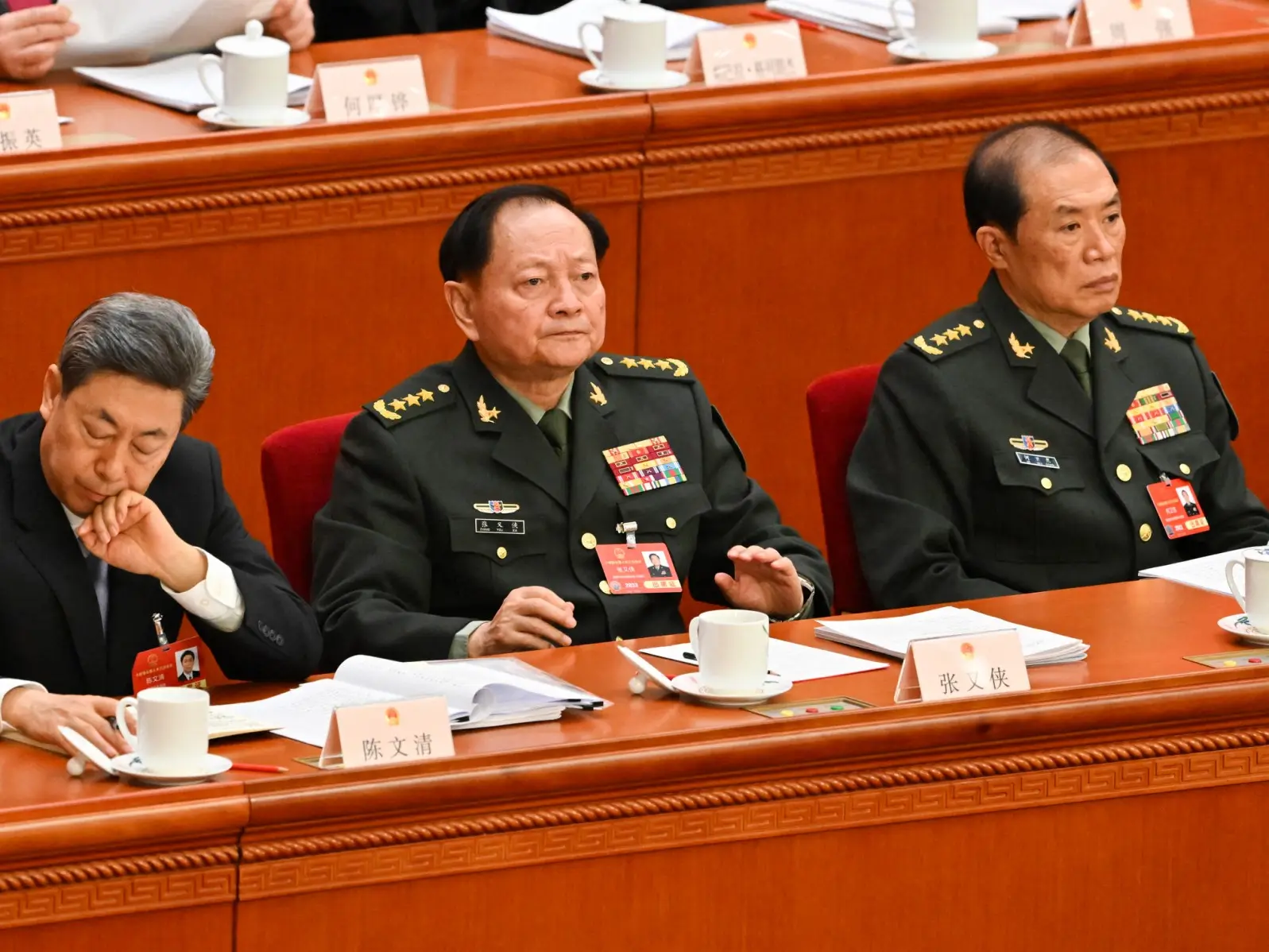)
China expels top generals Zhang Youxia, Liu Zhenli over ‘disloyalty’, corruption
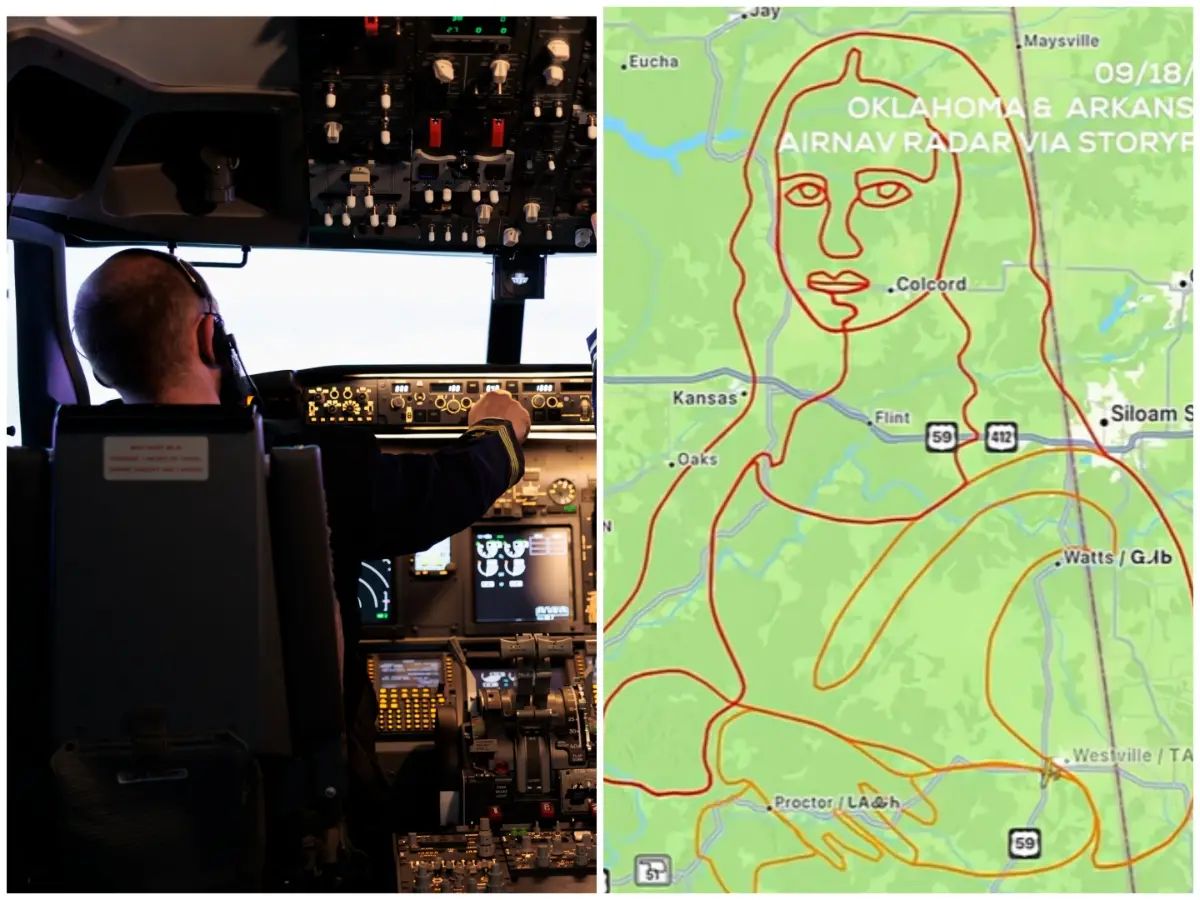)
Pilot recreates Mona Lisa in sky over Oklahoma and Arkansas in four-hour flight: VIDEO
)
Fitna Al-Khawarij: Decoding biggest security threat to Pakistan | Gravitas
)
Jailer 2: Vidya Balan joins Rajinikanth's upcoming film as Kantha | Watch
)
Microsoft executive called AI training the ‘largest theft of labour in human history’
)
40-foot waves crash into cruise ship in dangerous stretch near Antarctica. Watch
)
Explainer: Why rare-earth export licences and Board of Trade are US priorities ahead of Trump-Xi summit
)
BTS fans mock iHeartRadio’s day 2 turnout after short set controversy
)
The Scandal: Why so scandalous? Ji Chang Wook leaves you gasping for air
A life jail sentence was given to another prime suspect, Mohamed Belhoucine, although he was tried in absentia and is presumed to be dead in Syria.
Other sentences ranged from four years, with all those present in court convicted for their role in providing support for the killings that shocked France.
Seventeen people were killed over three days of attacks in January 2015, beginning with the massacre of 12 people at the magazine, which had published cartoons of the Prophet Mohammed.
That attack was followed by the murder of a French policewoman and the hostage-taking at the Hyper Cacher market in which four Jewish men were killed.
Prosecutors sought a life sentence for Polat, a 35-year-old French-Turkish friend of one of the attackers. He denied any knowledge of a terrorist plot.
On the eve of the trial's opening, Charlie Hebdo, which has long tested the limits of what society will accept in the name of free speech, re-printed the cartoons that had stirred outrage in the Muslim world when they were first published by a Danish paper in 2005.
A month later, history teacher Samuel Paty was decapitated by a teenage Islamist who said in a recorded message that he was avenging Paty's use of the cartoons in a class on civil liberties.