Caught in the Middle: Pakistan’s worst-case scenario unfolds after US-Iran talks collapse

&imwidth=600&imheight=450&format=webp&quality=medium "Caught in the Middle: Pakistan’s worst-case scenario unfolds after US-Iran talks collapse")
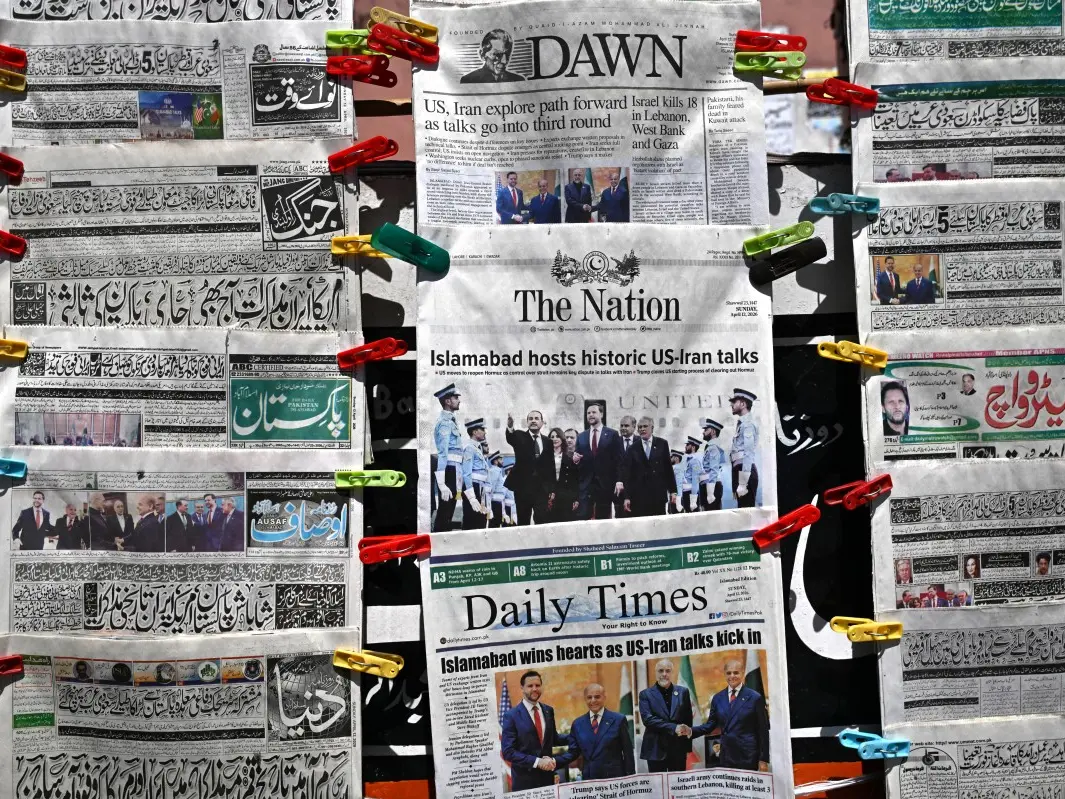
English and Urdu newspapers are displayed at a roadside stall after US-Iran peace talks in Islamabad on April 12, 2026. Photograph: (AFP)
US-Iran talks in Islamabad collapsed, leaving Pakistan in a “nightmare scenario” facing geopolitical pressure, military obligations to Saudi Arabia, risk of retaliation, and potential internal unrest amid rising regional tensions.
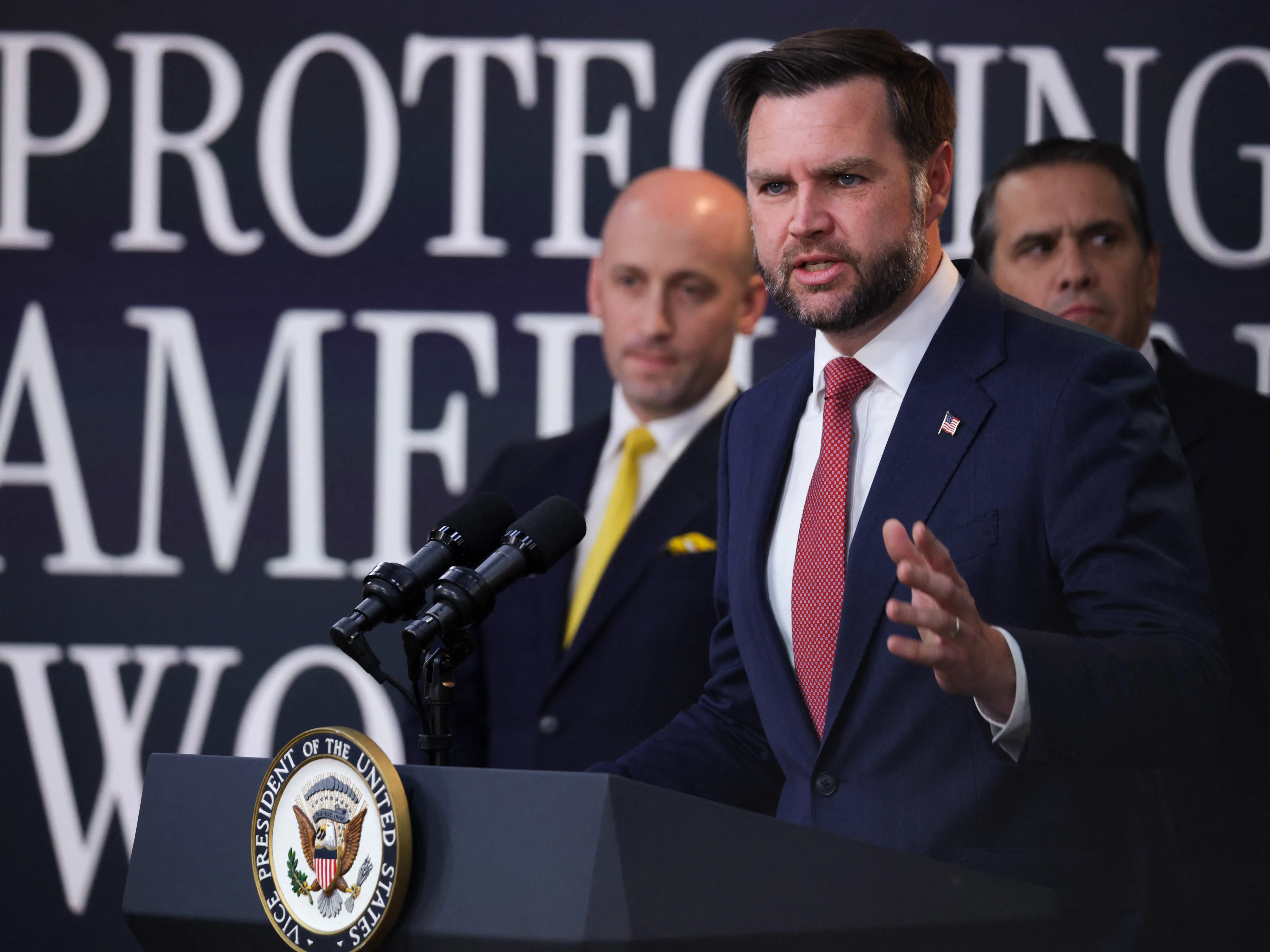
Ceasefire talks between the United States and Iran, mediated by Pakistan, have failed to produce a breakthrough, with US Vice President JD Vance confirming that negotiators were unable to reach an agreement acceptable to both sides. The high-stakes discussions between Washington and Tehran began on Saturday (April 11) afternoon in Islamabad, but ended without progress, dealing a significant diplomatic setback to Pakistan, which had positioned itself as a key intermediary in efforts to defuse tensions.
According to officials cited in the talks, the collapse of negotiations has exposed Pakistan to what analysts describe as a “nightmare scenario”, where it faces simultaneous pressure from global alliances, regional security risks and internal instability.
Pakistan finds itself in a precarious position between the United States, a longstanding partner providing financial assistance and security cooperation, and neighbouring Iran, whose conflict with Washington could have far-reaching consequences for Islamabad. Government sources indicate that both the Pakistani Prime Minister and the Army Chief had been pushing for a diplomatic breakthrough to avoid precisely such an outcome.
Military commitments raise stakes
Complicating the situation further, Pakistan has recently deployed fighter jets and troops to Saudi Arabia under the 2025 Strategic Mutual Defence Agreement. The move, confirmed by defence officials, obligates Pakistan to defend Saudi territory in the event of an external threat.
Trending Stories
&im=FitAndFill=(700,400)&imwidth=280&imheight=210&format=webp&quality=medium)
&imwidth=280&imheight=210&format=webp&quality=medium)
&imwidth=280&imheight=210&format=webp&quality=medium)
&imwidth=280&imheight=210&format=webp&quality=medium)
&im=FitAndFill=(700,400)&imwidth=280&imheight=210&format=webp&quality=medium)
&imwidth=280&imheight=210&format=webp&quality=medium)
&imwidth=280&imheight=210&format=webp&quality=medium)
&imwidth=280&imheight=210&format=webp&quality=medium)
&imwidth=280&imheight=210&format=webp&quality=medium)
&imwidth=280&imheight=210&format=webp&quality=medium)
&imwidth=280&imheight=210&format=webp&quality=medium)
&imwidth=280&imheight=210&format=webp&quality=medium)
&imwidth=280&imheight=210&format=webp&quality=medium)
&imwidth=280&imheight=210&format=webp&quality=medium)
&imwidth=280&imheight=210&format=webp&quality=medium)
&imwidth=280&imheight=210&format=webp&quality=medium)
&imwidth=280&imheight=210&format=webp&quality=medium)
&imwidth=280&imheight=210&format=webp&quality=medium)
&imwidth=280&imheight=210&format=webp&quality=medium)
&imwidth=280&imheight=210&format=webp&quality=medium)
&imwidth=280&imheight=210&format=webp&quality=medium)
&imwidth=280&imheight=210&format=webp&quality=medium)
&imwidth=280&imheight=210&format=webp&quality=medium)
&imwidth=280&imheight=210&format=webp&quality=medium)
&imwidth=280&imheight=210&format=webp&quality=medium)
&imwidth=280&imheight=210&format=webp&quality=medium)
&imwidth=280&imheight=210&format=webp&quality=medium)
&imwidth=280&imheight=210&format=webp&quality=medium)
&imwidth=280&imheight=210&format=webp&quality=medium)
&imwidth=280&imheight=210&format=webp&quality=medium)
&imwidth=280&imheight=210&format=webp&quality=medium)
&imwidth=280&imheight=210&format=webp&quality=medium)
&imwidth=280&imheight=210&format=webp&quality=medium)
&imwidth=280&imheight=210&format=webp&quality=medium)
&imwidth=280&imheight=210&format=webp&quality=medium)
&imwidth=280&imheight=210&format=webp&quality=medium)
With the US-Iran talks now stalled, any escalation in hostilities could compel Pakistan to honour this commitment, effectively drawing its military into a wider regional conflict.
Airbase dilemma and risk of retaliation
Security experts warn that a breakdown in diplomacy could prompt Washington to revive military options against Iran. This may include seeking access to Pakistani airbases, particularly in Balochistan, to conduct strikes on Iranian targets. Such a move carries significant risks. Iranian authorities have previously warned that any country allowing its territory to be used for US military operations would be treated as a hostile actor. Analysts caution that Pakistan could face retaliatory strikes, including ballistic missiles and drone attacks, if it grants such access.
Fears of internal unrest
Beyond external threats, the situation also raises concerns about domestic stability. Pakistan is home to one of the world’s largest Shia populations, and any perception of siding against Iran could inflame sectarian tensions. Observers warn that this could trigger widespread unrest and potentially lead to prolonged internal conflict in major urban centres.

