&imwidth=800&imheight=600&format=webp&quality=medium "Toronto is among the world's worst-polluted cities currently, and it could affect US cities too. Here's why")
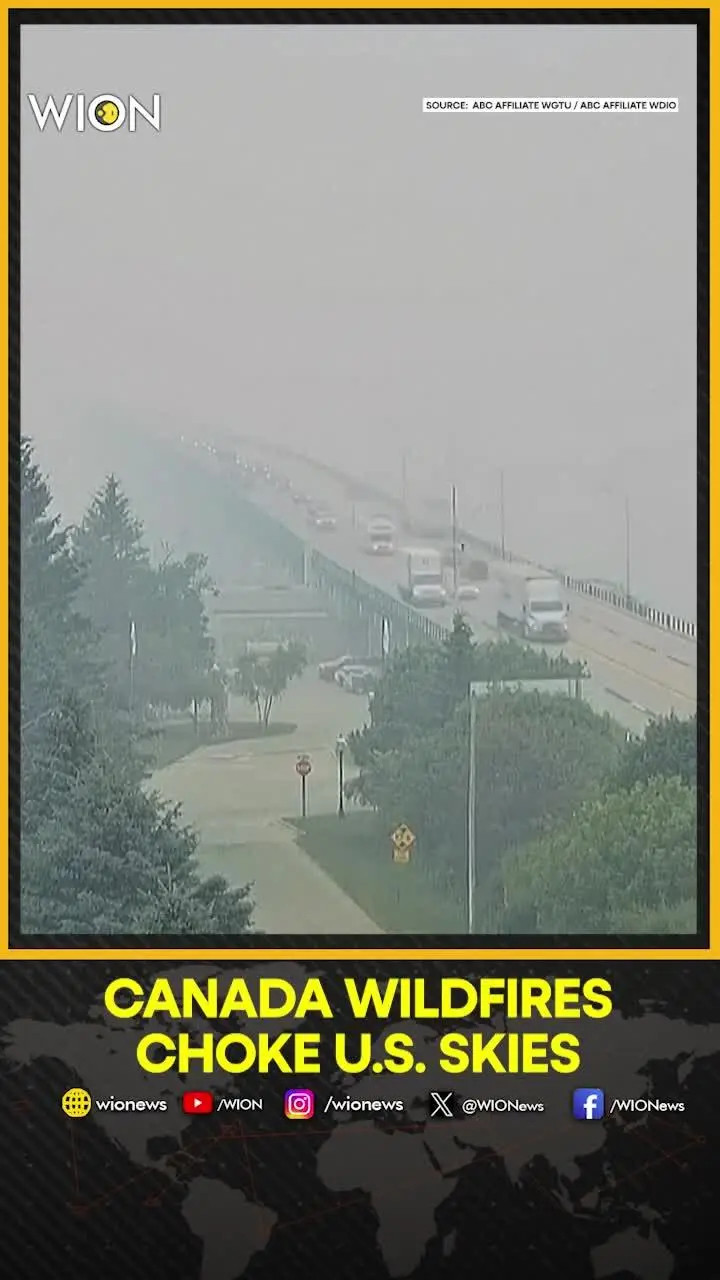
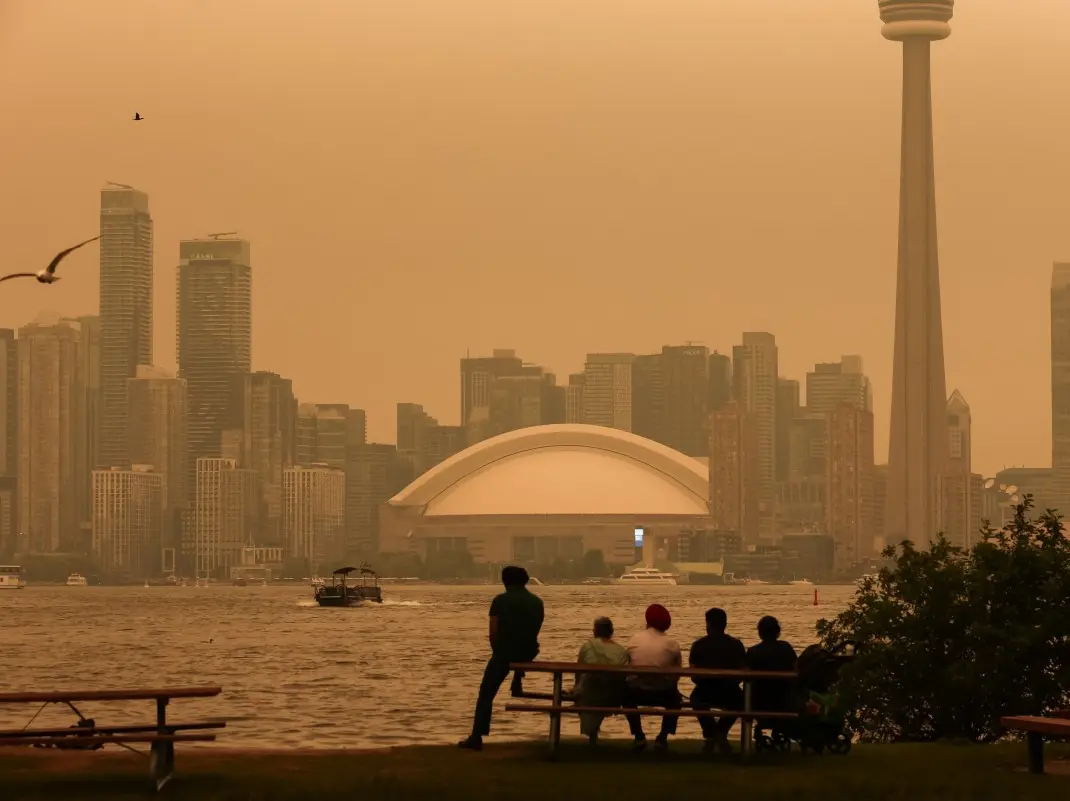
People in Toronto are waking up to yet another polluted day on Thursday (16 July). The Canadian city is currently facing one of the world's worst air quality due to raging wildfires that also threaten nearby cities across the border in the United States. Smoke from more than 100 active wildfires are moving across northern and northwestern Ontario, according to IQAir rankings.
PM2.5 levels in 'unhealthy' category in Toronto
Fine particulate matter or PM2.5 levels reached concentrations of 80.9 µg/m³ in the city. Air Quality Index or AQI readings were around 169, placing the city in the 'unhealthy' category as of Thursday. Some monitoring stations recorded AQI readings as high as 179. The government agency Environment and Climate Change Canada or ECCC issued air quality warnings as the sky turned yellow-orange over the city.

100 wildfires rage as heatwave hits 38 degrees Celsius in downtown Toronto
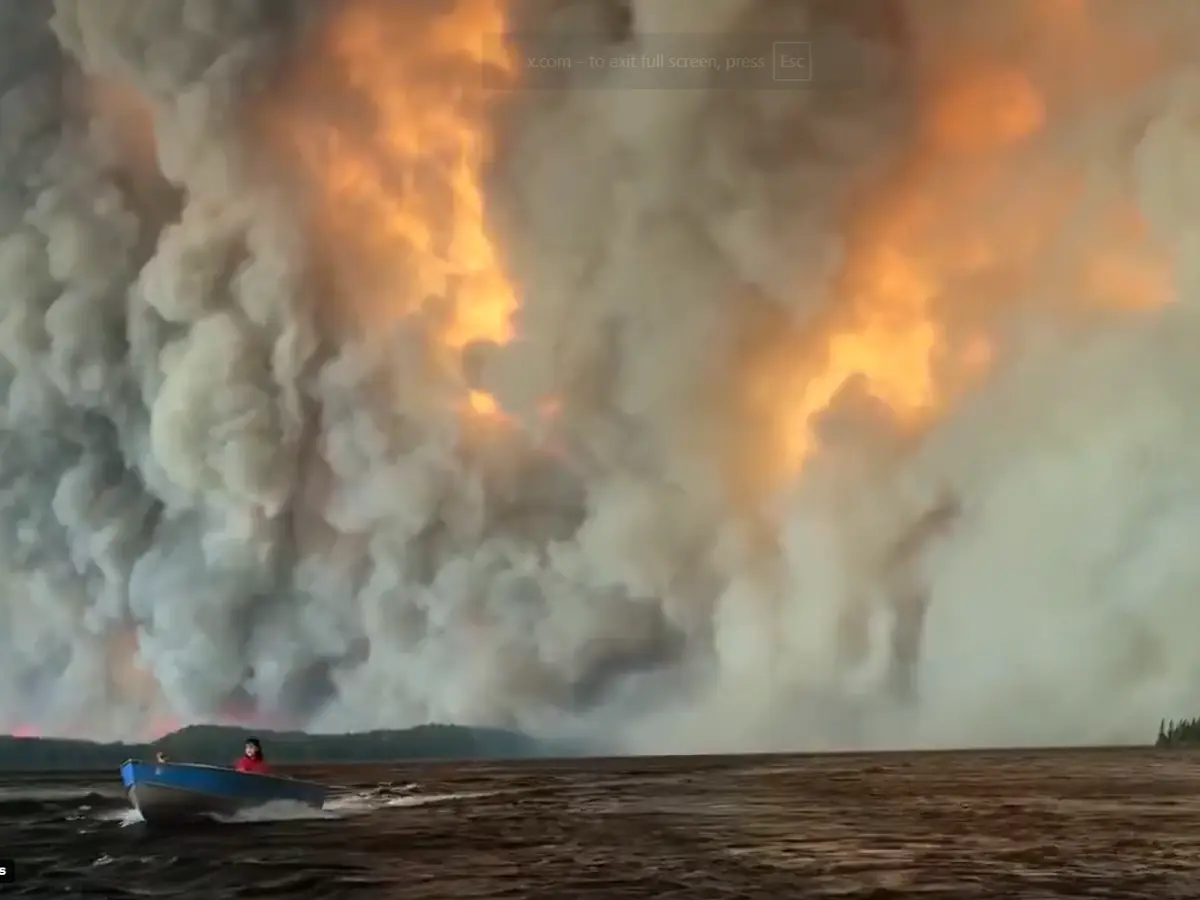
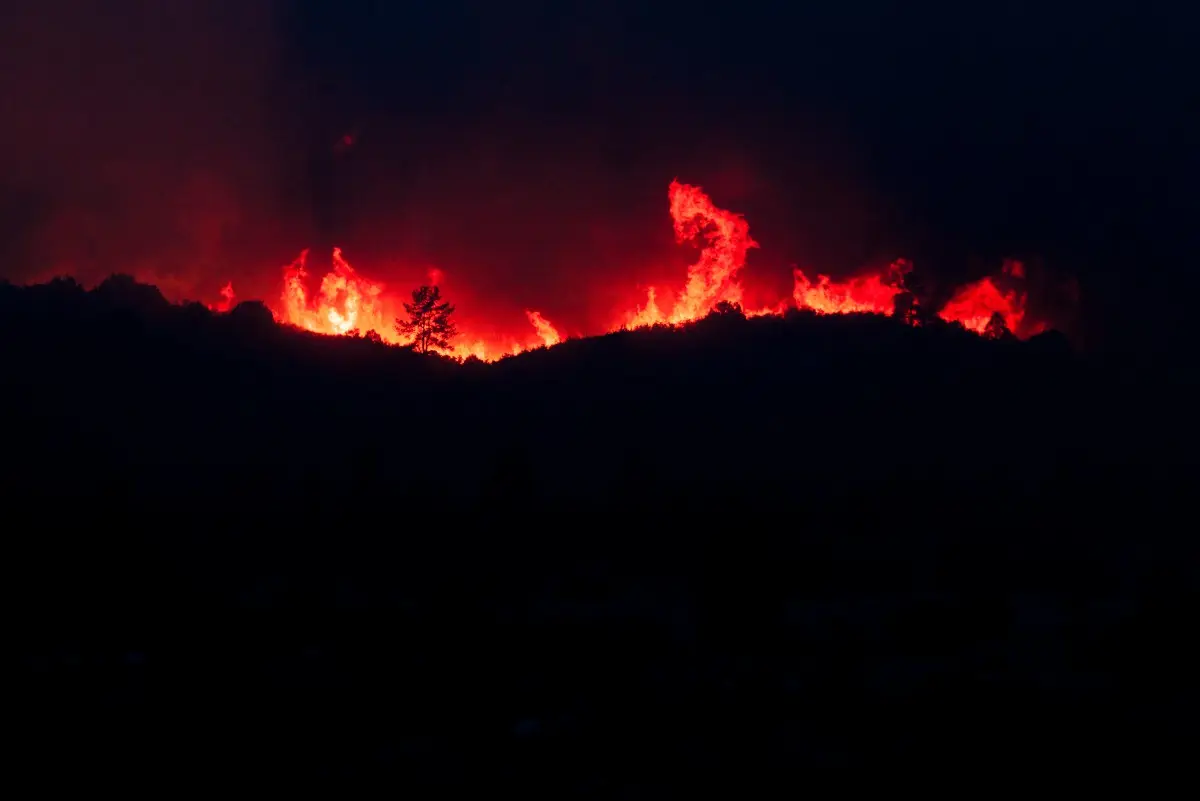
On 13 July 2026, Toronto was the 30th most polluted city in the world before heavier smoke arrived. More than 100 wildfires this month have led to highway closures and evacuations across parts of Ontario. The fires are raging amid a concurrent heatwave that pushed temperatures to nearly 38 degrees Celsius, while airport runway surface temperatures reportedly reached as high as 55°C. Wildfires in northwestern Ontario have affected areas near Armstrong and First Nations communities such as Namaygoosisagagun and Collins. Families were evacuated by boat, while train crews encountered walls of flames as they travelled through fire-affected areas.
Trending Stories
&im=FitAndFill=(700,400))
How fast can the Sukhoi Su-30 fighter jet really fly?
)
Did China ask its people 'not to respond to aliens'? Origin of bizarre claim on social media
)
MS Dhoni-CSK Fallout? Report claims failed stake sale talks triggered rift
)
Scientists reveal the SAFEST COUNTRY when catastrophe strikes the planet
)
Serial killer on the loose in South Korea's Jeju Island? Fourth body found in three days as more than a dozen people go missing
)
2/3rd of glacier detached, collapsed: ISRO satellite images reveal what triggered Nepal floods
)
Trump once again claims without him there would be ‘no Israel right now’
)
Foreign espionage attacks against German companies surge to 37%, Bitkom report reveals
)
Blake Lively wins partial legal fee from Justin Baldoni after $8M request
)
Why is Pakistan deploying Turkish Bayraktar TB2 drones near India border?
)
'OH MY GOD! We've found other agents!': Investigators discover not one or two, almost 700 OpenAI AI agents went rogue, hacked Hugging Face
)
Lunar eclipse 2026: India timings, places to see and more. August Blood moon factsheet
)
RSS chief Mohan Bhagwat on global outreach tour
)
Both pilots killed as training aircraft crashes in Lucknow – What we know
)
16-year-old charged with preparing terror attack on kindergarten in Norway
&im=FitAndFill=(700,400))
How the S-400 protects itself from enemy attacks
)
Nepal floods: Over 165 dead, 400 missing; US, India, China, World Bank mobilise aid
)
India's multi-layered watch: The new surveillance war
)
5 doomsday planes spotted in US skies hours after CIA director's secret trip to Russia
)
9/11 mastermind Khalid Sheikh Mohammed to finally face trial in 2028, nearly 27 years after horrific attacks
)
Islamabad hospital fire: What we know about one of the biggest facility that housed Imran Khan
)
Workers run for life while filming Nepal flash flood: Scary new visuals emerge from Rasuwa
)
Russian military planes enter South Korean air defence zone amid rising tensions with North Korea: What's happening
)
Ron Weasley Is Back! Rupert Grint set to return to Harry Potter universe on Broadway
)
400-year-old 'vampire' grave in Poland reveals non-existent genetic lineage
)
Dolly Parton, global icon and queen of country music, dies at 80
)
Nepal flash floods: Kailash Mansarovar yatra affected, close to 400 pilgrims out of contact
)
'If he is dead, they're putting on a pretty good show': Trump casts fresh doubt over Mojtaba Khamenei's fate
)
Man arrested near US Capitol with guillotine in pickup truck: What happened?
&im=FitAndFill=(700,400))
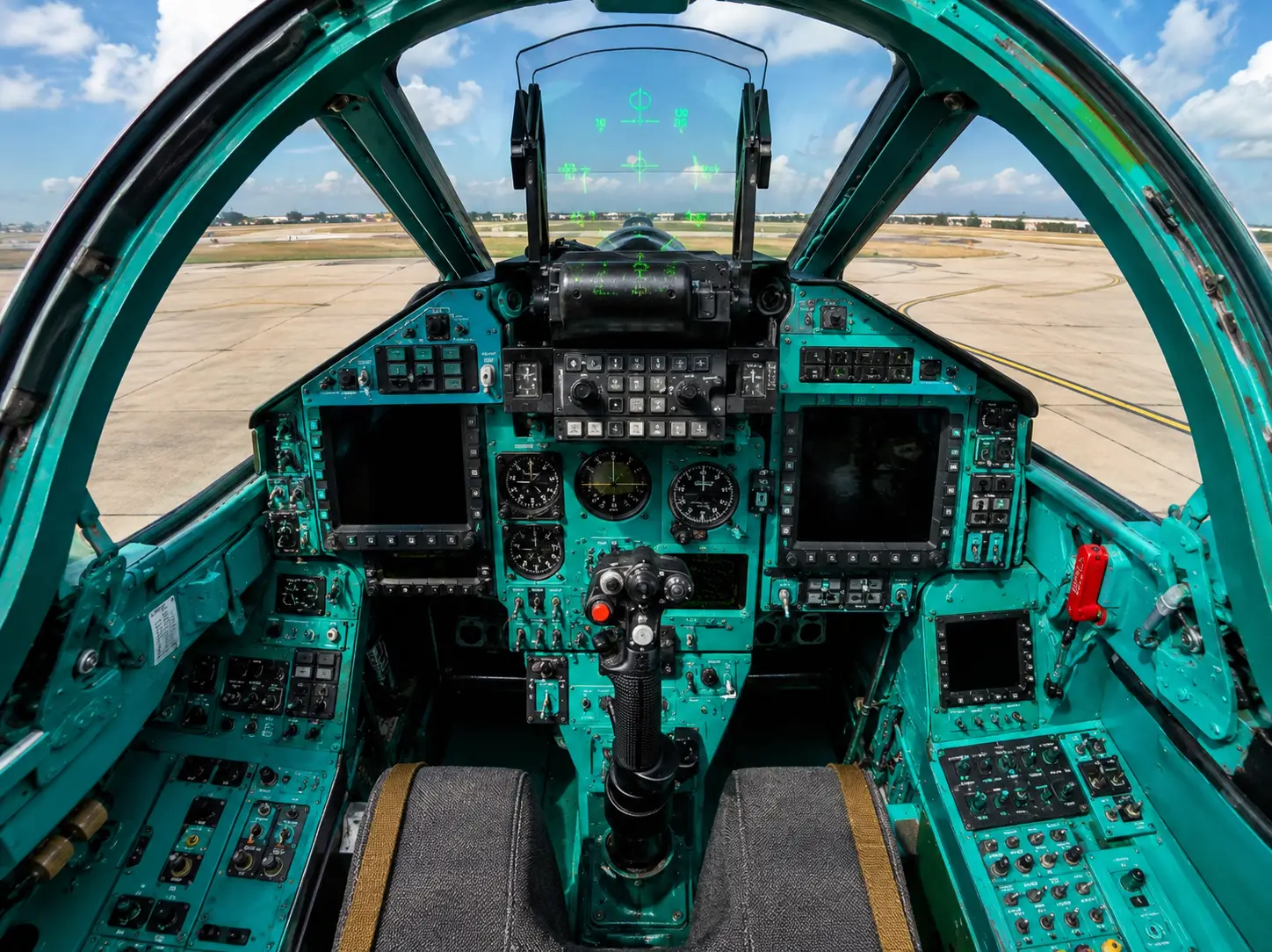
Why the Su-30MKI cockpit is painted bright turquoise green
US cities are at risk of smoke pollution
The prevailing winds are carrying the wildfire smoke southwards to the US. The smoke has affected parts of the northeastern and Midwestern US, with air quality alerts issued in states including Michigan, Minnesota and Wisconsin. Forecasts indicated that the smoke could also affect areas of New York State and nearby regions, depending on changing wind patterns.
Toronto's air quality has worsened before too
On certain days in June last year, Toronto recorded the third-worst air quality globally due to smoke from wildfires. In both January and February this year, the city also appeared among the world's most polluted cities on some days. At that time, the poor air quality was primarily linked to vehicle emissions and weather conditions that trapped pollutants close to the ground, rather than wildfire smoke.
Toronto has generally maintained good annual air quality. In 2019, it recorded an average PM2.5 concentration of 7.4 µg/m³, ranking 3,652nd worst worldwide and 62nd in Canada.
The city's routine air pollution mainly stems from vehicle emissions on busy motorways, diesel trucks, buses, industrial sources, and winter heating that relies on fossil fuels.
Is climate change to blame for Toronto's bad air quality?
Recent spikes in air pollution are being linked to climate change-driven extreme weather, which is contributing to more frequent and intense wildfires, prolonged heatwaves and heat domes across the world, including North America. Vehicle emissions remain a steady contributor to poor air quality under normal conditions. However, during major wildfire outbreaks, fine particulate matter from wildfire smoke becomes the dominant pollutant, with smoke travelling hundreds of kilometres from northern Ontario to Toronto and, under favourable wind conditions, continuing into parts of the US.