Wildfire smoke from Canada will soon spread across US Midwest and East, air quality alerts issued across multiple states

&imwidth=600&imheight=450&format=webp&quality=medium "Wildfire smoke from Canada will soon spread across US Midwest and East, air quality alerts issued across multiple states")
Wildfire smoke from Canada will soon spread across US Midwest and East Photograph: (X)
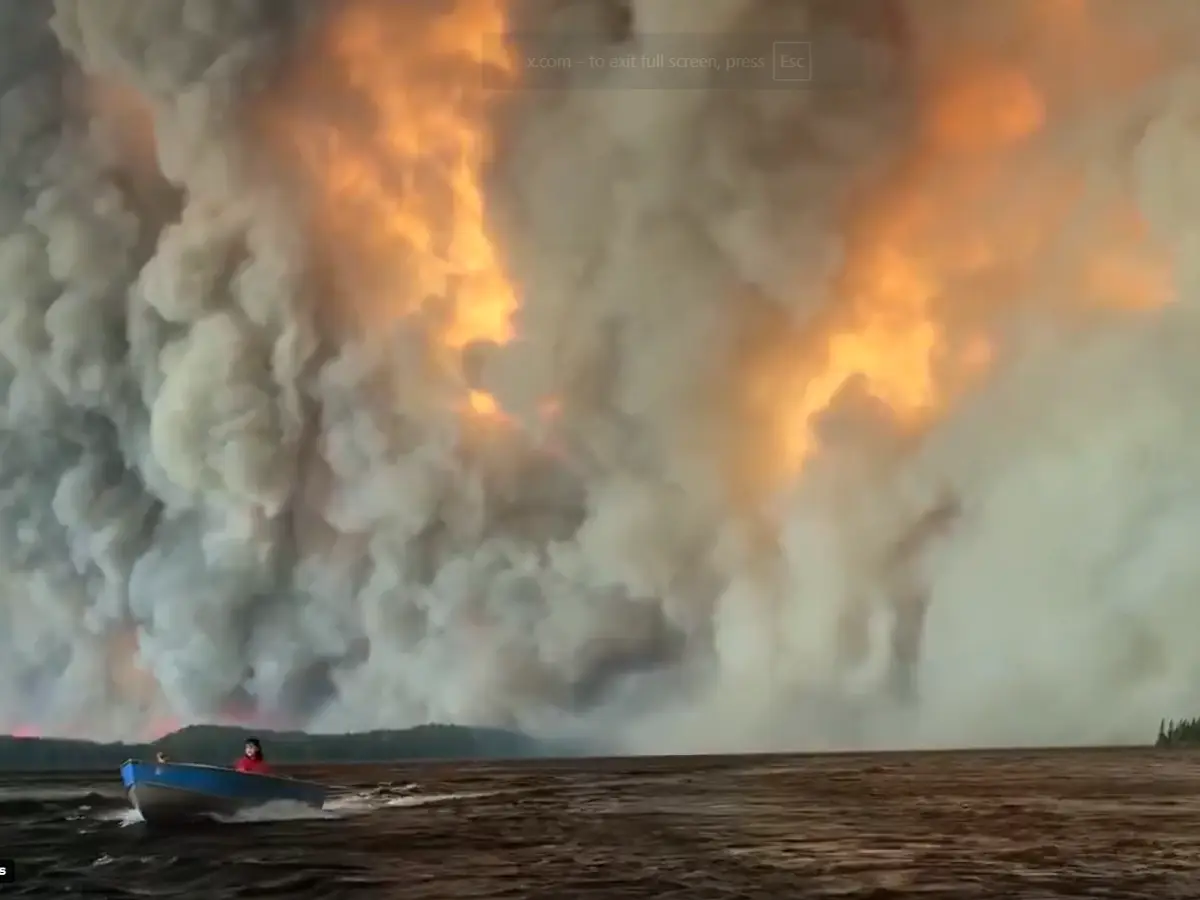
Smoke from more than 830 Canadian wildfires is spreading across the Midwest and Northeast US, prompting air quality alerts and health advisories.
More than 830 wildfires are burning in Canada, and nearly a dozen in Minnesota as of Wednesday. Heavy smokes from these wildfires are expected to engulf large parts of the Midwest and Northeast US this week. The largest among these wildfires is in the north in Ontario, Canada, which is also experiencing a heatwave with temperatures reaching as high as 100 degrees Fahrenheit.
Which areas are to be affected by wildfire smoke?
Officials in Minnesota have issued an air quality alert, with the Twin Cities metro area, Two Harbours, St Cloud, Brainerd, Alexandria, Moorhead, Winona, and the Leech Lake, White Earth, and Red Lake tribal nations are under a red alert, unhealthy for everyone. Areas like the Tribal Nation of Grand Portage and other regions in northeast Minnesota were expected to reach hazardous levels with an alert at the most severe purple.
Heavy concentrations of smoke have already reached and blanketed parts of the Upper Midwest, and an intense wave of smoke is active in Detroit and Milwaukee. It is also likely to reach deep into the East Coast. Parts of the New England Coast, northern Pennsylvania and western as well as central New York will also experience compromised air. The thickest bands of the smoke plume are projected to push further south, reaching as far as Washington, DC.
Also Read: Mahmoud Ahmadinejad seen in Tehran memorial after report claimed IRGC put him under house arrest
Health hazards from the wildfire smoke
Trending Stories
&im=FitAndFill=(700,400)&imwidth=280&imheight=210&format=webp&quality=medium)
&imwidth=280&imheight=210&format=webp&quality=medium)
&imwidth=280&imheight=210&format=webp&quality=medium)
&imwidth=280&imheight=210&format=webp&quality=medium)
&imwidth=280&imheight=210&format=webp&quality=medium)
&imwidth=280&imheight=210&format=webp&quality=medium)
&imwidth=280&imheight=210&format=webp&quality=medium)
&imwidth=280&imheight=210&format=webp&quality=medium)
&imwidth=280&imheight=210&format=webp&quality=medium)
&im=FitAndFill=(700,400)&imwidth=280&imheight=210&format=webp&quality=medium)
&imwidth=280&imheight=210&format=webp&quality=medium)
&imwidth=280&imheight=210&format=webp&quality=medium)
&imwidth=280&imheight=210&format=webp&quality=medium)
&imwidth=280&imheight=210&format=webp&quality=medium)
&imwidth=280&imheight=210&format=webp&quality=medium)
&imwidth=280&imheight=210&format=webp&quality=medium)
&imwidth=280&imheight=210&format=webp&quality=medium)
&imwidth=280&imheight=210&format=webp&quality=medium)
&imwidth=280&imheight=210&format=webp&quality=medium)
&imwidth=280&imheight=210&format=webp&quality=medium)
&imwidth=280&imheight=210&format=webp&quality=medium)
&imwidth=280&imheight=210&format=webp&quality=medium)
&imwidth=280&imheight=210&format=webp&quality=medium)
&imwidth=280&imheight=210&format=webp&quality=medium)
&imwidth=280&imheight=210&format=webp&quality=medium)
&imwidth=280&imheight=210&format=webp&quality=medium)
&imwidth=280&imheight=210&format=webp&quality=medium)
&im=FitAndFill=(700,400)&imwidth=280&imheight=210&format=webp&quality=medium)
&imwidth=280&imheight=210&format=webp&quality=medium)
&imwidth=280&imheight=210&format=webp&quality=medium)
&imwidth=280&imheight=210&format=webp&quality=medium)
&imwidth=280&imheight=210&format=webp&quality=medium)
&imwidth=280&imheight=210&format=webp&quality=medium)
&imwidth=280&imheight=210&format=webp&quality=medium)
&imwidth=280&imheight=210&format=webp&quality=medium)
&imwidth=280&imheight=210&format=webp&quality=medium)
&imwidth=280&imheight=210&format=webp&quality=medium)
Fine particle pollution from wildfire smoke will increase the possibility of breathing problems, particularly for children, the elderly, and individuals with prior respiratory and cardiovascular conditions. It could induce coughing, dizziness and fatigue. People have been advised to reduce outdoor activities and wear an N95 mask. People are advised to keep indoor air cleaner by closing windows and running an air purifier or air conditioner. Fine particle matter from air pollution is one of the major reasons for premature death.

