Brazil's epic bust: Country seizes record-breaking illegal shark fin shipment

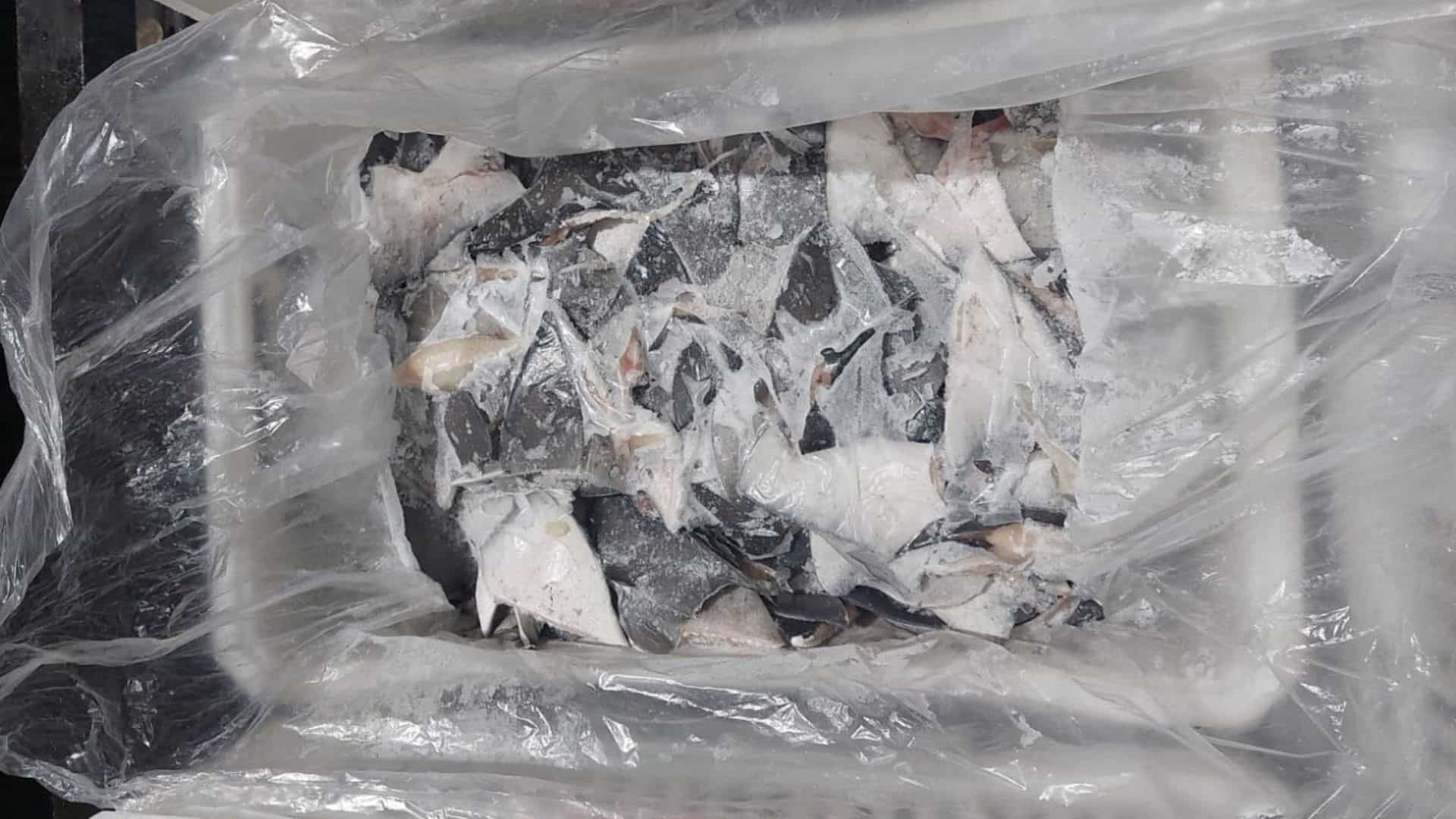
Shark fin consignment
Brazilian authorities announced on Monday (June 19) the seizure of 28.7 metric tonnes of illegally acquired shark fins set to beexported to Asia. This confiscation is deemed the largest of its kind at the source, according to officials, as reported by Reuters.
Ibama, the environmental protection agency, estimated that this shipment resulted in the deathof around 10,000 sharks, including the blue shark and the shortfin mako shark. Notably, the shortfin mako shark recently entered Brazil's list of endangered species. The interception underscores the ongoing concern over the illegal trade of shark fins and the need for robust conservation efforts to protect these vulnerable marine species.
"These apprehensions on an integrated basis represent thelargestrecorded in the world, especially considering it is a seizure at the source where the sharks are caught," Ibama said in a statement.

Jair Schmitt, the head of environmental protection at Ibama who spoke to Reuters, revealed that the agency's operation specifically targeted two companies while emphasising that investigations into other entities are still underway.
"This practice is already recurrent inBrazil. We had some years ago the finding of about seven or eight metric tons of shark, seized in Para state, with a similar method of finning," he said, referring to a method of slicing fins off sharks and dumping the rest of the animal into the sea.
)
Oxford United's new clothing line featured 'United 93' phase
)
Pentagon revives mandatory testosterone testing for male troops aged 30 and above
)
Mark Carney mimics Trump in hilarious moment over C$70 billion clean-energy investment; room erupts in laughter
)
Iran rebuilding nuclear facilities? New satellite images show Tehran may be rapidly restoring bombed Parchin base
)
It's a girl! Deepika Padukone and Ranveer Singh welcome their second child
)
FACT CHECK: Why did PM Modi ask Xi ‘is it okay’ at BRICS Summit? New video reveals...
)
Putin: European leaders using war rhetoric to save falling ratings
)
China may have gained access to US's classified F-35 jets; parts meant for repairs diverted to Hong Kong, sparking Pentagon inquiry
)
Arvind Kejriwal, family members, Delhi CM Rekha Gupta get SIR notices
)
Cochin shipyard starts building Indian Navy's next-gen missile vessels
)
Claude led 26% of Anthropic's AI R&D work
)
Brigitte Bardot’s private collection set for Paris auction; key items and prices revealed
)
Why Ranveer Singh’s Dhurandhar missed India’s Oscar entry; FFI jury member reveals what happened
)
How did an Australian river with 500 crocodiles pass the Olympic test? Here's how
)
‘Will go to any extent’: Pakistan vows to defend Saudi Arabia amid Houthi attacks
&im=FitAndFill=(700,400))
Ananya Panday to Sharvari: 5 actresses serving major princess vibes
66 years of the Indus Waters Treaty: How India and Pakistan settled a bitter river dispute
)
The Verdict | When precision fails: US commits war crime in Minab school strike, UN finds
Russia attacks Ukraine with 174 drones, kills 8; 2 vessels hit in Black Sea
)
Trump signs Russia sanctions bill into law, targets Moscow’s energy sector
)
Pak: A series of counter terrorism operations in Khyber Pakhtunkhwa
)
Ajit Agarkar’s future as chief selector to be decided at right time, says BCCI secretary
)
Flying cars in UAE: Ras Al Khaimah signs deal with Chinese company to test new transport
)
Reacher star Alan Ritchson opens up about alleged blackmail, suicide attempt during difficult period
)
Africa is splitting, and a lot sooner than estimated, giving way to a new ocean
)
Trump bans CNN, MS NOW and Politico from White House over ‘FAKE NEWS’
)
Trump 2.0: Dark days ahead for America’s ‘imperial presidency’
)
New brain discovery could aid neurological disease studies
&im=FitAndFill=(700,400))
How many F-35s does Britain, Japan and Israel have?
)
Tirupati Laddu ghee adulterated with chemicals, says ED, supplier arrested
)
IIT Bombay student dies by suicide, was caught seeking AI help during exams
)
Trump extends H-1B visa's $100,000 fee until September 2027: What it means for Indians?
)
Russia holds first parliamentary elections since the beginning of the Ukraine war
&im=FitAndFill=(700,400))
Meet top 5 Indian batters with fastest T20I centuries
)
Extreme warming in Indian Ocean added 695 billion tons of ice to Antarctica ice sheet
)
)
Brazil's environmental protection efforts intensify
President Luiz Inacio Lula da Silva's administration has placed the preservation of Brazil's fauna and flora at the forefront, aiming to counter the detrimental effects of weakened environmental agencies and oversight powers under the previous administration led by Jair Bolsonaro.
As a symbol of the restoration of Ibama's commitment to safeguarding marine environments, the recent operation to seize a substantial amount of shark fins assumes great significance.
Jair Schmitt, emphasising the significance of the action, expressed that it represents Ibama's resurgence in combating the illegal fish trade and protecting the marine environment. Although the names of the companies involved were not disclosed, Ibama revealed that a single exporting company in Santa Catarina was responsible for 27.6 metric tons of fins, while the rest were confiscated at Sao Paulo International Airport from the second company.
In response to the seizure, Sea Shepherd Brazil, a nonprofit organisation dedicated to marine conservation, called for a complete ban on the shark fin trade and shark meat imports in Brazil, emphasising the critical role such measures would play in safeguarding these species.
Also watch |At least one dead, one critically injured after school shooting in southern Brazil
While shark fishing is prohibited in Brazil, Ibama discovered that the boats involved in the illegal trade were exploiting permits granted for the capture of other fish species. Tragically, this illicit activity has led to the death of numerous seabirds, including those belonging to endangered species.
The confiscation of a substantial quantity of shark fins highlights the pressing need for intensified efforts to combat the illegal trade, enforce stricter regulations, and protect endangered marine species. The Brazilian government's commitment to preserving the country's marine ecosystems remains crucial in tackling environmental challenges and fostering long-term sustainability.
(With inputs from agencies)
WATCH WION LIVE HERE: