Brazil: 300 kg marijuana busted on church-owned airplane


Brazil church drug bust
Almost 300 kilograms of marijuana was recovered from an aircraft owned by a Brazilian church last week. The single-engine plane was supposed to take off from a private hangar at the Júlio Cezar Ribeiro International Airport in Brazil's Belém, nearly 3,200 km north of Rio de Janeiro.
One person was arrested at the scene after trying to escape.
According to CNN Brasil, the suspect tried to run away after seeing the approaching authorities but did not get too far as the police soon caught hold of him.

"The drugs took up almost every seat. Apart from the shipment, only the pilot and the passenger could have fit on the plane," the police told the media.
ALSO WATCH |Brazil military patrols northern Amazon border region to curb drugs and weapons trafficking
)
Did India risk its US trade deal despite softer stance at BRICS?
)
Pakistan puts Pak Rs 70 lakh bounty on UN terrorist Masood Azhar; move draws skepticism in Delhi
)
‘US ensuring global energy supplies’: Trump demands reimbursement for securing Strait of Hormuz
)
'Huge destructive power': North Korea calls its latest missile launches 'live-fire drill' even as US dismisses 'immediate threat'
)
‘Let’s go’: Newly declassified videos show dramatic rescue of US Air Force officers downed in Iran
)
Historic first: ‘Ganga aarti’ performed on River Thames in London
&im=FitAndFill=(700,400))
Why European Meteor missiles use ramjet engines compared to standard US solid rockets
)
Iran, India agree to deepen humanitarian and political ties, President Pezeshkian says
)
‘Want to reset ties with India, have engagement based on mutual interests,’ says Bangladesh minister
)
Turkish Airlines plane flies through a storm three times, triggering severe turbulence
&im=FitAndFill=(700,400))
Why Chinese PL-15 air-to-air missiles use dual-pulse motors compared to European interceptors
)
BRICS set of guidelines for disaster management
)
800 million years old - Scientists discover 'fingerprints' of supercontinent Gondwana in ancient rocks
)
Russia proposes to build 360 kmph Ivolga FG trains in India: What happened on sidelines of BRICS
)
China discovers vast gold and silver 'mine' in the Pacific with unheard-of deposits
)
Who really benefits from the BRICS bank? Inside the New Development Bank's $43 billion portfolio
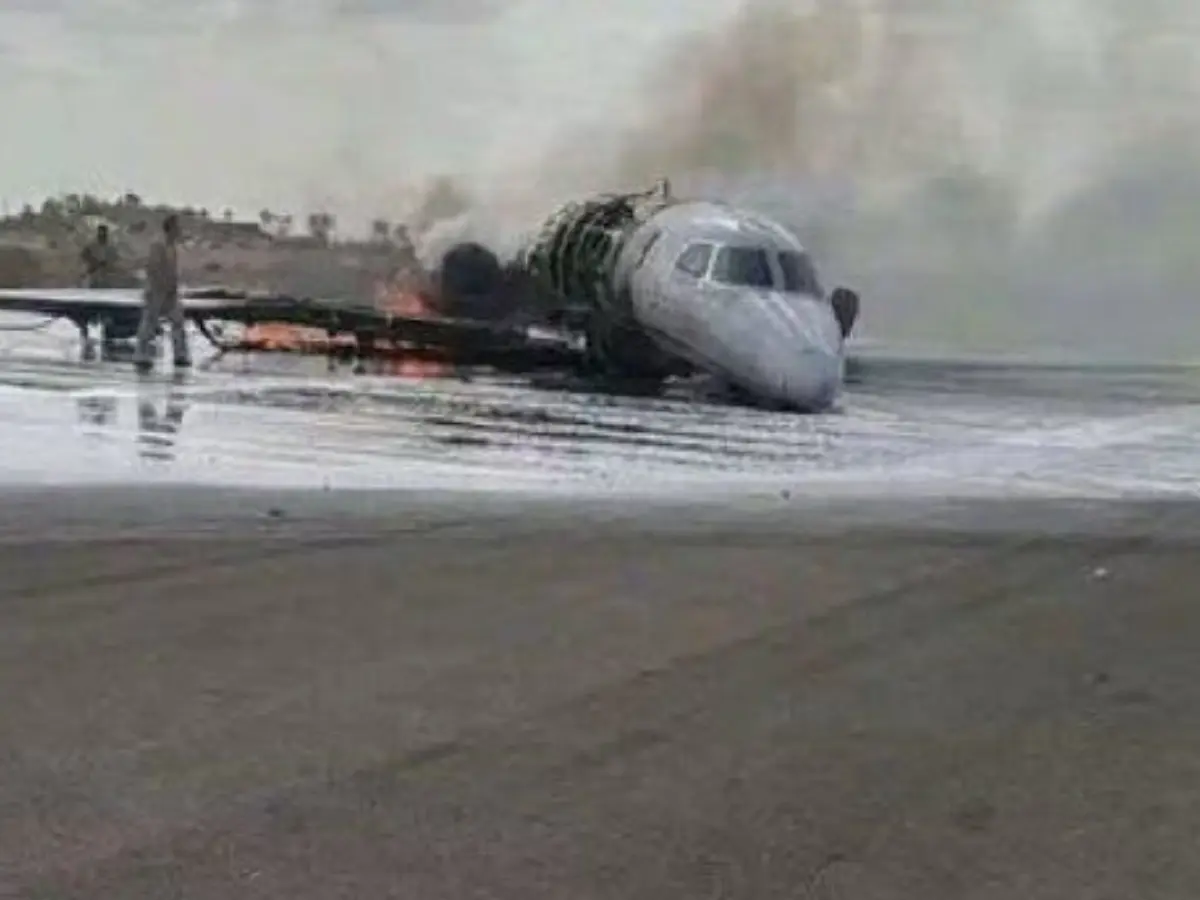)
Plane carrying prominent figure crashes at Libya’s Misrata airport: Report
&im=FitAndFill=(700,400))
New OTT releases this week (September 14-20, 2026): Lust Stories 3, Waiting Hai, Irumudi- 5 new titles coming on Netflix, Prime Video and more
)
Liam Neeson sparks romance rumours after holding hands with Stella Stocker at TIFF 2026
)
Sent home midway from UK tour, Pakistan's Salman Agha hits 300* in domestic return
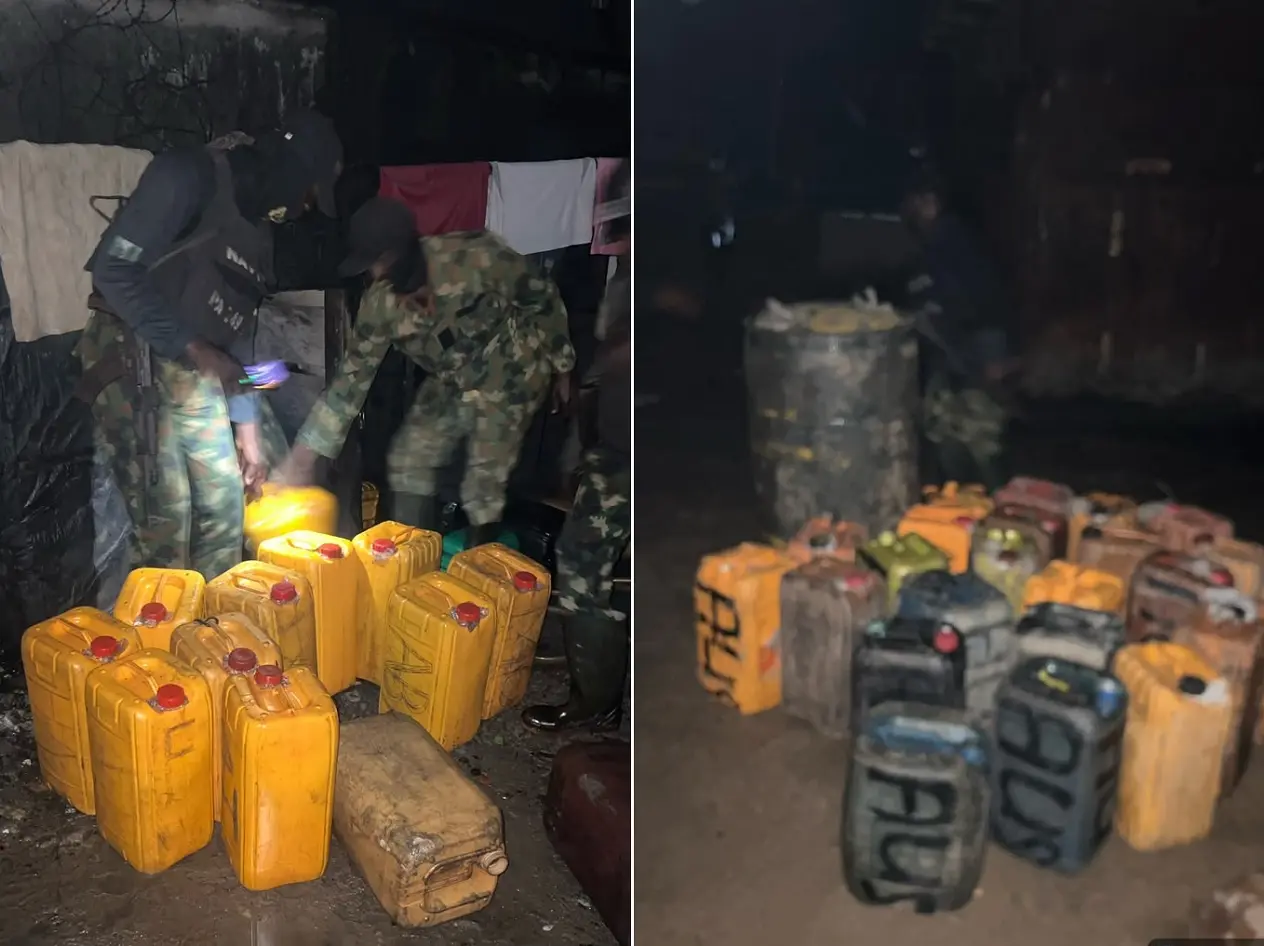)
Nigerian Navy seizes 10,000 litres of suspected illegal fuel in Rivers State crackdown
)
Saudi Arabia discovers 110 million tonnes of Uranium-rich ore in Madinah region
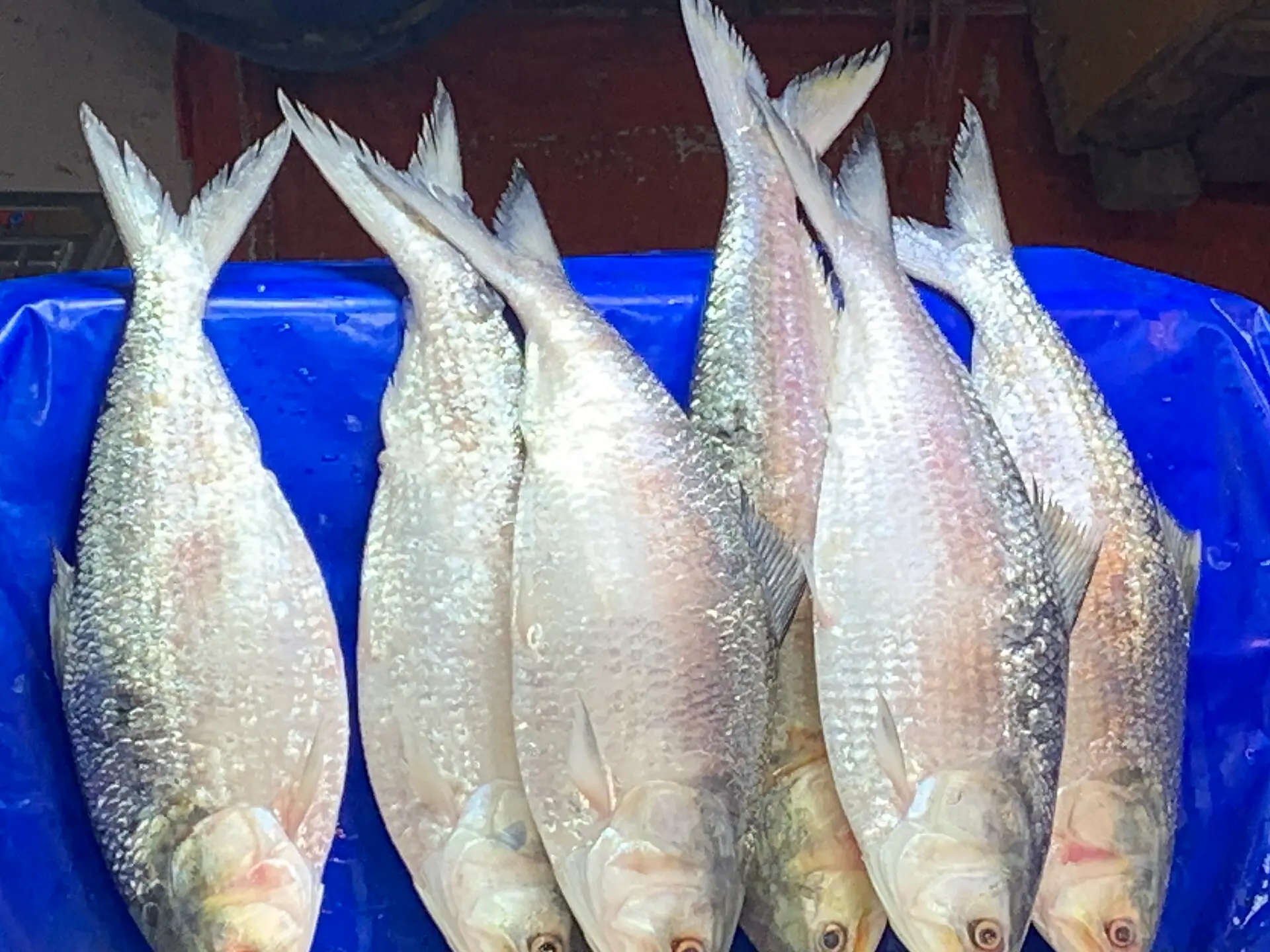)
Indian importers urge Bangladesh to lift export ban on 'Hilsa' fish ahead of Durga Puja
)
Ecstasy tablets are rage in 'drug haven' Libya | Gravitas
)
'Now Trump is copying us': Shivakumar links US $5,000 plan to Congress guarantees
)
Video of Pakistani lawmaker struggling to read English tribute to Jinnah goes viral - WATCH
)
Trump downplays China's alleged 'help' to Iran in strike on Jordan base | Gravitas
)
Meghan Markle shares first glimpse of family life with Prince Harry and children in UK
)
Baba Vanga's first prophecy for 2027 is out, and straight out of science fiction
)
Photographs, LeT labels vanish from two 2008 Mumbai attack entries in Pakistan’s most wanted list
)
US court blocks Trump administration move ending automatic H-4 EAD extensions for seven spouses
)
UK man admits drugging, raping wife for 20 years in shocking abuse case
)
Extreme warming in Indian Ocean added 695 billion tons of ice to Antarctica ice sheet
)
Scotland, Wales & Northern Ireland push for exit from UK | Race To Power
)
China thinned Himalayan troop presence in 2025, India defence report says; terms border situation 'stable'
Footage released by the Brazilian Federal Police shows the drug seizure that took place on Saturday.
An investigation was launched to determine the crime, while the plane and the mobile phone of the detained man were seized.
However, the pilot was not detained because his involvement in the crime could not be proven, reports in the Brazilian media showed.
Earlier in March, in a significant victory for the war on drugs, law enforcement organisations involving Latin America and Europe took down Brazil’s most active drug trafficking group that had inundated Europe with multi-tonne shipments of cocaine.
During the course of the aforementioned investigation, over 17 tonnes of cocaine were seized, with an estimated street value of several billions of euros.
Brazilian cities andCracolândia
Many Brazilian cities in the past have reported combating the onslaught of Cracolândia, the shady marketplaces where drugs are bought and sold.
Sao Paulo hosts the world's oldest and largestopen-air drug markets, moving an estimated $37 million of product each year, according to Washington Post.
Brazil and drug menace
Brazil has become one of the top suppliers of cocaine to Europe, transforming the country’s role in the trans-Atlantic drug trade at a speed that has stunned anti-narcotics authorities.
Long described as a cocaine-consuming nation, a market for theproduct manufactured in Colombia, Peru and Bolivia, Brazil in the recent past has turned into a critical launchpad to get it across the ocean to Europe.
Local syndicates in the past hadinfiltrated Brazil’s ports,sending record amounts of coke on container ships bound for Europe, where it fetches premium prices.
Brazilian gangs are now integral players feeding Europe’s cocaine market, valued at more than 9 billion euros ($10.15 billion), as of 2020, according to a Reuters analysis of customs data on cocaine seizures, confidential intelligence reports and research studies on illegal drugs.
(With inputs from agencies)
WATCH WION LIVE HERE
You can now write for wionews.com and be a part of the community. Share your stories and opinions with us here.