Bangladesh invites India and 12 other nations to Tarique Rahman’s cabinet oath ceremony

&imwidth=600&imheight=450&format=webp&quality=medium "Bangladesh invites India and 12 other nations to Tarique Rahman’s cabinet oath ceremony")
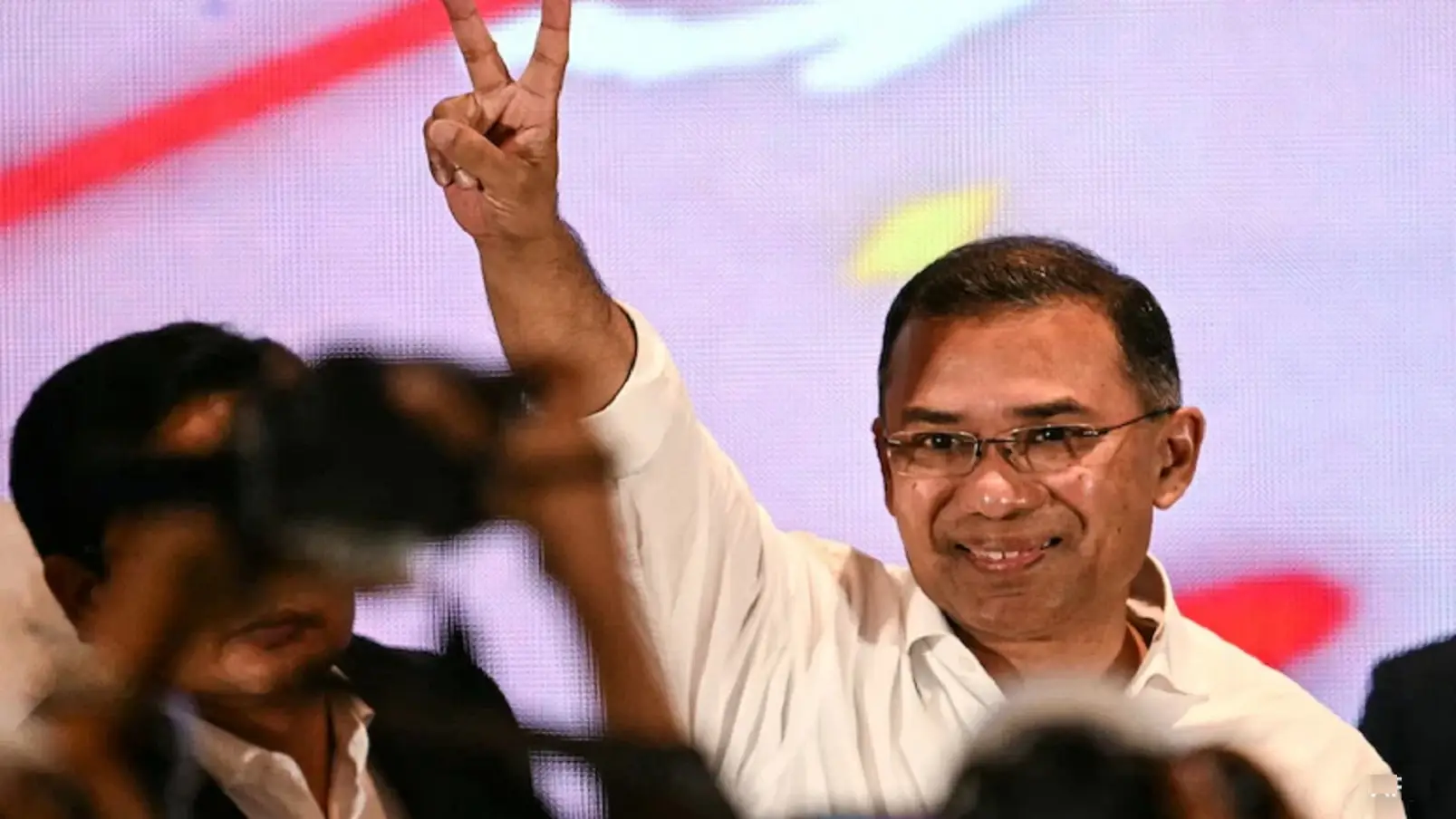
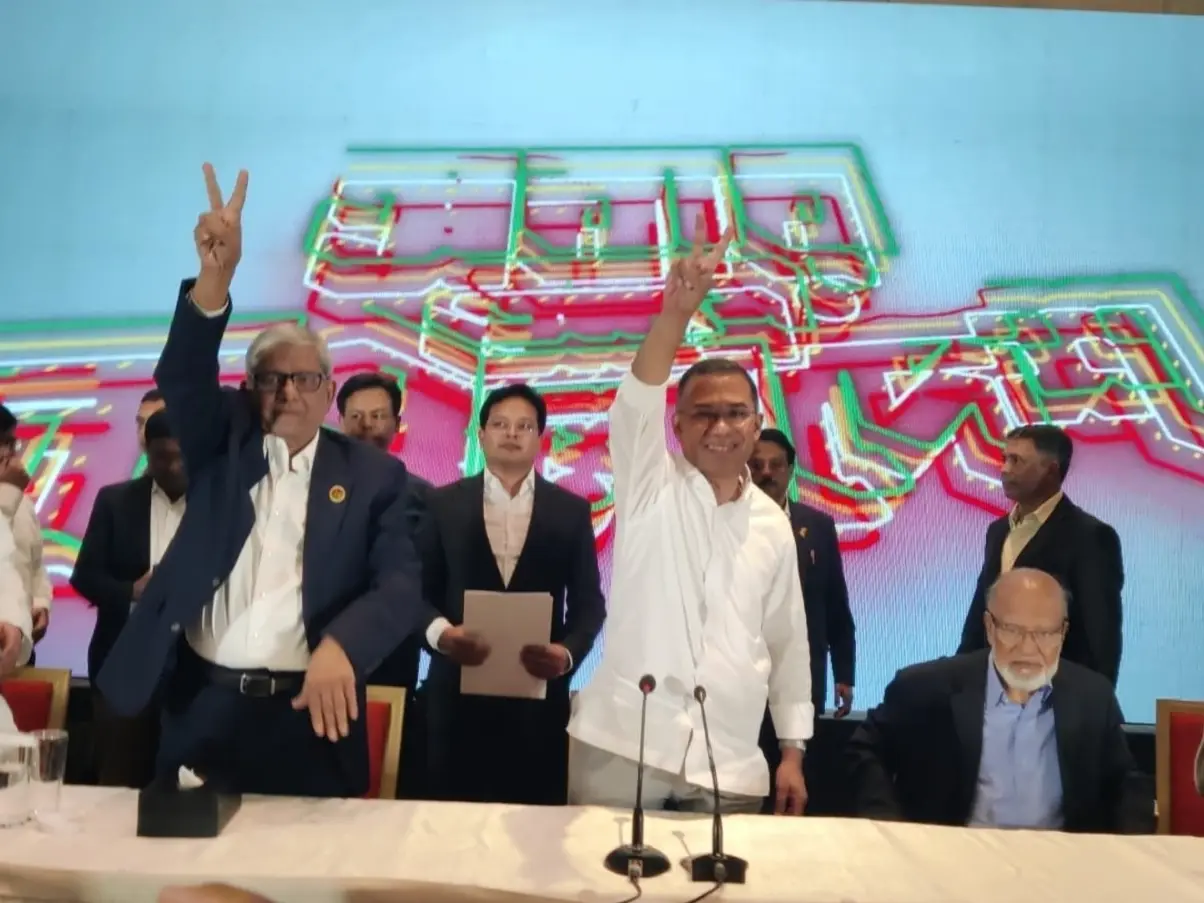
Bangladesh Nationalist Party (BNP) chairman Tarique Rahman
Humayun Kabir, foreign policy adviser to Bangladesh Nationalist Party (BNP) Chairman Tarique Rahman, confirmed the outreach to Indian Prime Minister Narendra Modi in an interview with WION.
Dhaka: Bangladesh has extended invitations to the heads of government from 13 countries, including India, for the swearing-in of the new cabinet, led by BNP chief Tarique Rahman on Tuesday, 17 February. The list of invited nations includes India, China, Saudi Arabia, Pakistan, Turkey, the United Arab Emirates, Qatar, Malaysia, Brunei, Sri Lanka, Nepal, the Maldives, and Bhutan.
The ceremony follows the Bangladesh Nationalist Party’s (BNP) landslide victory in the 13th parliamentary elections held earlier this month, which ends the tenure of the interim administration led by Chief Adviser Muhammad Yunus.
The newly elected Members of Parliament are scheduled to take their oaths in the morning of 17 February, administered by the Chief Election Commissioner. The cabinet, led by Rahman as Prime Minister, will be sworn in during an evening ceremony.
The invitations, issued by Yunus on behalf of the transitional authorities but aligned with the incoming administration’s priorities, signal an emphasis on regional diplomacy.
Humayun Kabir, foreign policy adviser to BNP Chairman Tarique Rahman, confirmed the outreach to Indian Prime Minister Narendra Modi in an interview with WION.
Kabir described the move as a deliberate goodwill gesture. “The region is important to us. [It is] an important part of [the] foreign policy of Tarique Rahman [to make] this region [an] influential region,” he said. “Sense of priority in sending out [invites] for inauguration. Time frame is short, [but the] gesture is there.”
Trending Stories
&imwidth=280&imheight=210&format=webp&quality=medium)
&imwidth=280&imheight=210&format=webp&quality=medium)
&imwidth=280&imheight=210&format=webp&quality=medium)
&imwidth=280&imheight=210&format=webp&quality=medium)
&imwidth=280&imheight=210&format=webp&quality=medium)
&imwidth=280&imheight=210&format=webp&quality=medium)
&imwidth=280&imheight=210&format=webp&quality=medium)
&imwidth=280&imheight=210&format=webp&quality=medium)
&imwidth=280&imheight=210&format=webp&quality=medium)
&imwidth=280&imheight=210&format=webp&quality=medium)
&imwidth=280&imheight=210&format=webp&quality=medium)
&imwidth=280&imheight=210&format=webp&quality=medium)
&imwidth=280&imheight=210&format=webp&quality=medium)
&imwidth=280&imheight=210&format=webp&quality=medium)
&imwidth=280&imheight=210&format=webp&quality=medium)
&imwidth=280&imheight=210&format=webp&quality=medium)
&imwidth=280&imheight=210&format=webp&quality=medium)
&imwidth=280&imheight=210&format=webp&quality=medium)
&imwidth=280&imheight=210&format=webp&quality=medium)
&imwidth=280&imheight=210&format=webp&quality=medium)
&imwidth=280&imheight=210&format=webp&quality=medium)
&imwidth=280&imheight=210&format=webp&quality=medium)
&imwidth=280&imheight=210&format=webp&quality=medium)
&imwidth=280&imheight=210&format=webp&quality=medium)
&imwidth=280&imheight=210&format=webp&quality=medium)
&im=FitAndFill=(700,400)&imwidth=280&imheight=210&format=webp&quality=medium)
&imwidth=280&imheight=210&format=webp&quality=medium)
&imwidth=280&imheight=210&format=webp&quality=medium)
&imwidth=280&imheight=210&format=webp&quality=medium)
&imwidth=280&imheight=210&format=webp&quality=medium)
&imwidth=280&imheight=210&format=webp&quality=medium)
&imwidth=280&imheight=210&format=webp&quality=medium)
&imwidth=280&imheight=210&format=webp&quality=medium)
&imwidth=280&imheight=210&format=webp&quality=medium)
&imwidth=280&imheight=210&format=webp&quality=medium)
&imwidth=280&imheight=210&format=webp&quality=medium)
The outreach comes after ties between Dhaka and New Delhi strained after the collapse of the Sheikh Hasina government amid students-led mass protests in 2024, leading to Hasina’s exile in India and Yunus’s interim rule.
Rahman, who returned from 17 years of self-imposed exile in London just months ago, led the BNP to a decisive two-thirds majority. In recent statements, he has called for national unity, improved law and order, and economic stabilisation following a period of political turbulence and minority rights concerns.
PM Modi’s early congratulatory phone call to Rahman after the election results underscored New Delhi’s interest in supporting a “democratic and progressive” Bangladesh. While attendance confirmations remain pending, the broad invitations show Dhaka’s ambition to reset foreign relations and prioritise South Asian cooperation amid a fragile post-election transition.