

&imwidth=800&imheight=600&format=webp&quality=medium "Asia is one: How Rabindranath Tagore and Okakura Kakuzō’s friendship paved way for modern ties between India and Japan")
Japanese Prime Minister Sanae Takaichi is all set for her maiden visit to India. PM Takaichi's three-day visit (July 1-3) to New Delhi is expected to strengthen ties between the two nations in trade, defence, semiconductor manufacturing, clean energy and emerging technologies. Interestingly, India and Japan's modern-day ties had their inception over a hundred years ago thanks to two pioneers from the two nations, forging a cultural alliance to defy Western influence on the East.
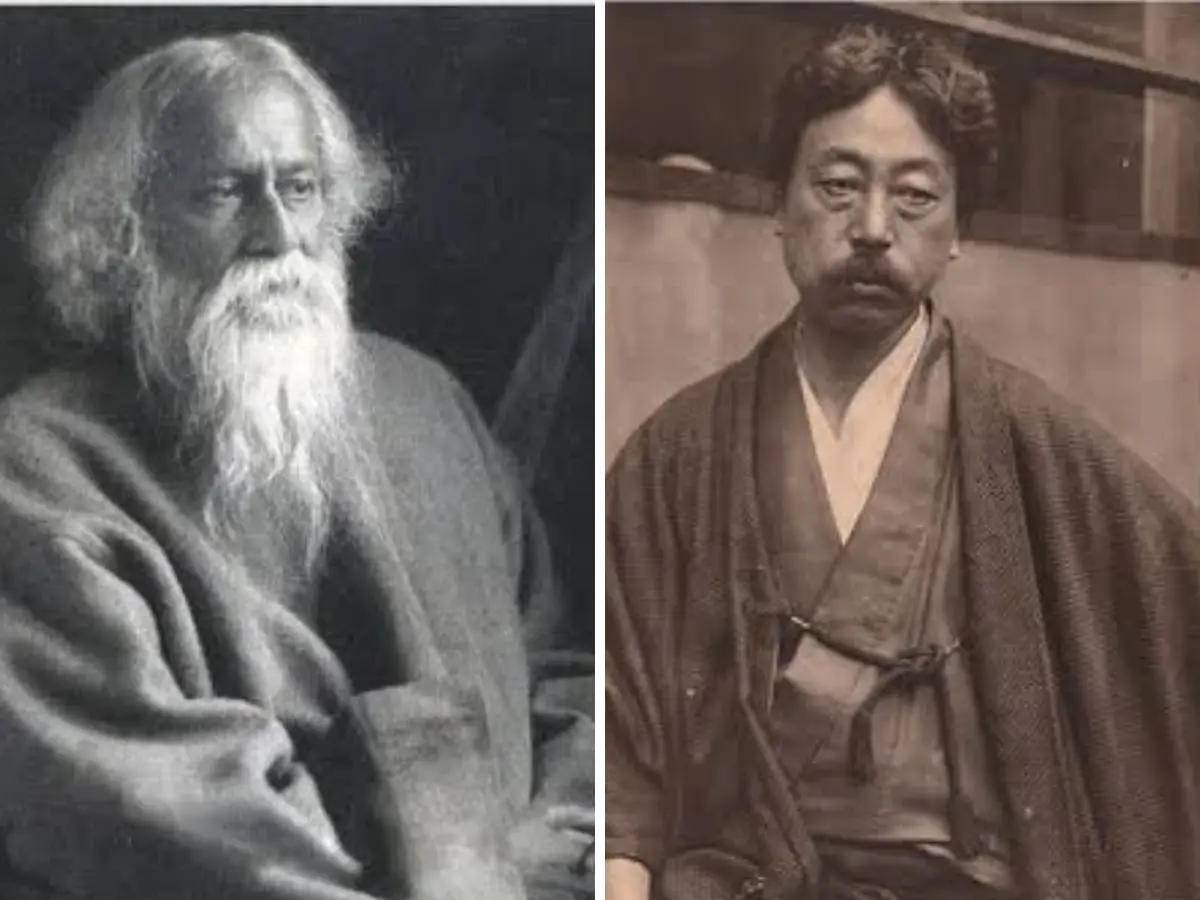
In the opening years of the twentieth century, as Western imperialism increasingly weighed upon the Asian continent, a quiet but revolutionary intellectual alliance occurred in Calcutta. The year was 1902. Okakura Kakuzō, a charismatic Japanese scholar and art critic, arrived at the ancestral home of India’s premier polymath, Rabindranath Tagore. The meeting between the two intellectuals and Okakura’s subsequent stay at Tagore’s residence sparked a profound, decade-long intellectual friendship. Their friendship served as a foundation of modern-day cultural ties between India and Japan years later.
The Meeting of Two Giants
When Okakura arrived in India, he was already formulating a grand thesis to challenge Western cultural hegemony. The Japanese art critic had initially come to India to meet Swami Vivekananda; however, his meeting with Tagore in Calcutta completely changed his perspective on Indian culture. Living with the Tagore family at Jorasanko, he found an intellectual sanctuary.
The two connected instantly over a shared grief for the erosion of Eastern traditions and a mutual desire to revive Asian spiritual and artistic heritage. Together, they wanted to combat Western influence on Eastern culture.
It was during his stay with the Tagores that Okakura drafted his seminal book, The Ideals of the East, which famously opened with the rallying cry, "Asia is one."
Trending Stories
&imwidth=180&imheight=135&format=webp&quality=medium)
Zohran Mamdani's Garba dance goes viral as he joins Indian community's Navratri celebrations | WATCH
&imwidth=180&imheight=135&format=webp&quality=medium)
SBI confirms data breach: 3,897 records flagged on dark web. Is your money safe?
&imwidth=180&imheight=135&format=webp&quality=medium)
India to develop first indigenous aviation gun for Prachand, Rudra attack helicopters, SSS Defence CEO confirms
&imwidth=180&imheight=135&format=webp&quality=medium)
Man marries off wife of 17 years to her lover in Uttar Pradesh
&imwidth=180&imheight=135&format=webp&quality=medium)
Boeing 737 MAX10 gets FAA certification, deliveries expected to begin in 2027
&imwidth=180&imheight=135&format=webp&quality=medium)
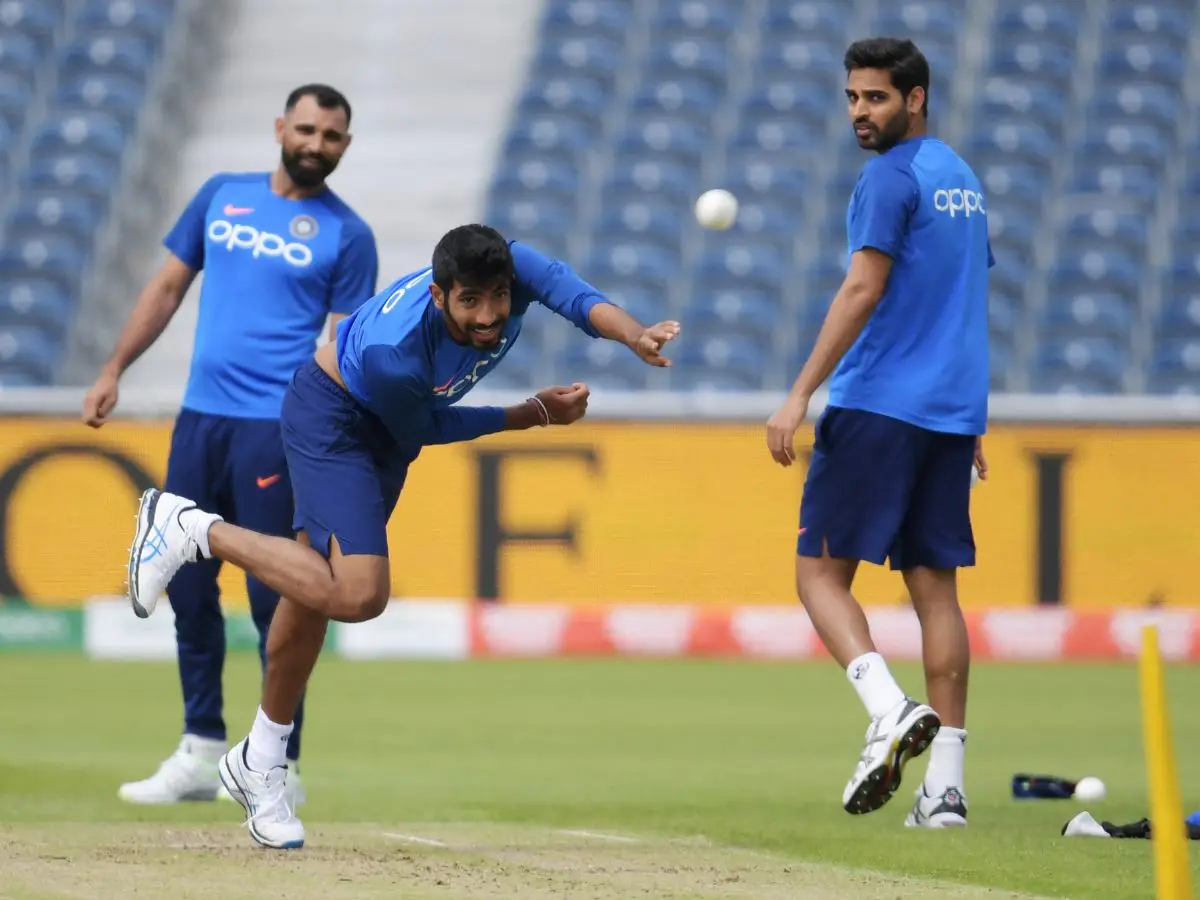
Shastri backs Shami comeback; lauds Bhuvi and warns Bumrah on format workload ahead of World Cup
&imwidth=180&imheight=135&format=webp&quality=medium)
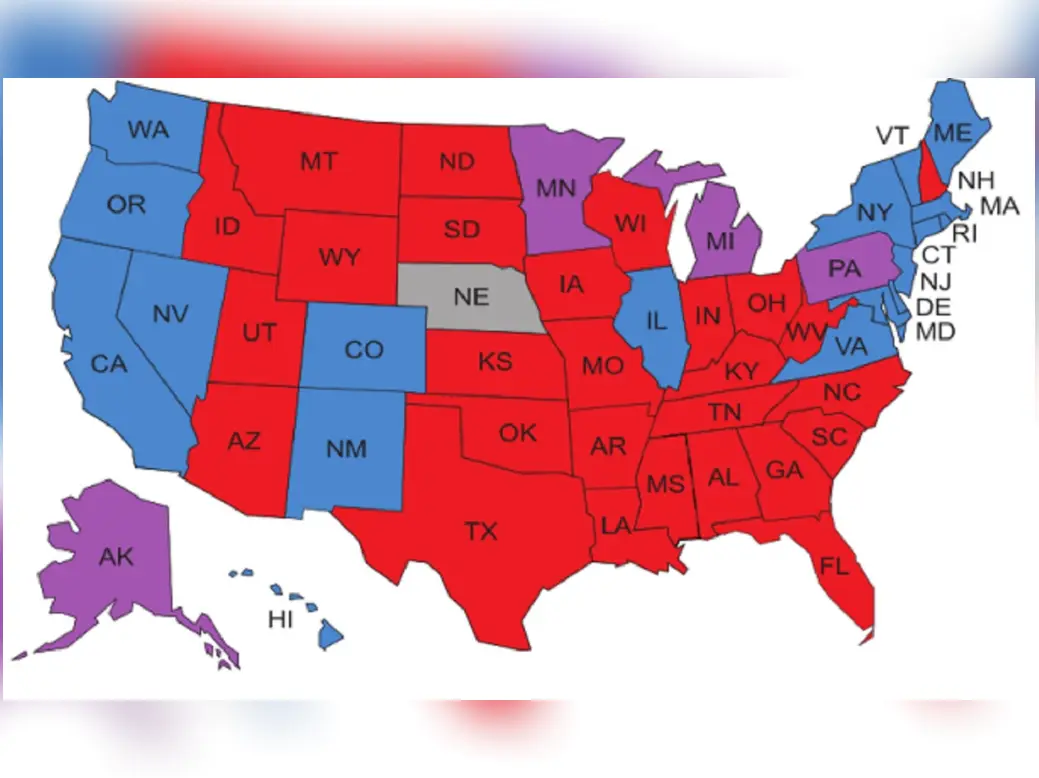
US midterms 2026: Red seats once deemed safe now appear shaky as Republicans spend big on ads
&imwidth=180&imheight=135&format=webp&quality=medium)
'Tap dancing through a minefield': Musk backs SpaceX-Tesla merger as AI boom fuels rocket firm's first profit
&imwidth=180&imheight=135&format=webp&quality=medium)
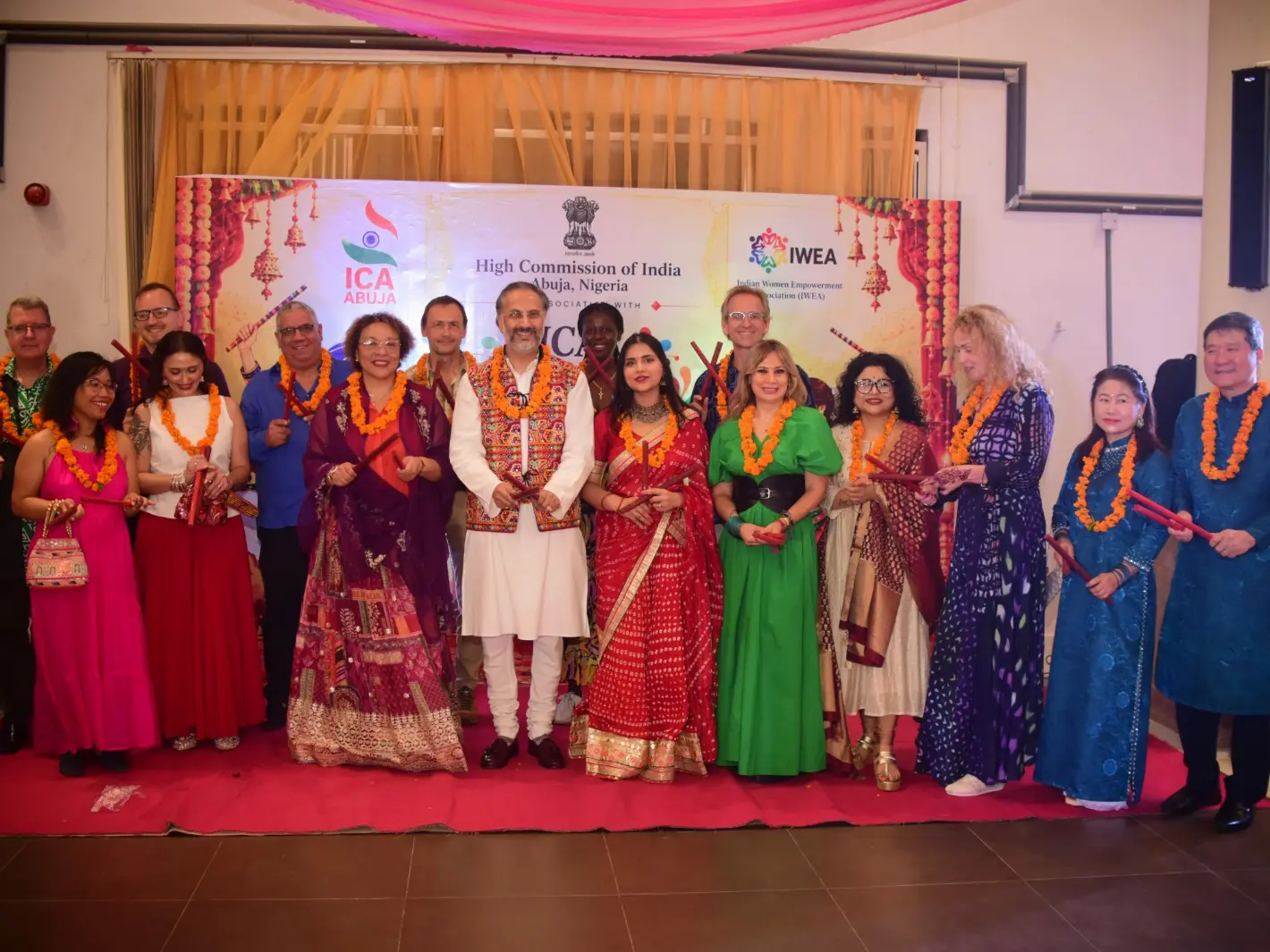
Dandiya Nite ’26: Indian High Commissioner hails diaspora as bridge between India and Nigeria
&imwidth=180&imheight=135&format=webp&quality=medium)
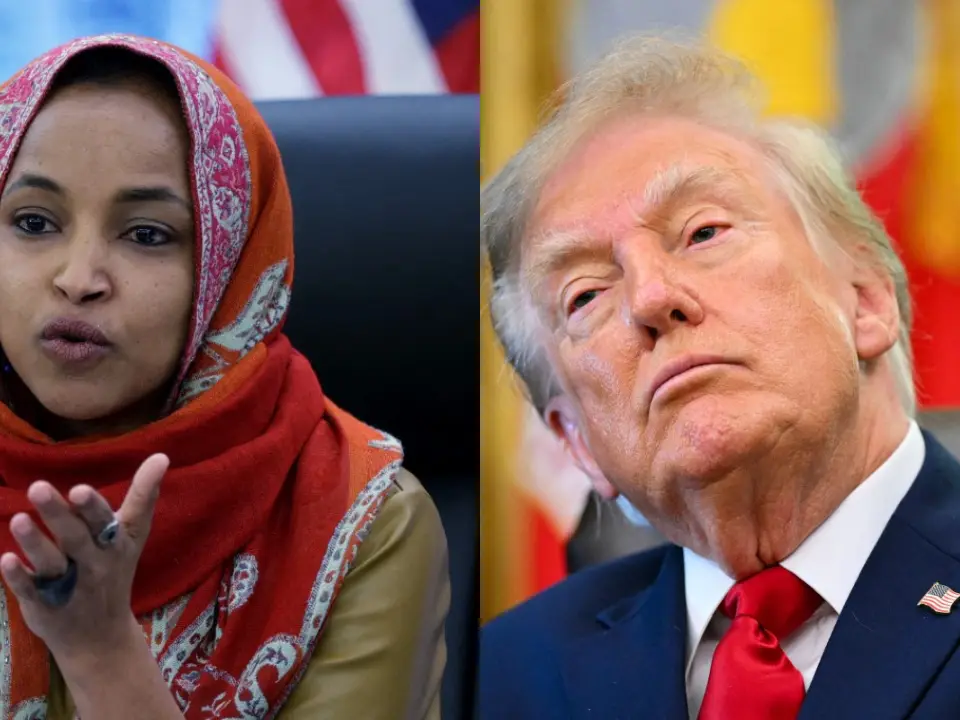
Trump says Ilhan Omar 'could go to jail' amid federal probe, calls Somalia a 's***house'
&imwidth=180&imheight=135&format=webp&quality=medium)
Punjab CM Bhagwant Mann allegedly detained for three hours at Delhi airport, fined ₹50,000: AAP
&imwidth=180&imheight=135&format=webp&quality=medium)
Trump waves at 'empty space' in viral video,' critics claim 'mental decline getting worse' | WATCH
&imwidth=180&imheight=135&format=webp&quality=medium)
What the Mecca Joint Defence Agreement says about withdrawal and military support. Read full text of the pact here
&imwidth=180&imheight=135&format=webp&quality=medium)
IND vs NZ T20Is: Will Sooryavanshi play? Skipper Shreyas Iyer clears the air on Samson vs Vaibhav debate
&imwidth=180&imheight=135&format=webp&quality=medium)
'You are not Gen Z': Delhi HC pulls up CJP's Das, Ranka over bail bond breach after Jantar Mantar trespass
&imwidth=180&imheight=135&format=webp&quality=medium)
India vs New Zealand T20I Series 2026: Complete schedule, match timings, squads and live streaming details
&imwidth=180&imheight=135&format=webp&quality=medium)
Trump considers removing White House press corps to restore historic indoor swimming pool
&imwidth=180&imheight=135&format=webp&quality=medium)
Ukrainian soldier rescued by a drone chopped off own leg while hiding for 491 days
&imwidth=180&imheight=135&format=webp&quality=medium)
US-Iran war | Tehran: Must end port blockade, oil sanctions and regional attacks
&im=FitAndFill=(700,400)&imwidth=180&imheight=135&format=webp&quality=medium)
Priyanka Chopra to Shilpa Shetty: 6 Bollywood actresses and their fitness secrets
&imwidth=180&imheight=135&format=webp&quality=medium)
Pujara says 'Samson and Vaibhav cannot be in Playing XI' for India on NZ tour
&imwidth=180&imheight=135&format=webp&quality=medium)
'What's wrong with you? Are you a sick person?': Trump at it again as he snaps at reporters, faces backlash
&imwidth=180&imheight=135&format=webp&quality=medium)
US Midterms 2026 and money: From Bloomberg to Musk, corporate donors, super PACs and lobbies, it's all about the cash
&imwidth=180&imheight=135&format=webp&quality=medium)
‘Even legends can fall ill’: Badshah, Anupam Kher and other stars defend Daler Mehndi after Uttarakhand stage controversy
&imwidth=180&imheight=135&format=webp&quality=medium)
'UN experts is an oxymoron': Rubio mocks UN over India protests criticism, refuses to comment on India's internal matter
&im=FitAndFill=(700,400)&imwidth=180&imheight=135&format=webp&quality=medium)
New OTT releases this week (October 19-25, 2026): Gajab Raat to Chaar Yaar-8 titles to watch during Dussehra week on Netflix, Prime Video and more
&imwidth=180&imheight=135&format=webp&quality=medium)
Ukrainian drone airlifts wounded soldier in what is likely a world first
&imwidth=180&imheight=135&format=webp&quality=medium)
The Verdict | Trump, Putin and Xi: A superpower triangle that could reshape global diplomacy
&imwidth=180&imheight=135&format=webp&quality=medium)
India moves to buy 10,000 more AI chips for a national compute pool open to startups
&imwidth=180&imheight=135&format=webp&quality=medium)
'They are not even telling us' - Mysterious metallic object discovered in Minnesota field
&imwidth=180&imheight=135&format=webp&quality=medium)
Hunger makes alcohol more appealing, study finds
&imwidth=180&imheight=135&format=webp&quality=medium)
Cattle-feed bran in biscuits, detergent in milk: FSSAI acts against 3 companies
&imwidth=180&imheight=135&format=webp&quality=medium)
US midterms 2026: With Republicans spending big, Bloomberg opens his wallet for Democrats. Here's how much he is pouring
&imwidth=180&imheight=135&format=webp&quality=medium)
Iran rejects US talks until demands are met, rules out moving enriched uranium out of the country
&imwidth=180&imheight=135&format=webp&quality=medium)
Feds obtain DNA evidence that could prove Ilhan Omar married her brother: Report
&imwidth=180&imheight=135&format=webp&quality=medium)
Ramayana advance booking: Ranbir Kapoor, Yash's film cross $500K ahead of Diwali release
&imwidth=180&imheight=135&format=webp&quality=medium)
French military plane crashes in northeast France, one dead
&imwidth=180&imheight=135&format=webp&quality=medium)
Delhi HC agrees to hear Neha Bora's plea against 'maintain peace' directive on 'urgent basis'
Also Read: WION Decodes | What could be biggest takeaways from Japan PM Sanae Takaichi's first India visit?
A Shared Anti-Colonial Sentiment
The bond between Tagore and Okakura was not merely political; it was profoundly aesthetic. Okakura rejected the blind imitation of Western art, a sentiment that resonated with Tagore as well.
His stay in Calcutta was so profound, that Okakura introduced Japanese artists like Yokoyama Taikan to the city in subsequent years. This cross-pollination directly inspired the Bengal School of Art. Okakura visited India during the Swadeshi movement and mentored prominent Indian artists and sent his own students from the Japan Fine Arts Academy to explore Indian culture, bridging aesthetic philosophies.
In later years, Indian artists adopted Japanese wash techniques, merging them with traditional Indian motifs to create a distinctly modern artistic language, which was led by Abanindranath Tagore, Rabindranath's nephew.
Not just in art, Okakura’s influence led to Tagore adapting experiential, nature-connected learning at Santiniketan.
Also read: Ahead of Japan PM Sanae Takaichi's India visit, here's how the Japanese writing system works
Ideological Divergence and Lingering Respect
Tagore and Okakura only met a few times, but their shared passion of reviving Eastern heritage and culture across Asia stood the test of time.
The friendship eventually faced the harsh test of geopolitics. As Japan transitioned into an aggressive, militaristic empire in the 1910s, Tagore—a staunch universalist who disliked violent nationalism—grew deeply uncomfortable.
During his visits to Japan, Tagore openly criticised its imperial ambitions, much to the dismay of the Japanese public. Okakura, who tragically died in 1913 at the age of fifty, did not live to see the full fracturing of his Pan-Asian dream. Yet, the mutual respect between the two men never truly dissolved; they recognised in each other as two individuals striving for a decolonised mind.
Their bond sparked early exchanges of students and scholars between India and Japan. These reciprocal visits established a template for cultural diplomacy that defined early 20th-century inter-Asian ties
A Legacy for Modern Ties
Today, the legacy of the Tagore-Okakura friendship extends far beyond historical curiosity. The bond paved the way for contemporary diplomatic, economic, and cultural partnerships between India and Japan.
When modern leaders speak of a shared Indo-Pacific vision rooted in democratic and spiritual values, they are echoing a dialogue that began at Jorashakho in Calcutta over a century ago.
India and Japan’s modern-day alliance is built not just on geopolitical convenience, but on a profound, century-old intellectual brotherhood.

