Apple sues OpenAI over alleged trade secrets theft in high-stakes AI hardware battle

&imwidth=600&imheight=450&format=webp&quality=medium "Apple sues OpenAI over alleged trade secrets theft in high-stakes AI hardware battle")
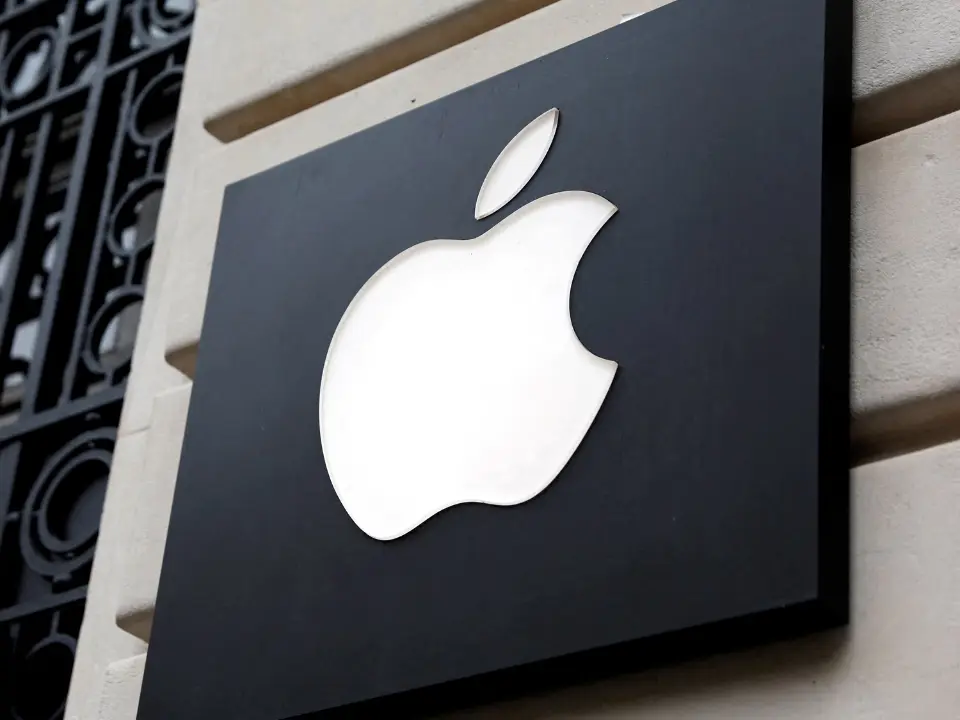
Image for representation Photograph: (Reuters)
Apple filed a lawsuit against OpenAI and two ex-employees, accusing them of stealing trade secrets to accelerate OpenAI’s consumer hardware development and build a device competing with the iPhone.
Apple has sued OpenAI and two former employees, accusing them of misappropriating its trade secrets to help accelerate the ChatGPT maker's ambitions in the consumer hardware market, marking a major escalation in tensions between the two technology companies.
According to a complaint filed on Friday (July 10) in the US District Court for the Northern District of California, Apple alleged that OpenAI orchestrated a broad effort to systematically acquire and exploit the company's confidential information through former employees, recruitment practices and supplier relationships.
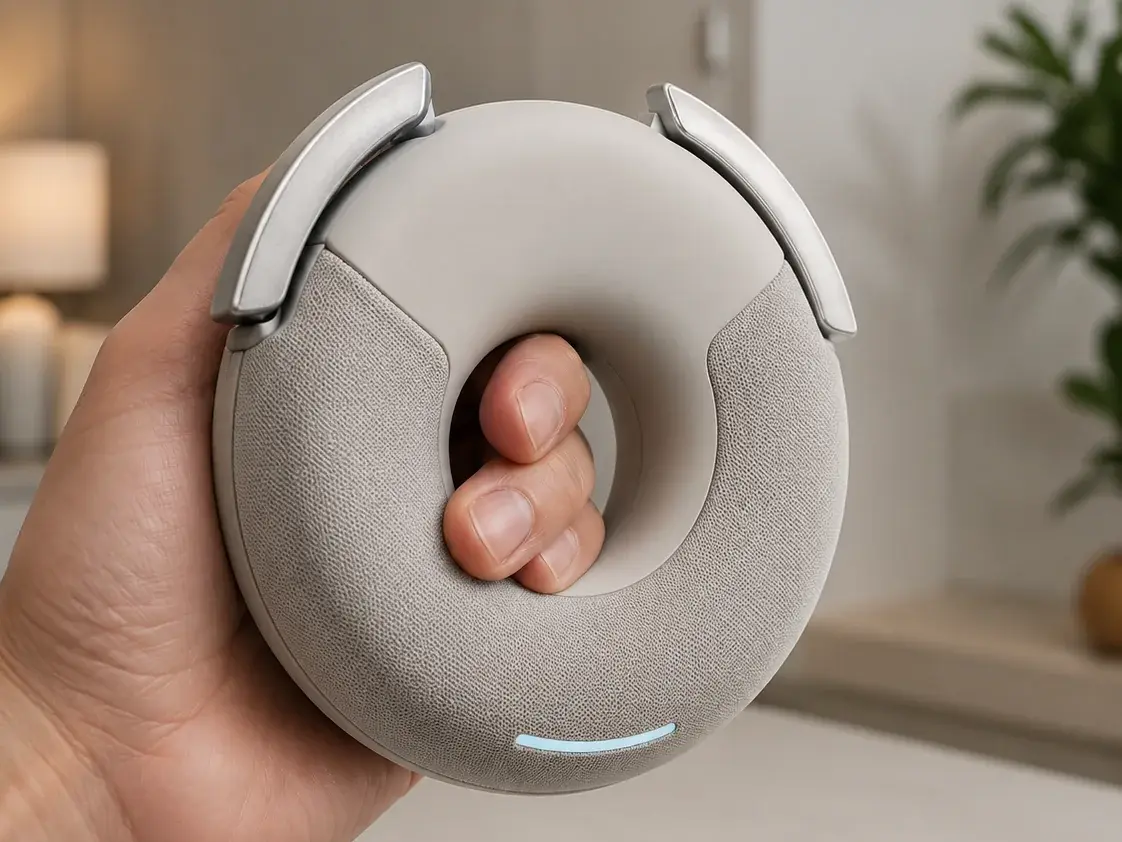
Apple claimed the alleged actions were aimed at strengthening OpenAI's push into consumer hardware, an area where analysts believe the artificial intelligence company is developing a smartphone or another AI-powered device that could compete with the iPhone.
The lawsuit sets the stage for a broader battle over the future of AI devices that may rely less on traditional apps or operating systems, potentially shifting consumer attention away from Apple's flagship products.
Trending Stories
&im=FitAndFill=(700,400))
)
)
)
)
)
)
)
)
)
)
)
)
)
)
&im=FitAndFill=(700,400))
)
)
&im=FitAndFill=(700,400))
)
)
)
)
)
)
)
&im=FitAndFill=(700,400))
)
)
)
)
)
)
&im=FitAndFill=(700,400))
OpenAI did not immediately respond to Reuters' request for comment. The legal action underscores growing competition between the two firms as the AI race intensifies, with both companies vying for talent and proprietary technology despite their existing partnership.
"Apple sees OpenAI moving from partner to potential rival, while OpenAI is trying to reduce its dependence on the iPhone and build a direct relationship with consumers," PP Foresight analyst Paolo Pescatore said. He added that even if the allegations are not proven, the lawsuit could delay OpenAI's hardware ambitions and further strain an already fragile relationship between the companies.
Also read: Apple closes in on Alphabet as world's No. 2 most valuable company: What's behind the rally?

