Angola decriminalizes same-sex relations, allows abortion in certain cases

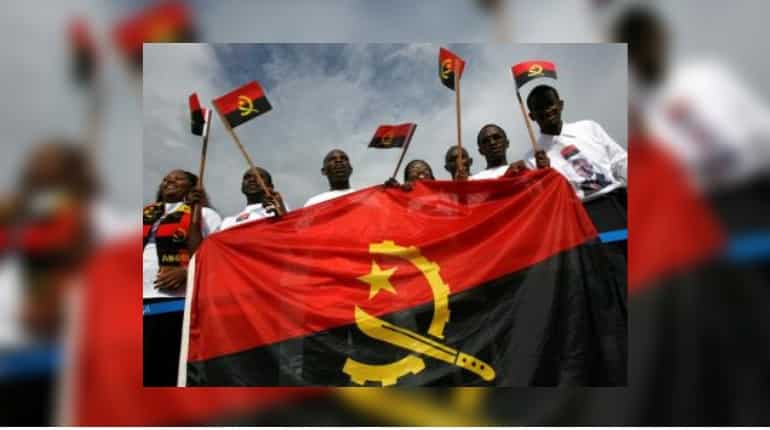
Angolan flag
The Angolan parliament has, for the first time since its independence from Portugal, approved a new criminal code that does not punish relations between people of the same sex and decriminalizes abortion in specific cases, an international human rights group reported on Thursday.
The old criminal code, adopted in 1886 and left unaltered after the African country's independence in 1975, established jail sentences ranging from six months to three years for the ambiguous offence of "vices against nature," which has been widely interpreted to constitute a 'de facto' ban on homosexual conduct.
The non-governmental organization Human Rights Watch, headquartered in New York City, praised the move by Angolan lawmakers in a statement.

"In casting aside this archaic and insidious relic of the colonial past, Angola has eschewed discrimination and embraced equality," HRW said in a statement signed by the director of its lesbian, gay, bisexual and transgender rights program, Graeme Reid.
Reid added that the Angolan government had also prohibited discrimination against people on the basis of sexual orientation, making it a felony – punishable with up to two years in prison – to refuse to employ or provide services to individuals because of their sexuality.
The changes were officially enacted on Wednesday through the adoption of the new penal code, which had been 10 years in the making.
&imwidth=180&imheight=135&format=webp&quality=medium)
Shastri backs Shami comeback; lauds Bhuvi and warns Bumrah on format workload ahead of World Cup
&imwidth=180&imheight=135&format=webp&quality=medium)
Ramayana advance booking: Ranbir Kapoor, Yash's film cross $500K ahead of Diwali release
&imwidth=180&imheight=135&format=webp&quality=medium)
Kim Jong Un death rumours: State media shares photos to prove dictator is alive amid reports of brain haemorrhage
&imwidth=180&imheight=135&format=webp&quality=medium)
Dark fantasy, violence, adult themes: BBFC data reveals animation's shift towards older audiences
&imwidth=180&imheight=135&format=webp&quality=medium)
Cattle-feed bran in biscuits, detergent in milk: FSSAI acts against 3 companies
&imwidth=180&imheight=135&format=webp&quality=medium)
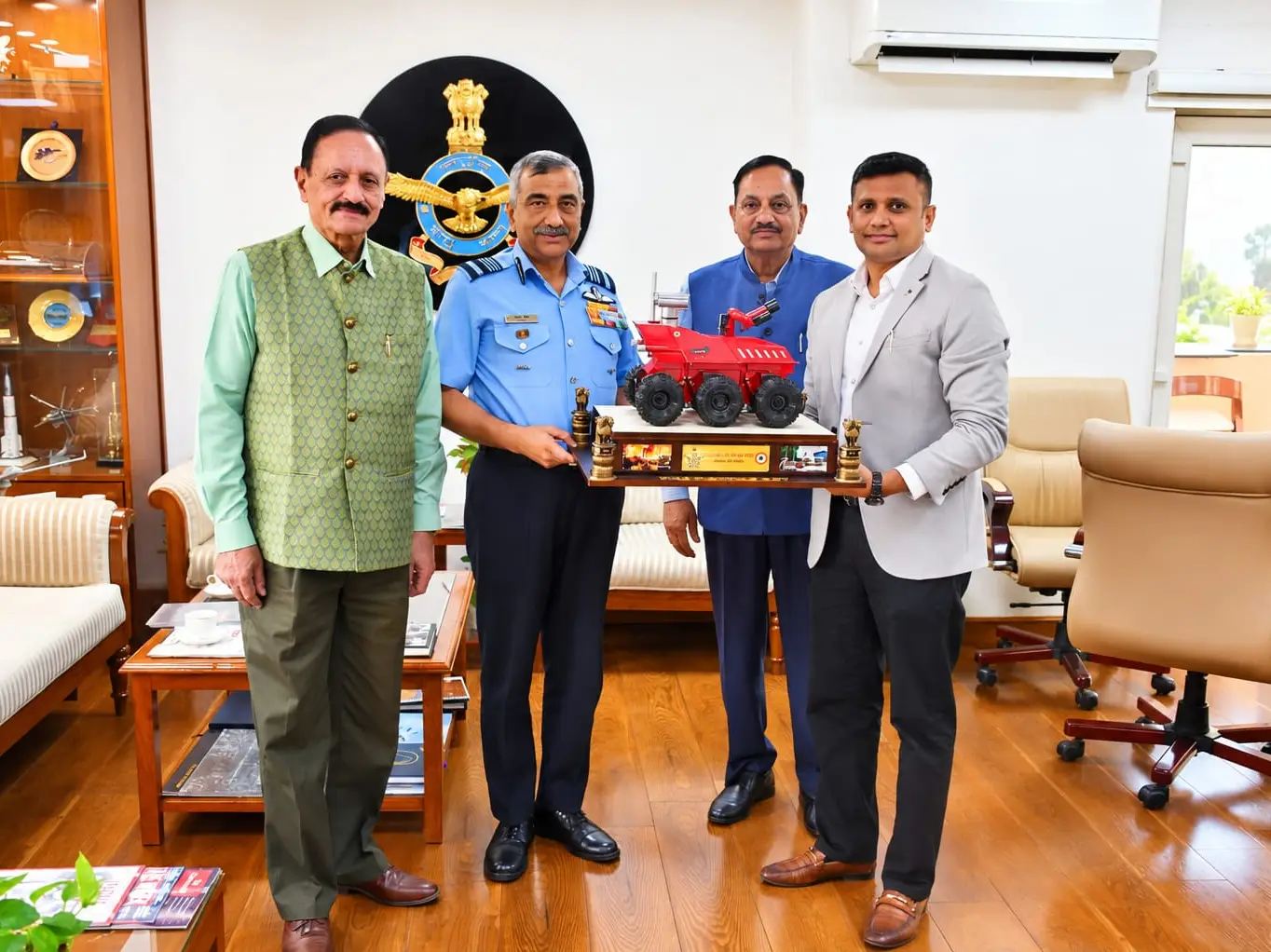
Indian Air Force turns to homegrown firefighting robot developed under iDEX programme
&imwidth=180&imheight=135&format=webp&quality=medium)
India begins National Red List Assessment of 1,211 bird species to boost conservation
&imwidth=180&imheight=135&format=webp&quality=medium)
Trump calls on New Mexico to become 'New America', claims 'home values and incomes would rise'
&im=FitAndFill=(700,400)&imwidth=180&imheight=135&format=webp&quality=medium)
Ghaziabad is world's fastest-growing city; Surat, Patna, Rajkot also feature on list
&imwidth=180&imheight=135&format=webp&quality=medium)
India moves to buy 10,000 more AI chips for a national compute pool open to startups
&imwidth=180&imheight=135&format=webp&quality=medium)
WATCH | Albania protesters set Supreme Court on fire as anti-Rama riots escalate
&imwidth=180&imheight=135&format=webp&quality=medium)
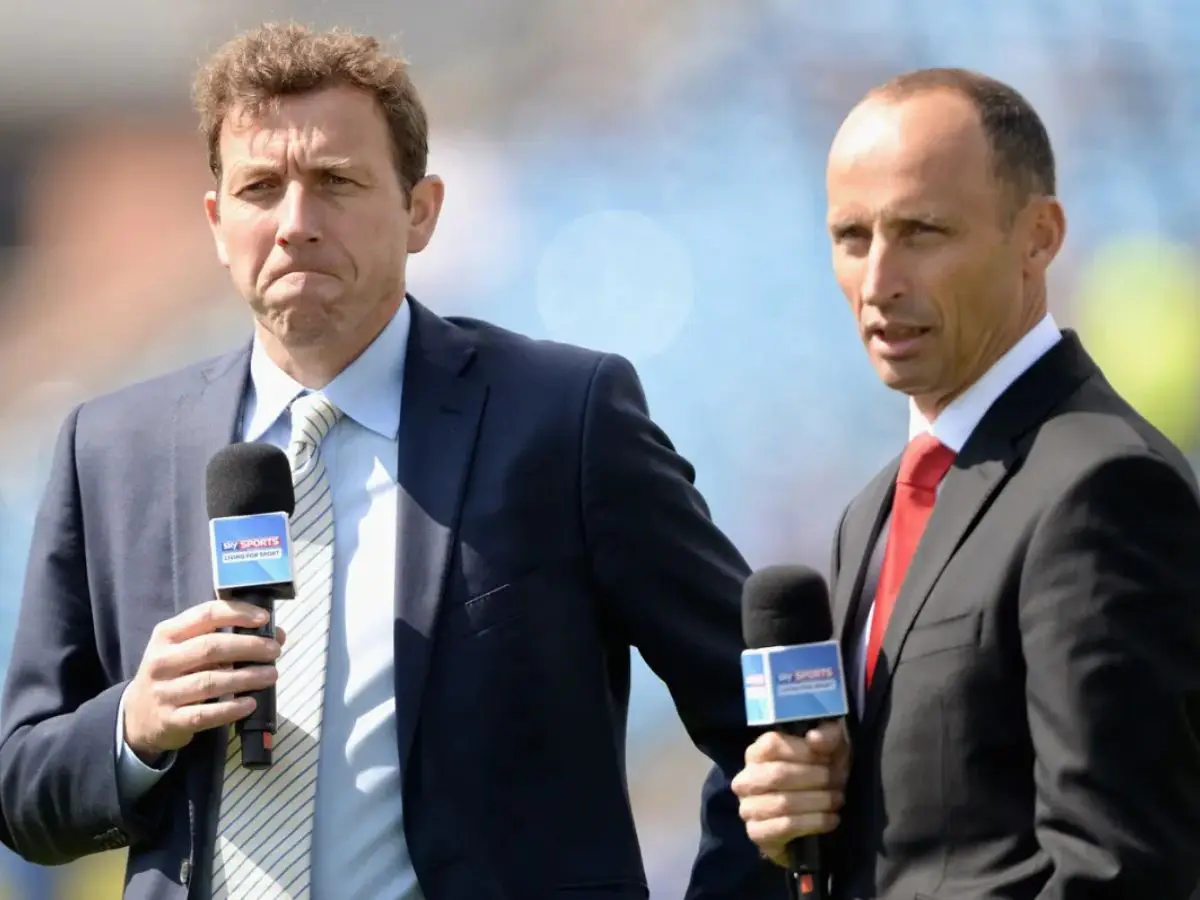
PCB omits Atherton, Hussain from tri-series commentary panel over Imran Khan interview row
&imwidth=180&imheight=135&format=webp&quality=medium)
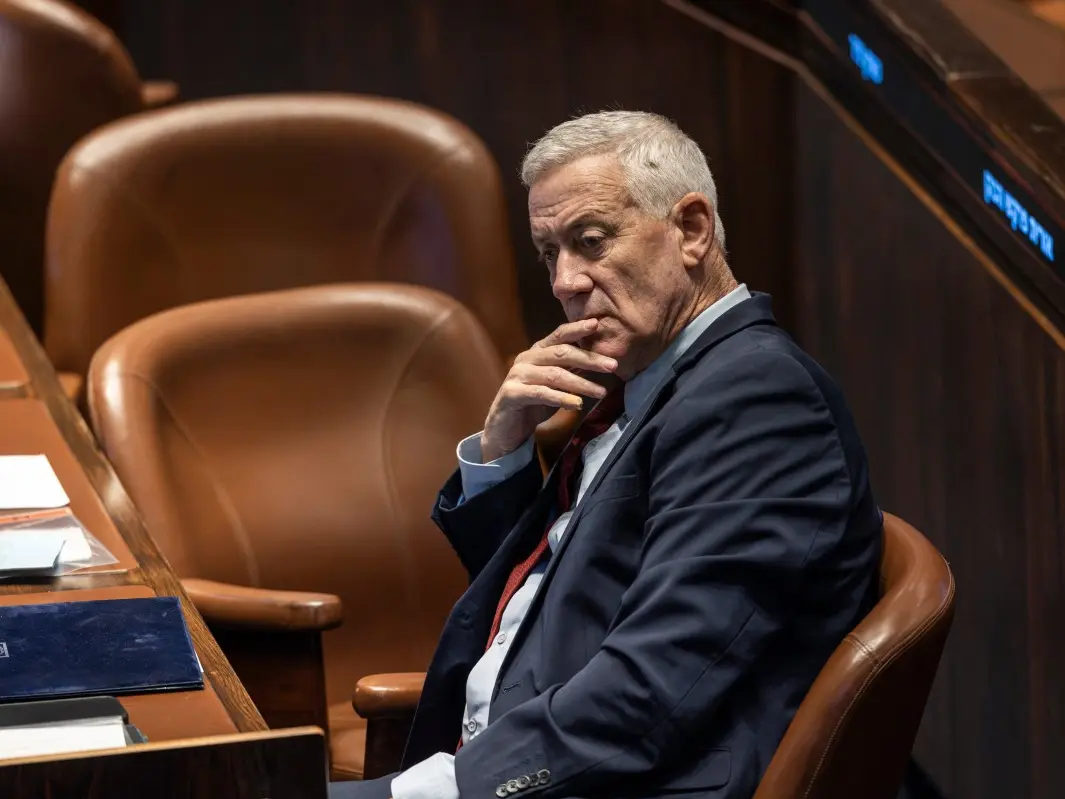
Netanyahu rival Benny Gantz quits Israel election race, vows to push for unity government
&imwidth=180&imheight=135&format=webp&quality=medium)
Pete Hegseth meets Benjamin Netanyahu during unannounced visit to Israel ahead of election
&imwidth=180&imheight=135&format=webp&quality=medium)
Baby orangutan rescued in India returns to Indonesia
&imwidth=180&imheight=135&format=webp&quality=medium)
Two Indians among 28 arrested in California over alleged voter registration fraud, DOJ says
&imwidth=180&imheight=135&format=webp&quality=medium)
US Midterm 2026: What do opinion polls and prediction markets say less than two weeks before voting
&imwidth=180&imheight=135&format=webp&quality=medium)
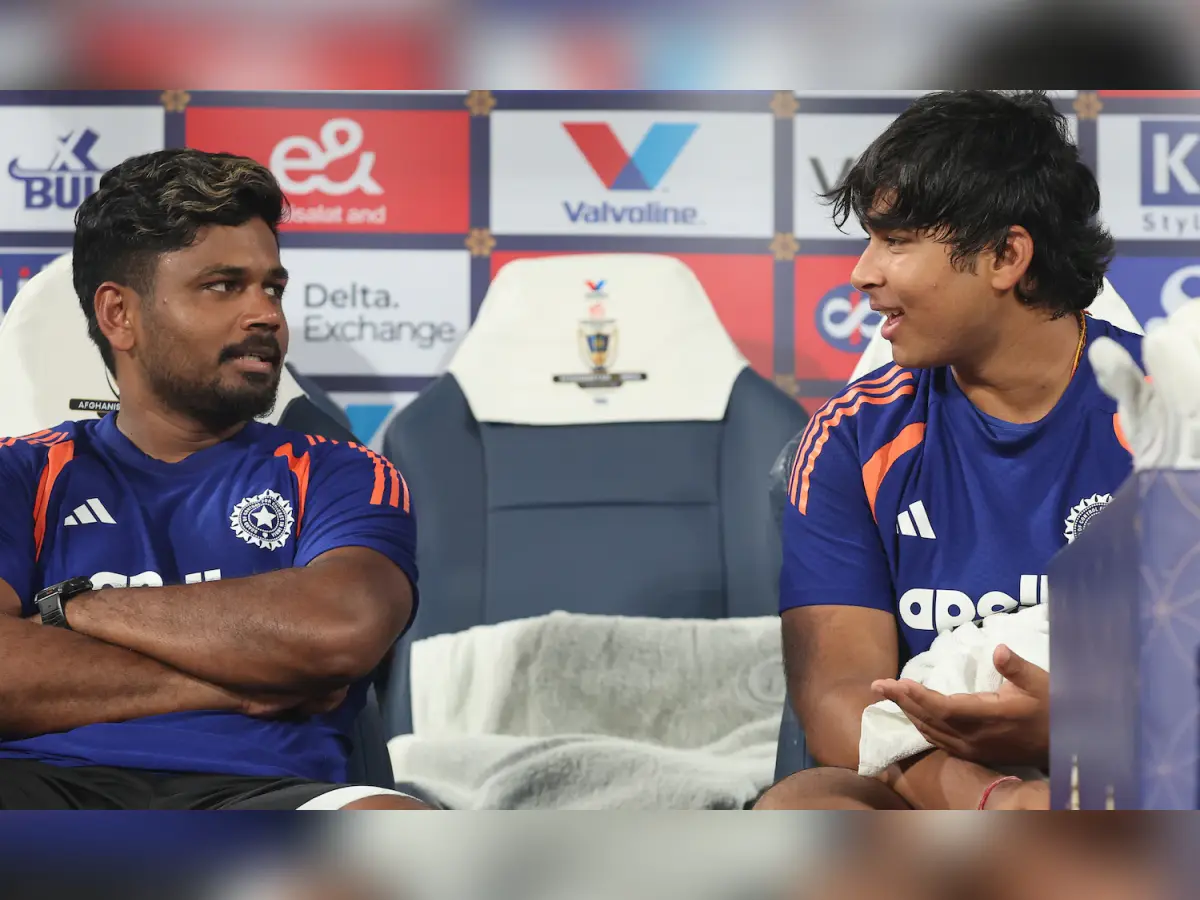
Pujara says 'Samson and Vaibhav cannot be in Playing XI' for India on NZ tour
&imwidth=180&imheight=135&format=webp&quality=medium)
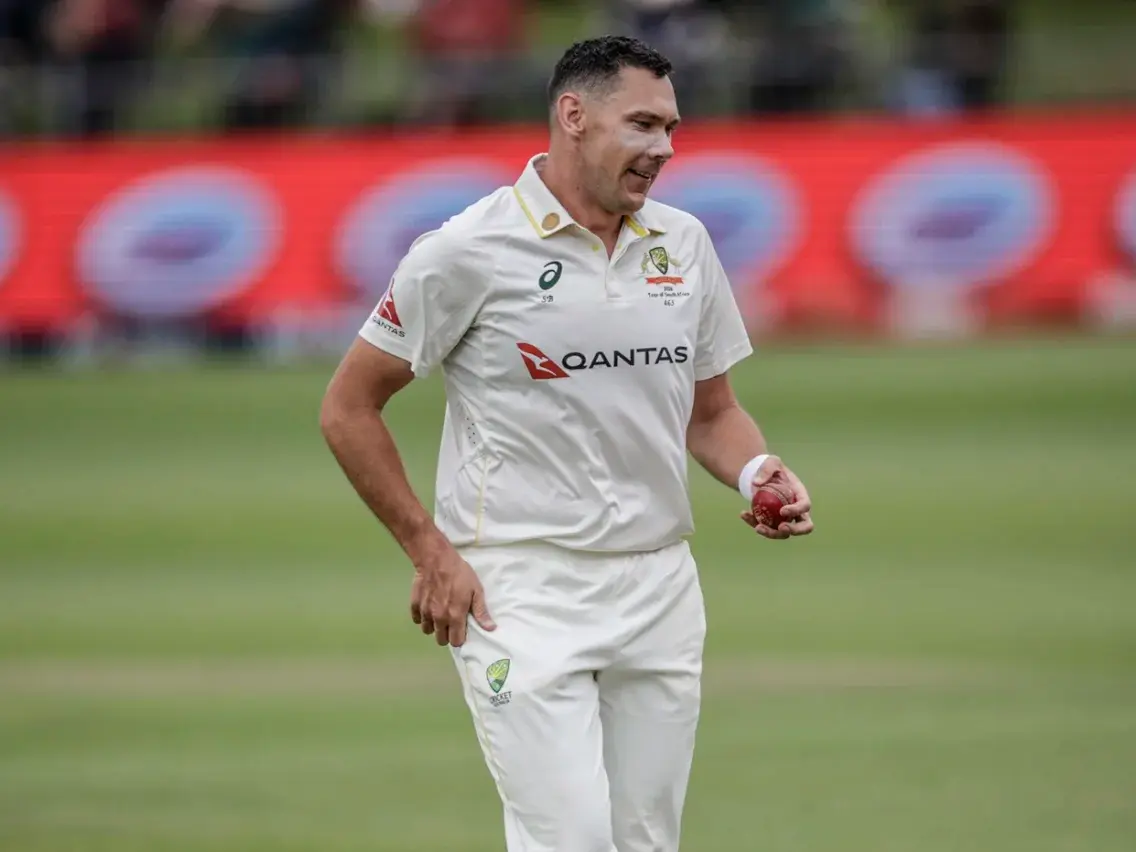
AUS vs SA: Boland grabs opportunity with both ends to help Australia dominate
&imwidth=180&imheight=135&format=webp&quality=medium)
Feds obtain DNA evidence that could prove Ilhan Omar married her brother: Report
&im=FitAndFill=(700,400)&imwidth=180&imheight=135&format=webp&quality=medium)
Priyanka Chopra to Shilpa Shetty: 6 Bollywood actresses and their fitness secrets
&imwidth=180&imheight=135&format=webp&quality=medium)
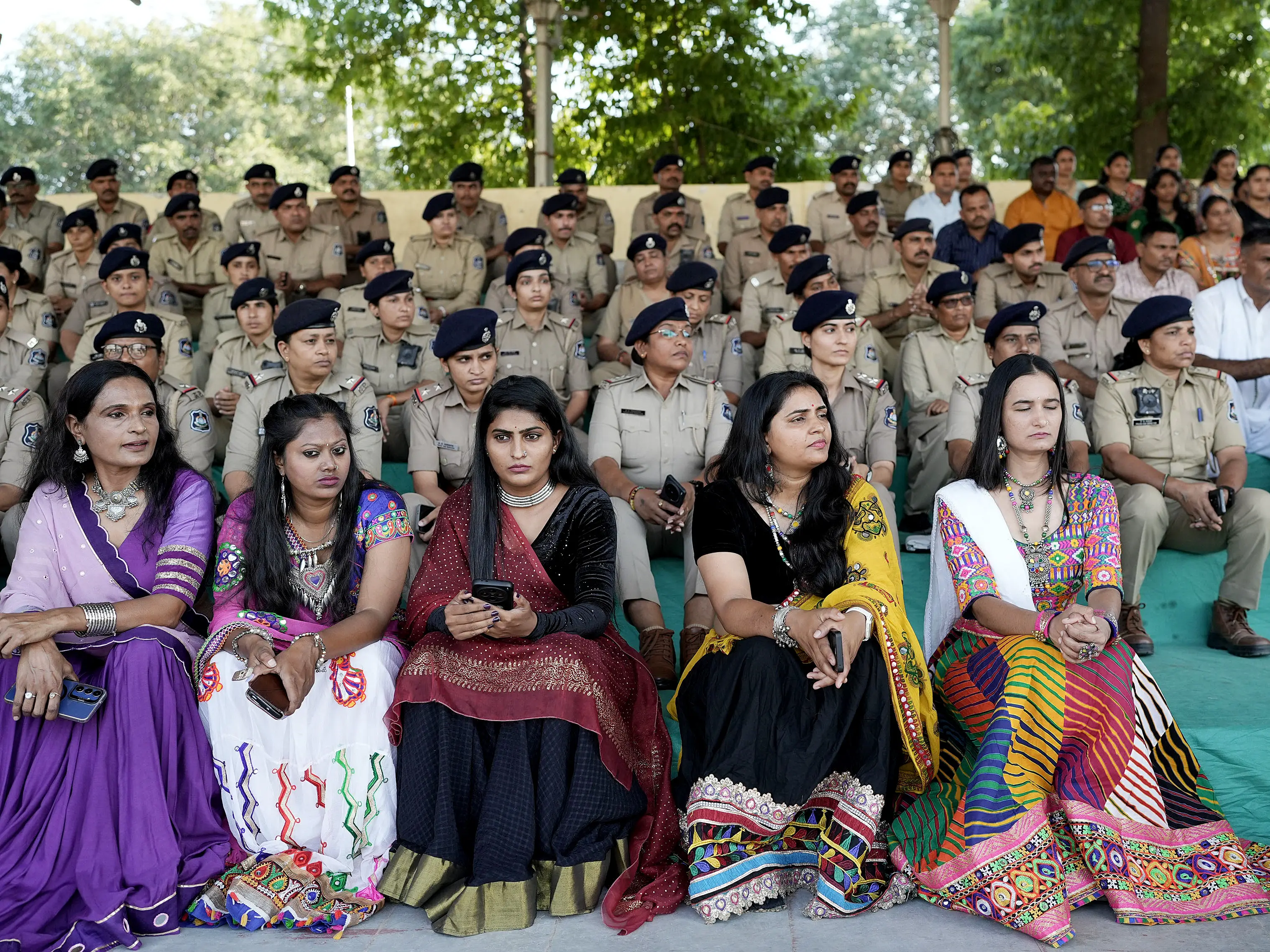
'We feel like Mr India': Gujarat’s undercover SHE team guard garba nights at Navratri
&imwidth=180&imheight=135&format=webp&quality=medium)
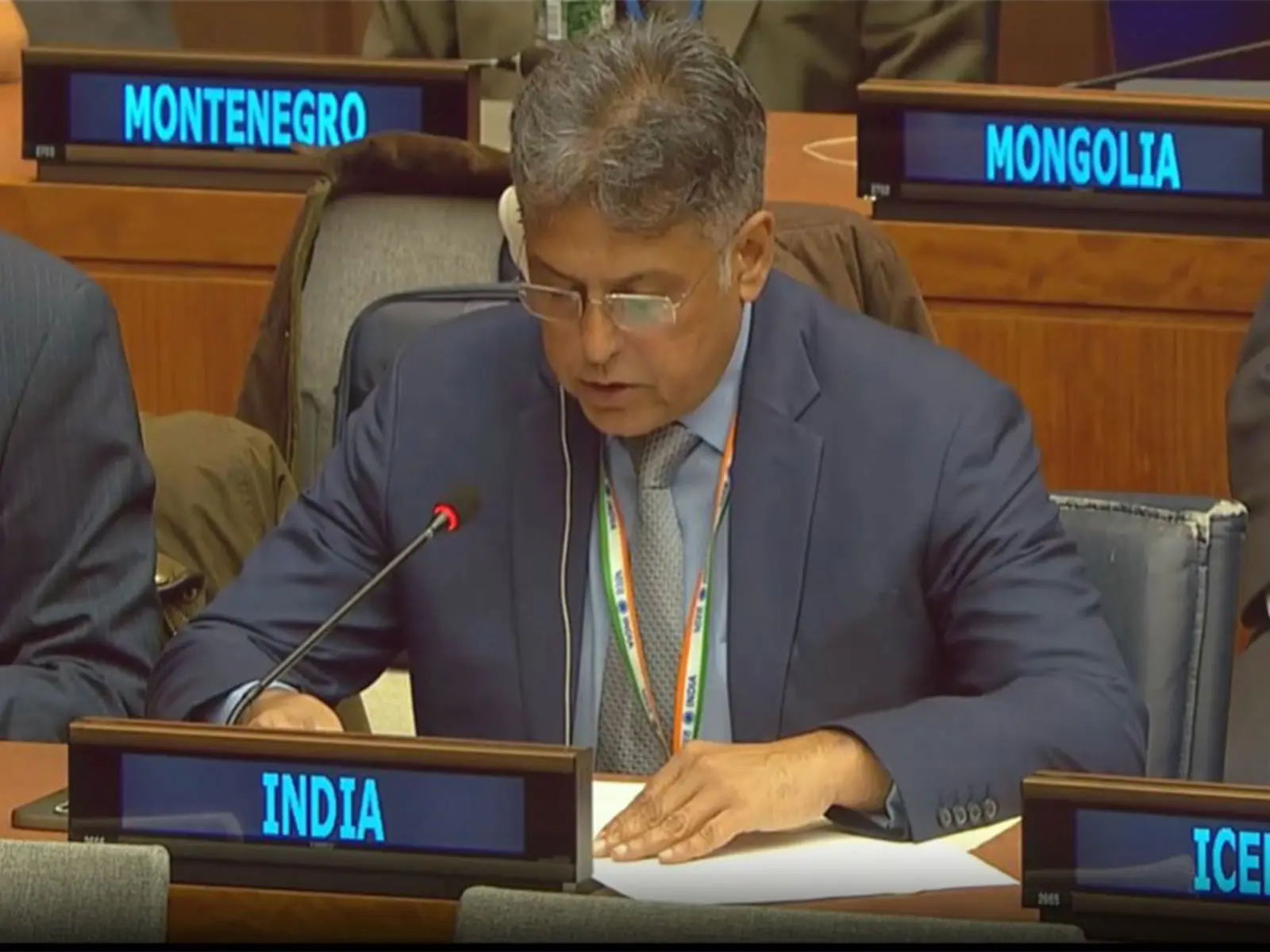
‘Nuclear-use decision should be taken by humans’: India flags AI risks at UN
&imwidth=180&imheight=135&format=webp&quality=medium)
'It's a joy to see the makers bring it on such a grand scale': SS Rajamouli on Ramayana
&imwidth=180&imheight=135&format=webp&quality=medium)
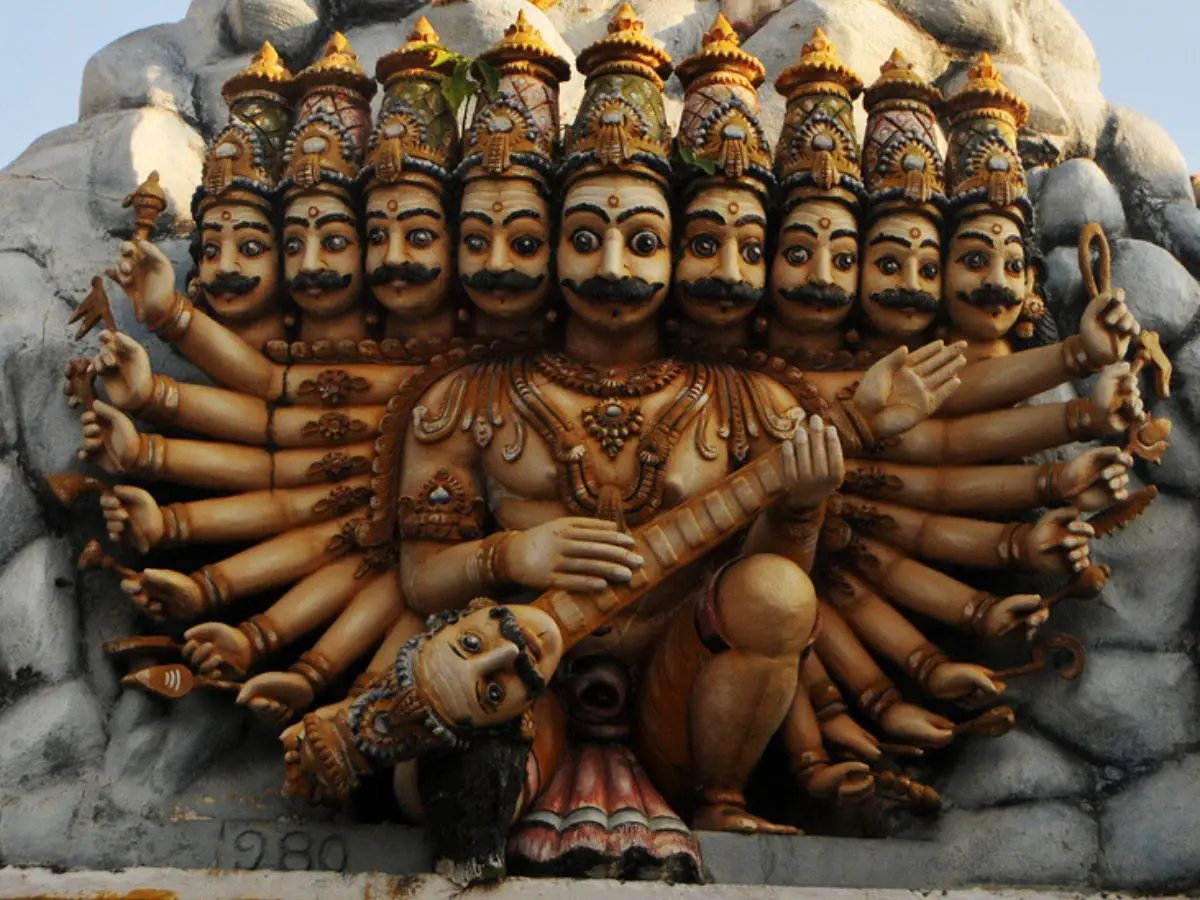
Dussehra 2025: Why is Ravana not burnt but worshipped in these places of India?
&im=FitAndFill=(700,400)&imwidth=180&imheight=135&format=webp&quality=medium)
New OTT releases this week (October 19-25, 2026): Gajab Raat to Chaar Yaar-8 titles to watch during Dussehra week on Netflix, Prime Video and more
&imwidth=180&imheight=135&format=webp&quality=medium)
WATCH | Japan launches historic mission to collect samples from Mars' moon Phobos
&imwidth=180&imheight=135&format=webp&quality=medium)
Flying car race: Alef Aeronautics welcomes Tesla Roadster '11 years' later, but are the two models the same?
&imwidth=180&imheight=135&format=webp&quality=medium)
Prince Harry, Meghan Markle never accepted Queen Elizabeth’s terms for royal exit: Report
&imwidth=180&imheight=135&format=webp&quality=medium)
US midterms 2026: From Pooja Sethi to Vivek Ramaswamy, here are Indian-origin candidates to watch out for
&im=FitAndFill=(700,400)&imwidth=180&imheight=135&format=webp&quality=medium)
What is the real meaning behind Pete Hegseth's tattoos?
&imwidth=180&imheight=135&format=webp&quality=medium)
'Whatever I can do to end this war': Trump floats China Summit with Putin and Xi, questions Zelensky's role in peace talks
&imwidth=180&imheight=135&format=webp&quality=medium)
Mariah Carey wins $20 million legal battle over brother’s defamation lawsuit against her bestselling memoir
"While there have been no known prosecutions under the law, provisions like this one curtail the rights and freedoms of lesbian, gay, bisexual and transgender (LGBT) people, subjecting their intimate lives to unwarranted scrutiny," Reid explained, in reference to the old statute.
He added that colonial-era laws outlawing same-sex conduct provided tacit support to discrimination against gender and sexual minorities, which in turn contributed to a climate of impunity.
Reid cited the West African country's only LGBT rights lobby, Iris Angola, which he said had "often complained that its members face discrimination when accessing health care and education."
On the other hand, Angola has also decriminalized abortion in concrete instances such as a grave threat to the health or life of the mother or the fetus and for victims of rape.
In all other instances, aborting remains a crime punishable with between 2-10 years' imprisonment.
A previous draft of the bill had even considered allowing unrestricted abortions during the first 10 weeks of pregnancy.
The debate on abortion was one of the most contentious aspects of the penal reform, and the lack of support for it by the largest opposition party, the National Union for the Total Independence of Angola (UNITA), prevented the law from being approved in the previous legislature, which ended in 2017.
The controversy surrounding abortion in Angola can be explained by its overwhelmingly Christian population, with over half the country estimated to be Catholic and about a quarter belonging to various Protestant congregations, although accurate statistics are non-existent.
The new code also raises the maximum prison term from 24 to 35 years and limits monetary transactions to 8,500 euros ($9,603) for citizens and 14,000 euros for businesses with the goal of preventing the flight of capital outside the Angolan financial system.