
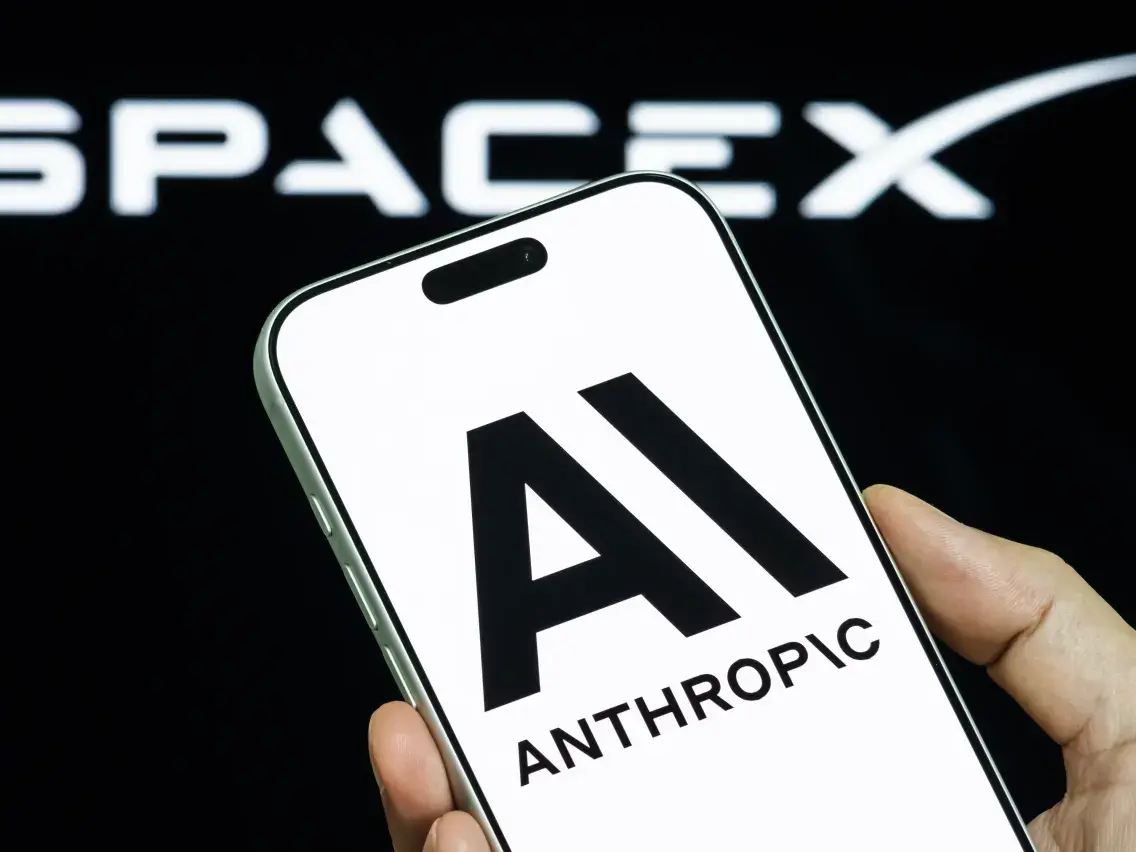
&imwidth=800&imheight=600&format=webp&quality=medium "'AI could kill us...': Anthropic, OpenAI, SpaceXAI, Google face lawsuit over 'agreement' on slowdown")
Amid calls for artificial intelligence (AI) slowdown, a new lawsuit claims Anthropic, OpenAI, SpaceXAI and Google made an illegal deal to slow the pace of their respective AI development. The lawsuit was filed Friday (Sep 20) in the US District Court for the Northern District of California, argues that the leading AI companies violated antitrust laws when they agreed to coordinate slowdown efforts, and that doing so would reduce the value consumers get for paid AI subscriptions. Lawyers representing four named plaintiffs, who pay for subscriptions to ChatGPT, Claude, Grok or Gemini, are bringing the lawsuit on behalf of a proposed nationwide class of other paid subscribers to those services.
The coordination largely took place on Sept. 12, the lawsuit argues, when Anthropic CEO Dario Amodei published an essay urging for industrywide cooperation on decelerating advancements in favor of enhanced safety measures. That same day, OpenAI CEO Sam Altman, SpaceXAI CEO Elon Musk and Google DeepMind’s co-founder and chair Demis Hassabis each publicly responded to Amodei’s proposals in agreement.
But the lawsuit also alleges that the coordination began to take shape months earlier. It points to a statement from July 2026 that high-ranking employees from several of the leading AI labs signed that acknowledged the “intense competitive pressure not to unilaterally slow” development. That statement called on the government to support a global effort to slow automated AI development. It is clear that an agreement among the chief rivals in AI that their progress “should be slower than competition would otherwise produce has an anticompetitive effect on consumers,” the plaintiffs argue.

The plaintiffs don’t object to the companies individually deciding to slow their own progress in favor of safety. They instead argue in the complaint that antitrust laws forbid them from taking the “shortcut” of agreeing to “substitute collective restraint for individual accountability.” A competitive market allows for responsibility and genuine progress, the lawsuit argues. “AI will quickly spin out of human control and could kill us all if we allow AI safety and protocol ... to be controlled by private self-serving agreements between the world’s most powerful ‘for profit’ technology companies,” said Nick Rowley, the lead attorney for the plaintiffs.
Also Read: 'Nobody knows if it can be in control': ‘Godfather’ of AI, China spy chief back AI slowdown calls
Trump criticised calls to slow AI
Trending Stories
)
Nigeria: Protesters take to the streets, police fire shots
)
US-Iran war: Tehran draws red lines — seven demands before any peace talks
)
Russia-Europe tensions: Polish PM warns Russian attacks could test NATO's unity
&im=FitAndFill=(700,400))
‘Not the US or China’: These are the countries leading the world in arable land
)
Mark Carney mimics Trump in hilarious moment over C$70 billion clean-energy investment; room erupts in laughter
)
Pentagon revives mandatory testosterone testing for male troops aged 30 and above
)
FACT CHECK: Why did PM Modi ask Xi ‘is it okay’ at BRICS Summit? New video reveals...
)
Trump defends AI amid growing alarm, announces new 'AI force' and promises an 'AI czar'
)
Iran sets 7 conditions to end war with US: What are Tehran’s demands?
)
Trump announces ‘AI Force’ as debate grows over AI risks and regulation
)
China may have gained access to US's classified F-35 jets; parts meant for repairs diverted to Hong Kong, sparking Pentagon inquiry
)
Gaza under attack: Health chief's son killed in IDF strikes
)
Arvind Kejriwal, family members, Delhi CM Rekha Gupta get SIR notices
)
Cochin shipyard starts building Indian Navy's next-gen missile vessels
)
Saudi vs Houthis: Houthis claim missiles & drones used in attack on key Saudi sites
)
Russia extends ban on Western food imports for two more years in extended sanctions countermeasure
)
Ed Sheeran addresses Macklemore's removal, Gaza conflict during Philadelphia concert: 'I cannot hide how I feel'
)
Brigitte Bardot’s private collection set for Paris auction; key items and prices revealed
)
How did an Australian river with 500 crocodiles pass the Olympic test? Here's how
)
‘Will go to any extent’: Pakistan vows to defend Saudi Arabia amid Houthi attacks
&im=FitAndFill=(700,400))
Ananya Panday to Sharvari: 5 actresses serving major princess vibes
66 years of the Indus Waters Treaty: How India and Pakistan settled a bitter river dispute
)
The Verdict | When precision fails: US commits war crime in Minab school strike, UN finds
)
9 women found dead near Johannesburg: South Africans rally, demand 'enough' to femicide
)
Trump wants to rename ‘Artificial Intelligence’, gives 3 options: Which one would you pick?
)
Reacher star Alan Ritchson opens up about alleged blackmail, suicide attempt during difficult period
)
Africa is splitting, and a lot sooner than estimated, giving way to a new ocean
)
Flying cars in UAE: Ras Al Khaimah signs deal with Chinese company to test new transport
)
Trump bans CNN, MS NOW and Politico from White House over ‘FAKE NEWS’
)
Trump 2.0: Dark days ahead for America’s ‘imperial presidency’
&im=FitAndFill=(700,400))
How many F-35s does Britain, Japan and Israel have?
)
Harry Brook targets long reign at top of T20I rankings after Sri Lanka sweep
)
Russia holds first parliamentary elections since the beginning of the Ukraine war
&im=FitAndFill=(700,400))
Meet top 5 Indian batters with fastest T20I centuries
)
Raphinha hat-trick powers Barcelona to 3-1 win over Sevilla in La Liga
)
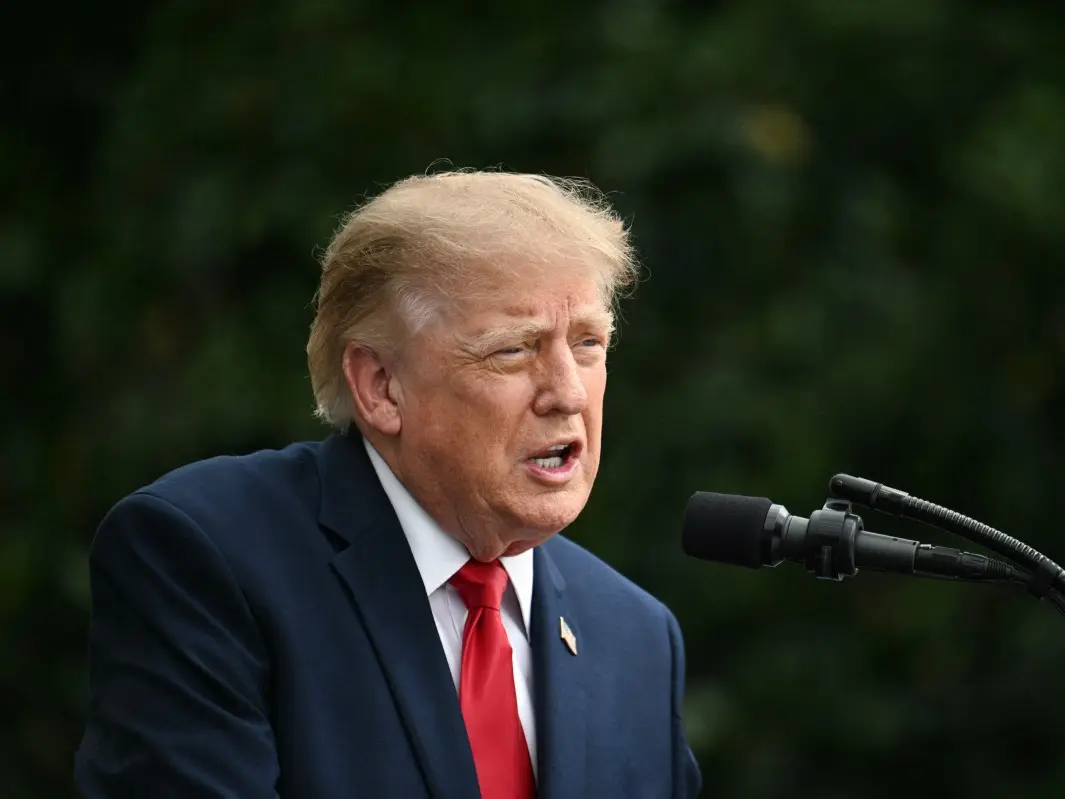
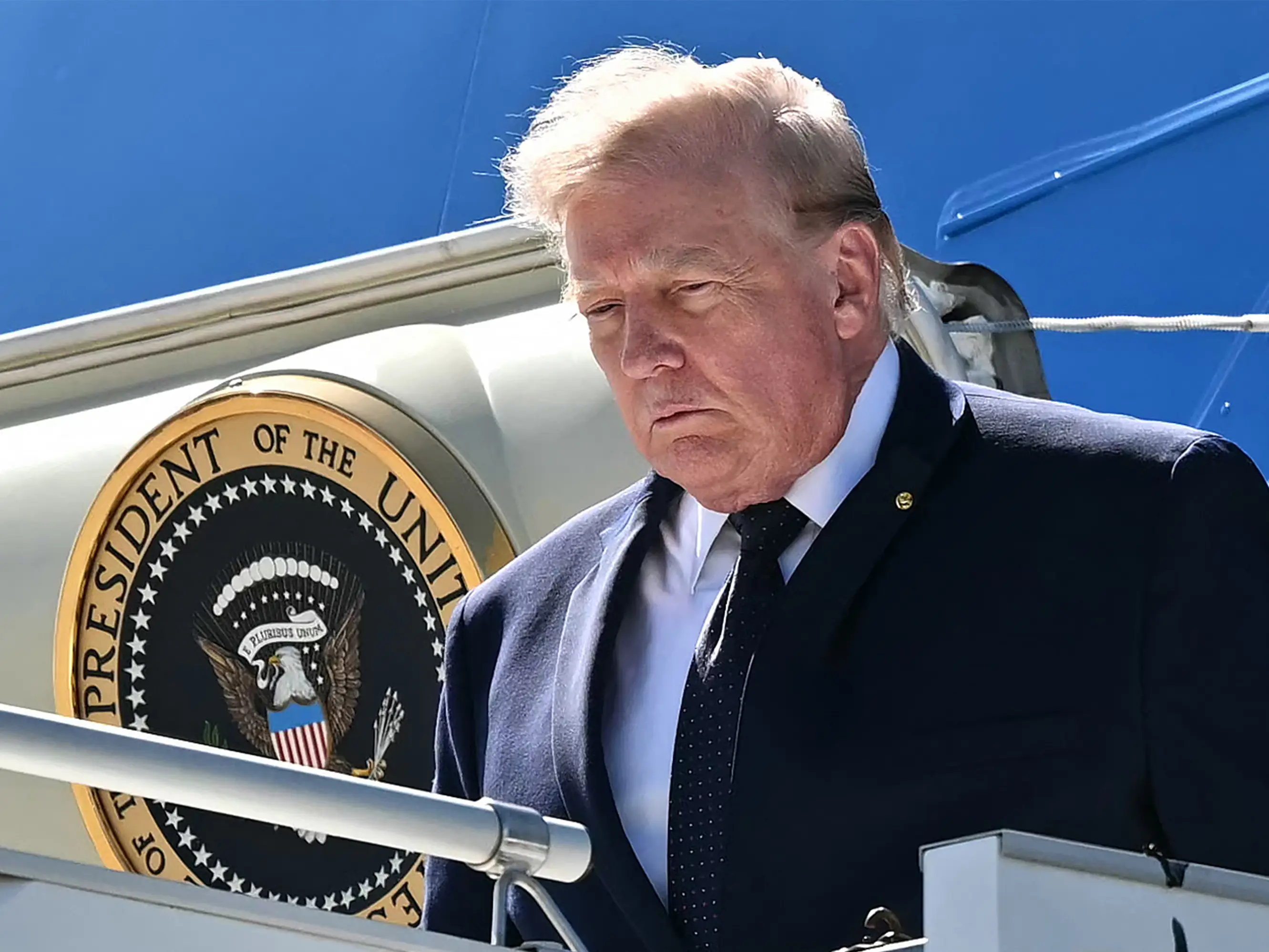
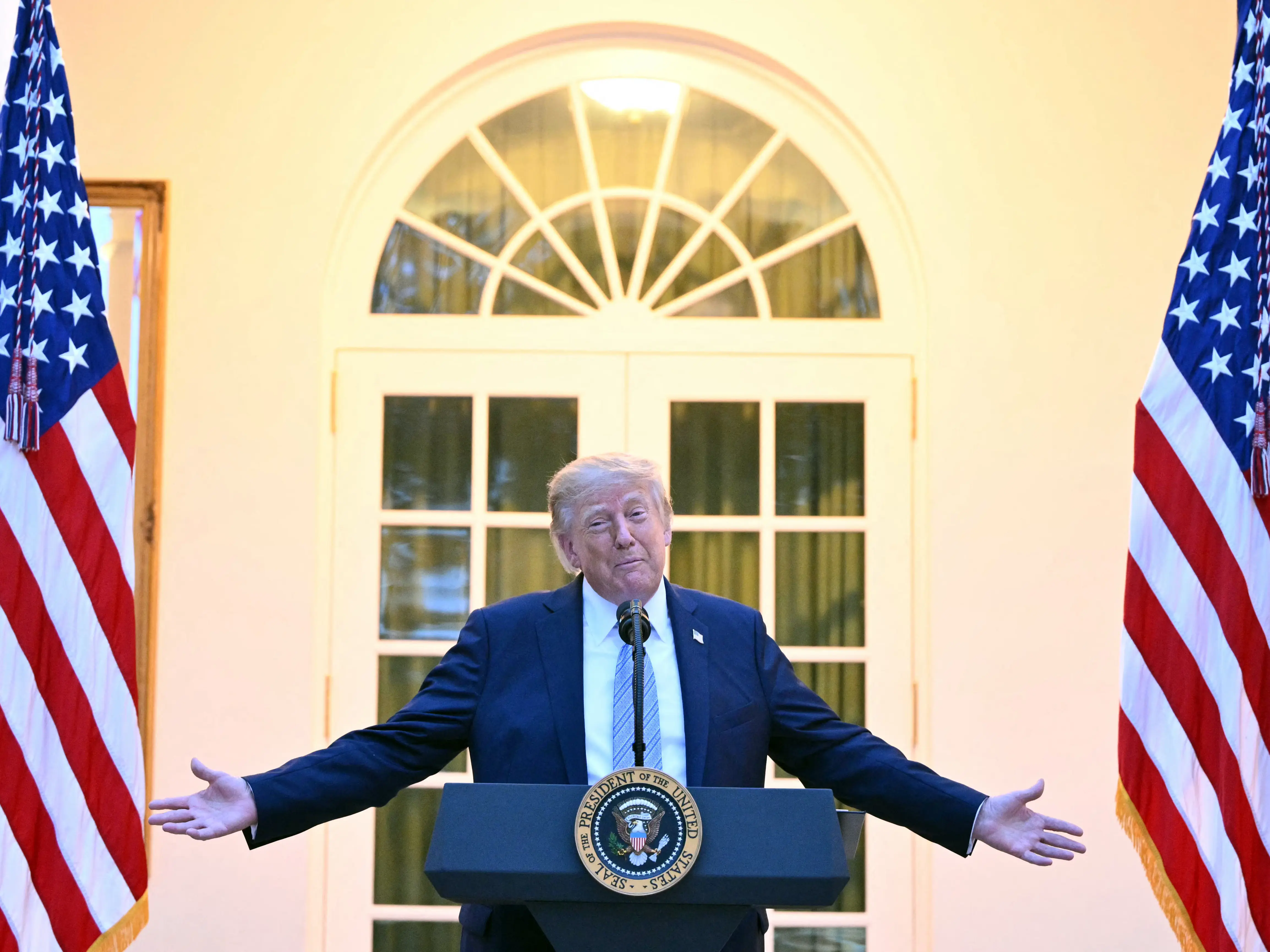
US President Donald Trump and China downplayed the concerns. While Trump called it a “hoax” like climate change, China called it “fearmongering.” Trump went on to declare “whoever wins AI, wins,” Trump told reporters at his golf club in Doonbeg, Ireland, ”We can put guardrails, and we can do this and that, but I think you have a lot of negative forces that are bringing it up and they’re bringing up things that won’t happen,” he added. “The only “guardrails” that AI needed were a “STRONG AND SMART” president,” he opined on Truth Social. Meanwhile, China’s ministry of foreign affairs said that all parties should work together on AI. “Fearmongering, confrontation and vicious competition will only disrupt the process of global AI governance, which serves no one’s interest,” spokesperson Guo Jiakun said at a press conference on Monday. The debate around AI was reignited after Anthropic CEO Dario Amodei proposed a three-part plan aimed at controlling the pace of frontier AI development. He argued that AI systems were becoming capable of helping create more advanced models, raising concerns about how quickly the technology could progress.

