After Strait of Hormuz, Red Sea is next? How Houthis entry into Iran war has worsened the conflict

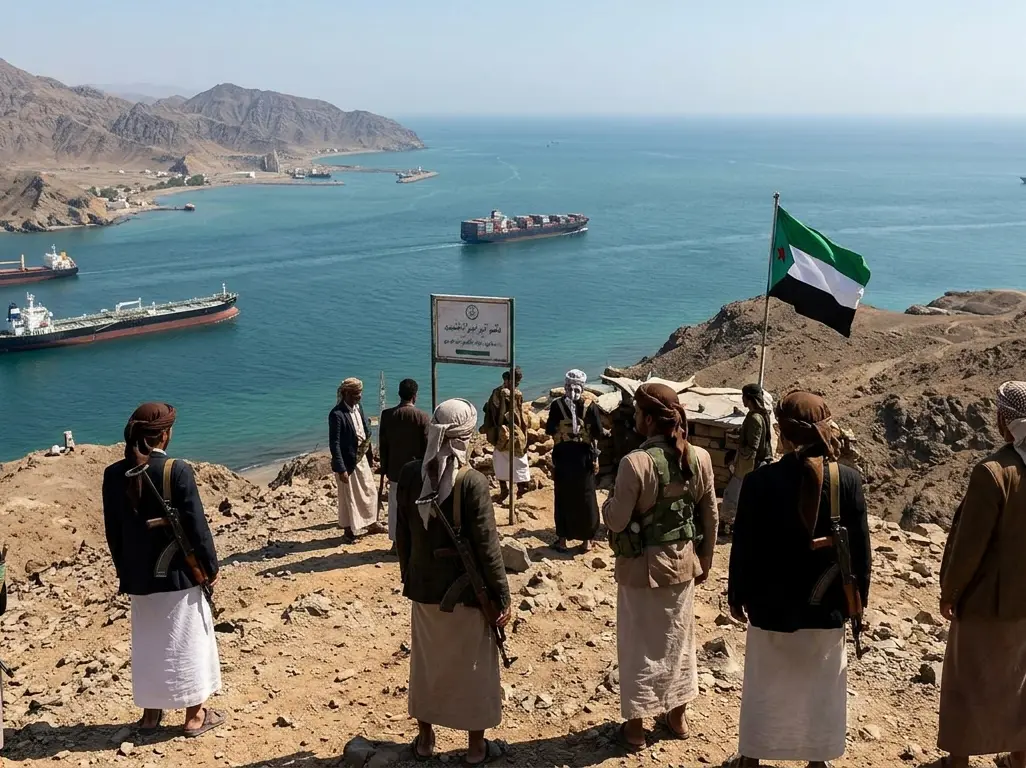&imwidth=600&imheight=450&format=webp&quality=medium "After Strait of Hormuz, Red Sea is next? How Houthis entry into Iran war has worsened the conflict")
An AI-generated image for representation Photograph: (AI)
The Houthis' entry into the conflict threatens the Red Sea, potentially choking the only major alternative to the already disrupted Strait of Hormuz and endangering global energy security.
The widening conflict in West Asia is now threatening to choke two of the world’s most critical oil transit routes, raising fears of prolonged disruption to global energy supplies and trade. After a wave of attacks on commercial shipping this month effectively curtailed tanker movement through the Strait of Hormuz, oil producers have been scrambling to find alternative routes to move crude to international markets. The strait, a vital artery for global oil flows, has seen traffic plummet amid escalating hostilities, sending shockwaves through energy markets.
One of the few viable alternatives has been the Red Sea. In response, Saudi Aramco, the world’s largest oil producer, announced plans to reroute millions of barrels of crude via a pipeline to its western port of Yanbu. The shift has already led to a sharp rise in activity, with daily oil loadings at the port more than doubling compared to last year’s average, according to analytics firm Kpler. However, this alternative corridor is increasingly under threat.
The Red Sea has been a flashpoint since late 2023, when Iran-backed Houthi militants began targeting commercial vessels in what they described as retaliation for Israel’s war against Hamas. Those attacks forced major shipping companies to avoid the route altogether, instead diverting vessels around the southern tip of Africa, a detour that adds weeks to transit times and significantly raises fuel, insurance and labour costs.
Now, with the Houthis formally entering the broader Iran-linked conflict, concerns are mounting that the Red Sea could face a renewed and intensified wave of attacks. Maritime security risks in the region were already elevated before the latest escalation.
Earlier this month, the United Kingdom Maritime Trade Operations warned that the threat level in the Red Sea remained “substantial,” citing the “continued hostile posture” of Houthi forces toward commercial shipping.
Trending Stories
&imwidth=280&imheight=210&format=webp&quality=medium)
&imwidth=280&imheight=210&format=webp&quality=medium)
&imwidth=280&imheight=210&format=webp&quality=medium)
&imwidth=280&imheight=210&format=webp&quality=medium)
&imwidth=280&imheight=210&format=webp&quality=medium)
&imwidth=280&imheight=210&format=webp&quality=medium)
&imwidth=280&imheight=210&format=webp&quality=medium)
&imwidth=280&imheight=210&format=webp&quality=medium)
&imwidth=280&imheight=210&format=webp&quality=medium)
&imwidth=280&imheight=210&format=webp&quality=medium)
&imwidth=280&imheight=210&format=webp&quality=medium)
&imwidth=280&imheight=210&format=webp&quality=medium)
&imwidth=280&imheight=210&format=webp&quality=medium)
&imwidth=280&imheight=210&format=webp&quality=medium)
&imwidth=280&imheight=210&format=webp&quality=medium)
&imwidth=280&imheight=210&format=webp&quality=medium)
&imwidth=280&imheight=210&format=webp&quality=medium)
&imwidth=280&imheight=210&format=webp&quality=medium)
&imwidth=280&imheight=210&format=webp&quality=medium)
&imwidth=280&imheight=210&format=webp&quality=medium)
&im=FitAndFill=(700,400)&imwidth=280&imheight=210&format=webp&quality=medium)
&imwidth=280&imheight=210&format=webp&quality=medium)
&imwidth=280&imheight=210&format=webp&quality=medium)
&imwidth=280&imheight=210&format=webp&quality=medium)
&im=FitAndFill=(700,400)&imwidth=280&imheight=210&format=webp&quality=medium)
&imwidth=280&imheight=210&format=webp&quality=medium)
&imwidth=280&imheight=210&format=webp&quality=medium)
&im=FitAndFill=(700,400)&imwidth=280&imheight=210&format=webp&quality=medium)
&imwidth=280&imheight=210&format=webp&quality=medium)
&imwidth=280&imheight=210&format=webp&quality=medium)
&im=FitAndFill=(700,400)&imwidth=280&imheight=210&format=webp&quality=medium)
&imwidth=280&imheight=210&format=webp&quality=medium)
&imwidth=280&imheight=210&format=webp&quality=medium)
&imwidth=280&imheight=210&format=webp&quality=medium)
&imwidth=280&imheight=210&format=webp&quality=medium)
&imwidth=280&imheight=210&format=webp&quality=medium)
The convergence of risks in both the Strait of Hormuz and the Red Sea, two critical chokepoints for global energy trade, underscores how the expanding conflict is amplifying economic fallout far beyond the immediate region. Analysts warn that sustained disruptions could tighten oil supplies, drive up prices and further strain global supply chains already under pressure.

