

&imwidth=800&imheight=600&format=webp&quality=medium "Activist claims rebels control 85% of Balochistan, fresh setback for Pakistan")
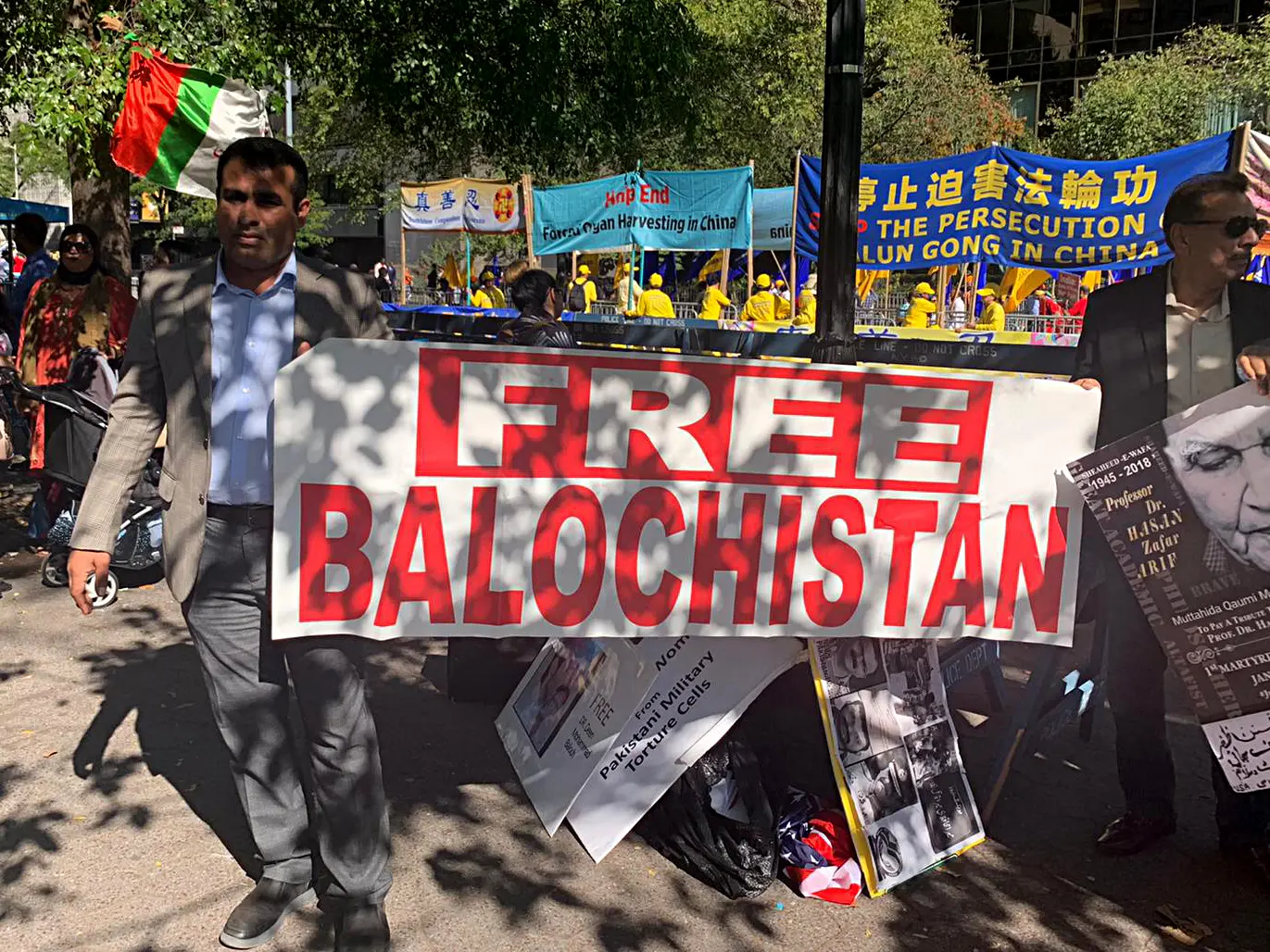
Balochistan is facing a seminal moment. Despite all attempts by Pak army chief Asim Munir's forces to crush dissenting voices, the unrest is showing no signs of slowing down.
A prominent human rights activist has now declared that Pakistan has lost control over the majority of Balochistan.
Mir Yar Baloch, who had proclaimed the independence of Balochistan last year, claimed that rebel forces controlled 85% of the province's territory. He also added that Balochistan had adopted its own national anthem, national flag and currency.
This is not all.
According to him, the rebels also control Balochistan's gold and copper mines, over 150 gas fields and 1,200 coal mines.
Calling upon the world to recognise Balochistan's independence, he asserted that 5,00,000 personnel are ready to throw out Pakistani forces from the province by the end of 2026.
Trending Stories
&imwidth=180&imheight=135&format=webp&quality=medium)
Pakistan to head IMF, World Bank boards after 74 years amid persistent economic crisis
&imwidth=180&imheight=135&format=webp&quality=medium)
IND-W vs ZIM-W, 1st T20I: Deepti Sharma, Niki Prasad shine as India beat Zimbabwe by four wickets
&imwidth=180&imheight=135&format=webp&quality=medium)
US midterms 2026: Ken Paxton may have Elon Musk to thank if he wins the Texas Senate race. Here's why
&imwidth=180&imheight=135&format=webp&quality=medium)
Trump invokes national interest to waive new Russia sanctions, tariffs; India gets relief from 100% tariff threat
&imwidth=180&imheight=135&format=webp&quality=medium)
Ankita Bhandari murder case: Parents meet CBI, seek impartial investigation
&imwidth=180&imheight=135&format=webp&quality=medium)
Lizard people? Ex-US Army sniper claims soldier killed by 'reptilian beings' in battle near Area 51
&imwidth=180&imheight=135&format=webp&quality=medium)
Gravitas | Iran threatens to hit key bridges in 7 countries if US resumes strikes
&imwidth=180&imheight=135&format=webp&quality=medium)
Ukraine drone strike disrupts 22 Russian airports, over 200 flights

Not Khan but Pal: Why did Imran Khan choose his mother's surname over his father's? Family tree explained
&imwidth=180&imheight=135&format=webp&quality=medium)
A secret code, a midnight escape and 300 deaths: The Russian officer who turned on Putin
&imwidth=180&imheight=135&format=webp&quality=medium)
'Reason UN has lost credibility': Amid SIR protests India hits out at report alleging 'youth repression'
&imwidth=180&imheight=135&format=webp&quality=medium)
‘My president, I mean my husband’: Trump's new press secretary Katie Zacharia's first briefing goes off the rails in 14 minutes
&imwidth=180&imheight=135&format=webp&quality=medium)
China responds to Trump's Press Secretary Katie Zacharia after toilet remark: 'Visit China more often'
&imwidth=180&imheight=135&format=webp&quality=medium)
COVID-19 pandemic led to increase in divorce cases, observes Madras High Court
&im=FitAndFill=(700,400)&imwidth=180&imheight=135&format=webp&quality=medium)
Who left the White House podium the fastest? Press secretaries with the shortest stints
&imwidth=180&imheight=135&format=webp&quality=medium)
Vijay Deverakonda and Rashmika Mandanna's Ranabaali X Review: Netizens call it history-rich but overstuffed
&imwidth=180&imheight=135&format=webp&quality=medium)
Ramayana Part 1: Sai Pallavi's warrior avatar as Sita steals the spotlight in new BTS footage
&imwidth=180&imheight=135&format=webp&quality=medium)
Israel examines Russia's Shahed-type drones sent by Ukraine to combat Iran | Gravitas
&imwidth=180&imheight=135&format=webp&quality=medium)
US midterms 2026: Alexandria Ocasio-Cortez donates $1 million to Abdul El-Sayed’s as Michigan race heats up
&imwidth=180&imheight=135&format=webp&quality=medium)
Infiltration bid foiled in Kupwara’s Keran sector, search operation underway
&imwidth=180&imheight=135&format=webp&quality=medium)
Here’s who is eyeing the White House press secretary role after Katie Zacharia’s exit
&imwidth=180&imheight=135&format=webp&quality=medium)
Sean ‘Diddy’ Combs transferred to new prison amid reports of special privileges
&imwidth=180&imheight=135&format=webp&quality=medium)
Abhishek Sharma sets all-time record for most T20I sixes in a year
&imwidth=180&imheight=135&format=webp&quality=medium)
No Ravindra Jadeja, Yashasvi Jaiswal in India’s 2027 ODI World Cup plans: Report
&im=FitAndFill=(700,400)&imwidth=180&imheight=135&format=webp&quality=medium)
Inside Tesla's Roadster: 10 features of Elon Musk's 'flying car' that push the limits of electric vehicles | In Pics
&imwidth=180&imheight=135&format=webp&quality=medium)
India’s naval priorities: Ex-Navy Chief calls for third aircraft carrier, more warships and submarines
&im=FitAndFill=(700,400)&imwidth=180&imheight=135&format=webp&quality=medium)
New Friday OTT releases (October 16, 2026): DC, Sacrifice, Aasha- 6 new movies and TV shows coming on Netflix, Zee 5, Prime Video and more
&imwidth=180&imheight=135&format=webp&quality=medium)
One species, two lineages: Why Sri Lanka’s spectacled cobra differs genetically from Indian variant
&imwidth=180&imheight=135&format=webp&quality=medium)
Oil tanker carrying over 2M barrels of crude hits mine in Strait of Hormuz, catches fire, says Iran
&imwidth=180&imheight=135&format=webp&quality=medium)
Selma Blair’s team responds to flight incident, says actress ‘did not intend to harm anyone’
&imwidth=180&imheight=135&format=webp&quality=medium)
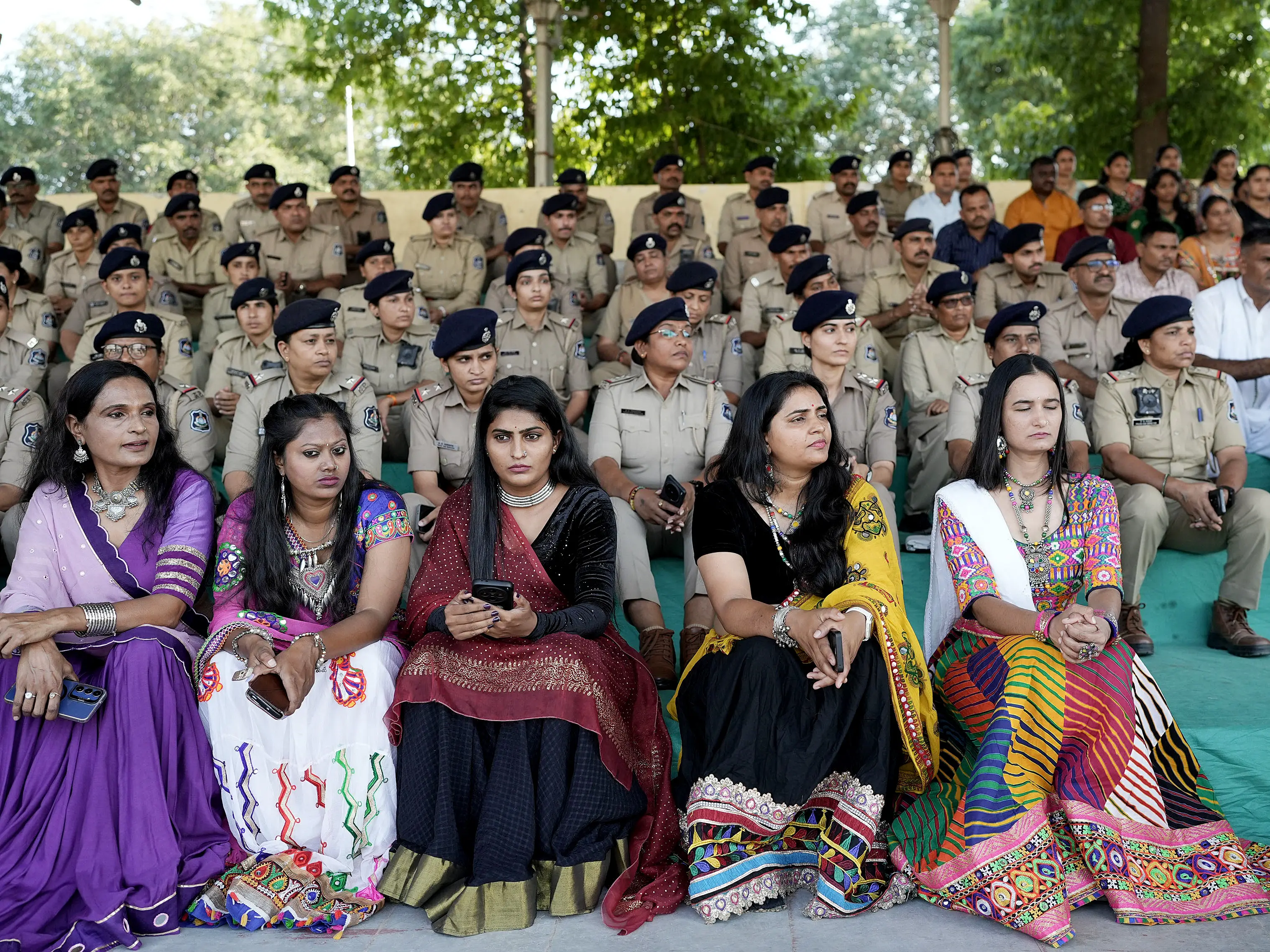
'We feel like Mr India': Gujarat’s undercover SHE team guard garba nights at Navratri

US ends automatic work permit extensions; Indian workers lose 540-day safety net: What it means
&imwidth=180&imheight=135&format=webp&quality=medium)
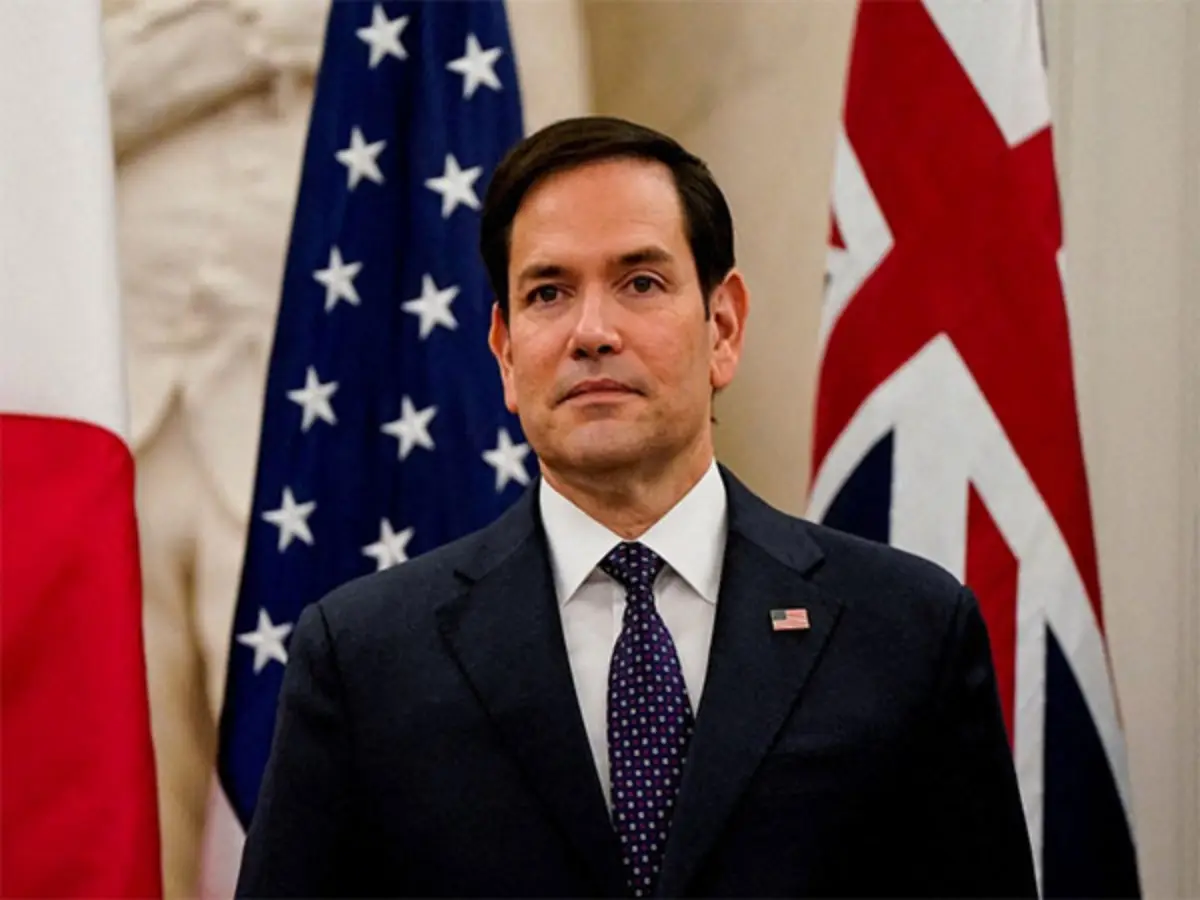
US lawmaker Pramila Jaypal writes to Rubio, urges to raise handling of CJP protest with India
This comes at a time when Balochistan remains on the boil.
Last week, the Pakistani military revealed that at least 42 persons, most of whom were security personnel, were killed in three attacks by Baloch insurgents.
In subsequent operations, Pakistani forces claimed to have killed 121 militants.
Earlier, Jamiat Ulema-e-Islam chief and veteran member of parliament Fazlur Rehman also admitted that Pakistan had lost its grip over Balochistan.
Maulana Fazlur Rehman said, "In Balochistan and Baloch areas, there were rebellions. The entire Baloch area had slipped out of Pakistan's control. Even today, the Pakistani government has no writ in Balochistan."
While Balochistan's quest for freedom dates back to the inception of Pakistan, Islamabad has intensified its crackdown in the last few decades.
The killing of Nawab Akbar Bugti, a former chief minister and governor, in 2006 further fueled the uprising against the Pakistani state.
Enforced disappearances of Baloch people have become an international issue.
Dr. Mahrang Baloch, who was at the forefront of raising such issues, was recently sentenced to life imprisonment.
This provoked global outrage, with UN human rights experts dubbing this a "travesty of justice" and an attempt to suppress peaceful protests.
This year itself, Balochistan witnessed 334 incidents of killing.
According to the South Asia Terrorism Portal, 288 civilians and 520 security personnel have lost their lives. On the other hand, over 570 militants have been killed.
Now, Pakistan has long struggled to contain the activities of the Baloch rebels, who are seeking independence for Balochistan from the country.
In May, over 30 people were killed after a suicide bomber rammed an explosive-laden car into a train in Quetta, which was carrying Pakistani security personnel and their families.
In January this year, the Baloch Liberation Army or BLA launched Operation Hereof by launching simultaneous attacks in 10 cities, including Quetta, and claimed to have killed two hundred and twenty security personnel.
A month later, it claimed to have captured 17 Pakistani soldiers and executed seven of them.
The biggest blow to Munir's forces came last year though, when BLA hijacked the passenger train Jaffar Express going from Quetta to Peshawar.
Back then, it reportedly took two hundred and fourteen people, including military personnel, hostage for close to thirty hours.
While the authorities highlighted that 18 soldiers and paramilitary personnel were killed and over 340 passengers were freed, BLA said that its fighters executed all hostages, as Pakistan didn't agree to a prisoner exchange.
Meanwhile, as Munir's forces continue its crackdown on peaceful protesters in Pakistan-occupied Kashmir, India urged the international community to hold Pakistan fully accountable for its egregious abuses and misdeeds.
MEA spokesperson Randhir Jaiswal said, "The ongoing protests in Pakistan-occupied Jammu and Kashmir are a direct consequence of Pakistan's decades-long systemic exploitation, denial of fundamental rights and administrative operation in areas under its illegal and forcible occupation.
Rather than addressing the legitimate grievances of the local population, the Pakistani state has responded with excessive police brutality."
Even as turbulence is growing in Balochistan and PoK, Munir's actions so far suggest that there is little likelihood of any change in its approach towards upholding the democratic rights of people.