200 Yemen rebels to be freed amid peace push: Saudi-led coalition


'Happy I can choose': New era sees Saudi women light up in public
ASaudi-ledmilitarycoalitionsaid Tuesday it will release200Yemenirebelsand permit some flights from the insurgent-held capital Sanaa, as efforts to end the nearly five-year conflict gain momentum.
The initiatives coincide with a lull in Huthi attacks on Saudi Arabia and come after a senior official in Riyadh this month said it had an "open channel" with the Iran-alignedrebels.
Patients needing medical care will be allowed to be flown out of Sanaa airport, which has been closed to commercial flights since 2016,coalitionspokesman Turki al-Maliki said in a statement released by the official Saudi Press Agency.

Thecoalitionhas decided "to release200prisoners of the Huthi militia" and will facilitate flights from Sanaa for "people in need of medical care" in cooperation with the World Health Organisation, the statement added.
The decision was hailed by the Huthis, with senior leader Mohammed Ali al-Huthi calling for a "mass reception" to welcome the releasedrebels.
"We welcome thecoalitiondecision... (and) call for them to end torture and abuse until all detainees and prisoners are freed," al-Huthi, a senior figure in therebels' political leadership, said on Twitter.
)
Infections transmitted from pregnant woman linked to autism risk
)
Trump signs Greenland security deal with Denmark, paving way for two new US military bases
)
81st UN General Assembly: Burnham announces UK-US AI defence tie-up
)
El Niño 2026 heats up to become strongest in 1,000 years
)
China to test supersonic jet that moves at Mach 2, double the speed of sound
)
Bomb scare in New York amid UNGA: Suspicious suitcase found near UN headquarters
&im=FitAndFill=(700,400))
National Film Awards 2026: Kartik Aaryan, Mammootty, Yami Gautam, Randeep Hooda and other key winners
)
ICC plans T20I expansion and fewer ODIs in 2027–2031 FTP cycle: Report
)
Cyclone Arnab: Landfall expected before midnight tomorrow as IMD issues orange alerts across six states
)
Nor'easter could batter 13 US states this week. What you should know
)
Elephants hide behind trees, stage surprise attack on poachers targeting rhinos in South Africa
)
Four female students raped during 'Red Zone' at California university. What we know
)
Asia prepares for record El Nino, food shock
)
'What kind of confession is this?': Pakistan PM Shehbaz Sharif’s 'terrorists would be roaming New York' remark goes viral, raises alarm online. Watch
)
US-China tech war: Businesses in the front line
)
Forget apps: Qualcomm CEO says AI agents will change how we use smartphones
)
IIT Bombay professor Suryanarayana Doolla sent on leave amid Sahil Wakode death probe
)
IND vs JPN T20I: How an overturned wide became point of difference between India's win and a tie
)
Mikel Arteta verbally agrees to three-year extension with Arsenal after title-winning Premier League season
)
Gravitas | Boosting NHS productivity could save 20,600 lives in UK annually: Report
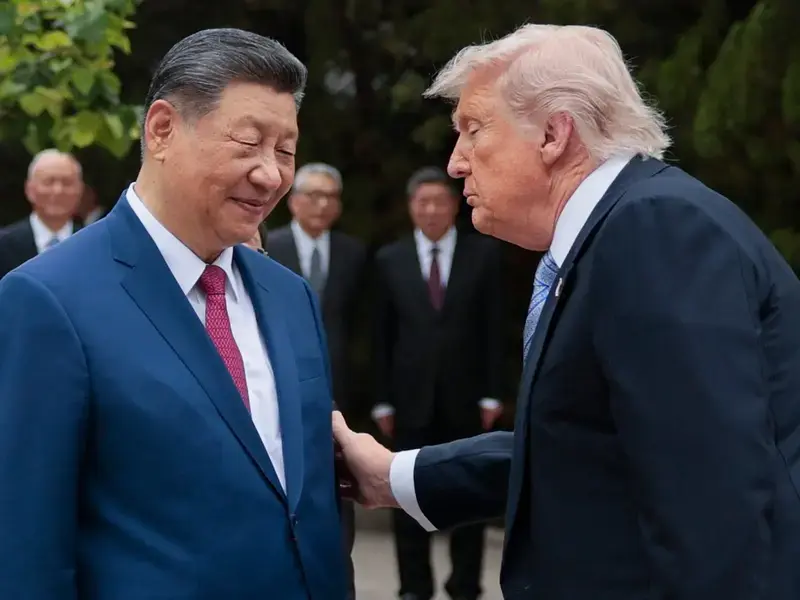)
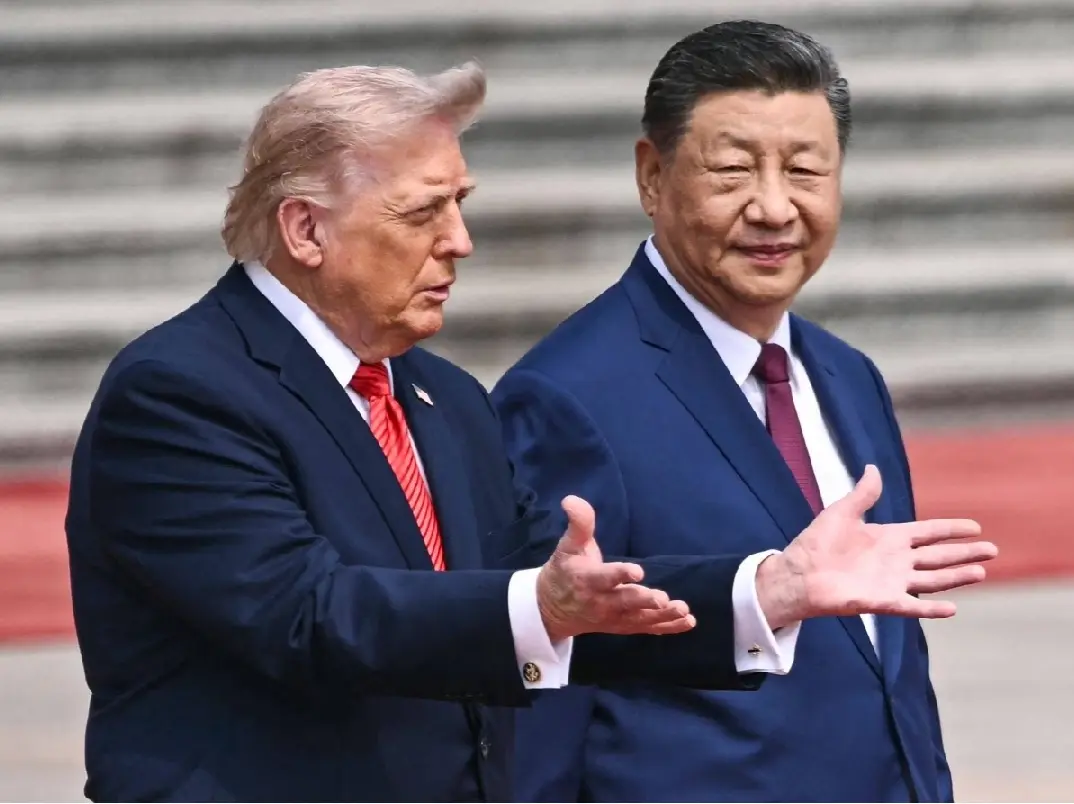
Trump-Xi summit: From trade to Taiwan, what will the US and Chinese presidents discuss in Washington?
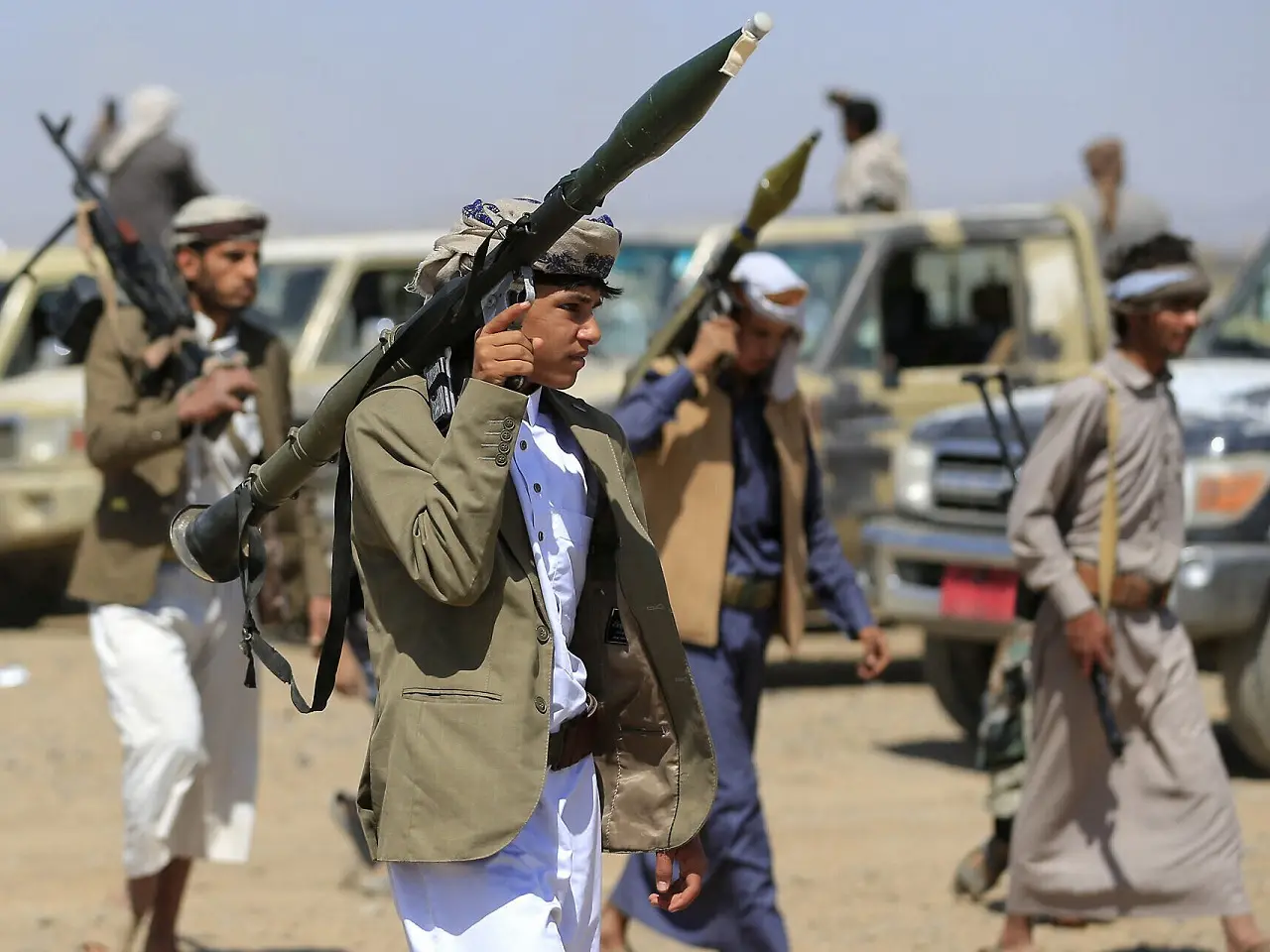)
Yemen clashes kill 154 people in two days as cornered Saudi battles Houthi offensive | Gravitas
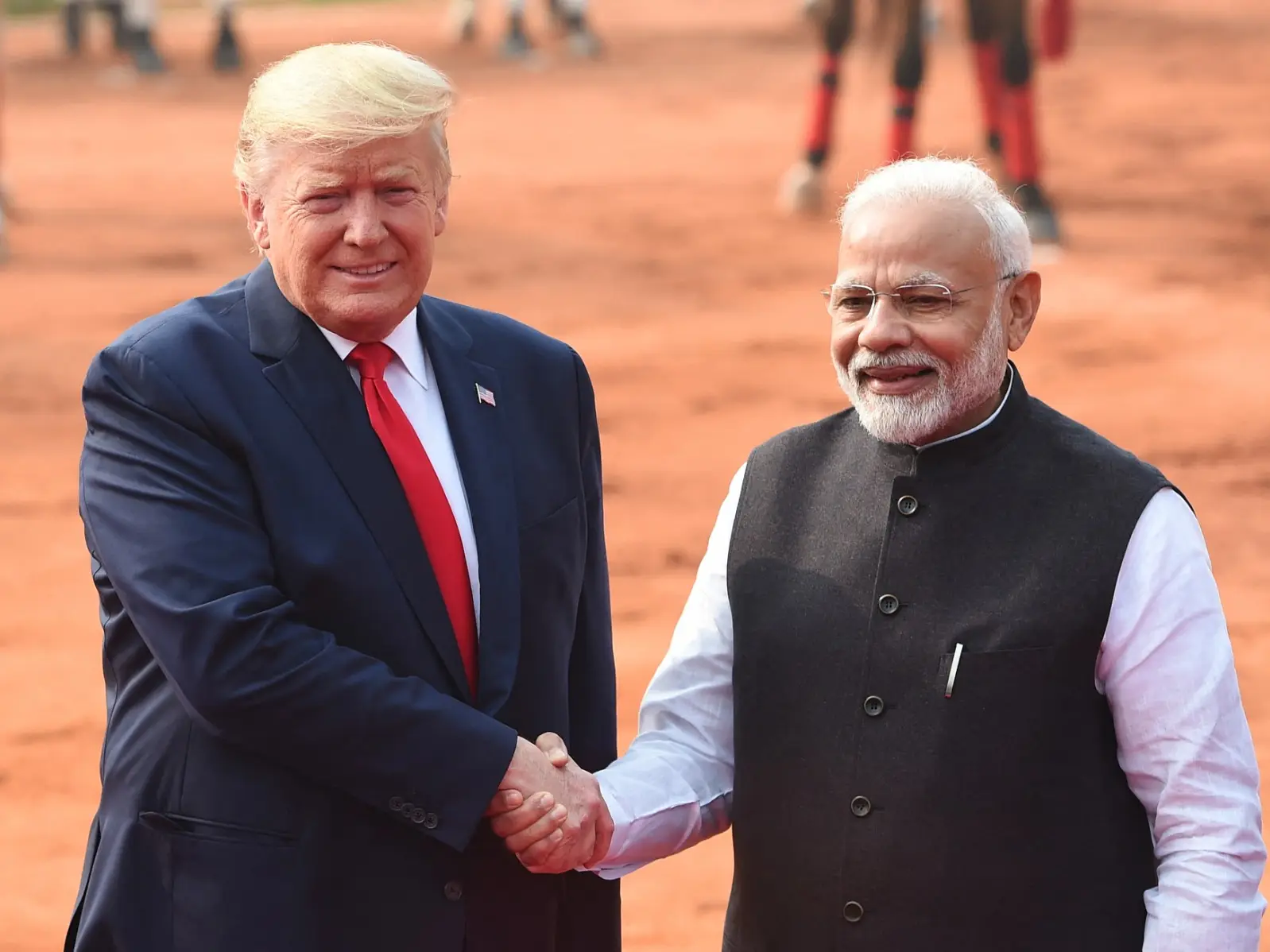)
Trump revives India-Middle East-Europe economic corridor as India emerges central to West Asia’s future: What is it?
)
US and China vie for AI dominance as calls grow for regulation | Gravitas
)
Anne Hathaway to run in supporting race for Nolan's epic
)
Over 4,200 books withdrawn from circulation in J&K colleges, 94% from Kashmir
)
Major League Soccer referee sacked for sexist comment about female match referee
&im=FitAndFill=(700,400))
New OTT releases this week (September 21-27, 2026): Shaque: Trust No One, Hunkkaar, Don’t Be Shy- 5 new titles coming to Netflix, Prime Video and more
)
Justice eludes Air India 1985 bombing victims as Canada probe goes 'inactive' | Gravitas
)
Explainer: Why rare-earth export licences and Board of Trade are US priorities ahead of Trump-Xi summit
)
WION Iconic Tourism Summit: Seychelles envoy says India partnership is important for Seychelles
)
WION Iconic Tourism Summit and Iconic Awards 2026: India's travel economy leaders gather in Delhi
)
IND vs JPN, one-off T20I: Japan captain Kendel on pushing India to the brink - ‘It was special’
)
From Gaddafi tearing up UN Charter to Trump’s ‘escalatorgate’: Most unforgettable UNGA moments
)
Erdogan again raises Kashmir issue at UNGA, calls for dialogue under UN Charter
)
Trump calls on nations to quit ‘rogue’ and ‘out-of-control’ International Criminal Court, rips UN
)
WION Iconic Tourism Summit and Awards 2026: Key voices to discuss India’s tourism future
TheSaudi-ledcoalitionlaunched a military intervention inYemenin 2015 in support of the country's internationally recognised government.
It reportedly hoped for a quick win against theHuthis, but instead waded into a quagmire that has cost it billions of dollars and sparked a humanitarian catastrophe that has claimed tens of thousands of lives.
Riyadh now appears buoyed by a power-sharing agreement it brokered earlier this month in a separate conflict betweenYemen's internationally recognised government and southern separatists, which observers said could pave the way for a widerpeacedeal in the multi-faceted war.
Further raising hopes, a senior official in Riyadh subsequently said the Saudis have established an "open channel" with the Huthirebels.
"We don't close our doors with the Huthis," the official, who declined to be named, told reporters.
'Something is changing'
Yemen, in the grip of what the UN has termed the world's worst humanitarian crisis, is widely seen as a proxy battlefront between Sunni powerhouse Saudi Arabia and its Shiite rival Iran.
Tuesday's development "is positive proof that the Saudi-Huthi talks are real and having at least a limited tangible impact," Hussein Ibish, a scholar at the Arab Gulf States Institute in Washington, told AFP.
"This is more bad news for therebels' Iranian backers."
The development follows a lull in recent weeks after a spike in rebel missile and drone attacks over the summer launched from Yemeni territory on Saudi cities.
Last Friday, UN envoy Martin Griffiths said the rate ofcoalitionairstrikes had sharply fallen over the past two weeks, in an apparent sign that "something is changing inYemen".
In a sign of the limits to the new mood, however, air raids on Monday by theSaudi-ledcoalitionkilled eight Huthirebelsnear the key western port of Hodeidah, according to local officials.
Yemen's warring parties agreed under a deal brokered in Sweden last December to exchange 15,000 prisoners, but the accord has not been fully implemented.
Thecoalitionfreed seven Huthi prisoners in January, and therebelsreleased 290coalitionfighters in September.
The Huthis hold Sanaa while theSaudi led-militarycoalitioncontrolsYemen's maritime borders and airspace.
Last year, woundedrebelswere flown out of Sanaa for treatment, in what was seen as a key step ahead of the Decemberpeacetalks.