‘Want credible guarantees’ against future US attacks before ensuring long-term stability in Gulf, says Iran

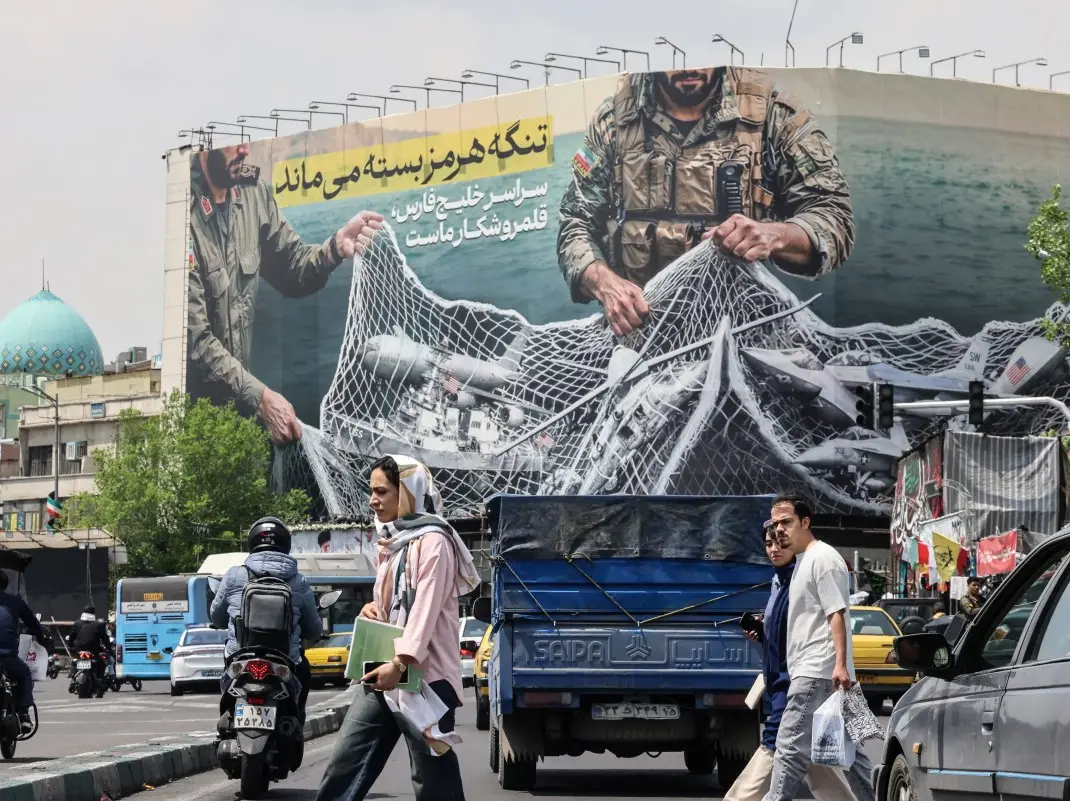&imwidth=600&imheight=450&format=webp&quality=medium "‘Want credible guarantees’ against future US attacks before ensuring long-term stability in Gulf, says Iran")
Image for representation Photograph: (AFP)
Iran demands “credible guarantees” against US-Israeli attacks for Gulf stability, while Foreign Minister Araghchi blames Washington for failed talks. President Trump suggests phone negotiations amid ongoing Strait of Hormuz disputes.
Iran has said it requires “credible guarantees” against further attacks by the US and Israel before it can ensure long-term stability in the Gulf, as tensions in the region continue to escalate. Speaking at a United Nations Security Council session on Monday (April 27), Iran’s ambassador to the UN, Amir Saeid Iravani, stressed that regional security depended on halting aggression against Tehran.
“Lasting stability and security in the Persian Gulf and the wider region can only be achieved through a durable and permanent cessation of aggression against Iran supplemented by credible guarantees of non-recurrence and full respect for the legitimate sovereign rights and interests of Iran,” he said.
Meanwhile, Iran’s foreign minister, Abbas Araghchi, blamed Washington for the breakdown of recent negotiations, saying US demands had derailed progress. Speaking during a visit to St Petersburg, Araghchi said, “The US approaches caused the previous round of negotiations, despite progress, to fail to reach its goals because of the excessive demands.” During the visit, Russian President Vladimir Putin reportedly pledged Moscow’s support in efforts to end the conflict.
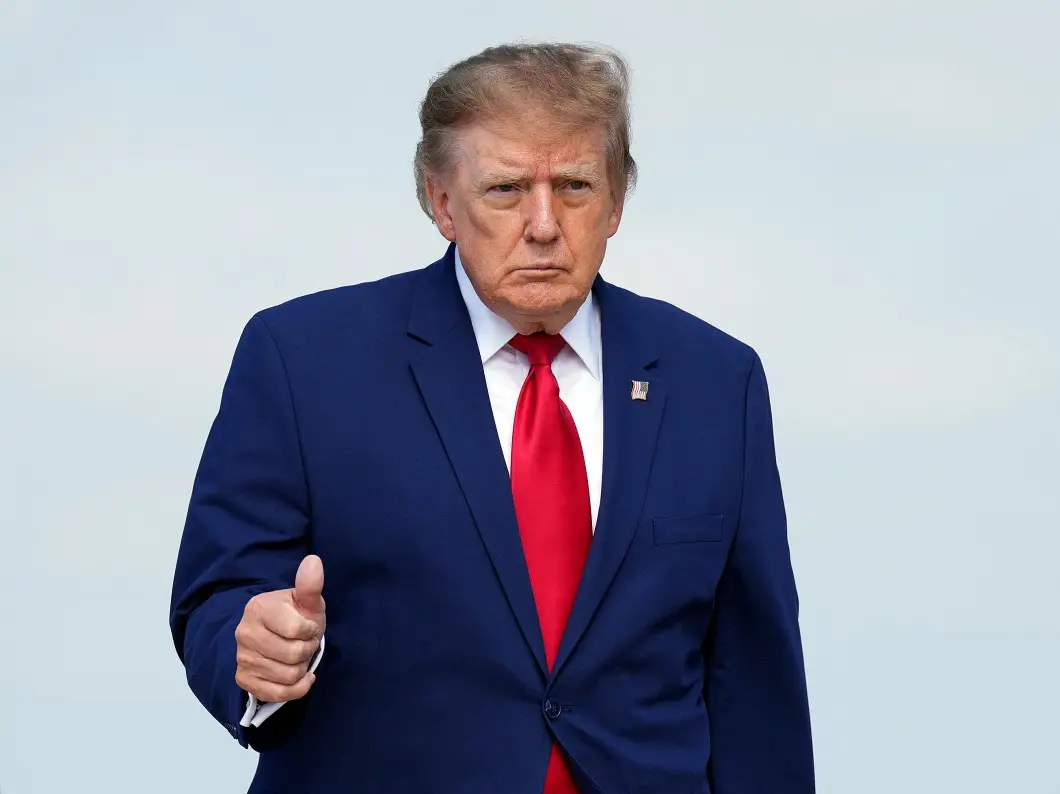
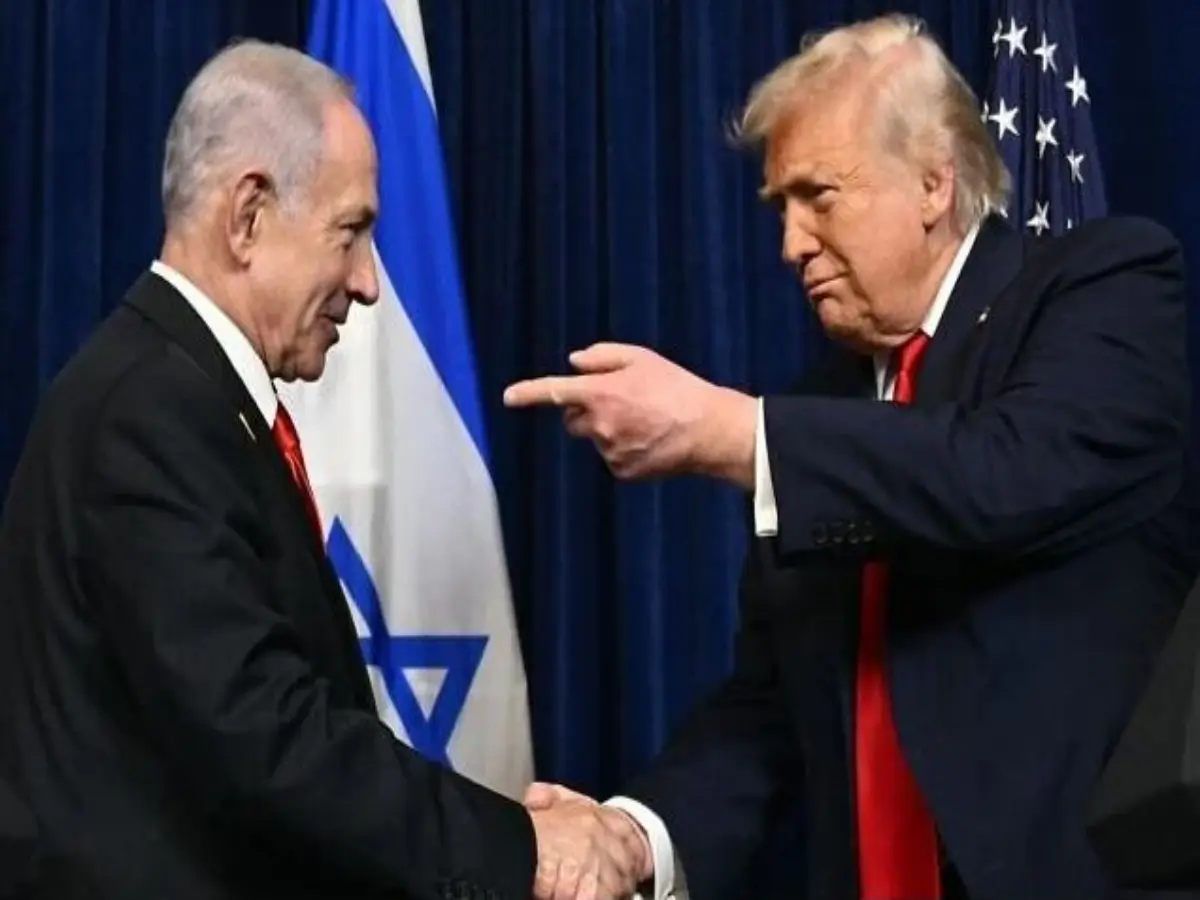
This came after the US President Donald Trump said on Sunday (April 26) that Iran could reopen talks if it wished, telling Fox News, “If they want to talk, they can call us.” He added that his decision to cancel sending envoys to Pakistan over the weekend did not indicate a return to hostilities.
Trending Stories
&imwidth=280&imheight=210&format=webp&quality=medium)
&imwidth=280&imheight=210&format=webp&quality=medium)
&imwidth=280&imheight=210&format=webp&quality=medium)
&imwidth=280&imheight=210&format=webp&quality=medium)
&imwidth=280&imheight=210&format=webp&quality=medium)
&imwidth=280&imheight=210&format=webp&quality=medium)
&imwidth=280&imheight=210&format=webp&quality=medium)
&imwidth=280&imheight=210&format=webp&quality=medium)
&imwidth=280&imheight=210&format=webp&quality=medium)

&imwidth=280&imheight=210&format=webp&quality=medium)
&imwidth=280&imheight=210&format=webp&quality=medium)
&imwidth=280&imheight=210&format=webp&quality=medium)
&imwidth=280&imheight=210&format=webp&quality=medium)
&imwidth=280&imheight=210&format=webp&quality=medium)
&imwidth=280&imheight=210&format=webp&quality=medium)
&imwidth=280&imheight=210&format=webp&quality=medium)
&im=FitAndFill=(700,400)&imwidth=280&imheight=210&format=webp&quality=medium)
&imwidth=280&imheight=210&format=webp&quality=medium)
&imwidth=280&imheight=210&format=webp&quality=medium)
&imwidth=280&imheight=210&format=webp&quality=medium)
&imwidth=280&imheight=210&format=webp&quality=medium)
&imwidth=280&imheight=210&format=webp&quality=medium)
&imwidth=280&imheight=210&format=webp&quality=medium)
&imwidth=280&imheight=210&format=webp&quality=medium)
&im=FitAndFill=(700,400)&imwidth=280&imheight=210&format=webp&quality=medium)
&imwidth=280&imheight=210&format=webp&quality=medium)
&im=FitAndFill=(700,400)&imwidth=280&imheight=210&format=webp&quality=medium)
&imwidth=280&imheight=210&format=webp&quality=medium)

&im=FitAndFill=(700,400)&imwidth=280&imheight=210&format=webp&quality=medium)
&imwidth=280&imheight=210&format=webp&quality=medium)
&imwidth=280&imheight=210&format=webp&quality=medium)
&imwidth=280&imheight=210&format=webp&quality=medium)
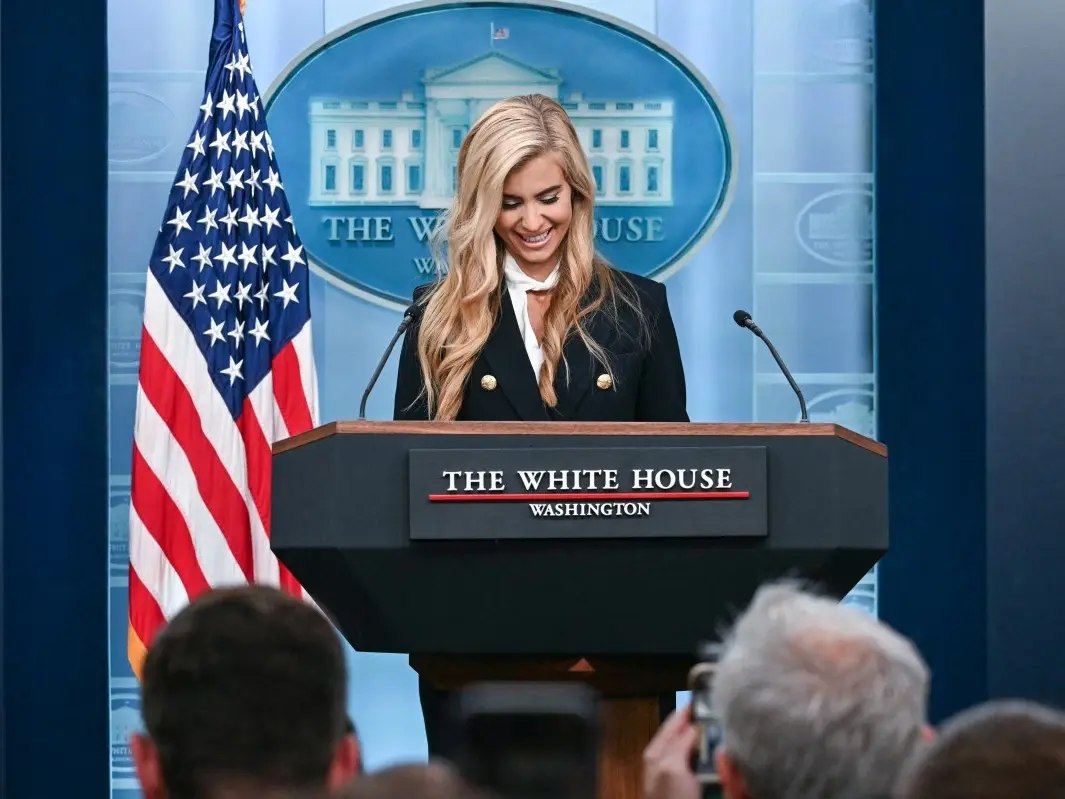
According to Reuters, Trump is dissatisfied with an Iranian proposal that reportedly omits any discussion of Tehran’s nuclear programme. The proposal, earlier reported by the Associated Press citing regional officials, suggested Iran would end its closure of the Strait of Hormuz if the US lifted its blockade and ceased hostilities, while postponing nuclear talks. White House spokesperson Karoline Leavitt later said the proposal was “being discussed”.

