'Very interesting meeting': Trump meets Intel chief days after saying he ‘must resign’ over conflict of interest

&imwidth=600&imheight=450&format=webp&quality=medium "'Very interesting meeting': Trump meets Intel chief days after saying he ‘must resign’ over conflict of interest")
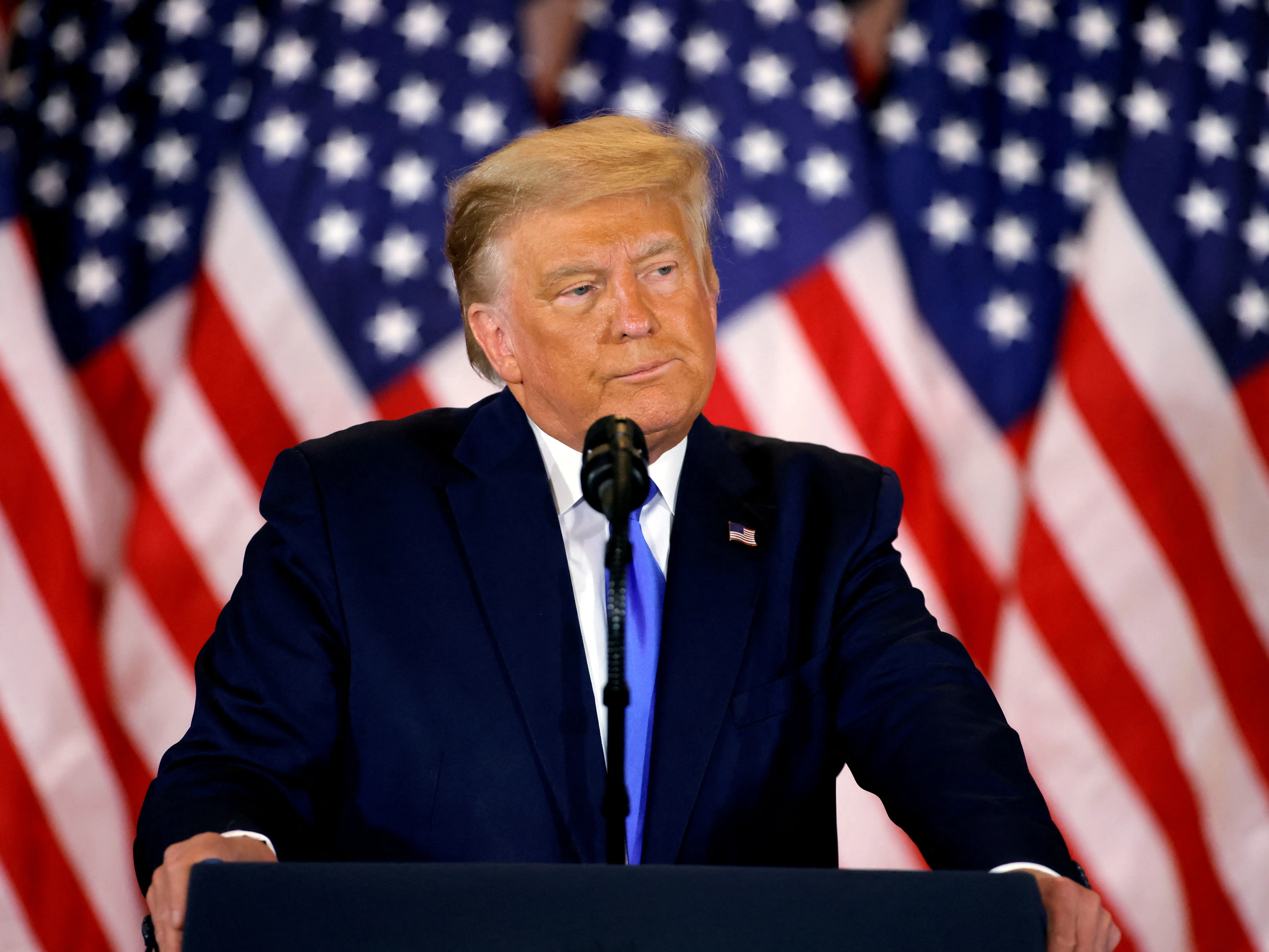
Trump meets Intel chief days after saying he ‘must resign’ over conflict of interest Photograph: (Reuters)
President Trump met with Intel CEO Lip-Bu Tan days after demanding his resignation over national security concerns. Despite prior criticism, Trump praised Tan’s career and promised further cabinet engagement.
US President Donald Trump has met with Intel’s chief executive, Lip-Bu Tan, just days after publicly demanding that he step down. The meeting took place on Monday, with Commerce Secretary Howard Lutnick and Treasury Secretary Scott Bessent also in attendance. Posting on Truth Social, Trump described the discussion as “very interesting” and praised Tan’s career journey, calling it “an amazing story.” He added that cabinet members will now spend more time with Tan and share their suggestions with him next week. Intel has not commented on the meeting.
Why did Trump want Tan to resign?
Last week, Trump used Truth Social to demand that Tan quit “immediately,” citing national security concerns raised by a Republican senator over his links to Chinese firms. “The CEO of INTEL is highly CONFLICTED and must resign, immediately. There is no other solution to this problem,” Trump wrote.
Tan’s response to the criticism
In response, Tan said Intel was working with the Trump administration to address the concerns and ensure officials “have the facts.” He also rejected what he called “a lot of misinformation” about his past roles at Walden International and Cadence Design Systems, insisting he had “always operated within the highest legal and ethical standards.”
Trending Stories
&imwidth=280&imheight=210&format=webp&quality=medium)
&imwidth=280&imheight=210&format=webp&quality=medium)
&im=FitAndFill=(700,400)&imwidth=280&imheight=210&format=webp&quality=medium)
&imwidth=280&imheight=210&format=webp&quality=medium)
&imwidth=280&imheight=210&format=webp&quality=medium)
&imwidth=280&imheight=210&format=webp&quality=medium)
&imwidth=280&imheight=210&format=webp&quality=medium)
&imwidth=280&imheight=210&format=webp&quality=medium)
&imwidth=280&imheight=210&format=webp&quality=medium)
&imwidth=280&imheight=210&format=webp&quality=medium)
&im=FitAndFill=(700,400)&imwidth=280&imheight=210&format=webp&quality=medium)
&im=FitAndFill=(700,400)&imwidth=280&imheight=210&format=webp&quality=medium)
&imwidth=280&imheight=210&format=webp&quality=medium)
&imwidth=280&imheight=210&format=webp&quality=medium)
&imwidth=280&imheight=210&format=webp&quality=medium)
&imwidth=280&imheight=210&format=webp&quality=medium)
&imwidth=280&imheight=210&format=webp&quality=medium)
&imwidth=280&imheight=210&format=webp&quality=medium)
&imwidth=280&imheight=210&format=webp&quality=medium)
&imwidth=280&imheight=210&format=webp&quality=medium)
&imwidth=280&imheight=210&format=webp&quality=medium)
&imwidth=280&imheight=210&format=webp&quality=medium)
&imwidth=280&imheight=210&format=webp&quality=medium)
&imwidth=280&imheight=210&format=webp&quality=medium)
&imwidth=280&imheight=210&format=webp&quality=medium)
&imwidth=280&imheight=210&format=webp&quality=medium)
&imwidth=280&imheight=210&format=webp&quality=medium)
&imwidth=280&imheight=210&format=webp&quality=medium)
&imwidth=280&imheight=210&format=webp&quality=medium)
&imwidth=280&imheight=210&format=webp&quality=medium)
&imwidth=280&imheight=210&format=webp&quality=medium)
&im=FitAndFill=(700,400)&imwidth=280&imheight=210&format=webp&quality=medium)
&imwidth=280&imheight=210&format=webp&quality=medium)
&imwidth=280&imheight=210&format=webp&quality=medium)
&imwidth=280&imheight=210&format=webp&quality=medium)
&imwidth=280&imheight=210&format=webp&quality=medium)
Intel’s challenges in the global chip market
Tan, who was born in Malaysia, took over at Intel in March and soon announced layoffs amid a challenging market shaped by White House tariffs and export controls. While Intel remains one of Silicon Valley’s most recognisable names, it has fallen behind Asian rivals TSMC and Samsung, which dominate the semiconductor manufacturing sector. The company’s core strength in chips for traditional computing is also facing pressure as AI technology drives a shift in demand.
