

&imwidth=800&imheight=600&format=webp&quality=medium "Delhi air crisis: Multiple nations including UK, Canada issue advisory as AQI remains in ‘severe’ category")
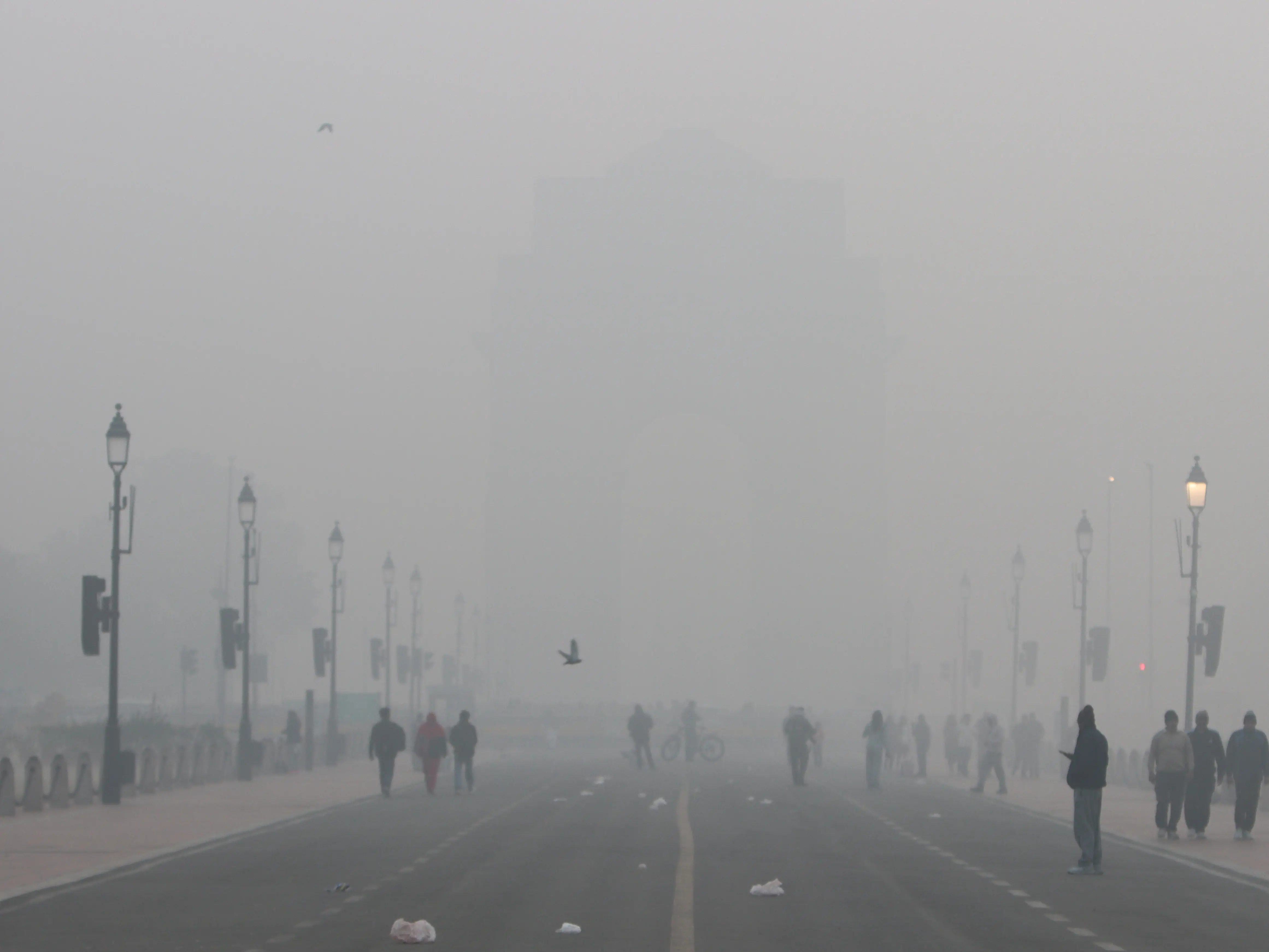
Multiple countries, including the United Kingdom, Canada and Singapore, on Monday (Dec 15) advised their nationals residing in the Delhi-NCR area to stay indoors and exercise caution as air quality continues to remain in the 'severe' category. The national capital and its adjoining areas, like Gurugram, Noida, and Ghaziabad, continue to face the brunt of deteriorating air quality, prompting the Singapore High Commission in India to release an advisory urging its nationals to 'pay heed' to the suggestions of staying indoors and wearing masks when going outdoors.
Delhi's AQI at 437 on Monday sustained in the 'severe'category for the third consecutive day, which experts believe can cause serious harm to the respiratory and heart functions of the human body. The authorities enforced stringent restrictions under the GRAP-IV to prevent further deterioration. The measures included hybrid learning for schoolchildren and imposing transportation curbs.
The poor air quality also led to a delay in hundreds of flights at the Indra Gandhi International airport and triggered cancellations of 61 cancellations and five diversions.
As per CPCB classification, an AQI between the range 0-50 falls under 'Good', 51-100 'satisfactory', 101-200 'moderate', 201-300 'poor', 301-400 'very poor', and 401-500 is considered 'severe'.
The Singapore High Commission in New Delhi issued multiple instructions through its official X account, saying "On 13 December 2025, the Indian Central Pollution Control Board invoked Stage 4, the highest level, of the Graded Response Action Plan (GRAP) in the Delhi National Capital Region. Under GRAP Stage 4, construction and industrial activities are heavily restricted, and schools and offices are encouraged to shift to a hybrid format."
Trending Stories
&imwidth=180&imheight=135&format=webp&quality=medium)
'My name has always been Ilhan Omar': Congresswoman hits back at Trump, calls him a 'creep'
&imwidth=180&imheight=135&format=webp&quality=medium)
Gravitas | US attack could trigger WW III: Russian planes in Tehran, Israeli jets, US warships in action
&imwidth=180&imheight=135&format=webp&quality=medium)
Viral video shows cross falling on Colombia priest, no official confirmation | WATCH
&imwidth=180&imheight=135&format=webp&quality=medium)
US Navy, Marine Corps boards defy Trump's transgender military ban, vote to retain troops
&imwidth=180&imheight=135&format=webp&quality=medium)
Will the US attack Iran this weekend? Trump's envoy says, 'absolutely'
&imwidth=180&imheight=135&format=webp&quality=medium)
Fauzi teaser out: Prabhas takes on the British Empire in patriotic avatar | Watch
&imwidth=180&imheight=135&format=webp&quality=medium)
India-China face-off continues near Arunachal’s Taksing, reveals ITBP chief in first official confirmation of tensions
&imwidth=180&imheight=135&format=webp&quality=medium)
Nairobi building collapse: Several feared trapped after 16-storey structure crumbles; rescue operation underway
&imwidth=180&imheight=135&format=webp&quality=medium)
Pakistan airline PIA unveils new crew uniforms, faces online criticism
&imwidth=180&imheight=135&format=webp&quality=medium)
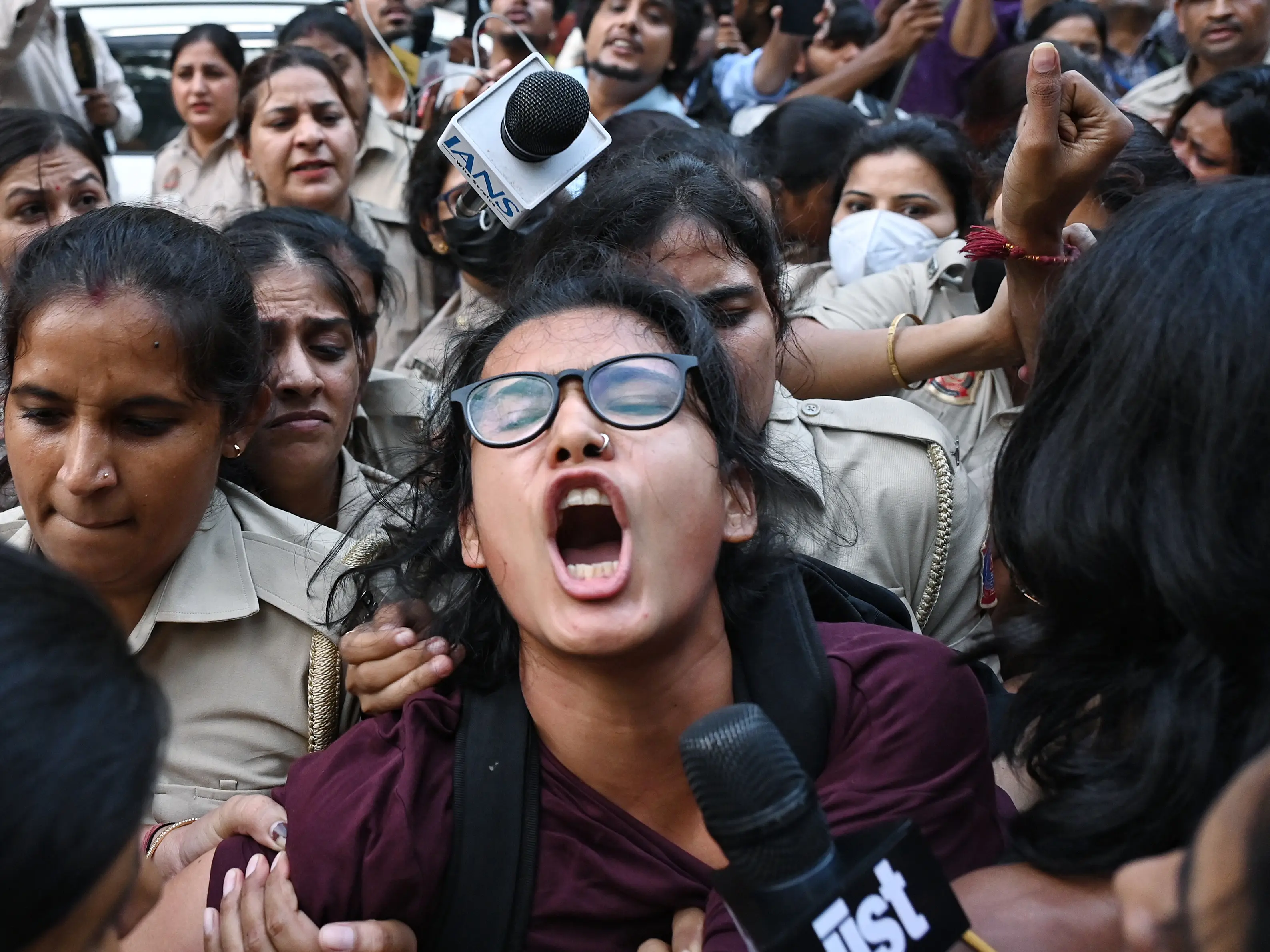
Did Neha Bora call for Bangladesh-like GenZ protest, 'anarchy' in India? WION Fact-checks viral claim
&imwidth=180&imheight=135&format=webp&quality=medium)
'Already tired of his 9-to-5': Baby born with a moustache becomes internet sensation, video goes viral | Watch
&imwidth=180&imheight=135&format=webp&quality=medium)
Horrific video shows the moment 18-year-old fell to her death from Mexico amusement park ride
&imwidth=180&imheight=135&format=webp&quality=medium)
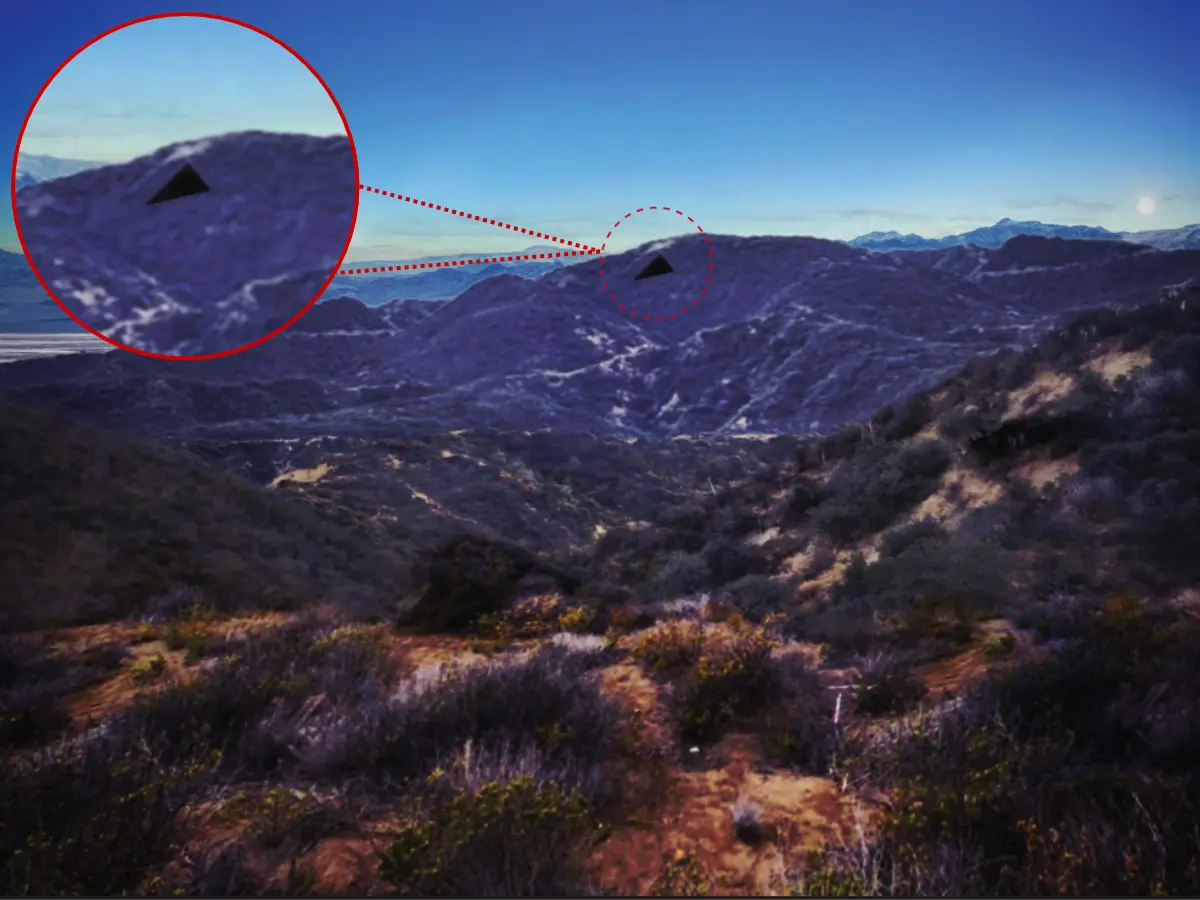
'Black triangle' UFO flying at 1,800mph spotted over sensitive US site: Latest Trump admin UFO file dump
&imwidth=180&imheight=135&format=webp&quality=medium)
IND-W vs ZIM-W, 1st ODI: Rawal, Charani star in India’s nine-wicket win over Zimbabwe
&imwidth=180&imheight=135&format=webp&quality=medium)
Massive 7.2 magnitude quake off Vanuatu triggers tsunami warning for coasts within 300 km
&imwidth=180&imheight=135&format=webp&quality=medium)
French Open: PV Sindhu storms into final with win over Hina Akechi
&imwidth=180&imheight=135&format=webp&quality=medium)
Google Fitbit Air’s new health guardian feature tracks trends: How it works
&imwidth=180&imheight=135&format=webp&quality=medium)
US midterms 2026: Trump revises Canada tariffs as Susan Collins faces tight re-election race in Maine
&imwidth=180&imheight=135&format=webp&quality=medium)
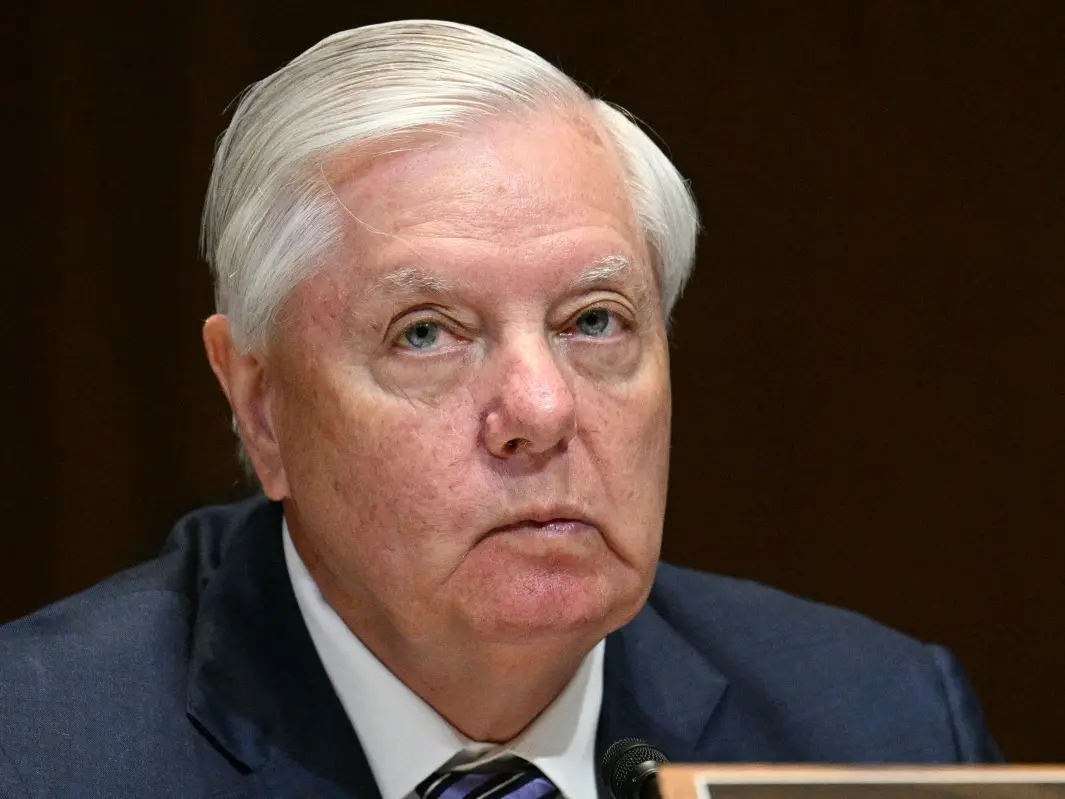
US midterms 2026: Viral video claims Lindsey Graham paid underage men for sex; clip released weeks before his sister's Senate race
&imwidth=180&imheight=135&format=webp&quality=medium)
IND vs NZ 2nd T20I: Shreyas Iyer on brink of breaking Rohit Sharma’s record
&imwidth=180&imheight=135&format=webp&quality=medium)
AI deepfakes are spreading online: Why is removing them so difficult?
&imwidth=180&imheight=135&format=webp&quality=medium)
China's dancing robot turns violent bodyguard, lifts cars and fights intruders - Watch
&imwidth=180&imheight=135&format=webp&quality=medium)
Global cybersecurity alert: PHP flaws trigger website shutdowns as hack attempts surge into millions
&imwidth=180&imheight=135&format=webp&quality=medium)
'You’re a horrible little reporter, aren’t you?': Trump snaps at NBC reporter questioning his support for Ramaswamy's campaign ad
&imwidth=180&imheight=135&format=webp&quality=medium)
Chemical warehouse explosion in Mexico: Several injured in multiple blasts, 1,000 evacuated in León
&imwidth=180&imheight=135&format=webp&quality=medium)
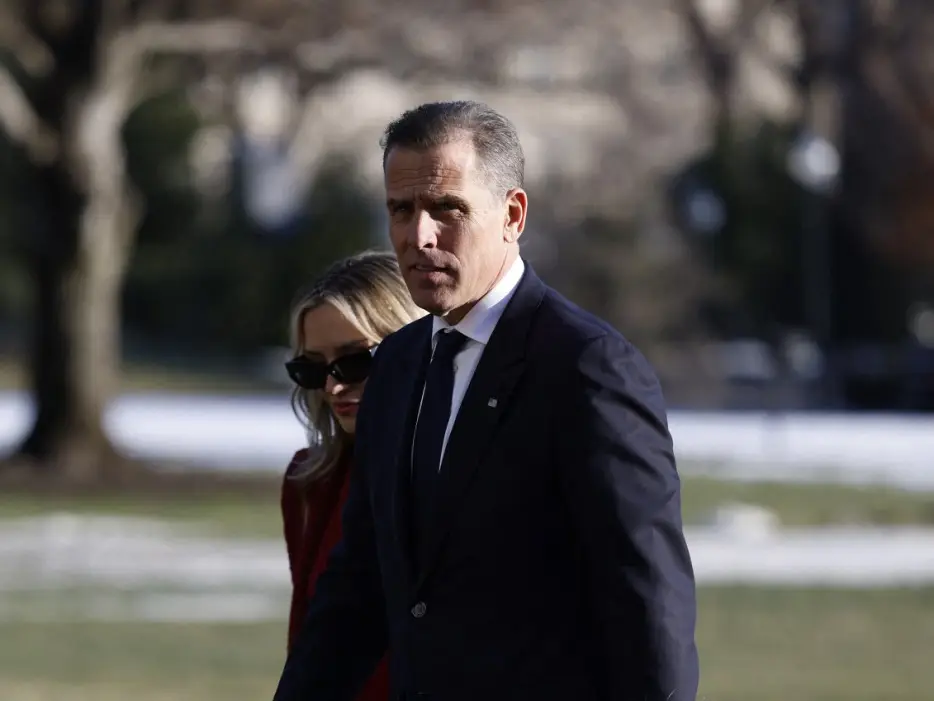
US charges two former FBI officials with lying to Congress about Hunter Biden probes. 'Politically motivated' Trump grievance or something else?
&im=FitAndFill=(700,400)&imwidth=180&imheight=135&format=webp&quality=medium)
How smart robots and AI assemble vehicles in 20 hours
&im=FitAndFill=(700,400)&imwidth=180&imheight=135&format=webp&quality=medium)
New Friday OTT releases (October 23, 2026): Gajab Raat, Dorothy, Chaar Yaar- Watch these 6 new movies and TV shows on Netflix, Prime Video and more
&imwidth=180&imheight=135&format=webp&quality=medium)
Anthropic security chief issues grim cyberattack warning: ‘It’s going to get a lot worse’
&imwidth=180&imheight=135&format=webp&quality=medium)
Tu Hai Meri Kiran film review: Sonakshi Sinha and Zaheer Iqbal's thriller gets tangled in its own twists
&imwidth=180&imheight=135&format=webp&quality=medium)
First Lady Melania Trump secures ceasefire between Russia, Ukraine in Oleshky: White House
&imwidth=180&imheight=135&format=webp&quality=medium)
Negotiators from Ukraine, Russia, United States to meet in Abu Dhabi: Zelensky
&imwidth=180&imheight=135&format=webp&quality=medium)
Farooq Abdullah says Pakistan’s raising of Kashmir issue keeps pressure on Delhi
&imwidth=180&imheight=135&format=webp&quality=medium)
Emmanuel Macron calls Paris suburb shooting a 'racist terrorist attack' after one killed, several injured
The commission underlined that the Delhi government has advised residents to stay indoors, particularly those who are more vulnerable to the air crisis, such as Children and people with respiratory and cardiac illness "In this regard, the High Commission urges Singapore nationals in the Delhi National Capital Region to pay heed to this advice," it added.
Earlier, the United Kingdom’s Foreign, Commonwealth & Development Office (FCDO) warned that pregnant women and people with heart or respiratory conditions should consult a doctor before travelling to India.
In its advisory, the FCDO said severe air pollution poses a major health risk, particularly during the winter months from October to February, when north Indian cities record extremely high pollution levels.
The advisory noted that children, the elderly, and people with pre-existing medical conditions are especially vulnerable. Pregnant women and those with respiratory or heart ailments were advised to seek medical advice before travel.
Canada has also issued a similar advisory, urging travellers to monitor air quality levels regularly, especially those suffering from respiratory illnesses.
In its guidance, Canada warned that smoke haze and other forms of air pollution can be extremely hazardous in urban centres such as Delhi, where pollution levels are typically worst during winter. It added that air quality in rural areas can deteriorate due to agricultural burning, while dust storms frequently affect northern India.
Travellers were advised to closely track changing air pollution levels, particularly if they have respiratory problems or other pre-existing health conditions.
